Compact Vision #3: First Prototypes
After a couple of months of waiting, we’ve finally received the first two prototypes of our minivelo project. One is, of course, with Philipp, founder of Randebzirk, with whom I started this project. The other one is in the hands of my friend Diego, who we felt would be the perfect person to properly put this first prototype through its paces.
If you’re new to this project, the idea is simple: create a track-geometry-inspired minivelo. A fun, straightforward machine, but with a twist. While we laid the groundwork for this collaboration between Randbezirk and Slow Spin Society, this project heavily relies on your input. The goal isn’t just to build two prototypes for ourselves but to shape a bike that could eventually exist for all of you.
This series is all about exploring what happens when a product is designed collectively by a community, rather than dictated by a small group deciding what’s “best”. If you haven’t read the previous two articles, you can find them here ⬇️
- Compact Vision #1: Designing it Together
- Compact Vision #2: Manufacturing: Where and How?
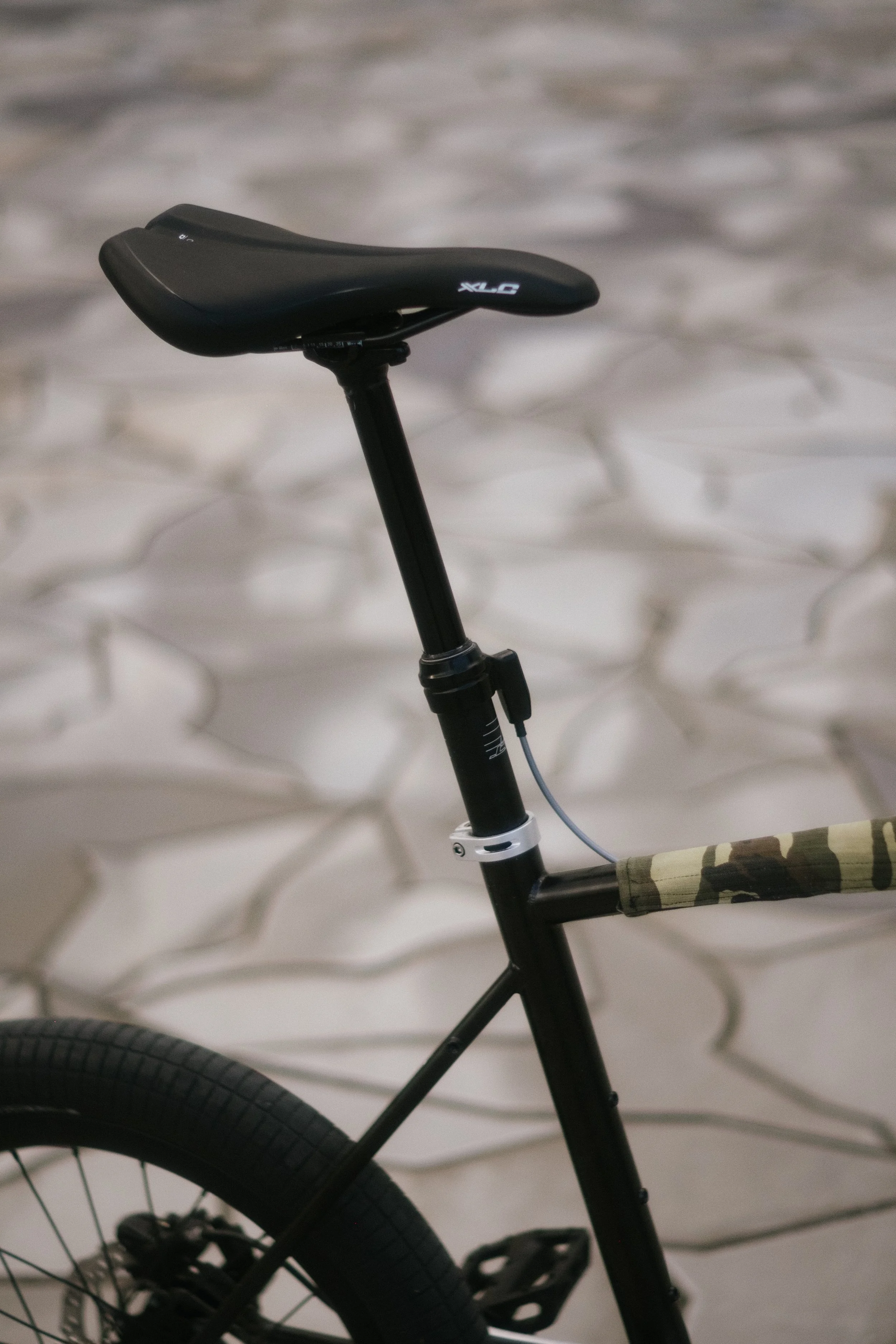
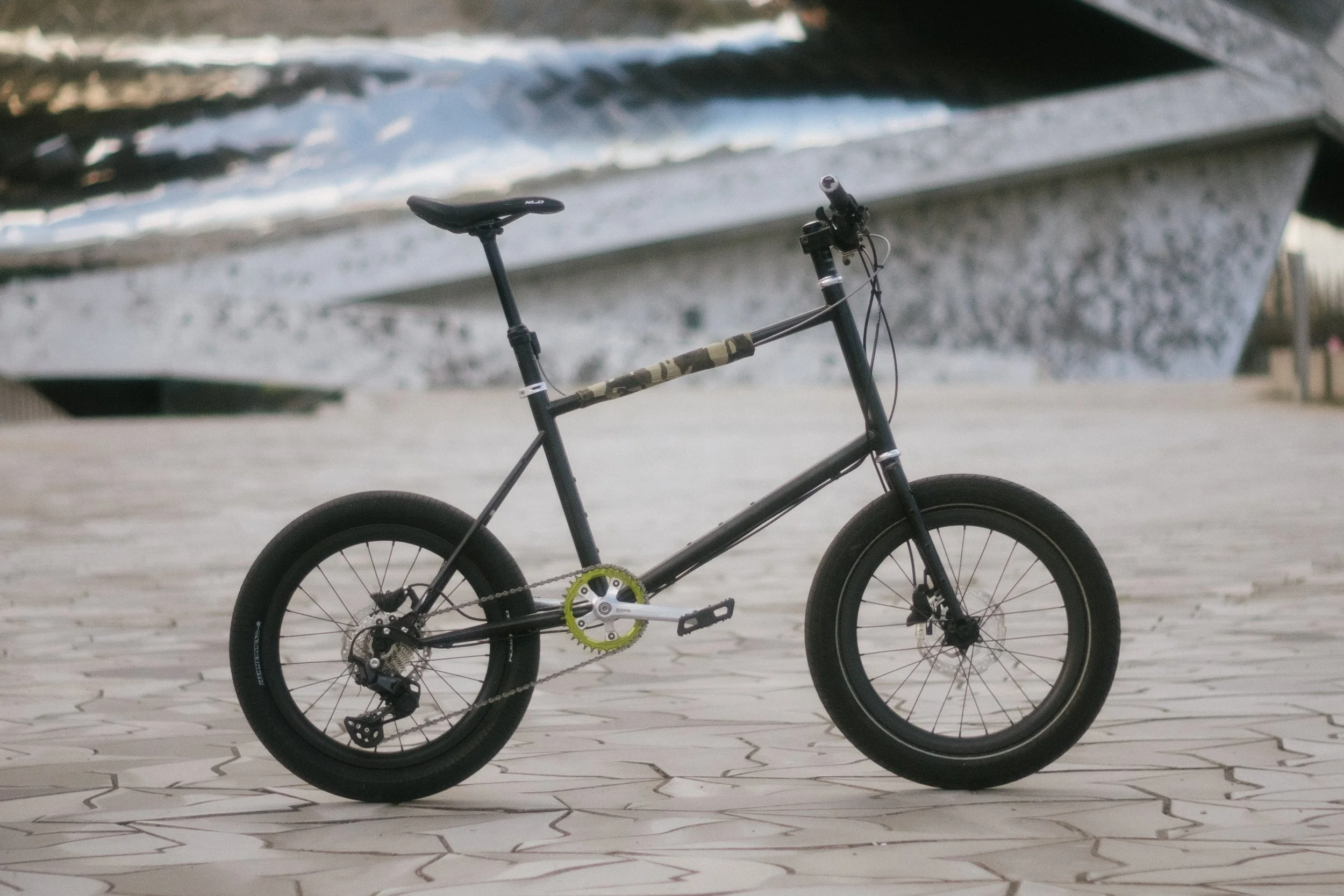
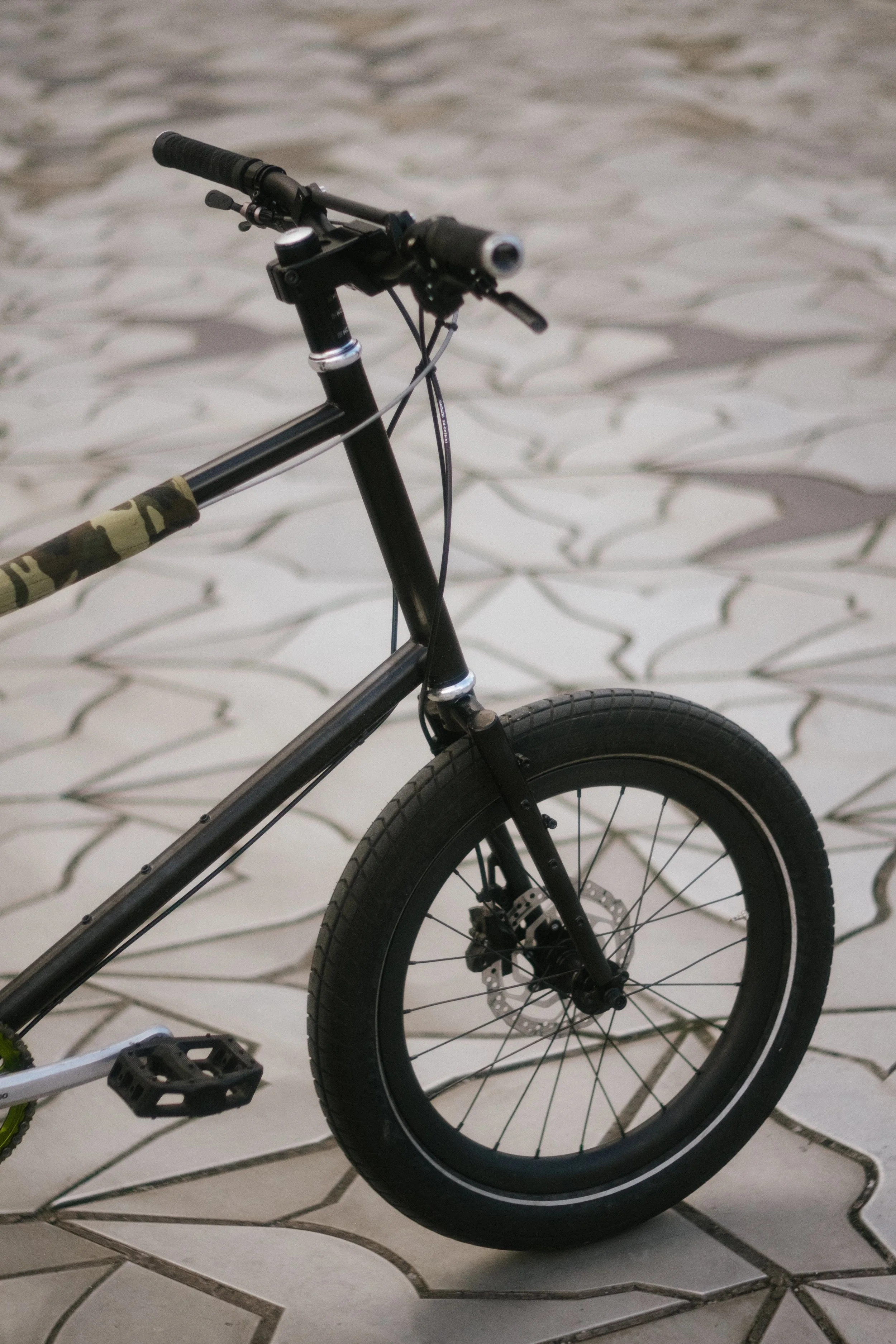
Before diving into the results of the last poll, let’s talk about how this prototype, now actively ridden in Paris, actually feels and what could be improved.
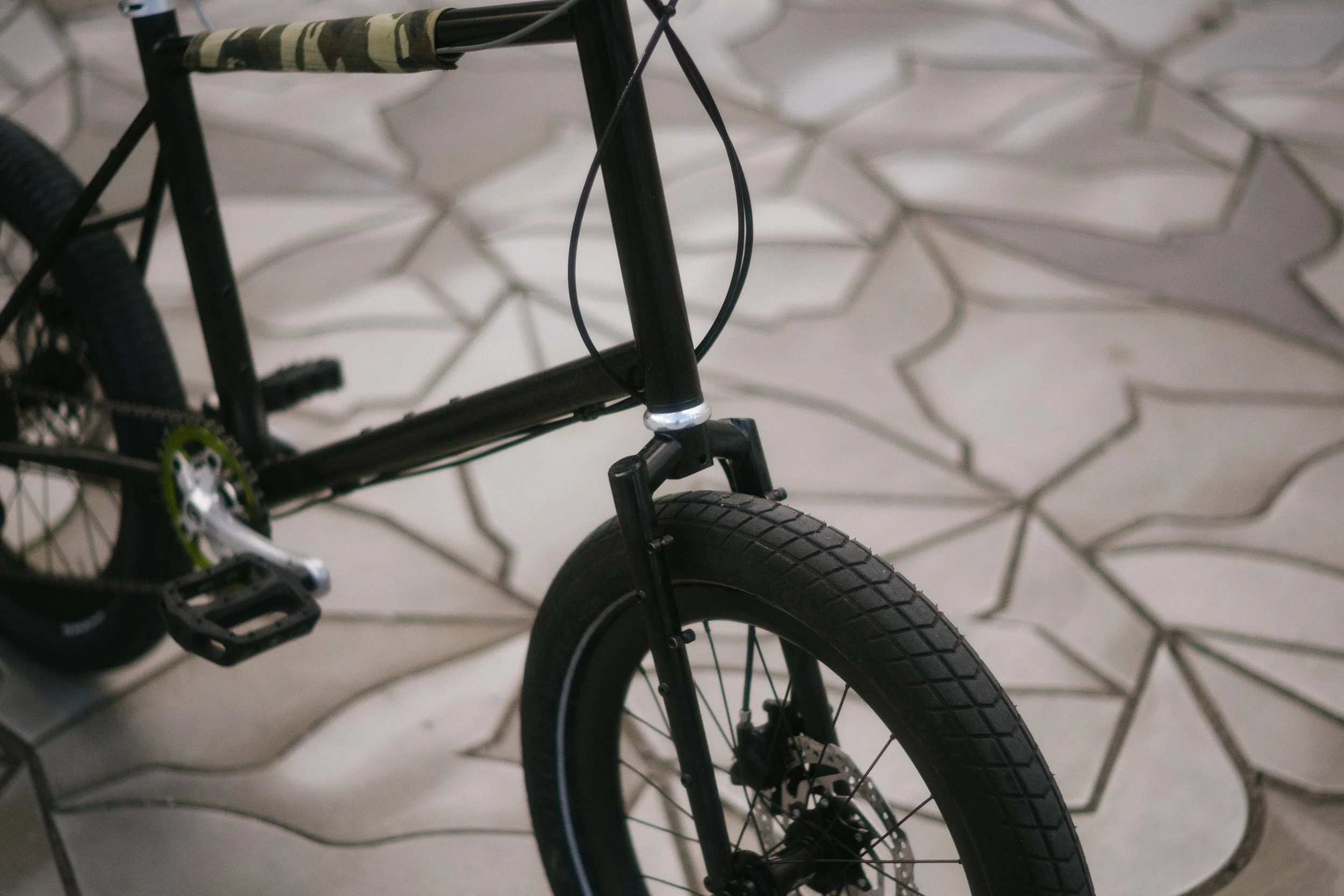
For the geometry, we stayed true to what we promised by designing something fun and nimble and by taking inspiration from various track bikes I’ve ridden over the years. We also made sure it could fit up to 2.4” tires and, most importantly, refined the look so it would have that nice stance to it.
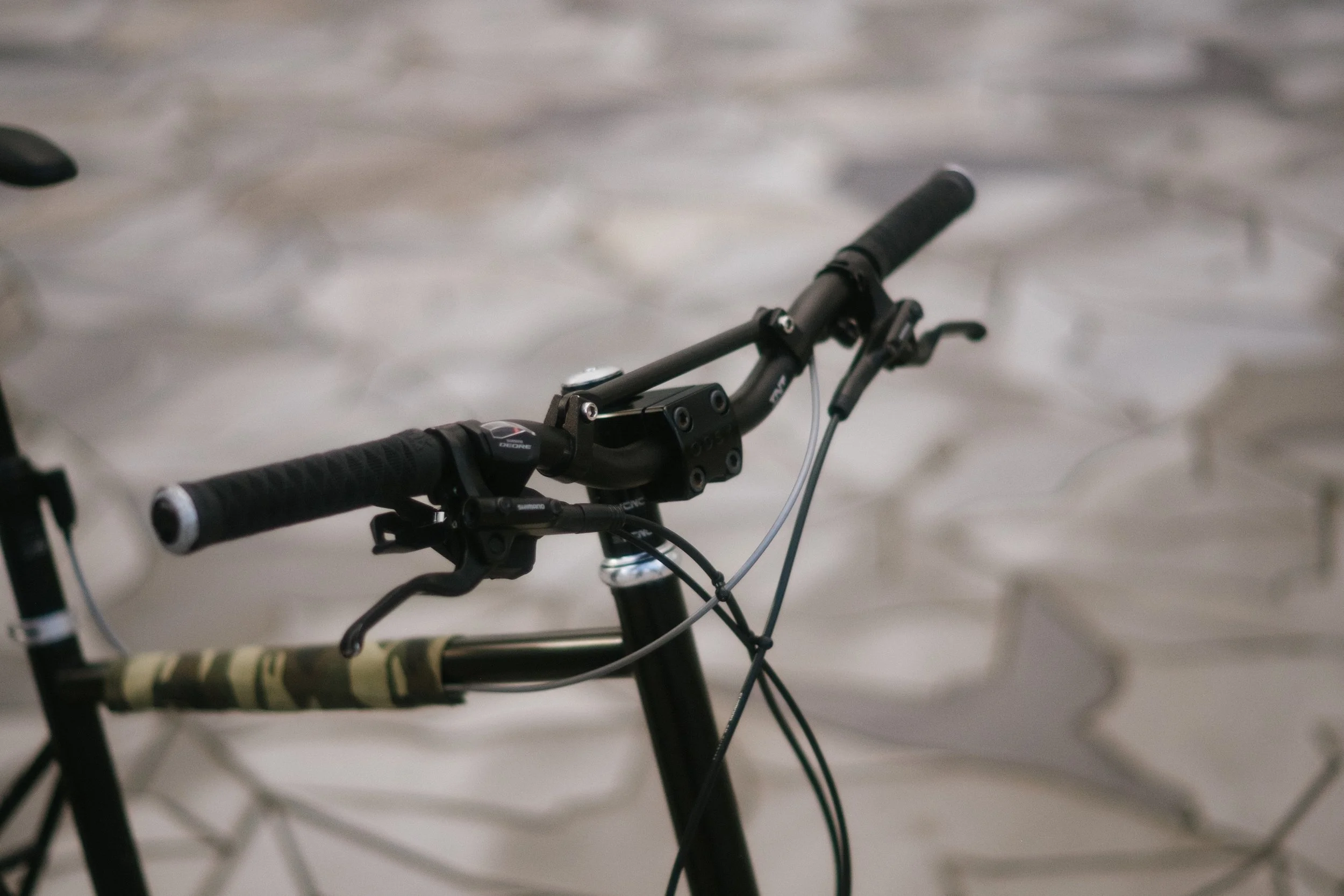
I’ve never been a fan of minivelos that require stacking endless spacers just to get a proper fit, so we designed the head tube to be as long as needed, not only for aesthetics but also to reduce front-end flex.
We also added a generous number of mounting points: bottles, cargo cages, fenders, and pretty much everything you might need. Personally, I feel like we may have gone slightly overboard, but the coming months will tell us which ones actually get used.
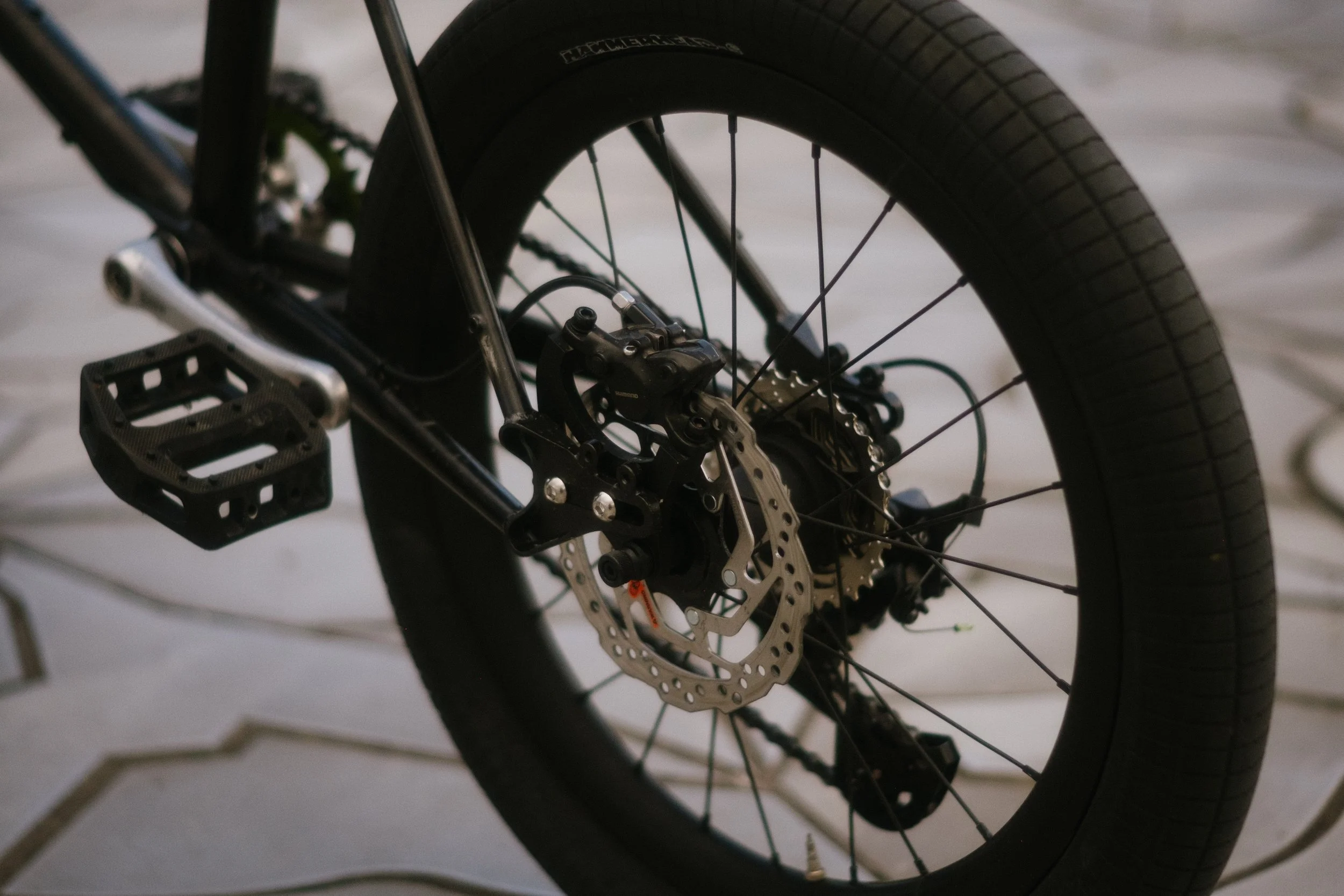
For the tubing, we deliberately kept things simple for both cost and manufacturing reasons. That means a reliable segmented fork, a straightforward rear triangle (even if something like the Omnium Nano wishbone would have been nice), and readily available slider dropouts. This allows the bike to be built as a fixed gear, single speed without a tensioner, or geared, like Diego’s build using a Shimano Deore groupset.
Now, about the last poll.
As expected, around 73% of you voted for a more affordable frame produced in Asia (likely China or Taiwan). That makes complete sense as most people don’t want to invest heavily in what is essentially a “fun” bike. There are plenty of brands doing an excellent job designing bikes in Europe or the US, then producing them in Asia to keep costs accessible, and it’s a proven model that works.
However, it also means that most of the “value” ends up far from where the bike is designed or ridden, instead of supporting local builders and ecosystems. At the same time, over 25% of you said you’d be willing to pay more for a handmade frame produced within our community, here in Europe. And that’s something we really respect.
So moving forward, we’re considering making both approaches coexist:
A small batch of handmade frames in Europe, with a special finish to mark it as a “special batch."
And a more accessible pre-order run produced in Asia
Nothing is set in stone yet, but the beauty of a simple design is that it can be produced almost anywhere.
Last-minute update:
We’ve been looking into it, asking around, trying to make it work from every angle. Reality is, even getting a prototype made in Europe would land somewhere above €2,000. That’s just not where we’re at.
The whole idea was to build something simple, fun, and accessible. And right now, that probably makes more sense through a factory-made option—even if, honestly, what we really want is to work with a local framebuilder.
Maybe that comes later. Maybe it becomes something else entirely, a different project on its own. We’re not fully decided yet. Still figuring it out as we go.
Finally, a few words about my personal experience riding the bike.
Yes, a couple of days isn’t enough to fully understand a bike, but by combining feedback from different riders (Diego, Phillip, myself, and others), we can already get a clear sense of what works and what doesn’t.
This being said, I’m also planning to take the bike with me this summer and ride it within different cities to simply have more seat time on it and make that “prototyping phase” as legit as possible. But so far, I’m simply genuinely impressed. The bike feels short and compact where it matters, with a bottom bracket high enough to confidently corner hard and hop curbs effortlessly. Under its compact and playful look, it’s a true street track-inspired machine.
Some people have mentioned similarities with the Stridsland Boomboat, and while they may look somewhat alike, they’re actually quite different in both geometry and intent. From my perspective, Matias designed something more oriented toward trails, bikepacking, and all-around versatility and did an amazing job.
On our side, the focus is much more on dense urban riding, making your daily commute sharper, faster, and more fun. Of course, if we zoom out even further, you could argue we’re all, in some way, reinterpreting bikes like the Velo Orange Neutrino, but that’s beyond the point for today.
So with all that in mind, here’s the poll for this third edition of our Compact Vision series:
What do you think of this first prototype?
Would you be interested in a handmade “founders batch”?
What kind of special finish would you like to see on a handmade version?