Harman Phoenix II and the Weis Tracklocross Prototype
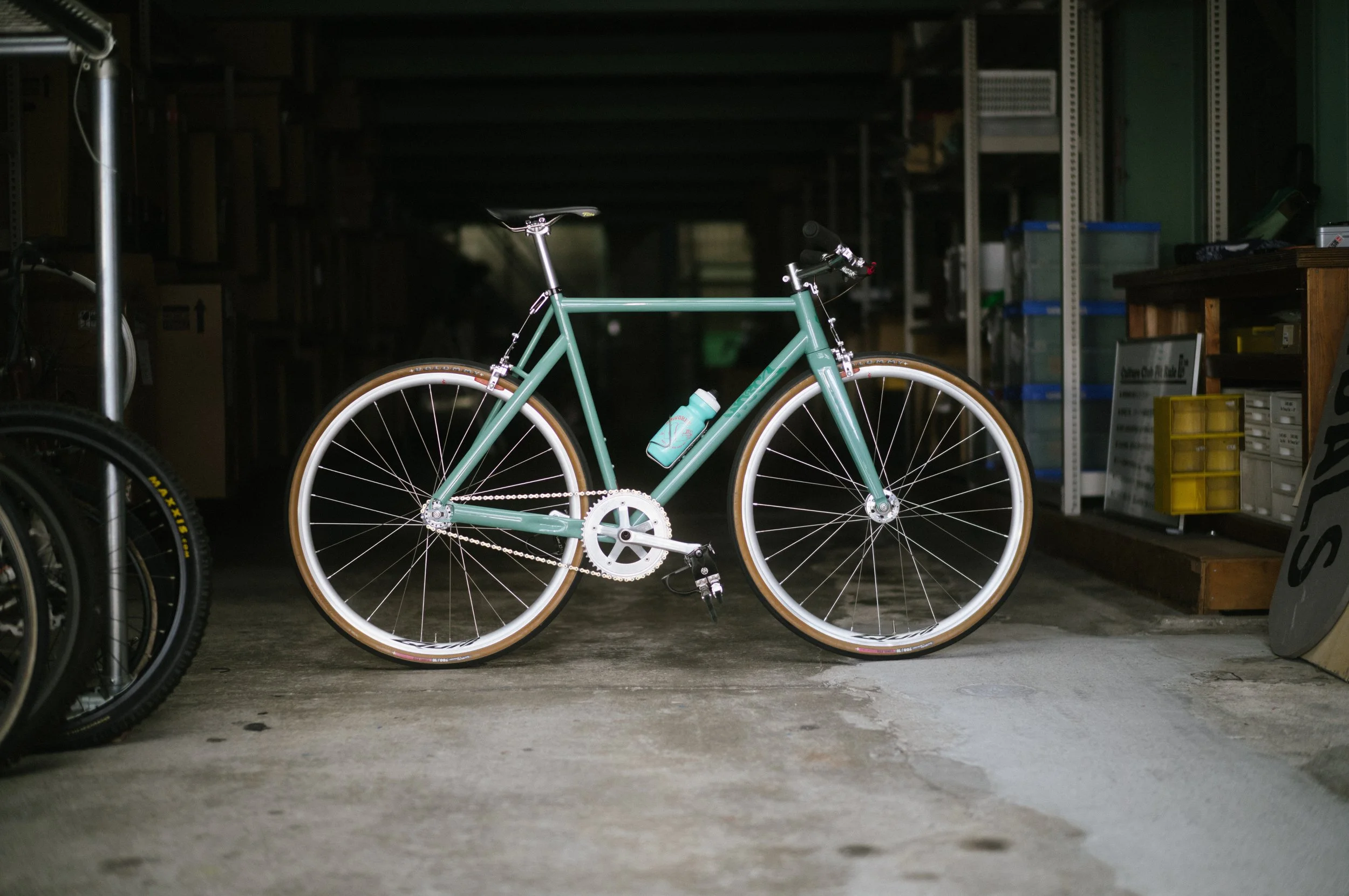
During my trip to Nagoya, Japan, I decided to run one more of my little, slightly silly experiments and try another film stock. At the moment of buying it, the clerk literally told me: “Make sure you don’t shoot anything important on this. The results are beyond random.” Clearly having learned my lesson from past experiments, where I shot experimental film for what should have been future SSS articles, I decided to ignore all of that and use it anyway, this time to photograph the bike that Weis kindly lent me for my winter trip to Japan. So today, we’re taking a look at the this Weis Tracklocross Prototype, shot on Harman Phoenix II, and why I was absolutely right to also shoot a few backup images with a proper digital camera.
To keep things in order, I’ll start with the bike, and then we’ll touch briefly on the film, because there isn’t much to say, other than that this new emulsion isn’t quite ready yet.
To give you the full story, we need to jump back a few months, when I asked the team at Weis if they’d be willing to lend me a bike for my next trip to Japan. Planning for a trip that would span Tokyo, Nagoya, and Osaka, we wanted to create something new with a bike targeted for the Japanese audience: a cute commuter with decent tire clearance, brake mounts, and an overall relaxed style.
If you know Weis, you also know that their natural orientation usually leans toward aggressive street riding and high-performance road and gravel bikes. Building something on the opposite side of that spectrum was therefore a welcome and interesting challenge for everyone involved.
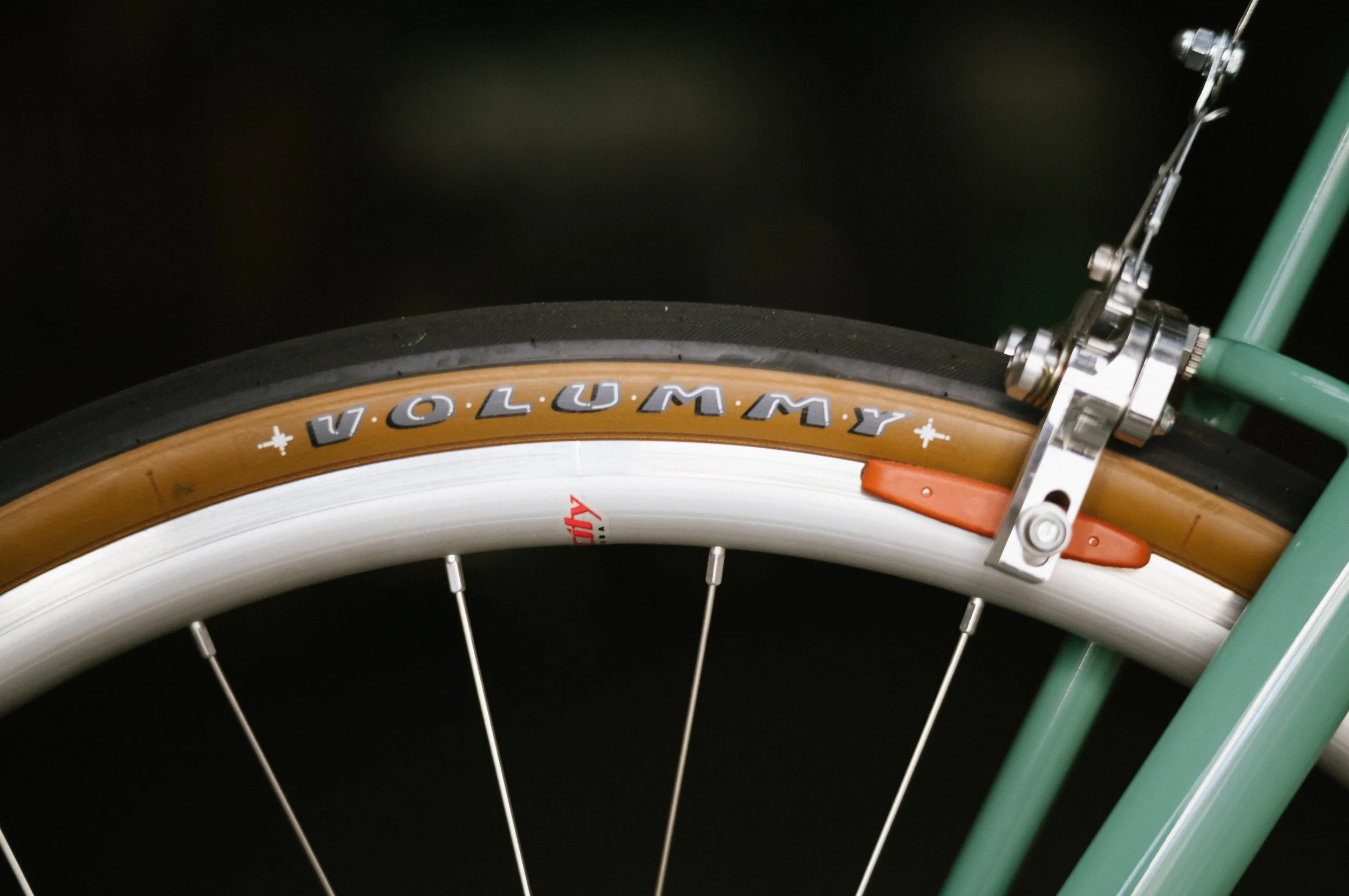
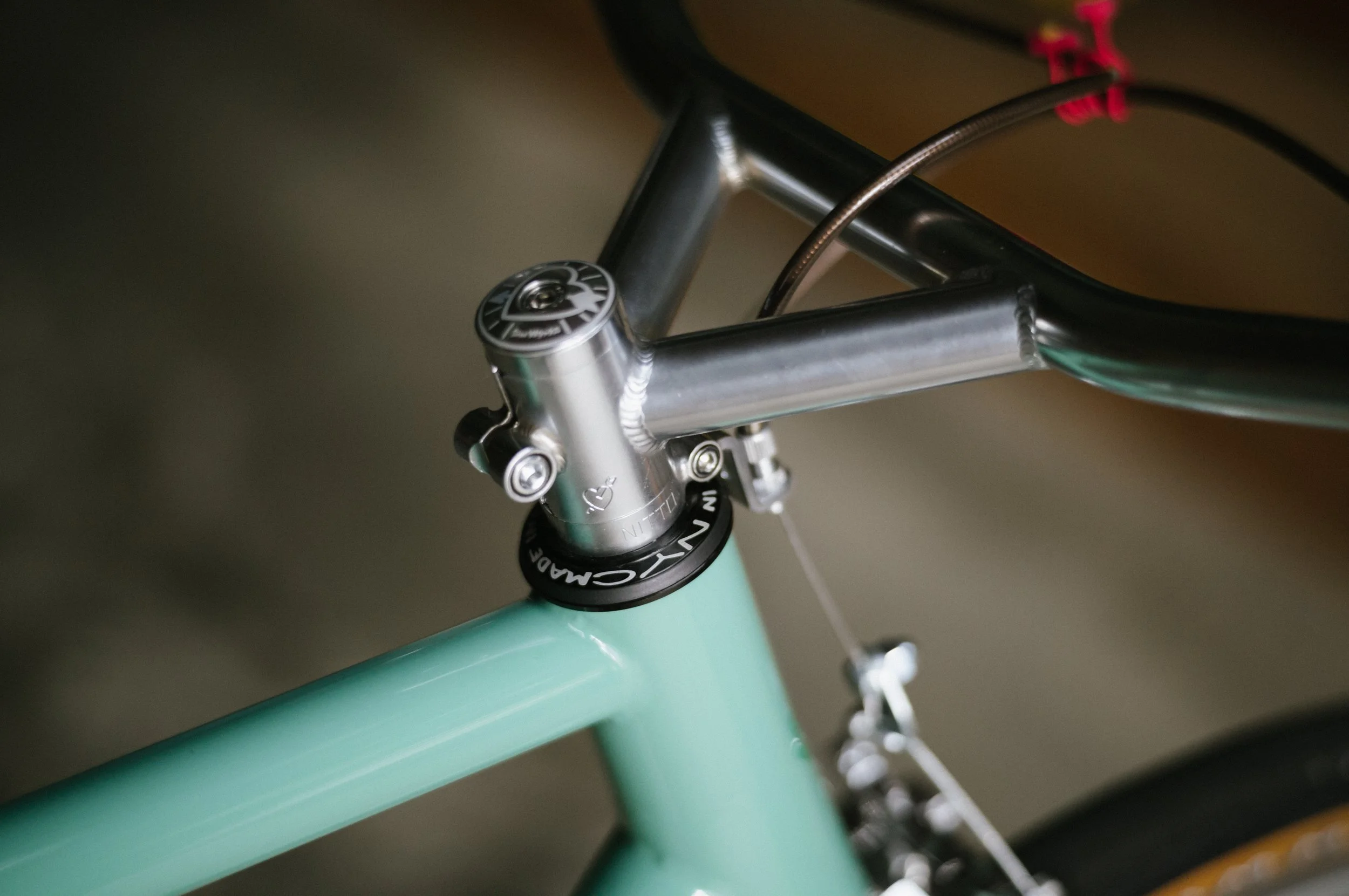
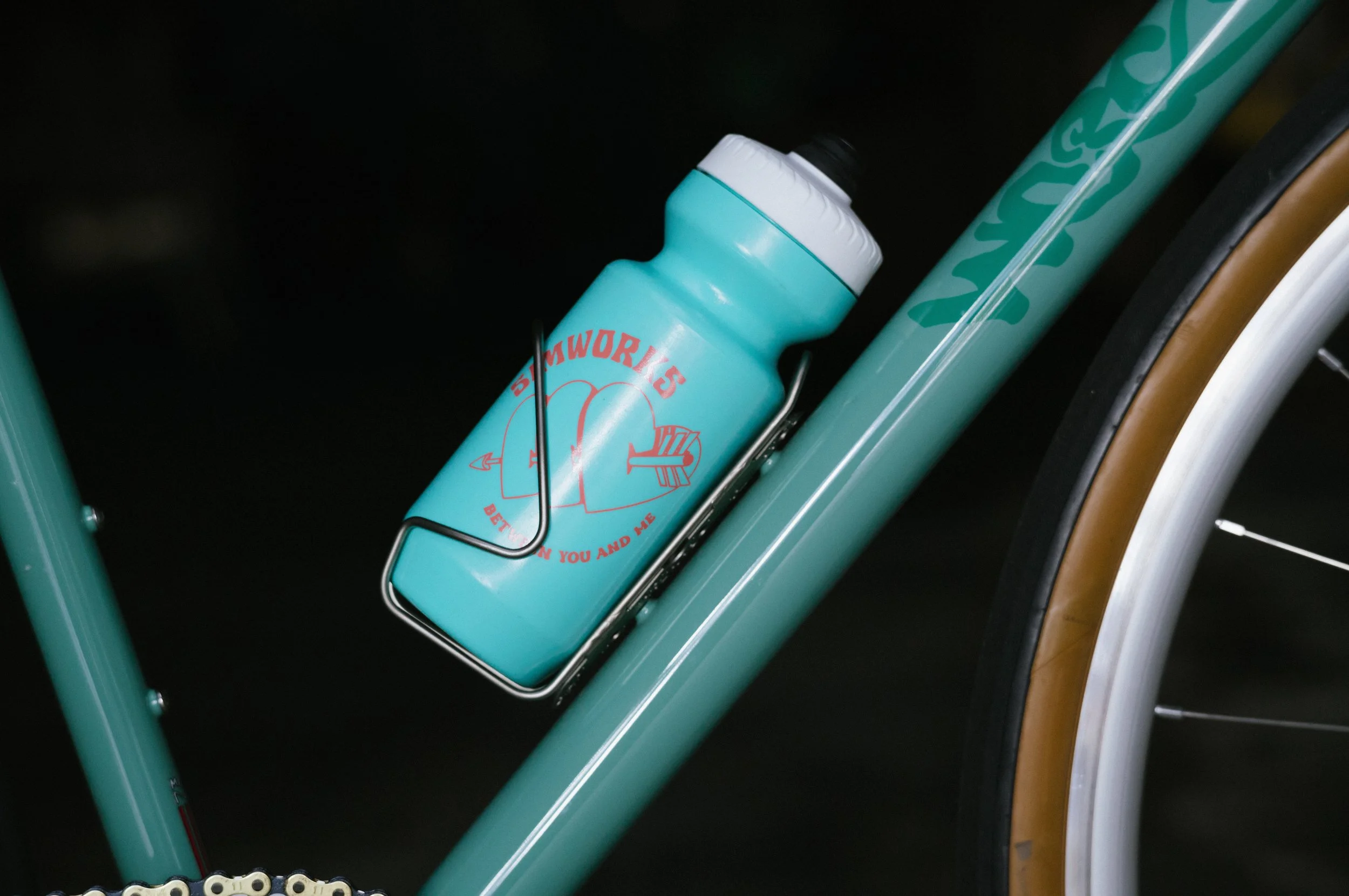
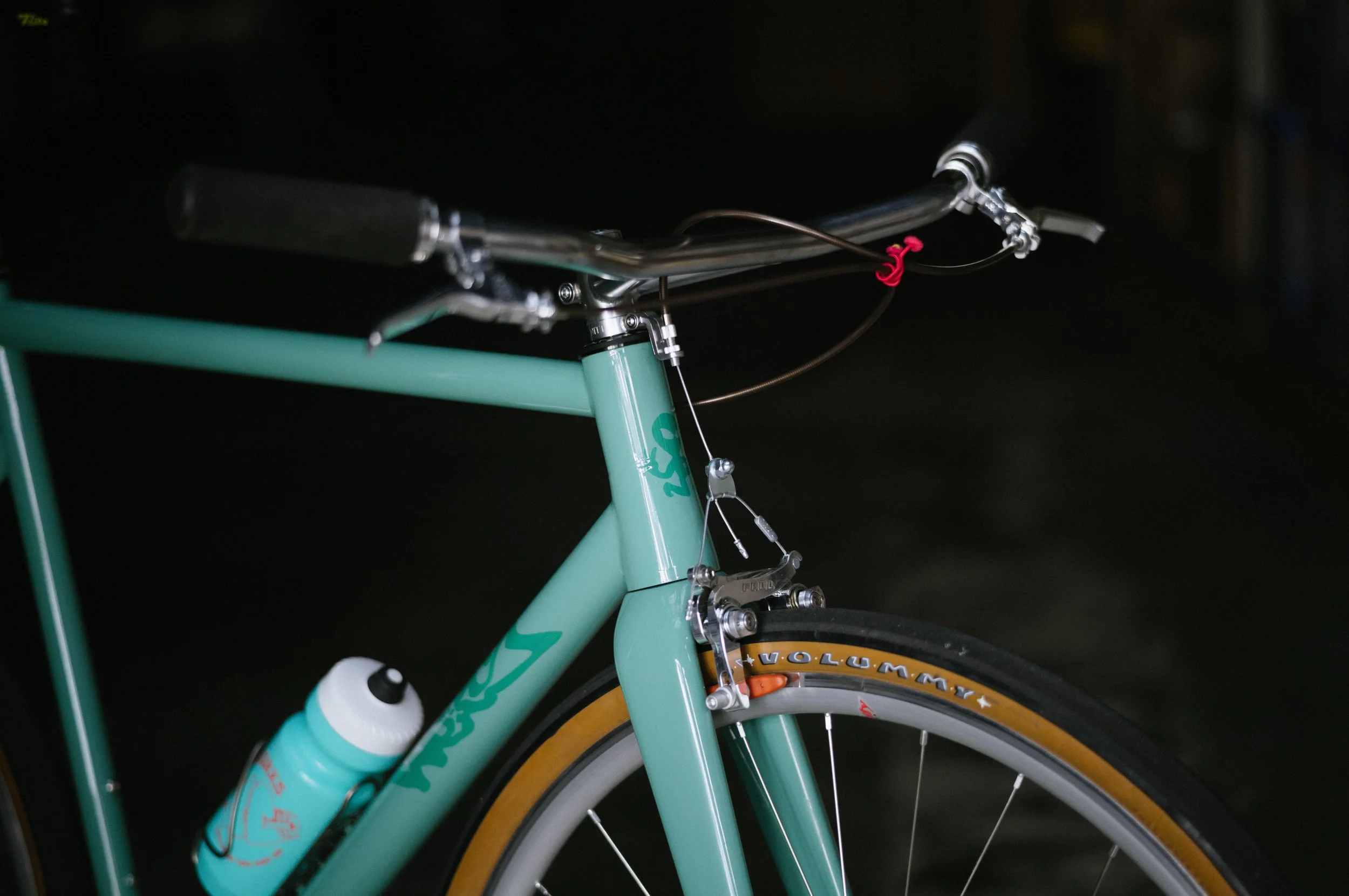
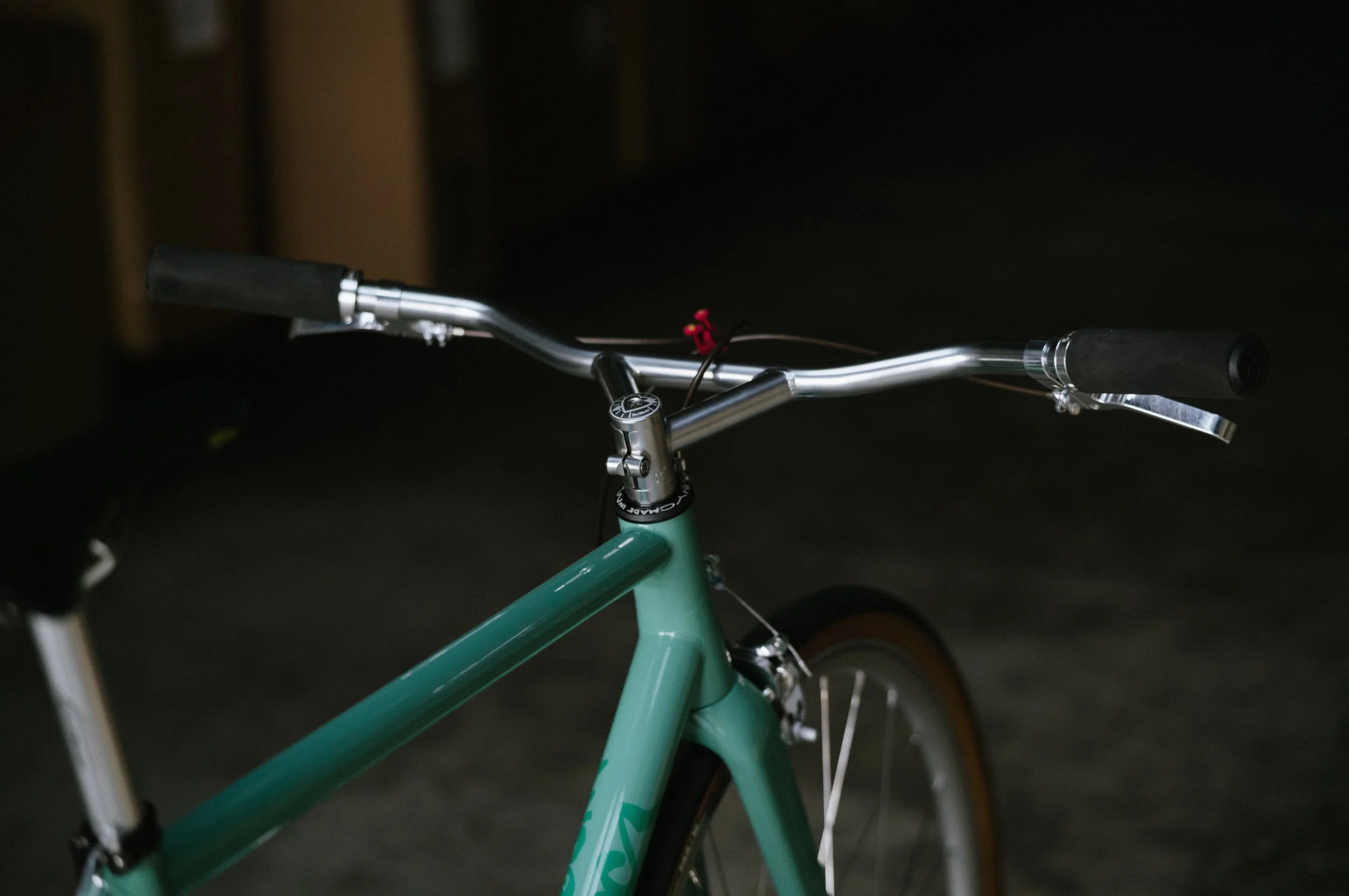
This project was also made largely possible thanks to SimWorks and Circles, who provided several key components for the build. These include their new Still Cruisin’ bullmoose bar, 38mm Volummy tires, and a few more other bits, as well as the very sexy Nissen outer cables used for both the front and rear brakes.
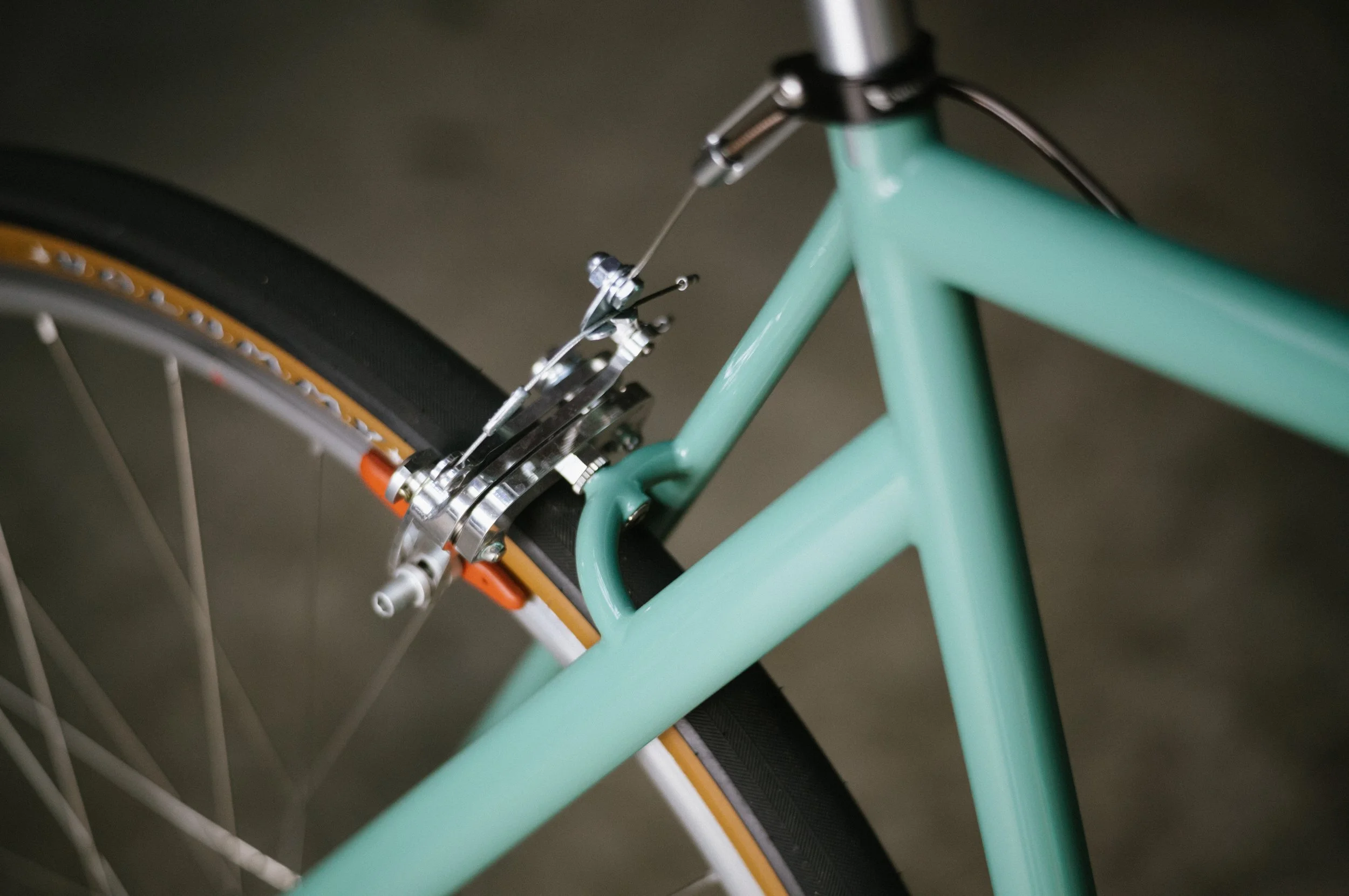
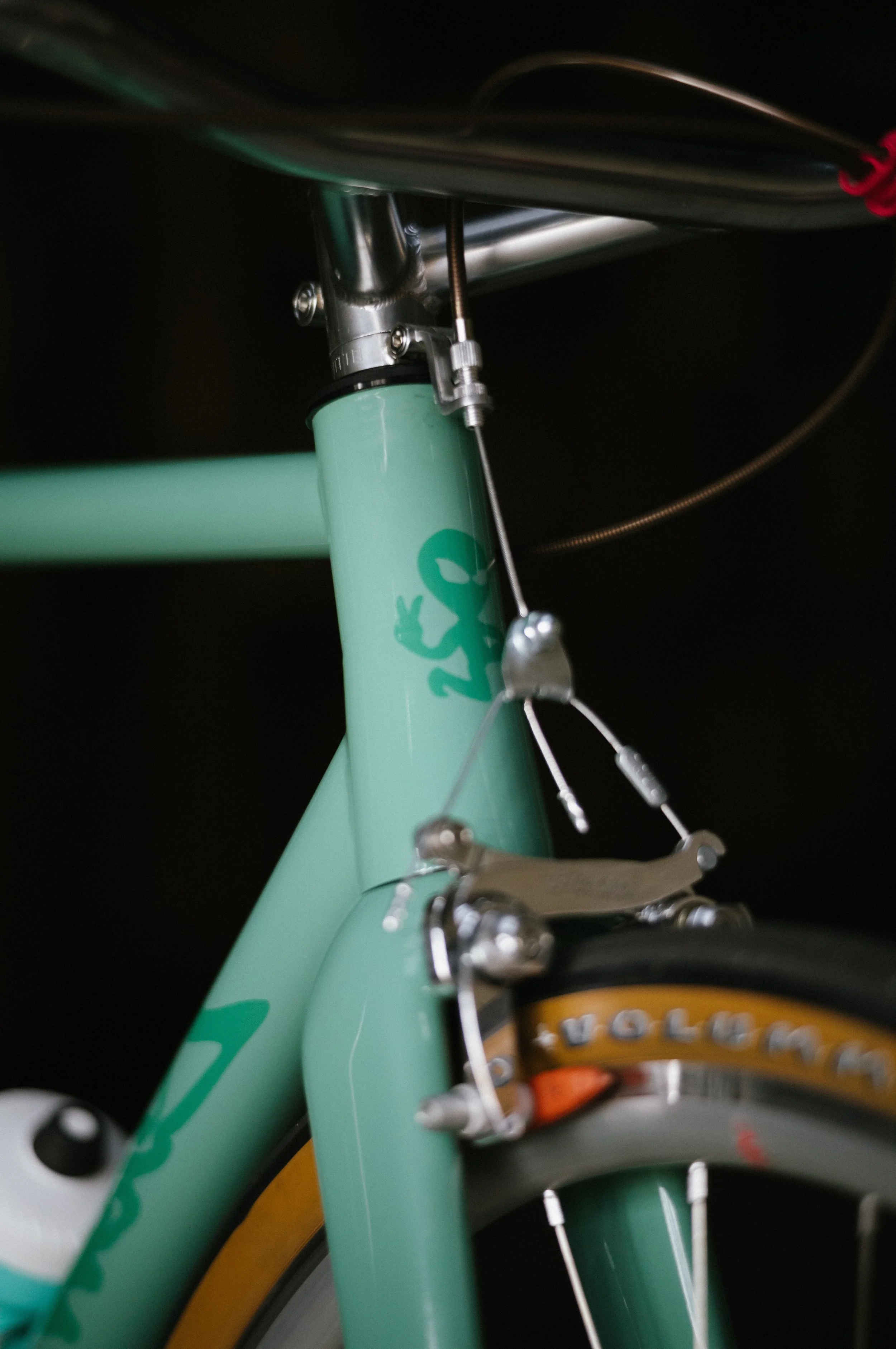
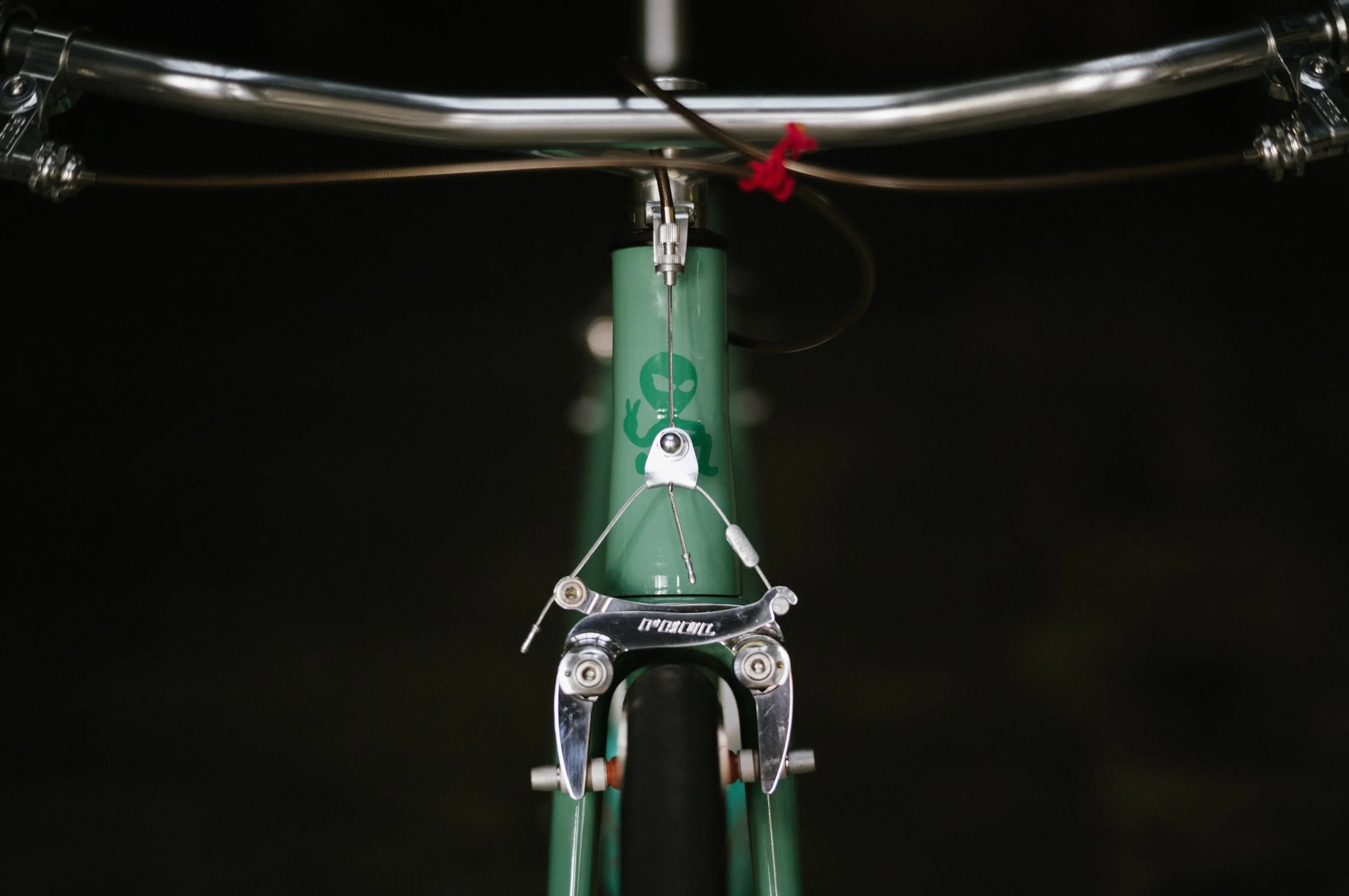
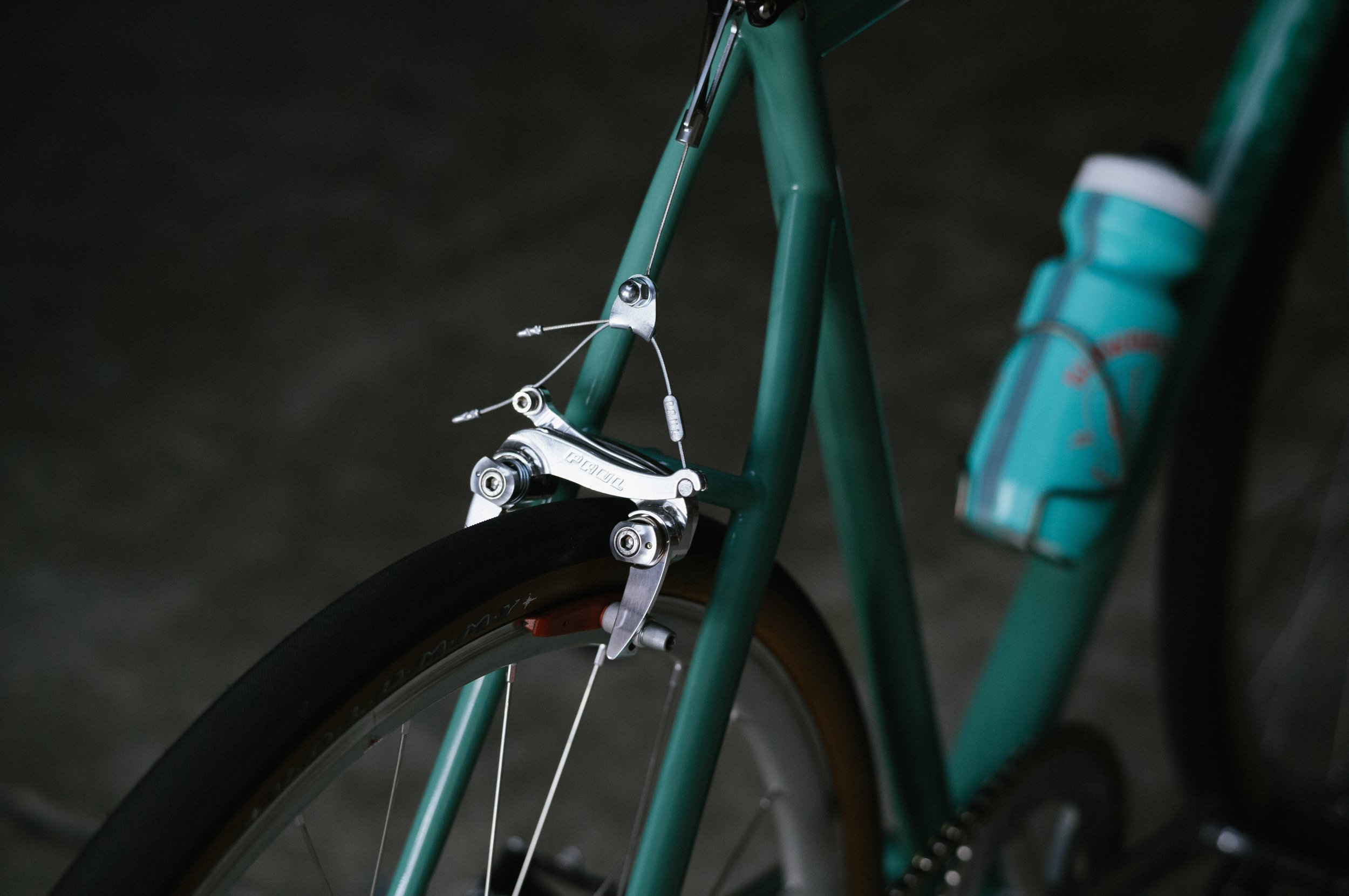
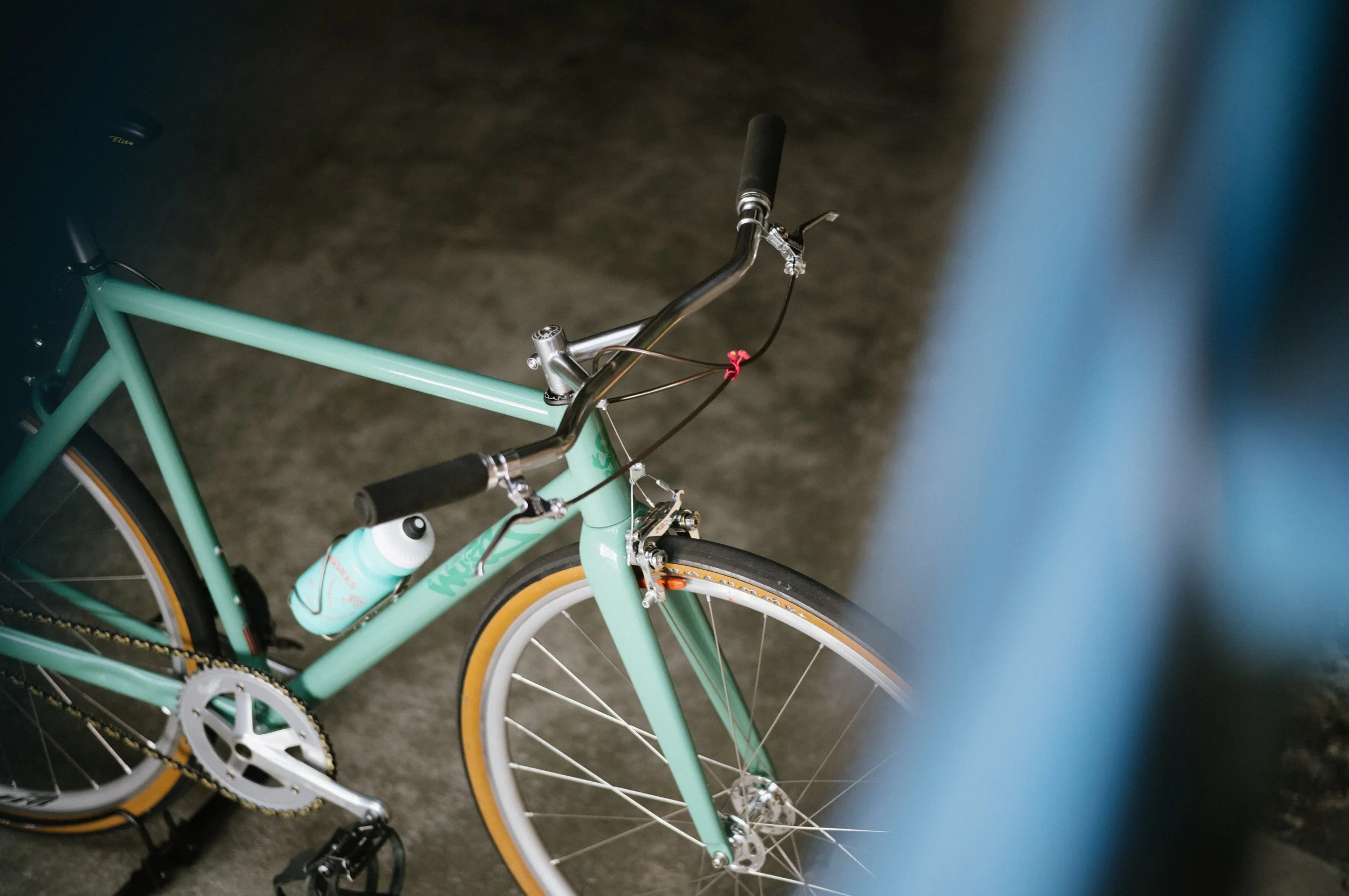
Brakes! Let’s talk about them. Because we decided to test-ride this prototype in Japan first, it had to comply with local traffic laws. As you may know, that means running both front and rear brakes, and the challenge was that, with 40mm tire clearance and a mandatory carbon fork, things got complicated pretty quickly. But we eventually found a solution using a pair of PAUL Racer center-pull calipers. The front setup was straightforward, made possible by the A-Frame carbon Tracklocross fork, which you may have already seen in my review of the A-Frame AllTrack. And for the rear, Cole came up with an absolutely wild custom bridge, somehow making this whole contraption work together.
Detailed Parts List
Frameset
Weis Tracklocross Prototype
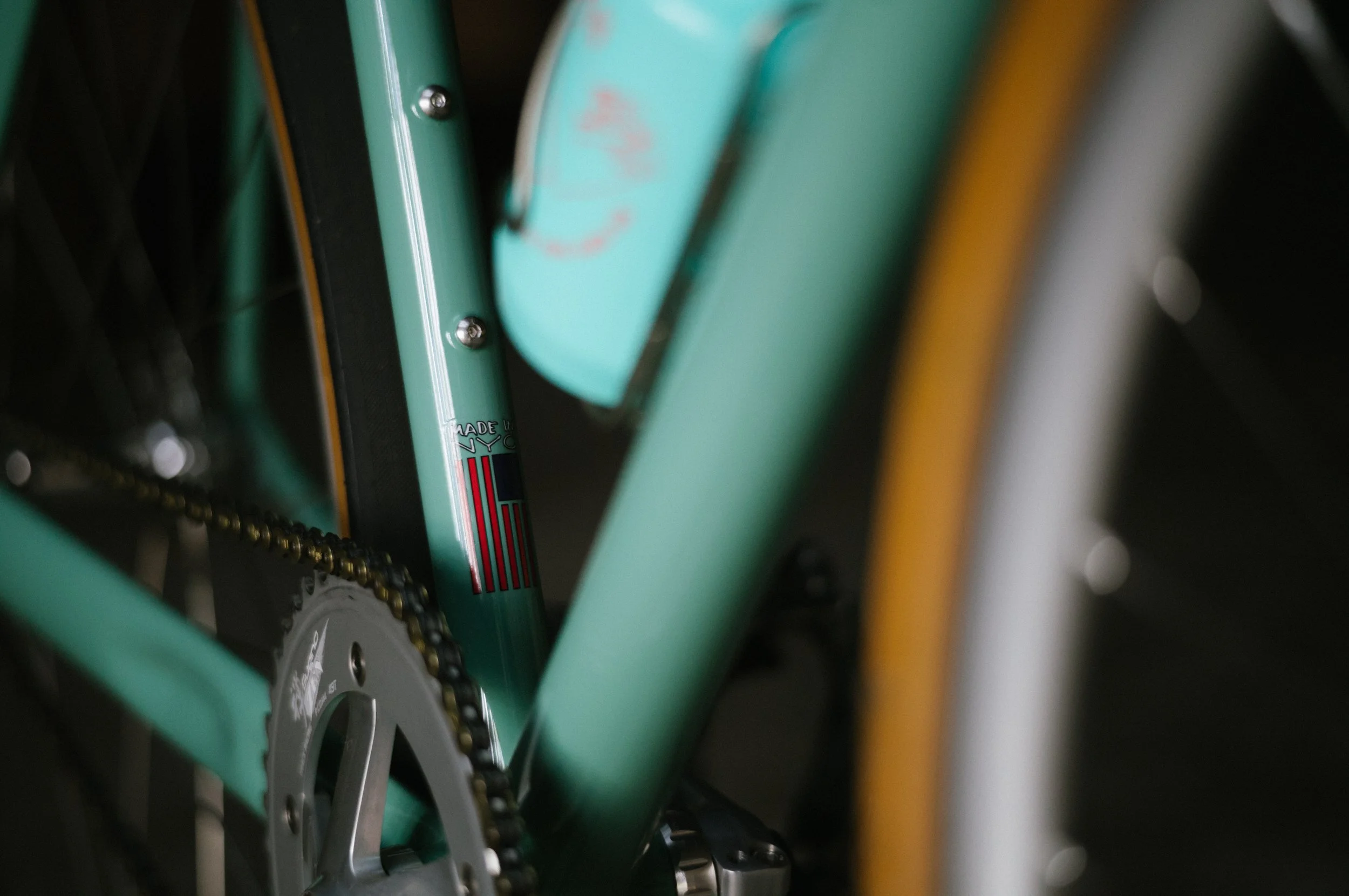
Chainring and Cog 43T Sugino Zen, 17T Cog
Crank Sugino 75 DD2
Seatpost and Saddle
SimWorks Froggy pos, Flite Titanium.
Handlebar
SimWorks Still Cruisin’
Wheels
Paul Hubs laced to Velocity Quill, SimWorks Volummy 38mm
Brakes
Paul Racer Calipers
Paul Love Levers
The front and rear center-pull brakes were easily sorted thanks to a Nitto column spacer / cable hanger up front, and a SimWorks “Hanging Brake Cable Housing Stop” at the rear. The internal cable routing, paired with PAUL calipers and levers, resulted in a clean setup with a super effective and responsive braking feel. This is also thanks to the team at Circles Tokyo, who helped build the bike and dial everything in perfectly. So a big thanks to them!
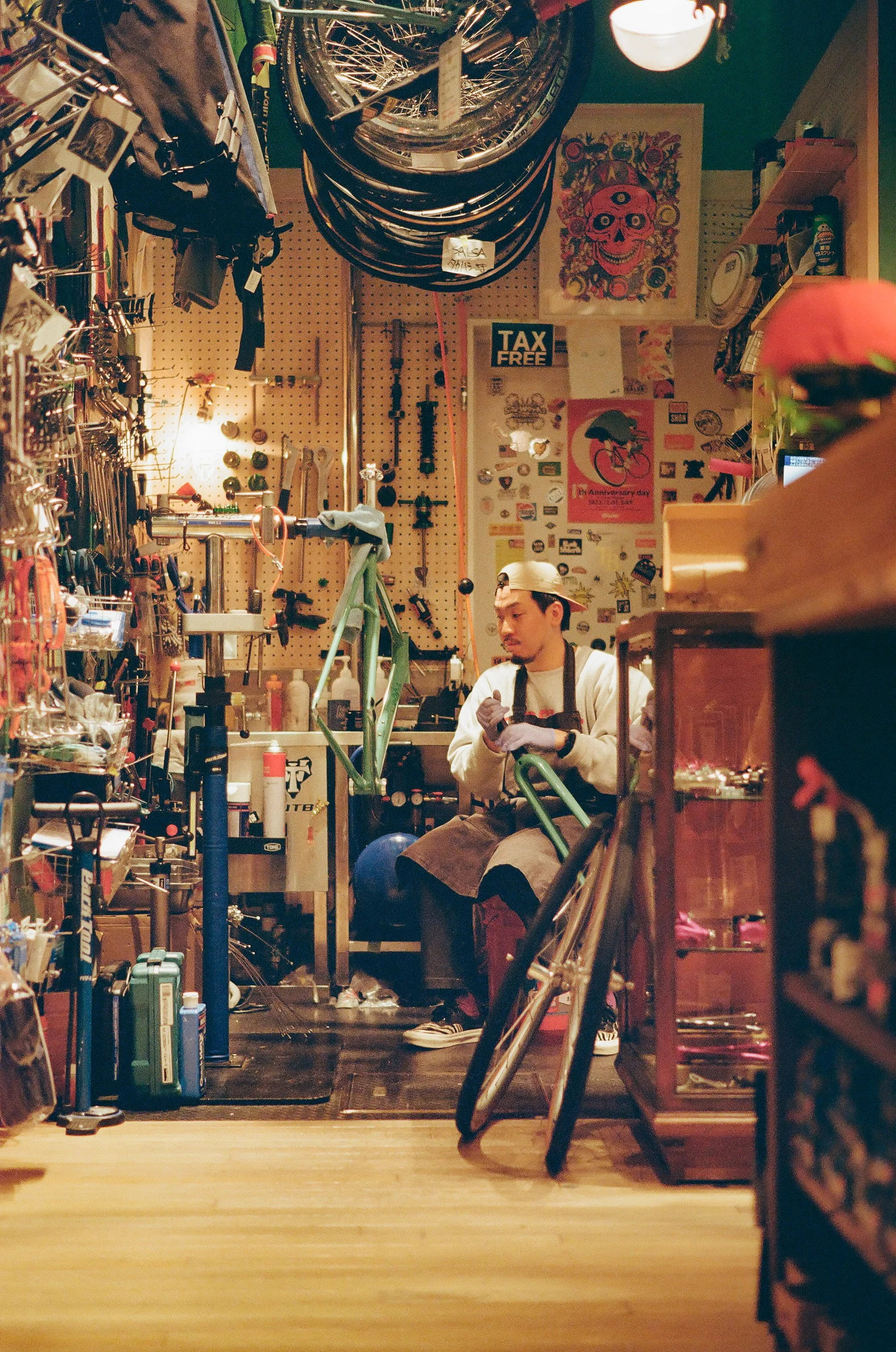

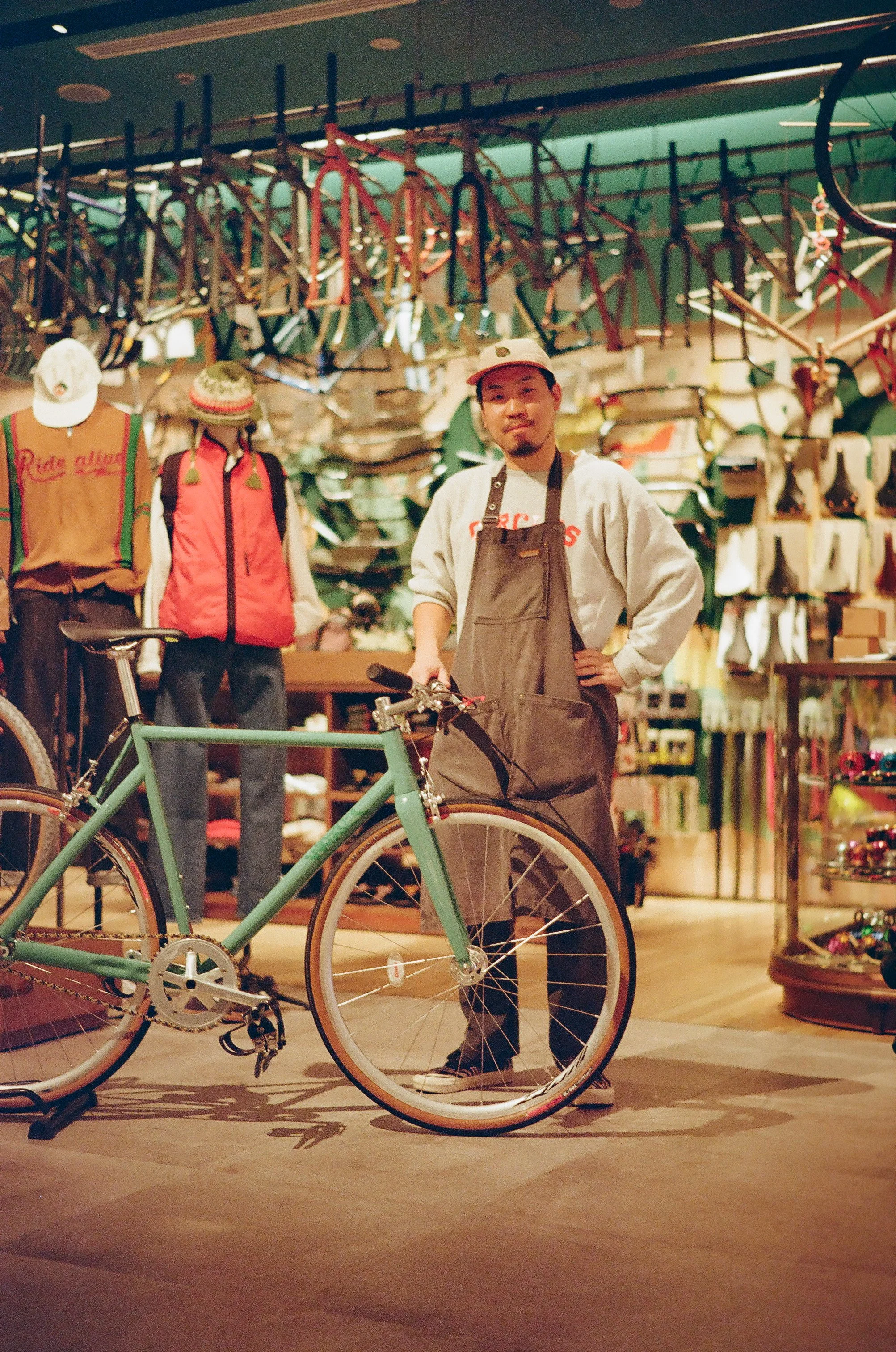
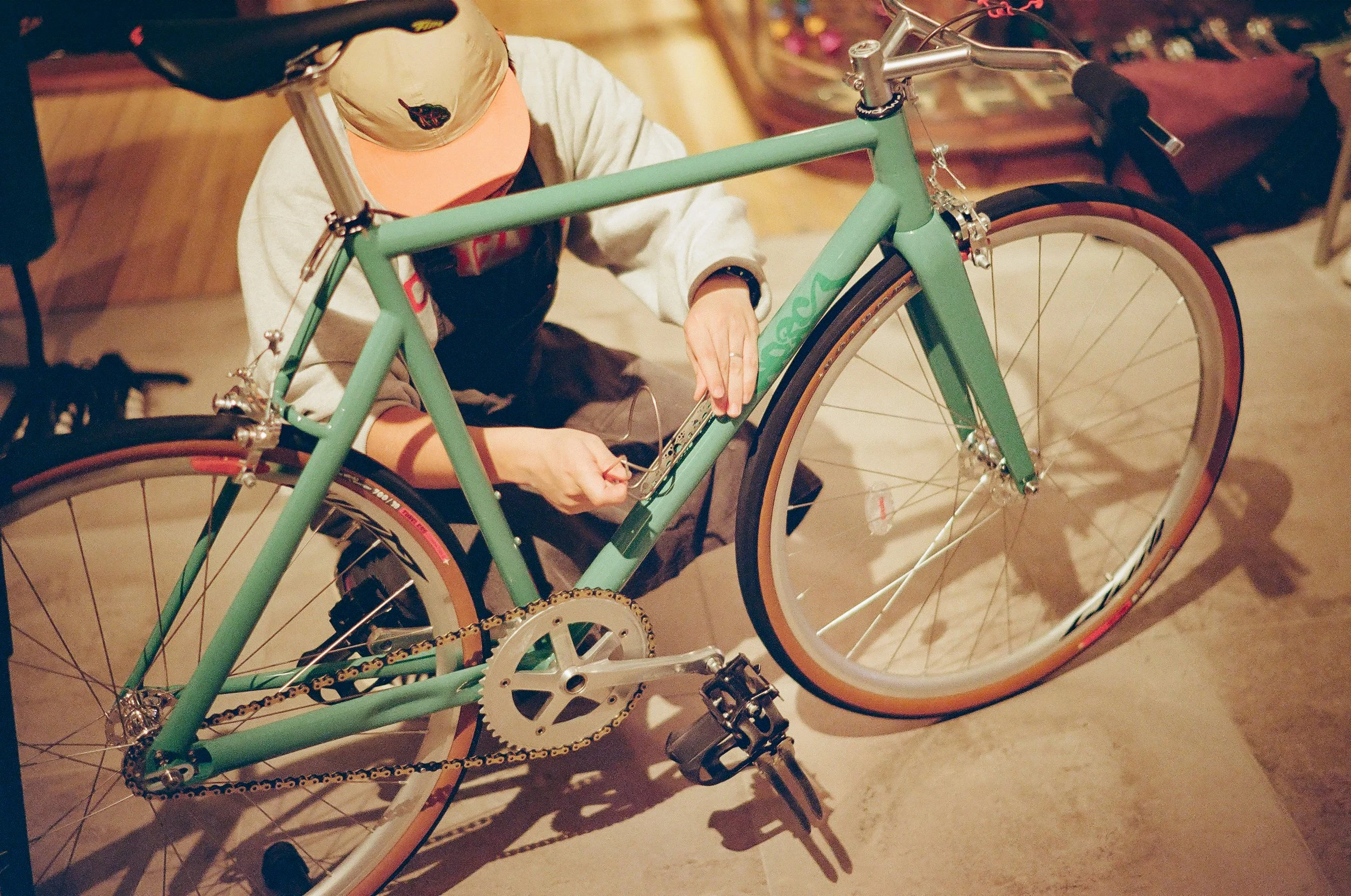
Shot on Kodak Color Plus 200
So, how does it ride?
Well first, keep in mind that we’re still tweaking a few things, but if you’ve ever read my reviews of Weis bikes on the Track Frame Scoring Board, you already know what I mean when I say: “It rides like a Weis.”
It’s stiff, incredibly responsive, and very much made for the streets. As much as we tried to give it a cute look (which I think we pulled off pretty well), the bike was clearly asking for a more aggressive position and harder riding. The rear feeling like it’s literally kicking you with every pedal stroke.
And while keeping momentum isn’t this bike’s specialty, I had a lot of fun riding it around. Since I only had it for a few weeks, I didn’t want to scratch it too much, which ultimately kept me mostly on the road rather than on the trails. But remember when I said that the A-Frame AllTrack was a dedicated tracklocross bike perfectly happy doing slow city commutes? This Weis Tracklocross prototype, which was built for a very similar use, felt more like an invitation to go hard on short, intense rides.
Overall, I think it’s a platform with real potential, and I’m very much looking forward to seeing how people will build their own versions of this new Tracklocross variant in the Weis lineup.
Personally, I think it will especially suit riders who enjoy very rigid bikes or those with a high power output who will be able to fully exploit everything this frame has to offer.
Now onto the film! Harman Phoenix II is a completely new emulsion with with redesigned layers, dyes, and couplers.
It’s supposed to have finer grain and increased sharpness, but as you can see, grain is still very much present, and we’re unmistakably still in the realm of experimental film. I would recommend overexposing it by at least one stop, because, believe it or not, these shots were taken on a bright morning with not a single cloud in sight. Color-wise, even if it tends to lean toward greenish tones, it feels more reliable than the original Phoenix film. I think I’ll eventually try a second roll, but I’ve included a couple more shots here so you can get a better sense of how this film behaves both indoors and outdoors.
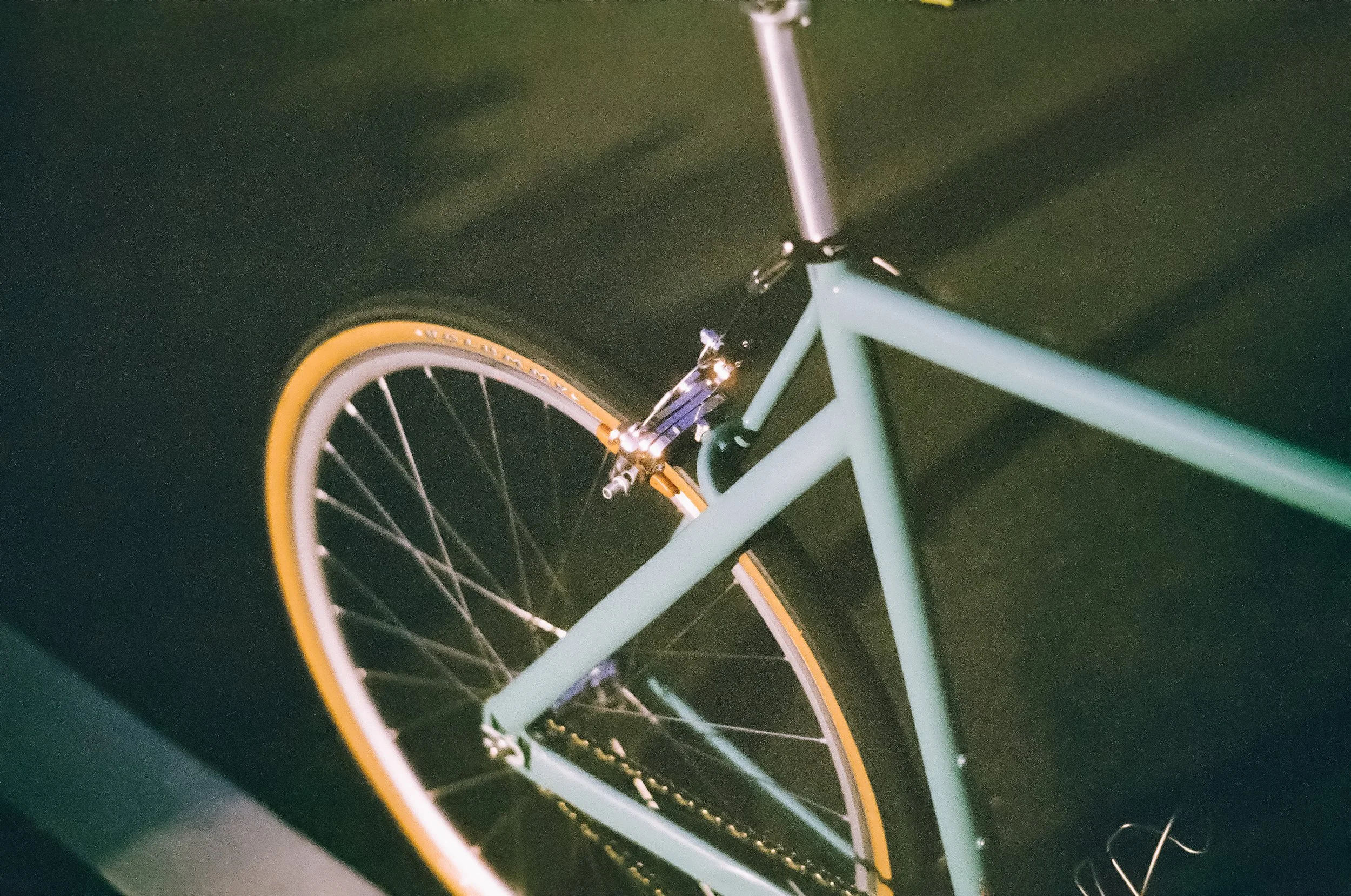
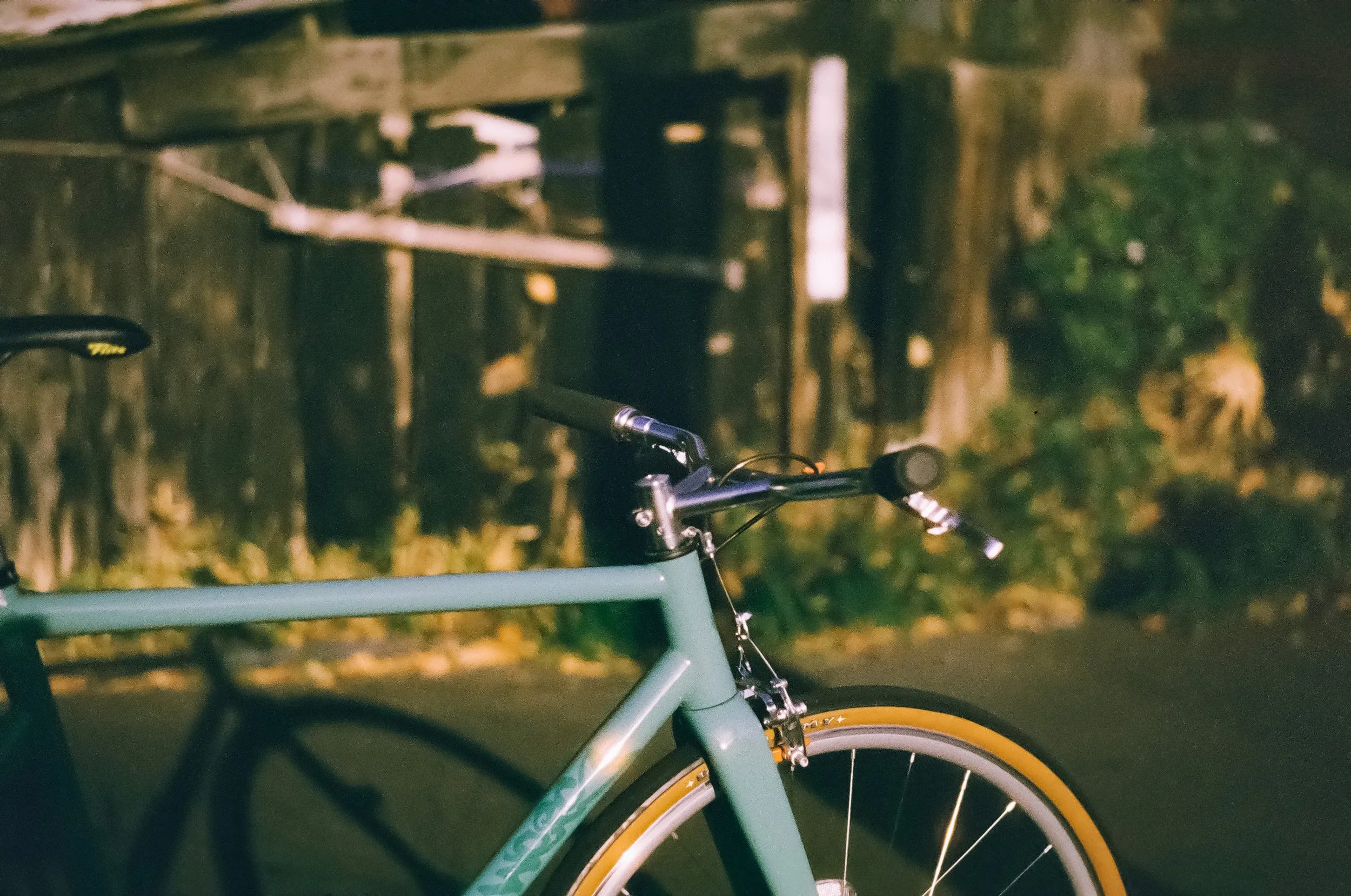

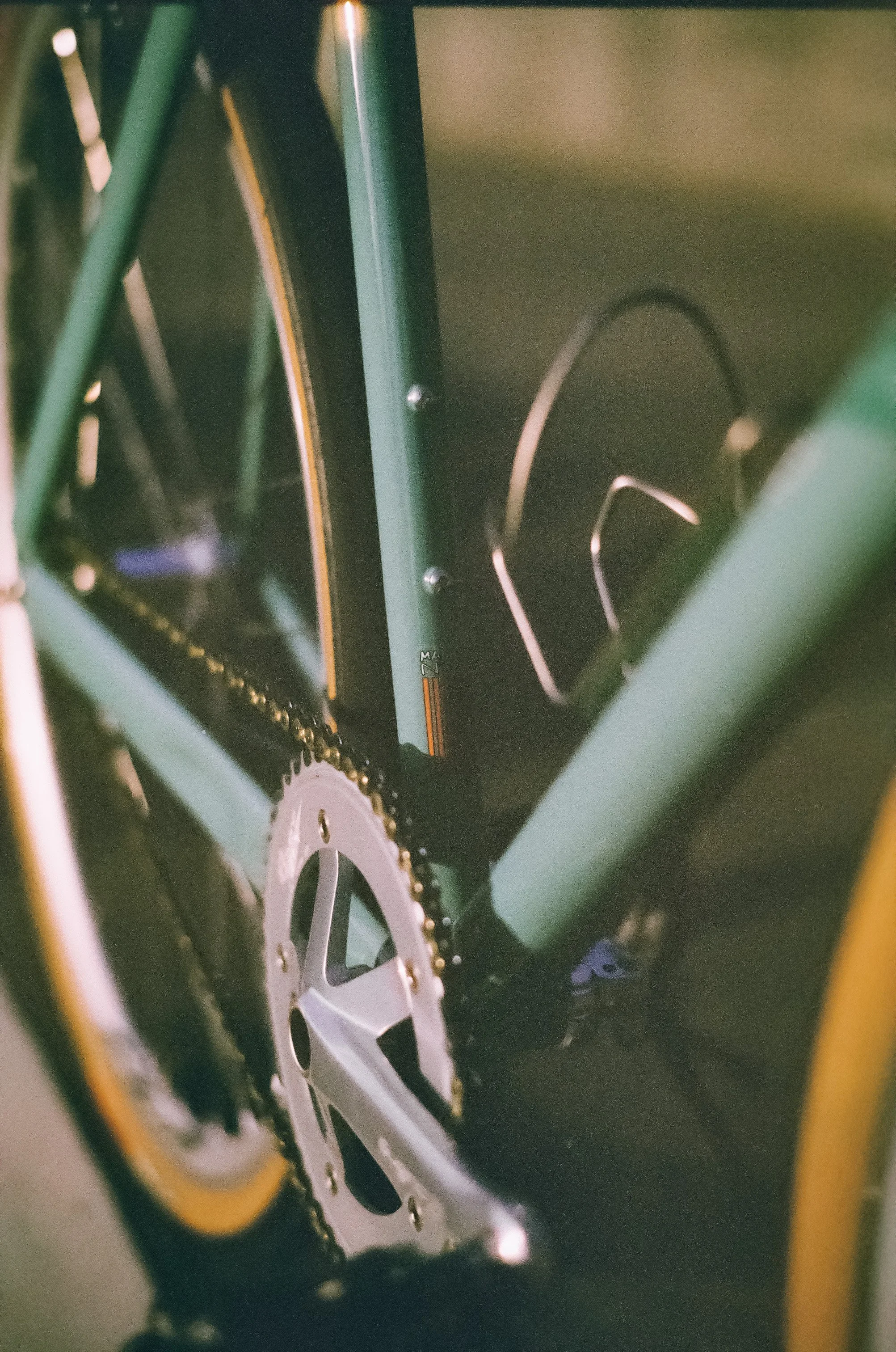

Finally! Because yes, sometimes I do learn from my mistakes, I shot a few backup images on my colleague’s Leica M10. So if you were also looking for some clean and precise shots, you’re in luck with the gallery below.
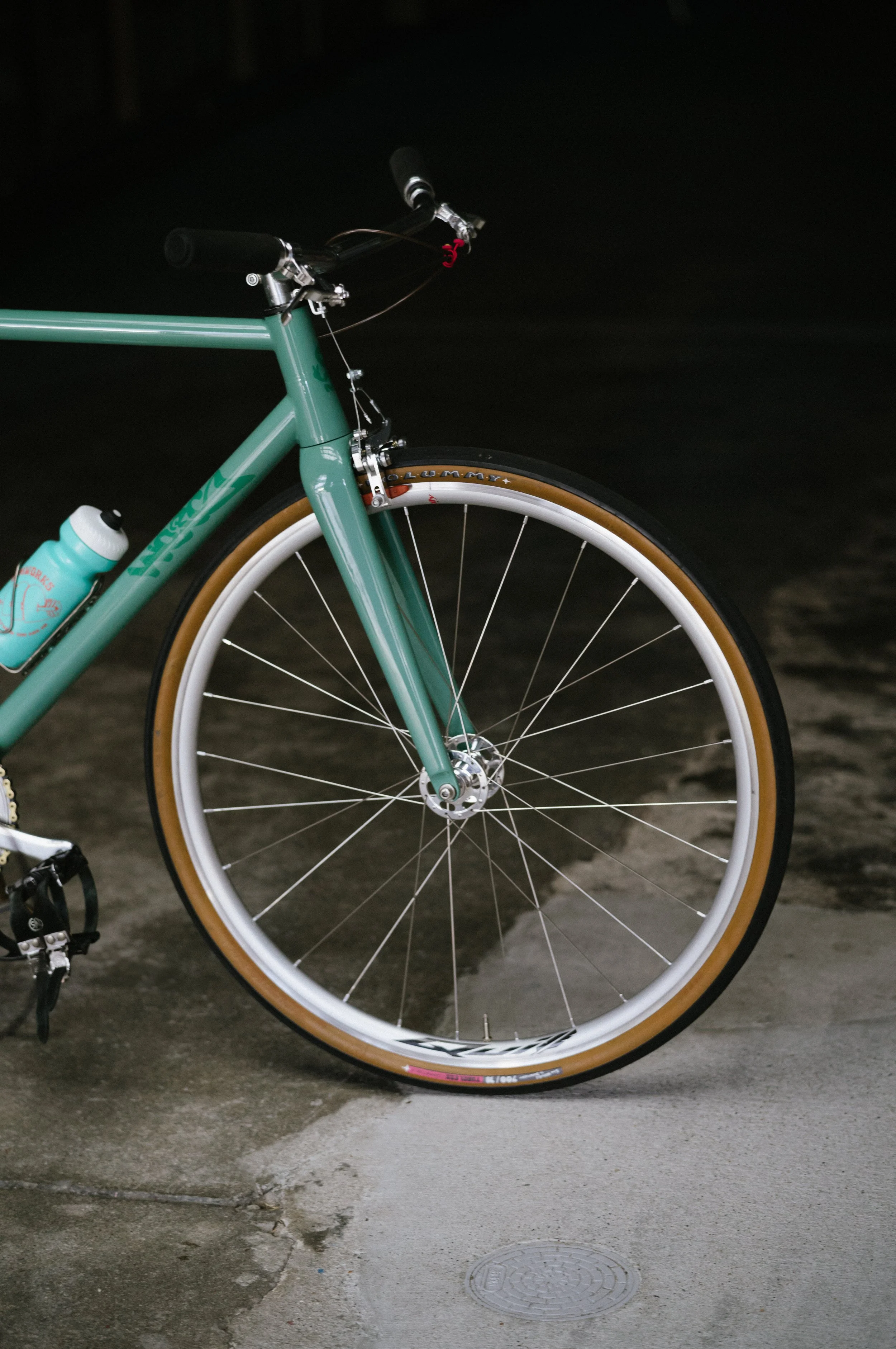
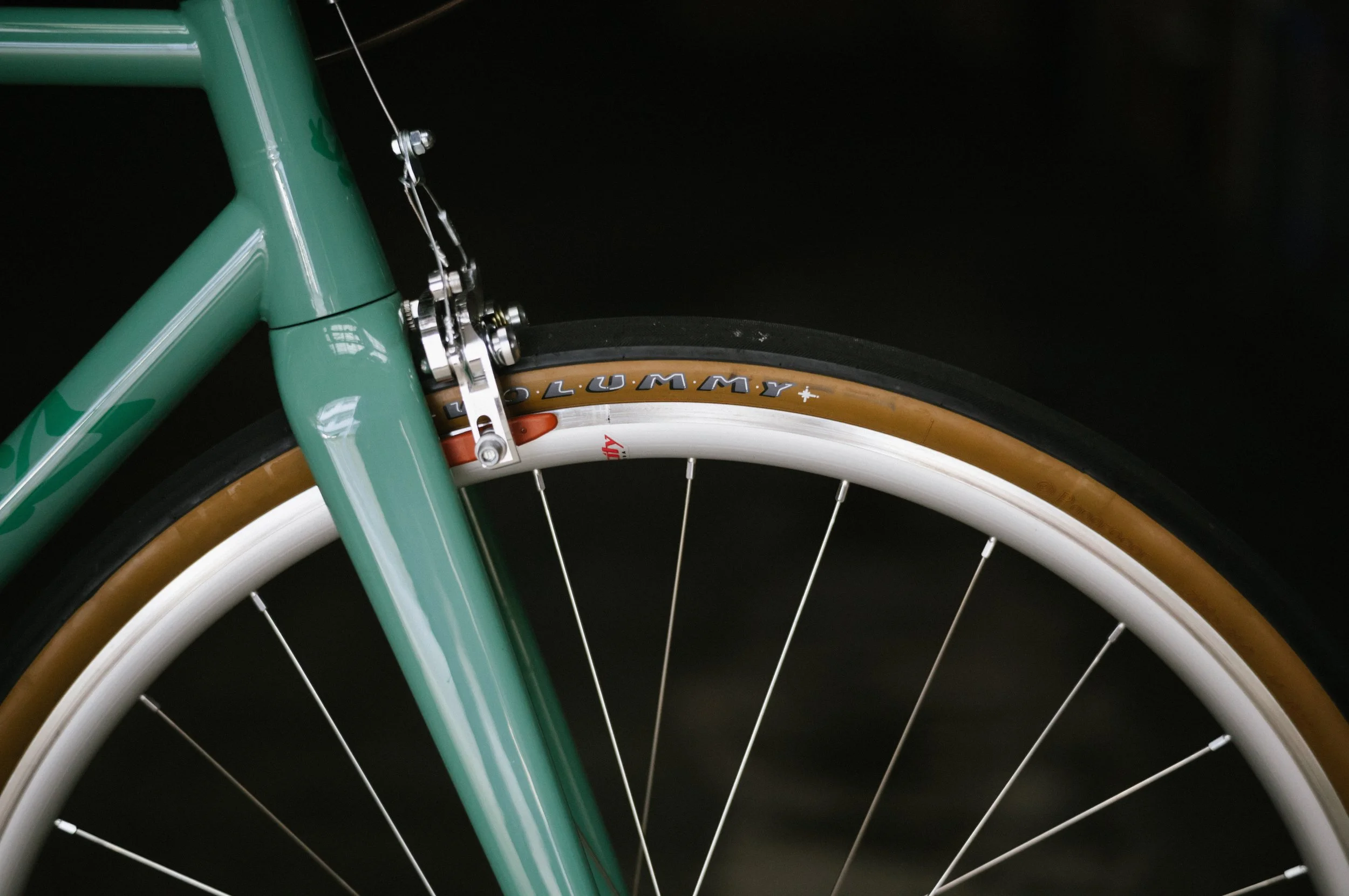
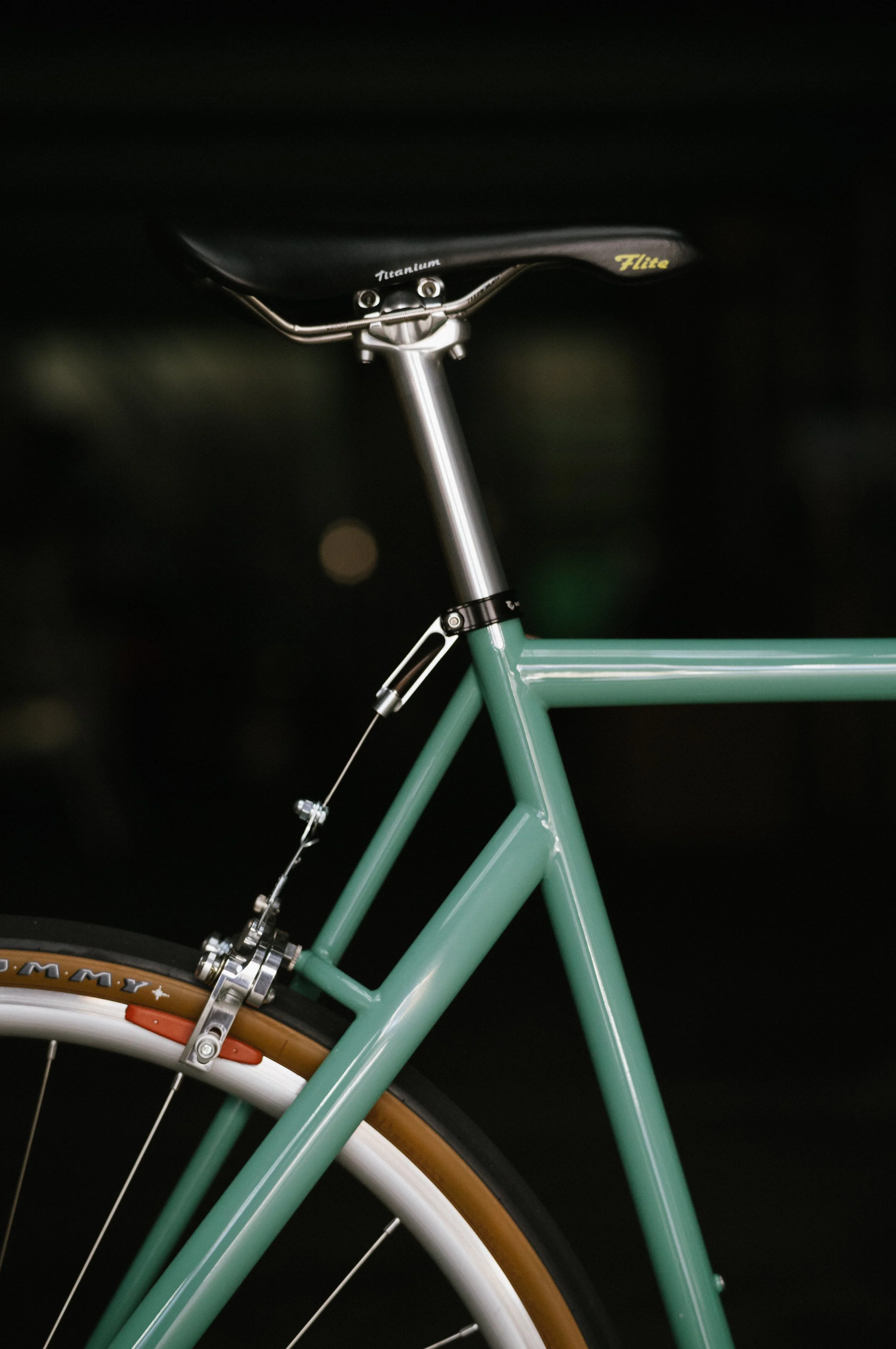
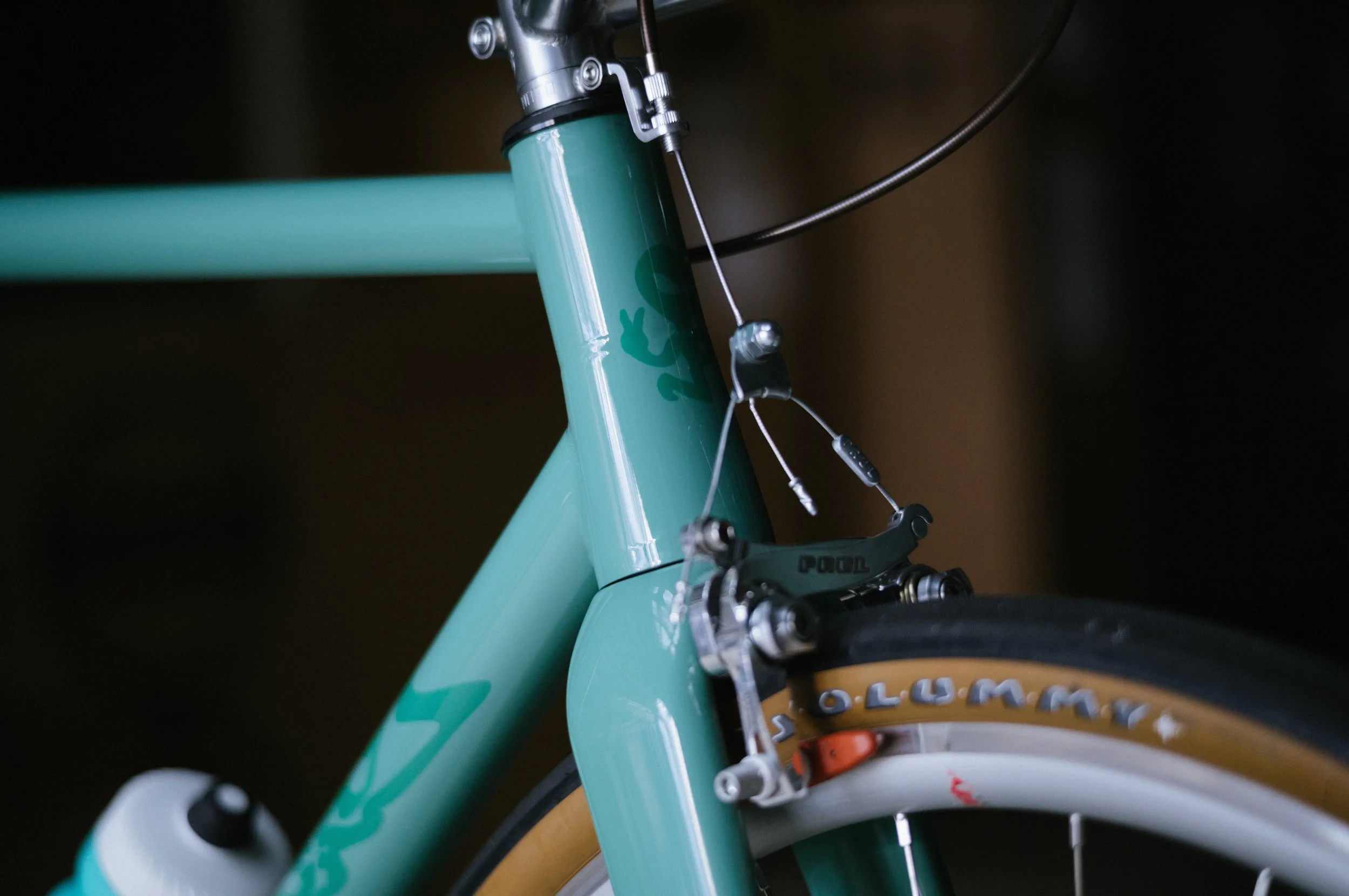
Imagine if I had access to a proper digital camera on daily basis….
🎞: Harman Poenix II
📷: Leica M6 / Leica M10
📍: Nagoya