Carbon wheels can feel like a saturated market. On one end sit the heritage racing brands with decades of peloton pedigree, and on the other, an endless array of OEM-made rims differentiated mostly by decals and how long you’ll have to wait to import them from Asia. Somewhere in between is Hunt, a British, direct-to-consumer brand that’s made some interesting moves since its humble start just over a decade ago. And while I was already a bit curious about the brand itself and happily surprised when they reached out to give me a tour of their Dresden facility just around Bespoked, I was also eager to do some digging and see for myself where land some of the marketing claims they are making.
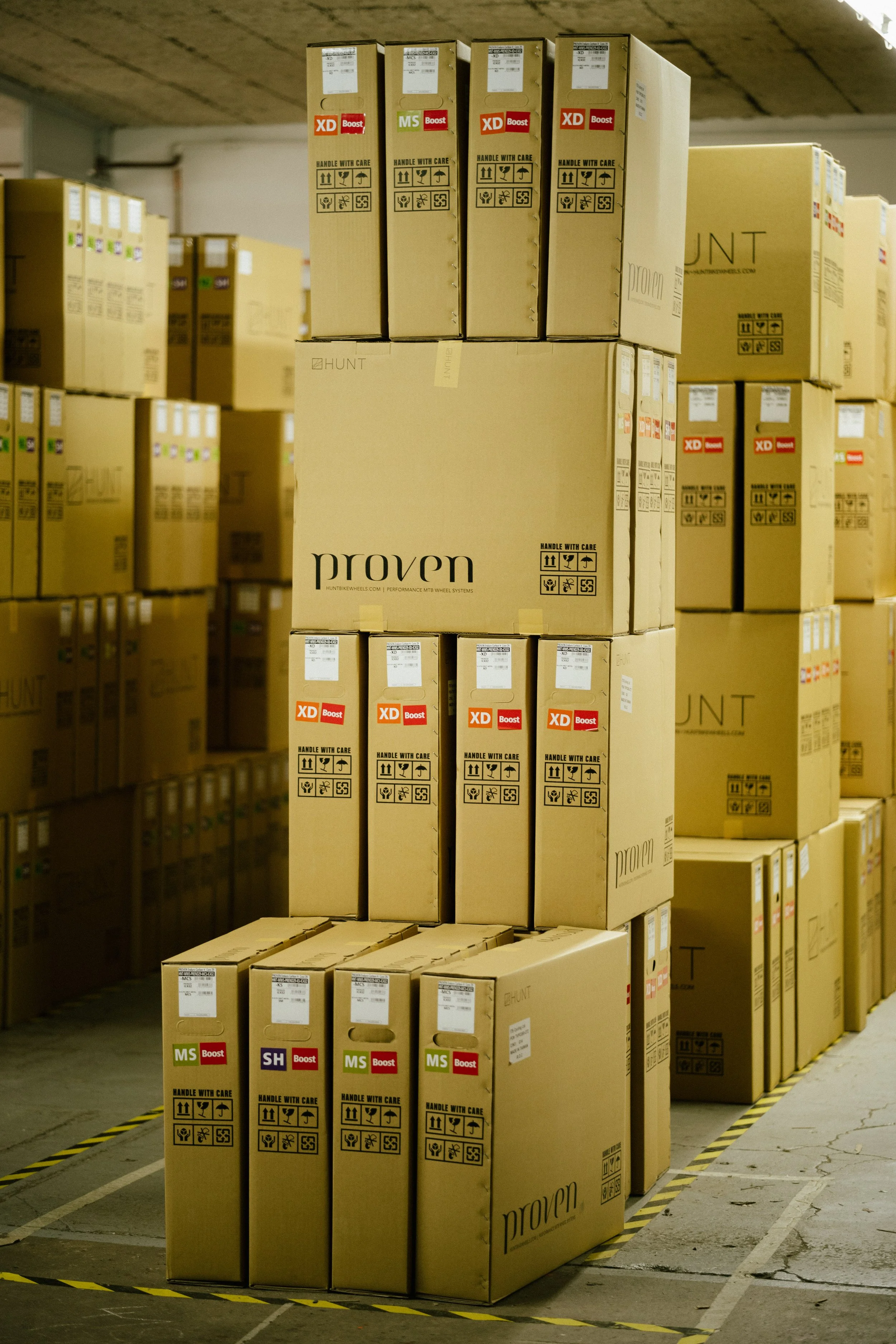
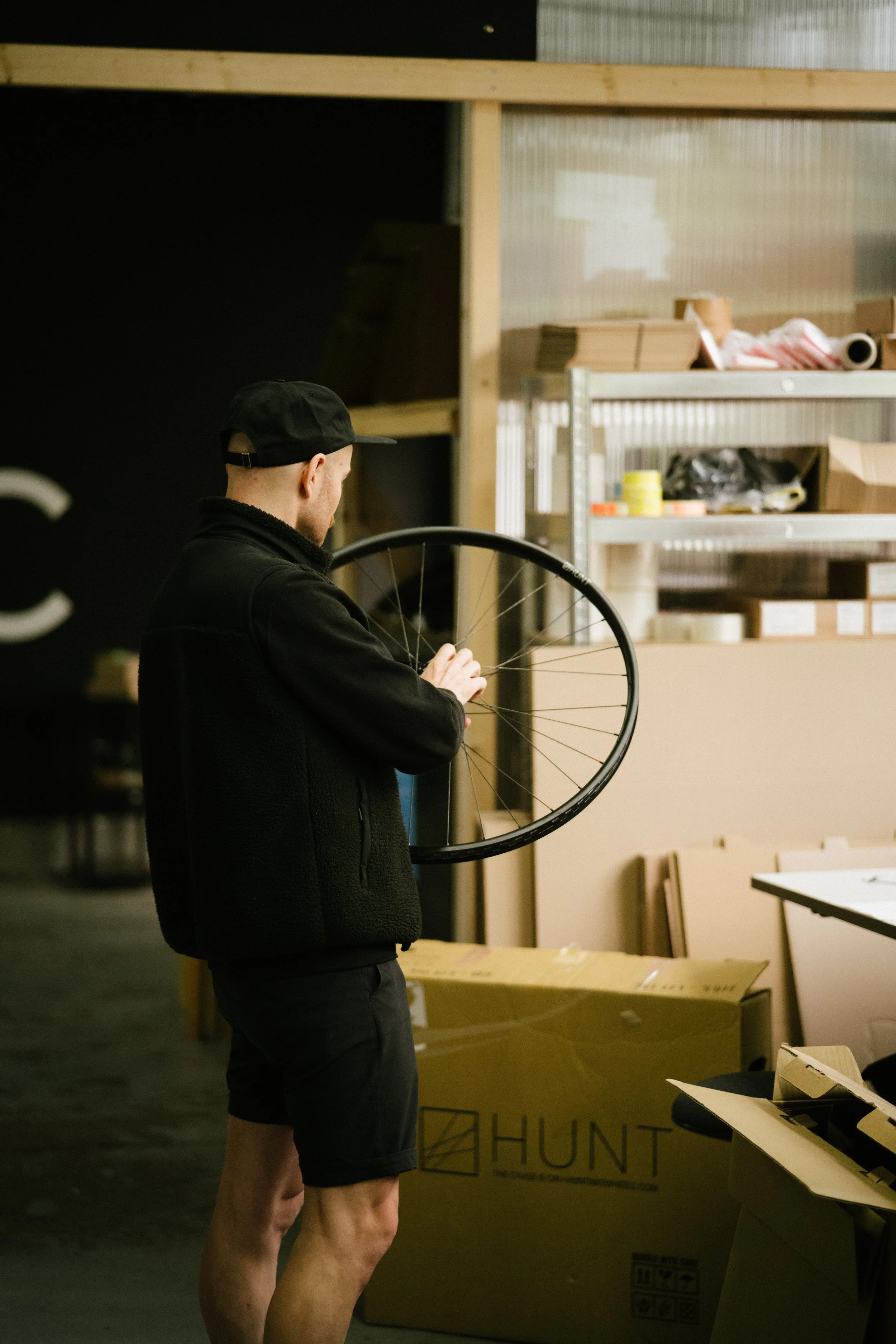
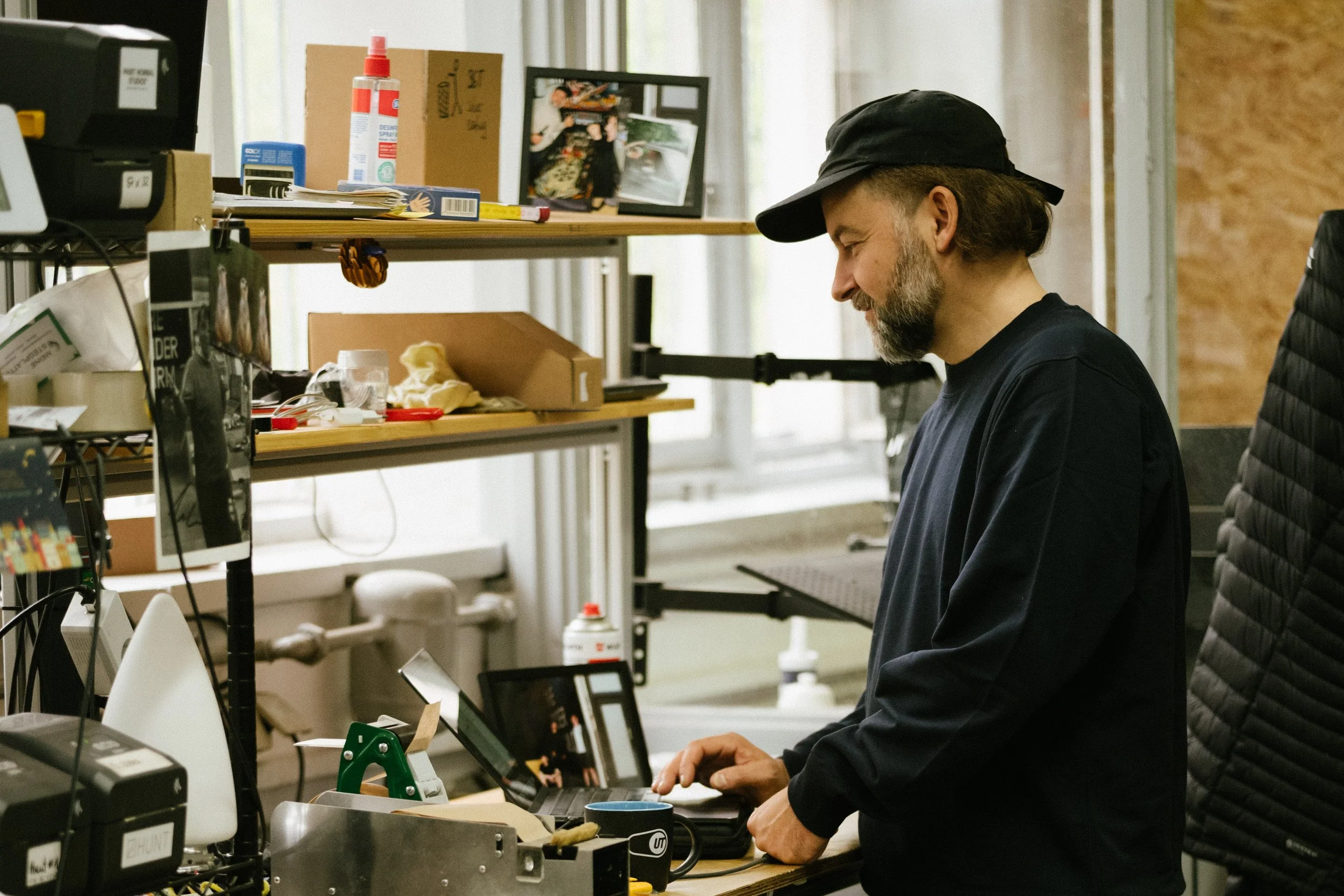
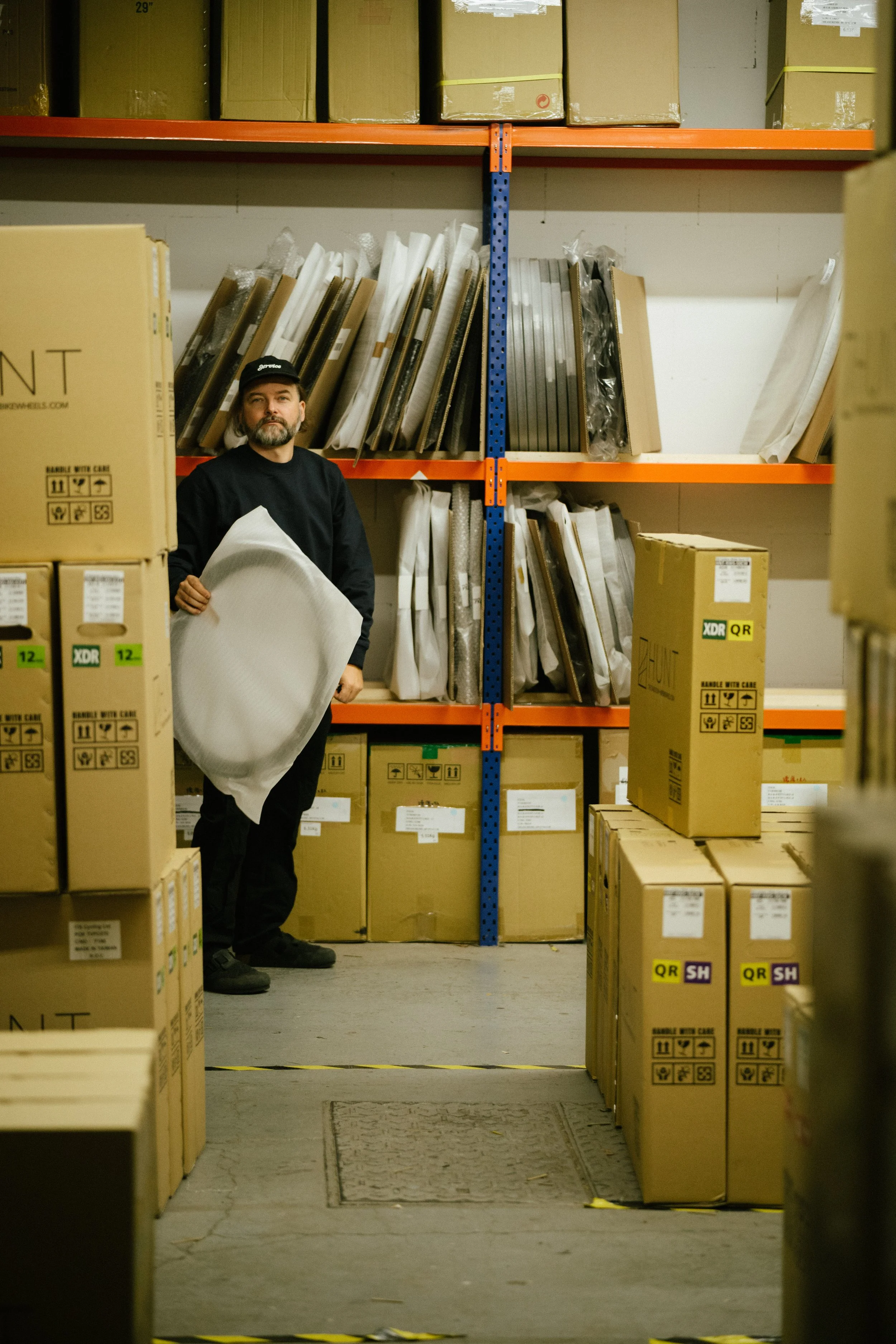
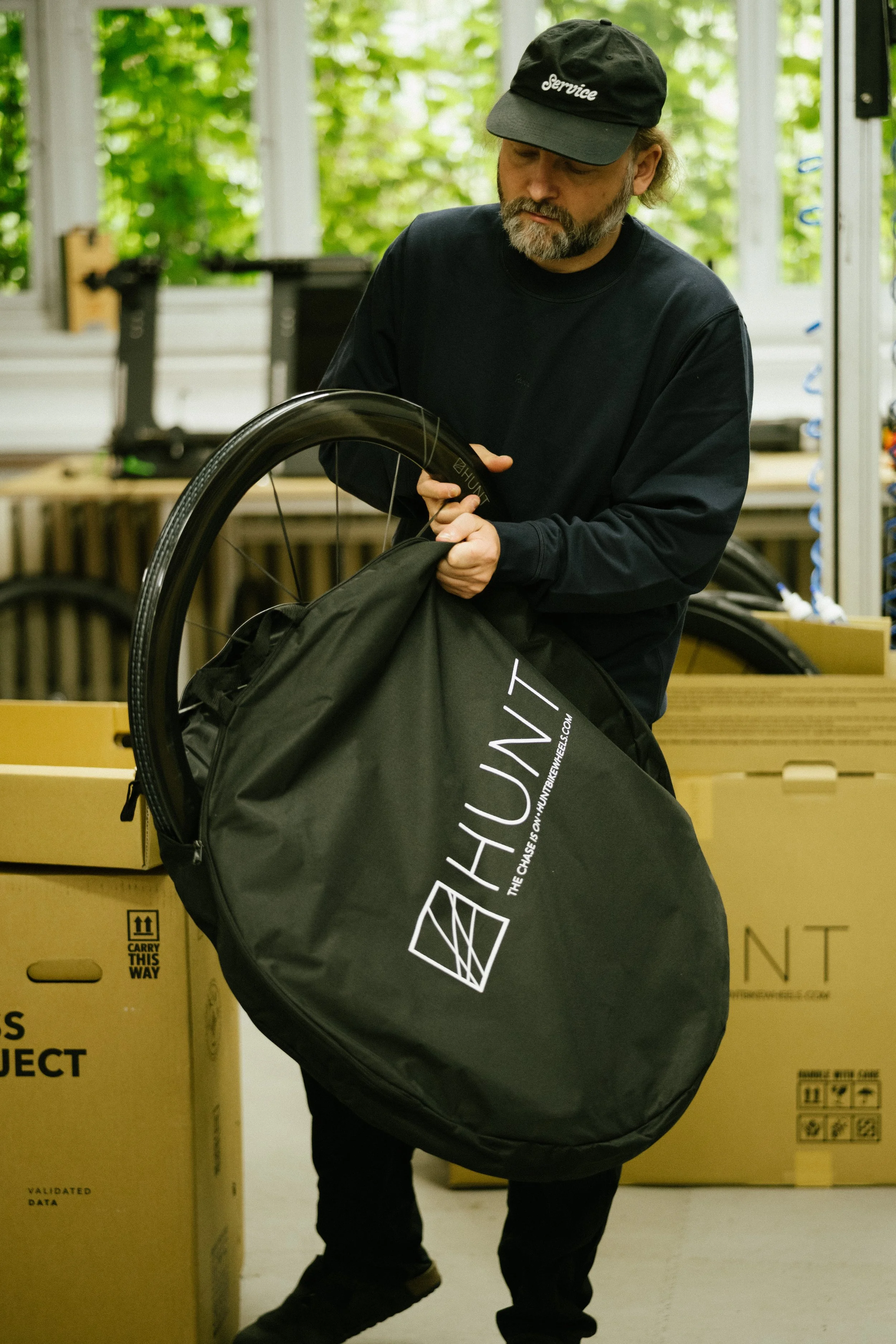
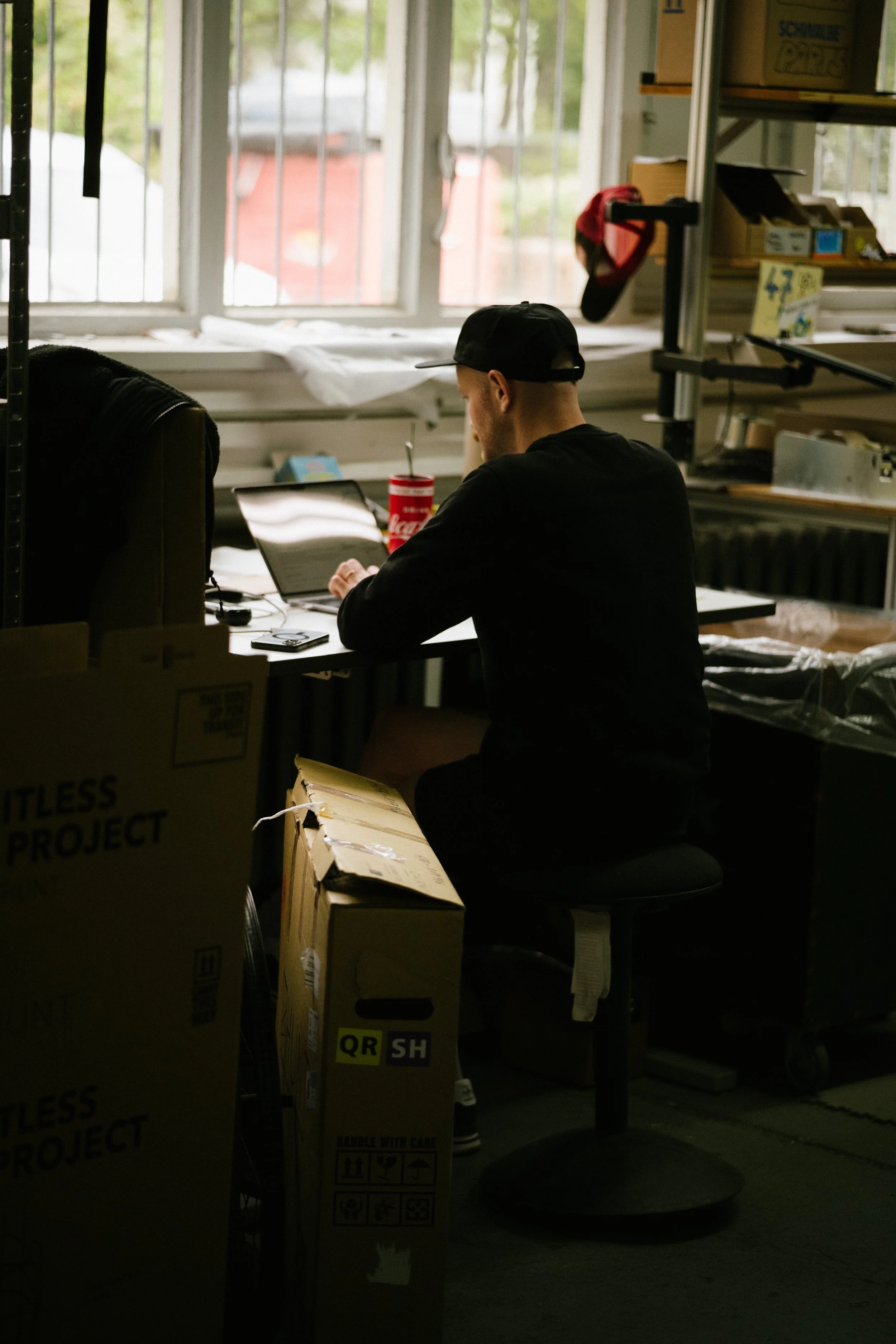
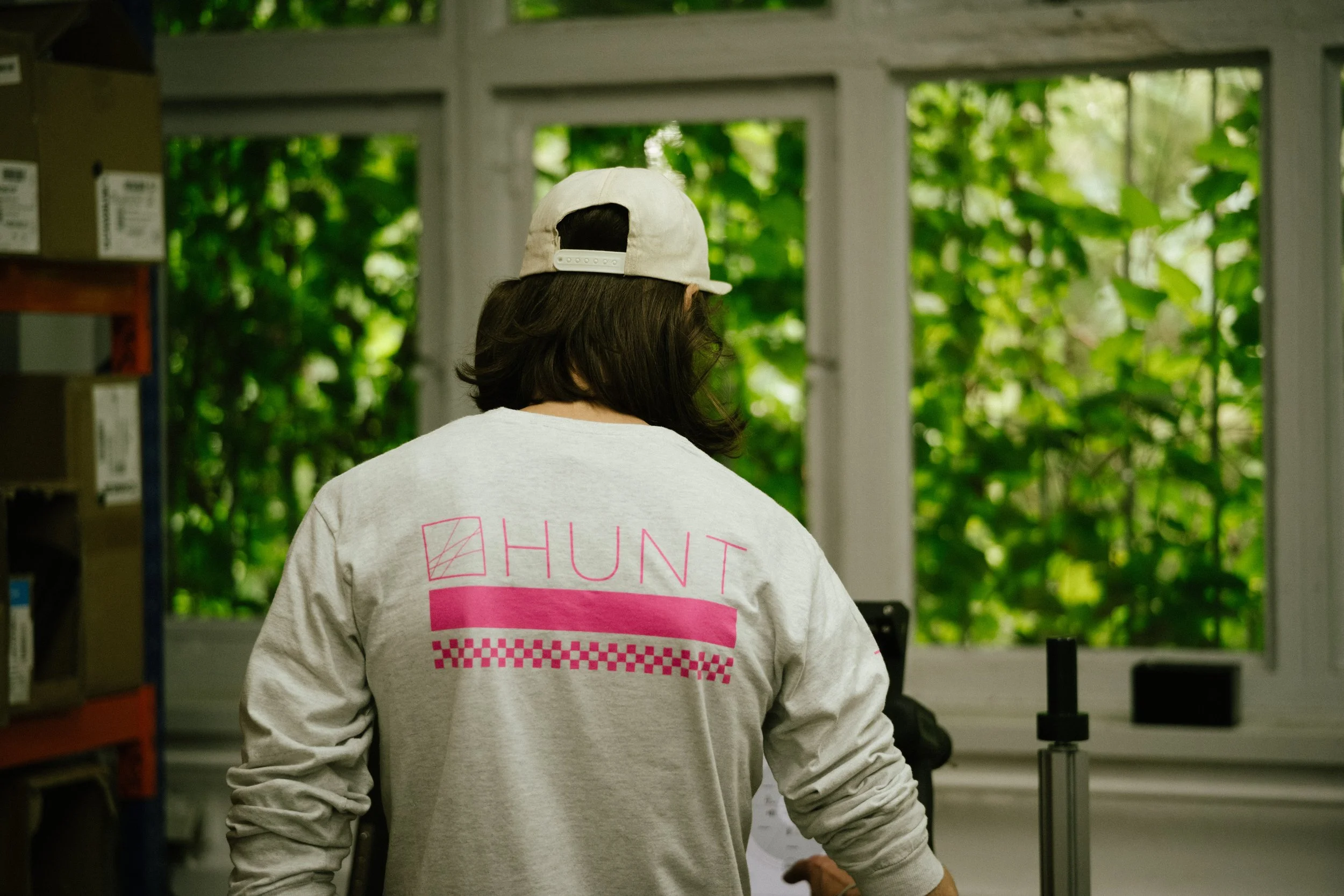
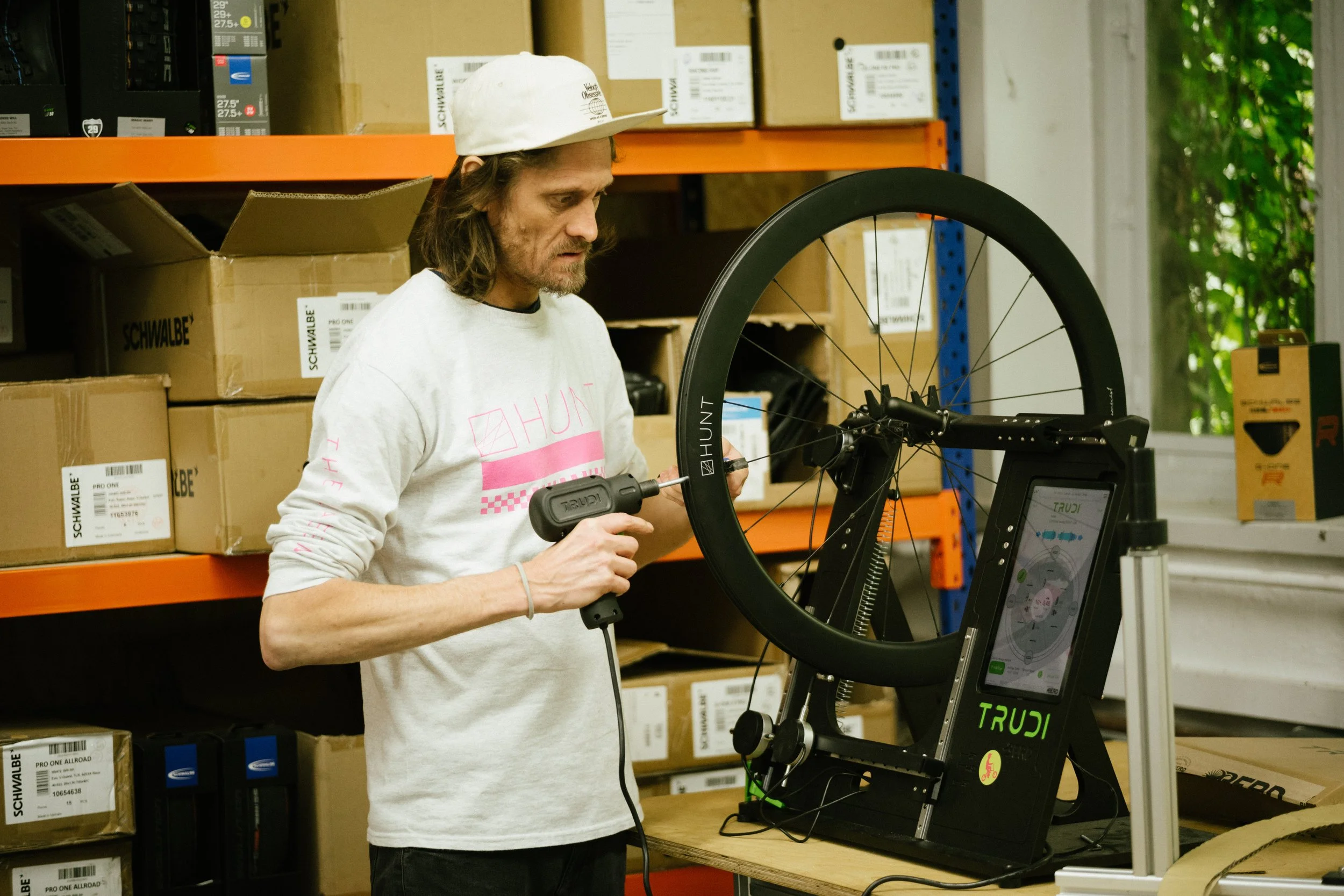
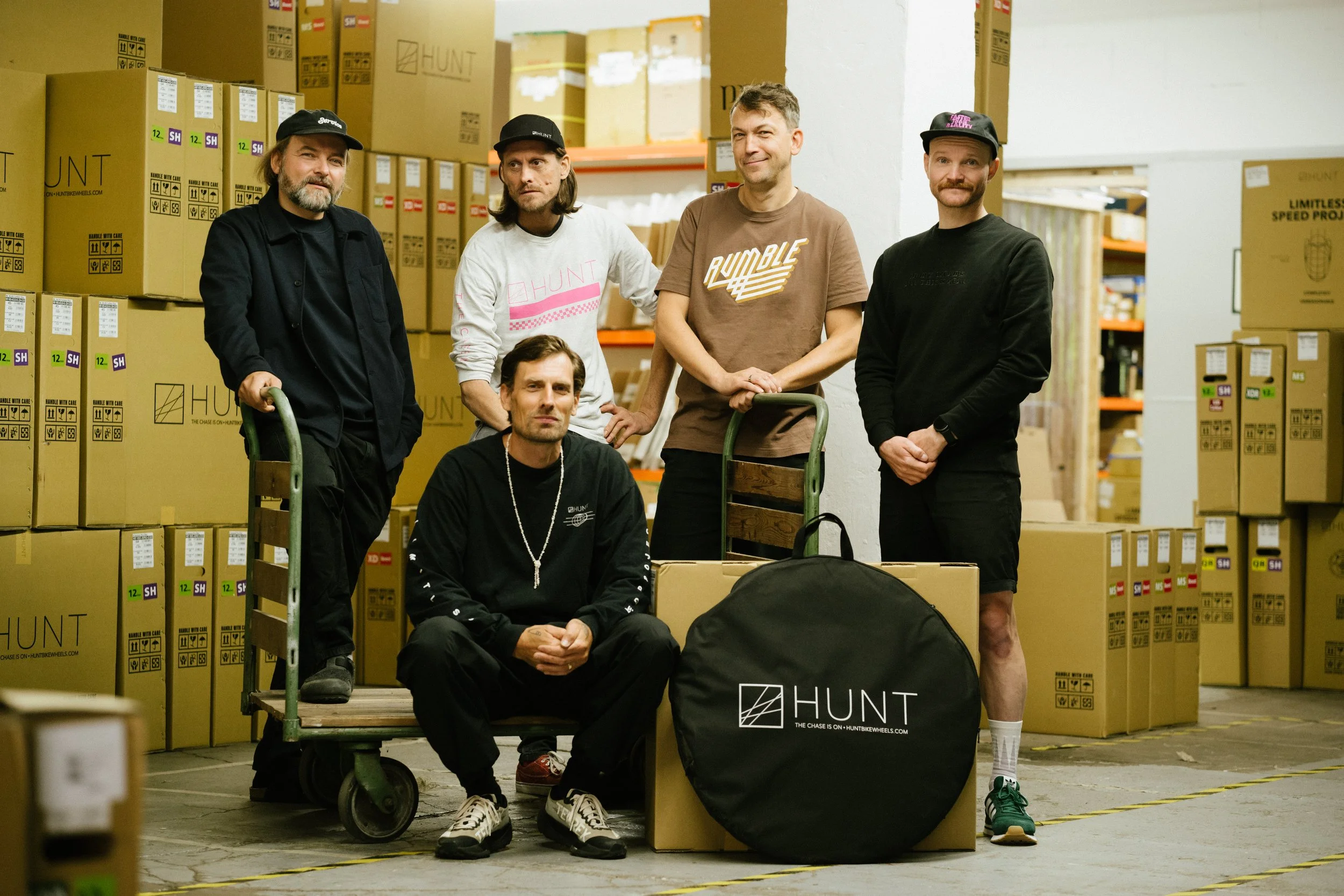
What’s surprised me first is how lean the operation really is. Hunt’s Dresden headquarters, which is responsible for the entirety of its European market (Because Brexit did its thing…), is run by a team of just five people. And that tiny crew handles everything from organizing events, answering rider emails, producing marketing content, and maintaining and repairing the wheels you’re actually riding.
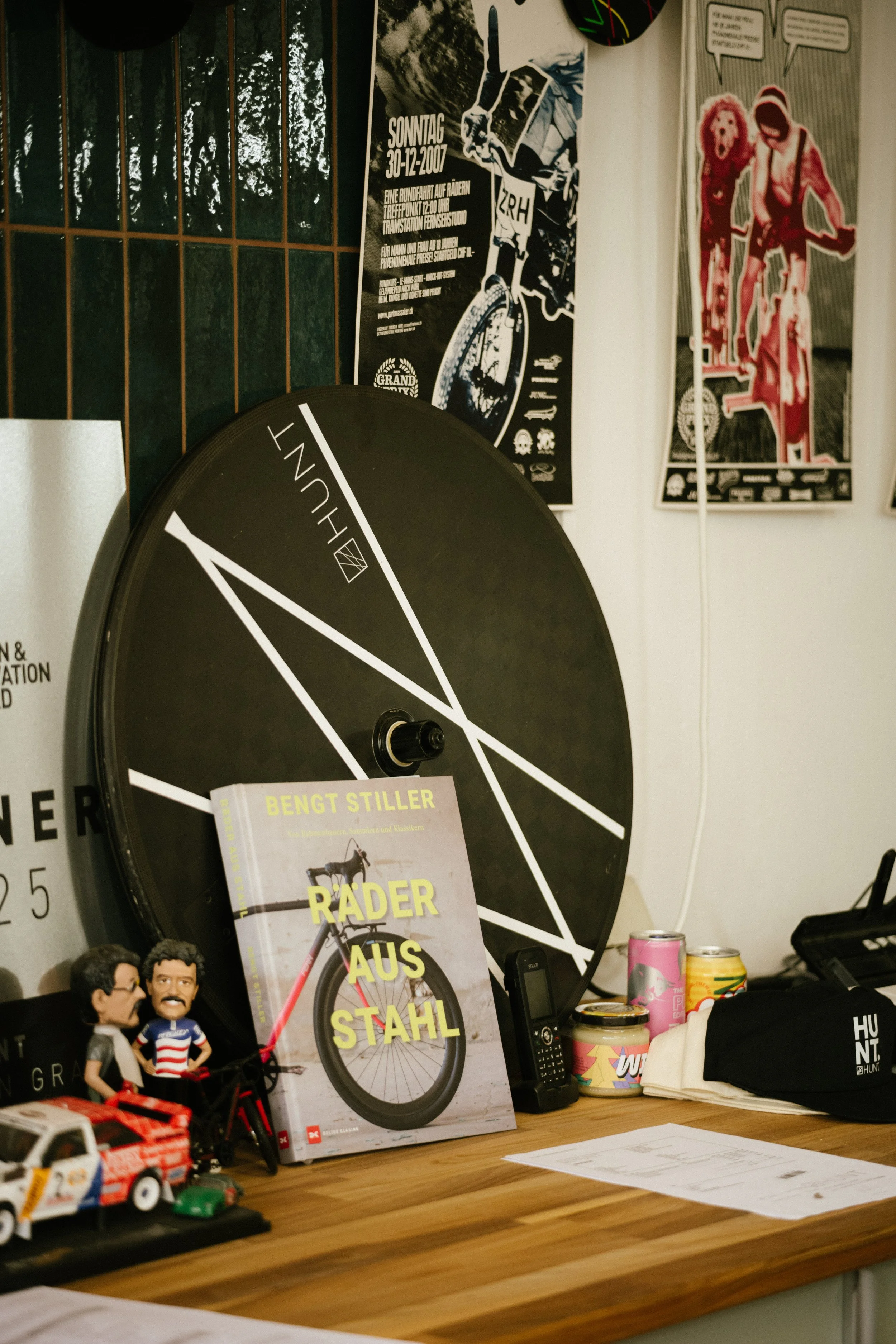
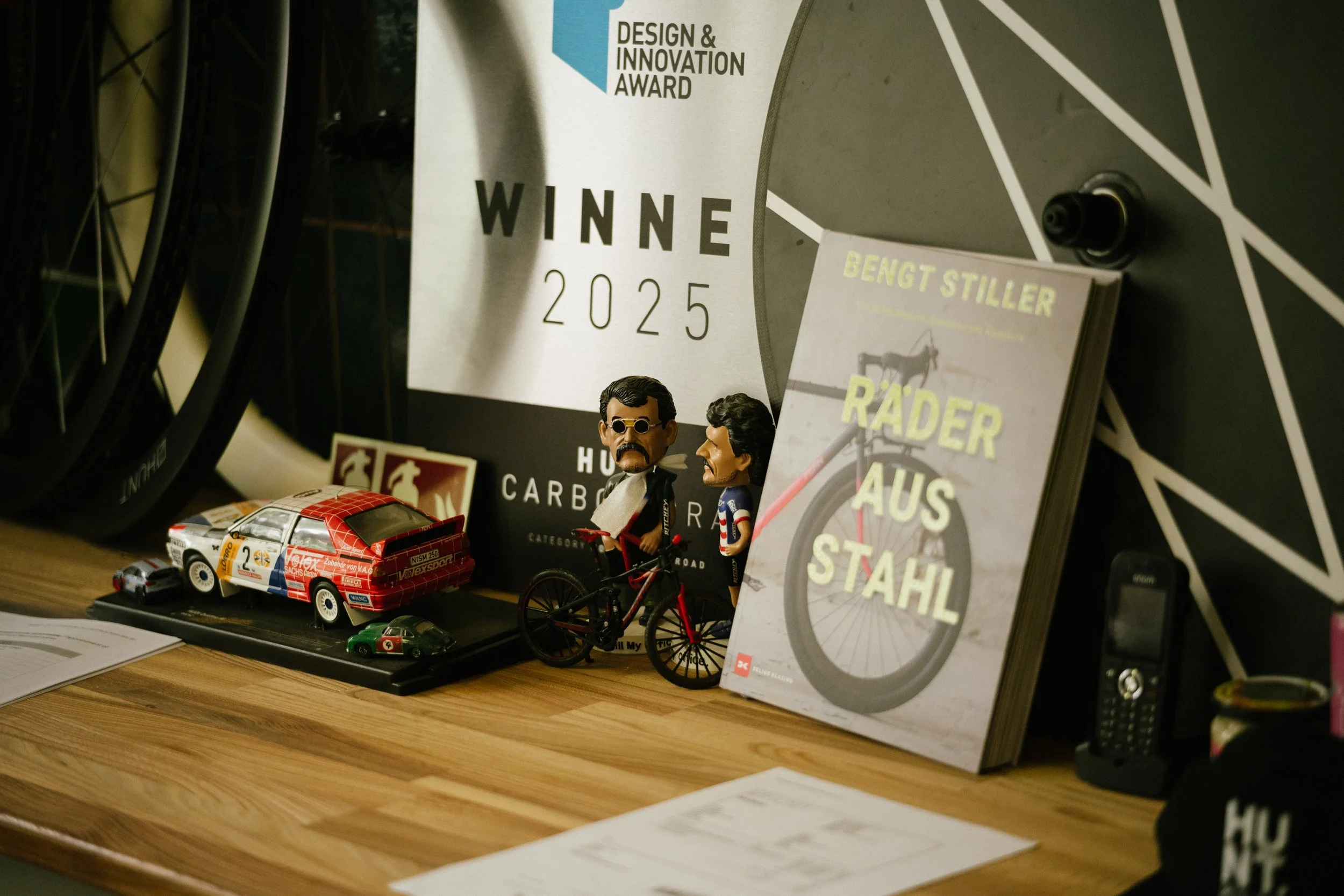
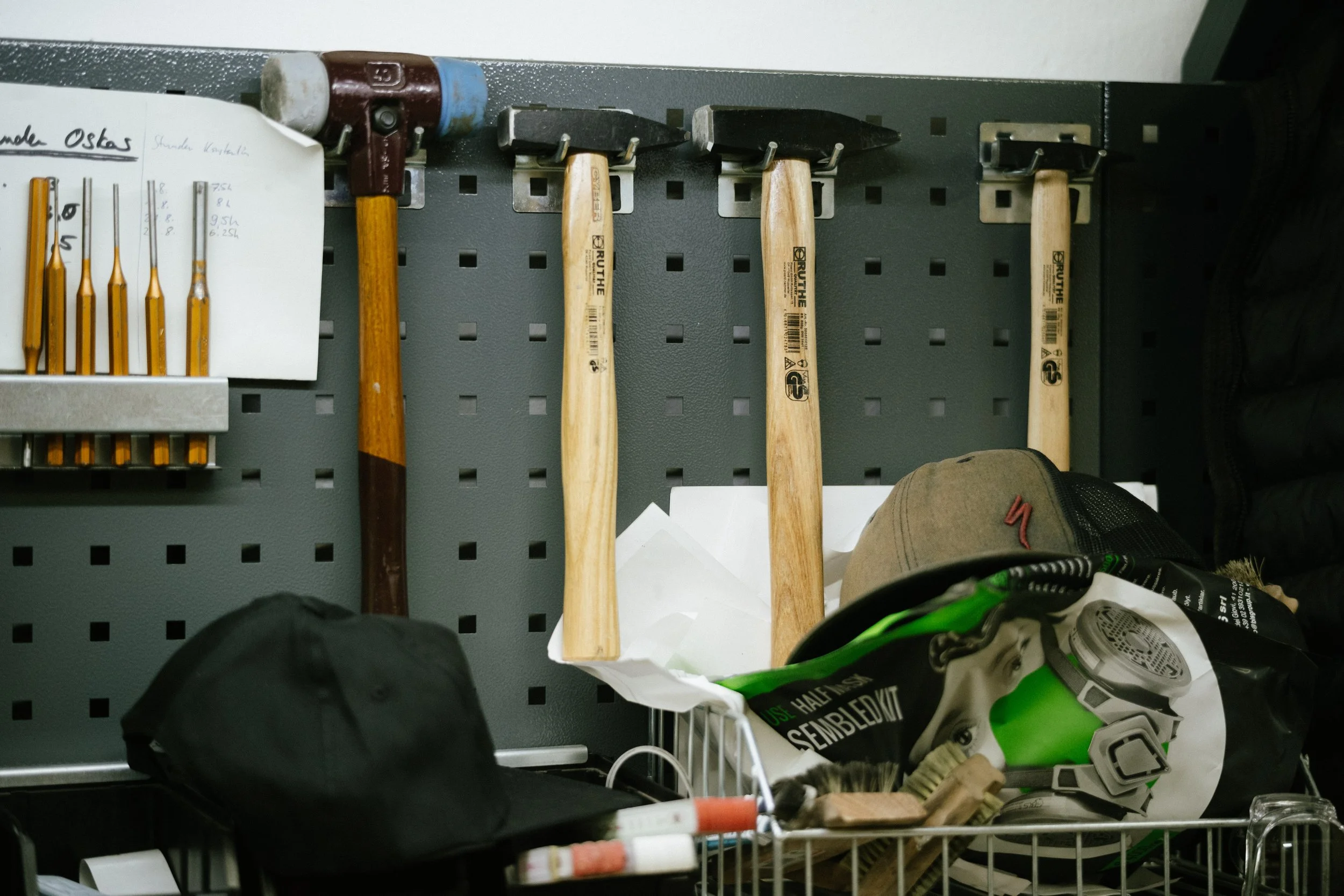
It’s a functional, industrial space rather than a polished showroom, because the priority here is clear: invest in staff, technical expertise, and next-level customer service instead of glossy retail theatrics.
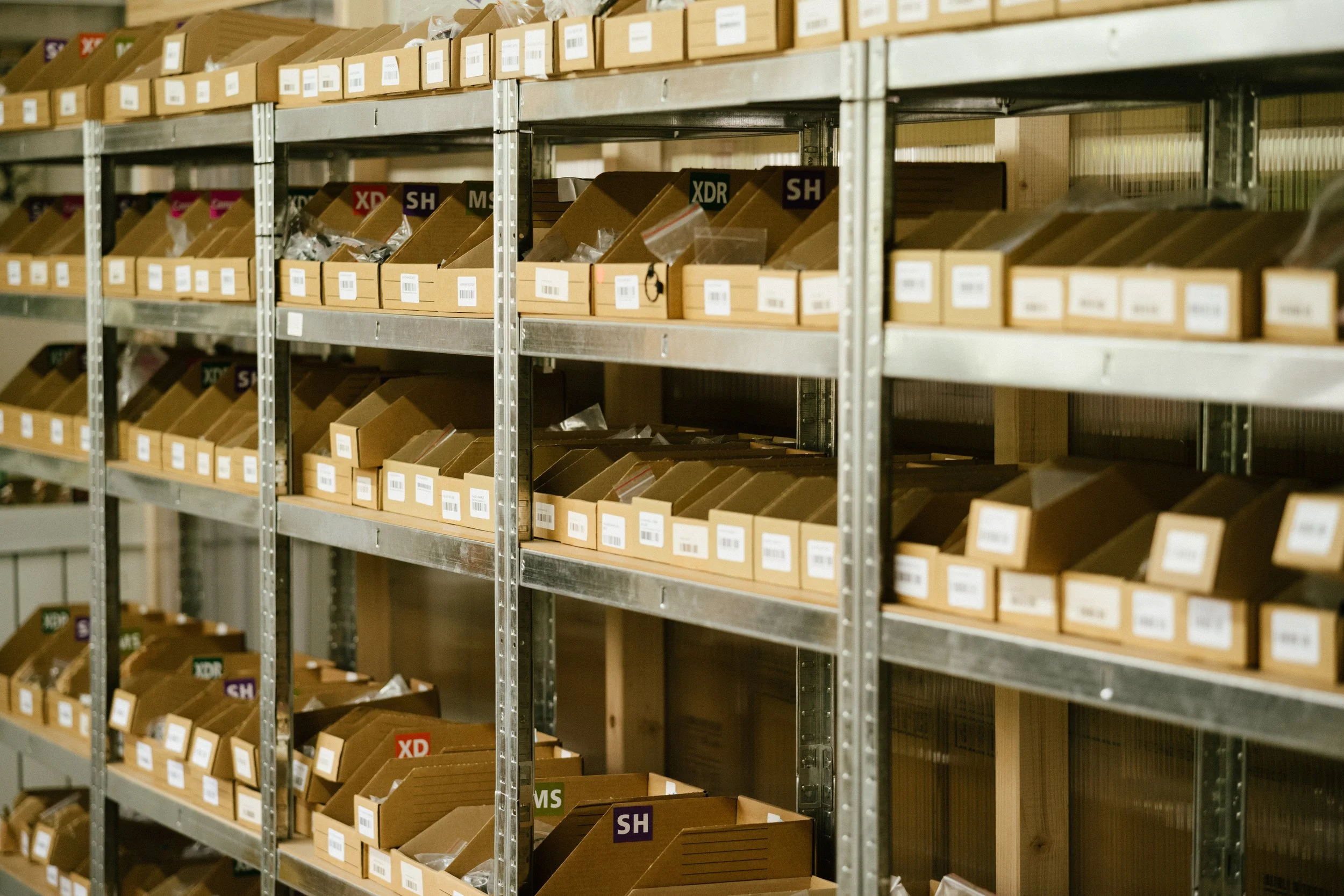
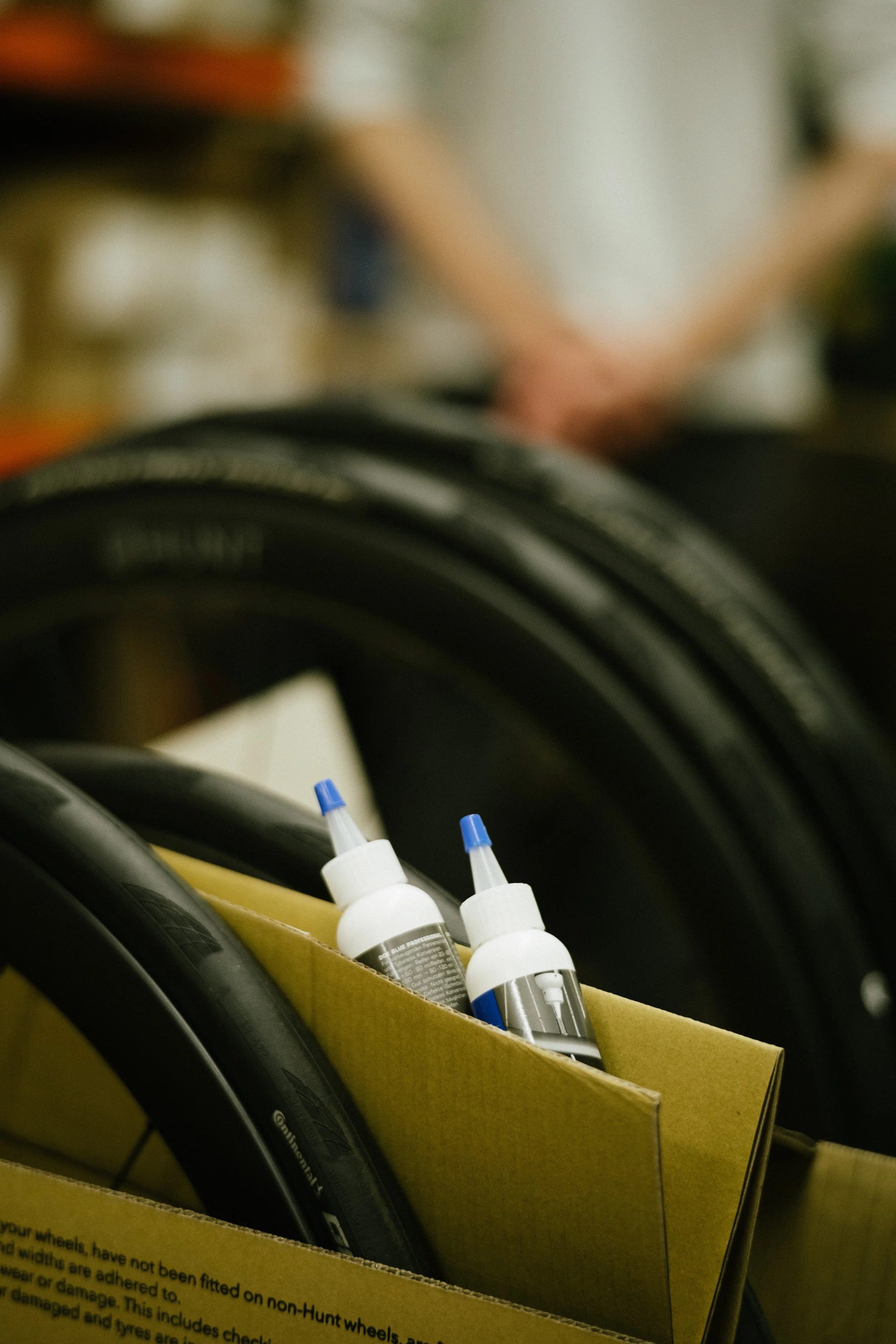
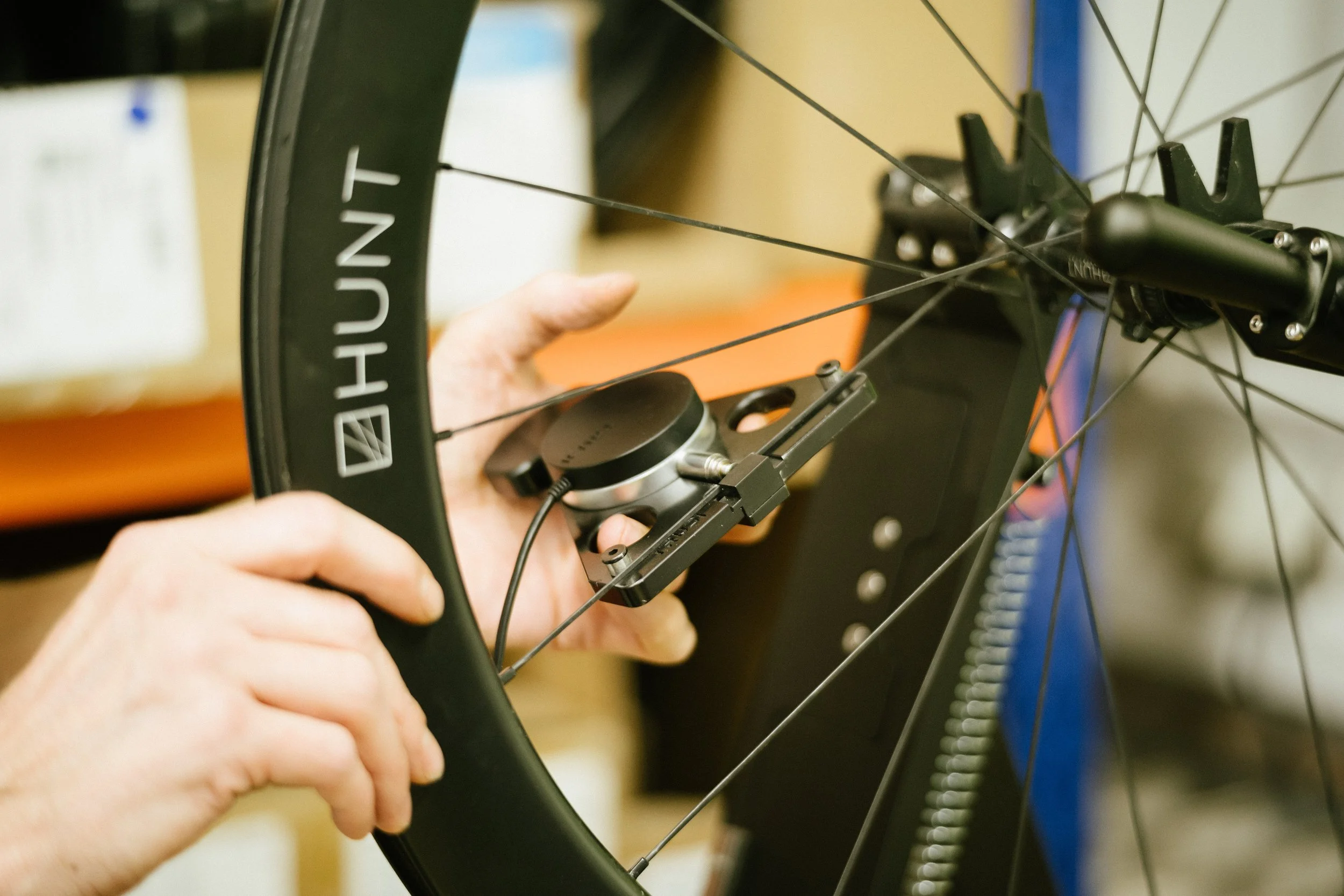
Hunt backs that rider-first mentality with serious service infrastructure. The Dresden team keeps a spare-parts inventory that includes a backlog spanning 10 years of various wheelsets. And when something needs attention, head mechanic Stephan and the team aim to find a solution and get your wheels back under 10 days, minimizing your time off the bike, and I suspect, maximising their time out on the trails. (The earlier you finish work, the more riding time you get, right?)
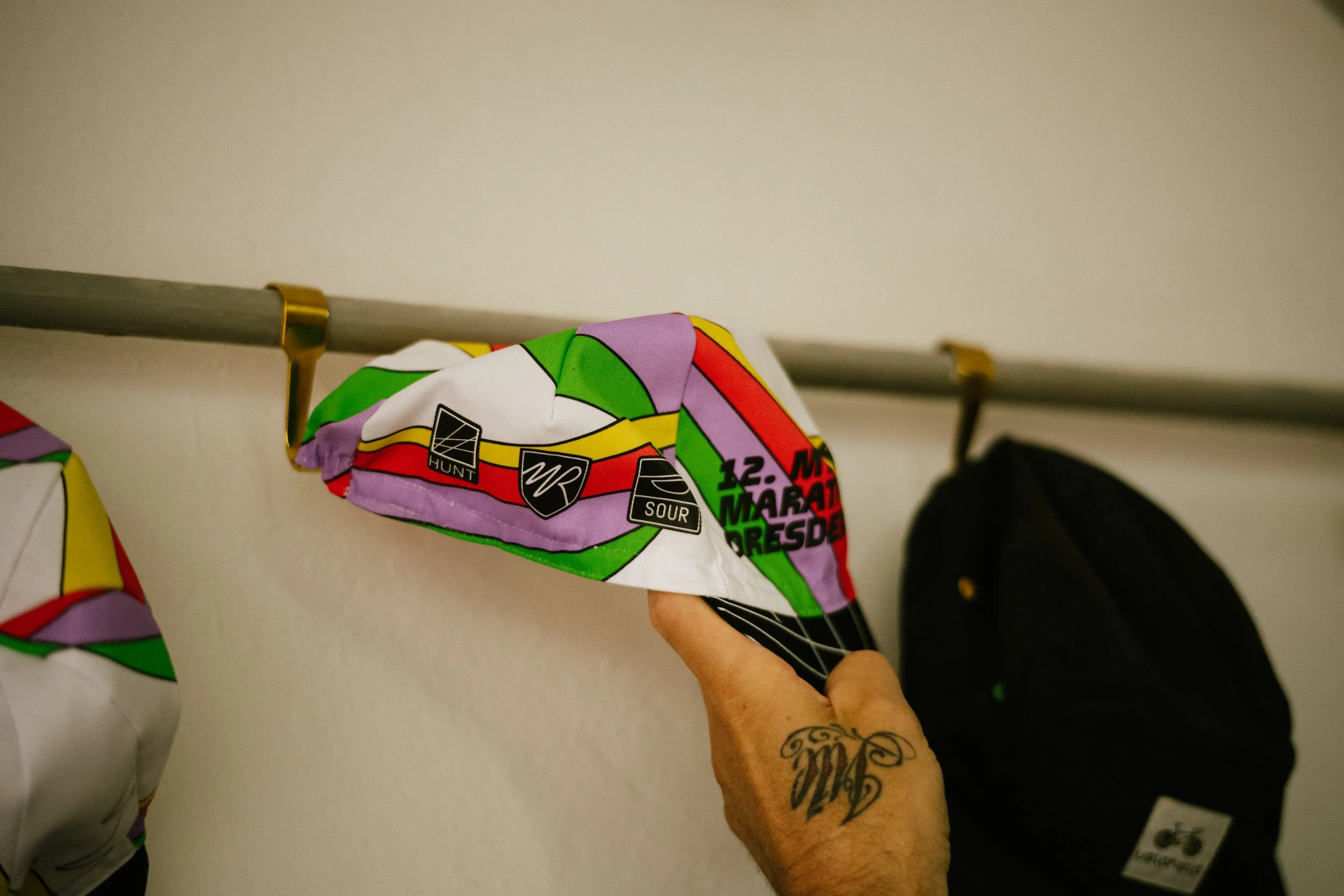
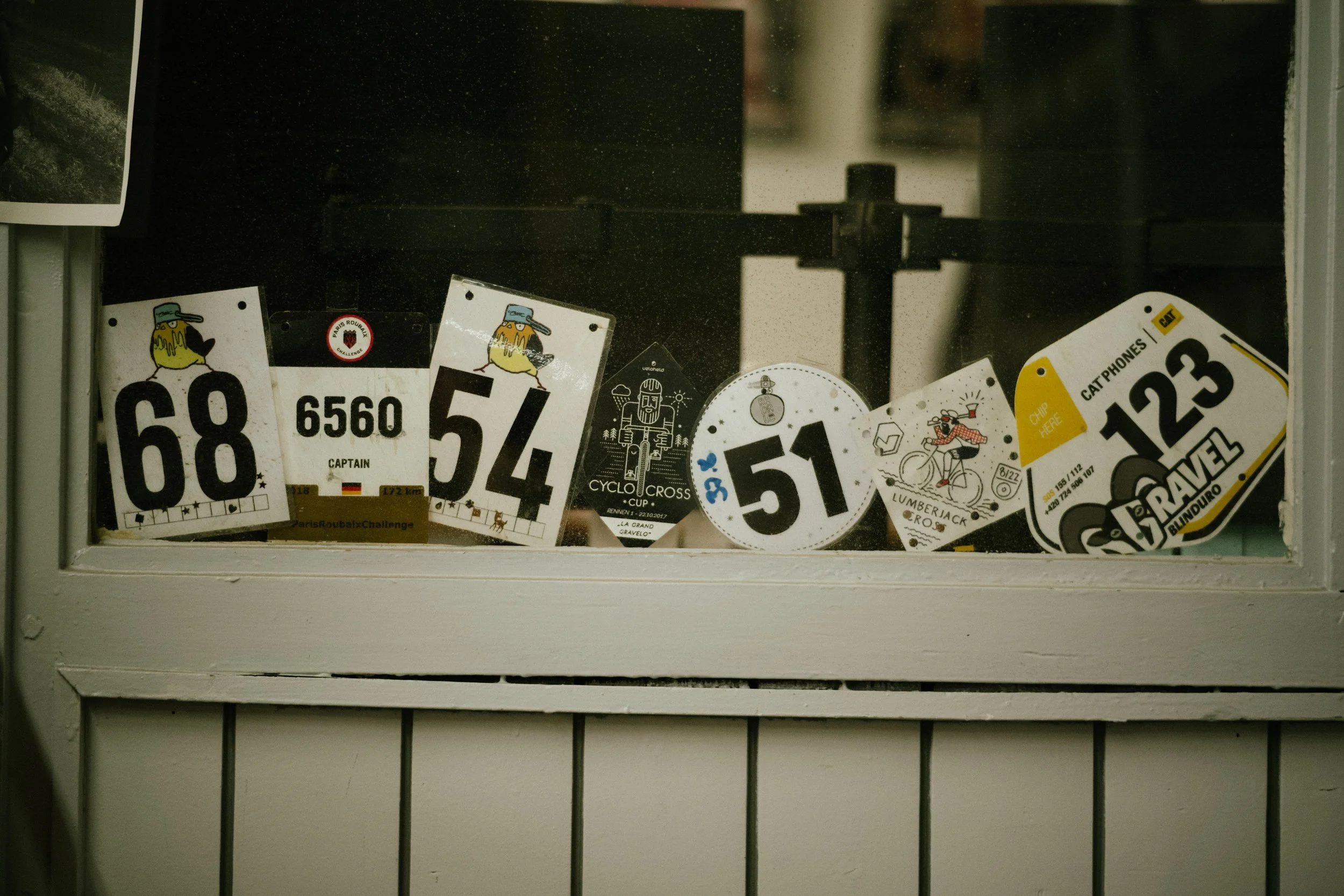
Being riders themselves, with access to mountain bike trails literally behind the warehouse and Sour Bikes as neighbors, the team seems to be hard at work, but also out in the saddle as soon as they can. That lived experience shapes how they approach support: practical, fast, and empathetic to the frustration of being sidelined while waiting for parts or service.
I know some of you have strong feelings when it comes to brands being primarily direct to consumers in the cycling industry. But sometimes it isn’t just about pricing, it’s also about feedback. (Hunt also treats directly with bike shops, but DTC is their main model.) By staying as close as possible to customers, the company channels rider input straight into product development, and what I saw at Hunt’s Dresden operation was truly a small, rider-led team, prioritizing service, expertise, and continuous improvement, which in my book is pretty damn good.
I could write all the brand stories you want, but in cycling journalism the real constraint is often price. Work with ultra‑premium, low‑volume brands, and your reach narrows; work with accessible, widely owned products, and your reviews actually matter to more riders. Hunt sidesteps my problem by offering a broad lineup, from the top‑end Limitless series to more affordable options like the Aerodynamicist range.
That also means there’s plenty to test and compare across disciplines: road, gravel, and MTB, without drifting into “aspirational only” territory. For an editorial outlet, that’s useful, as you can cover wheels that real people buy and ride, rather than just halo products.
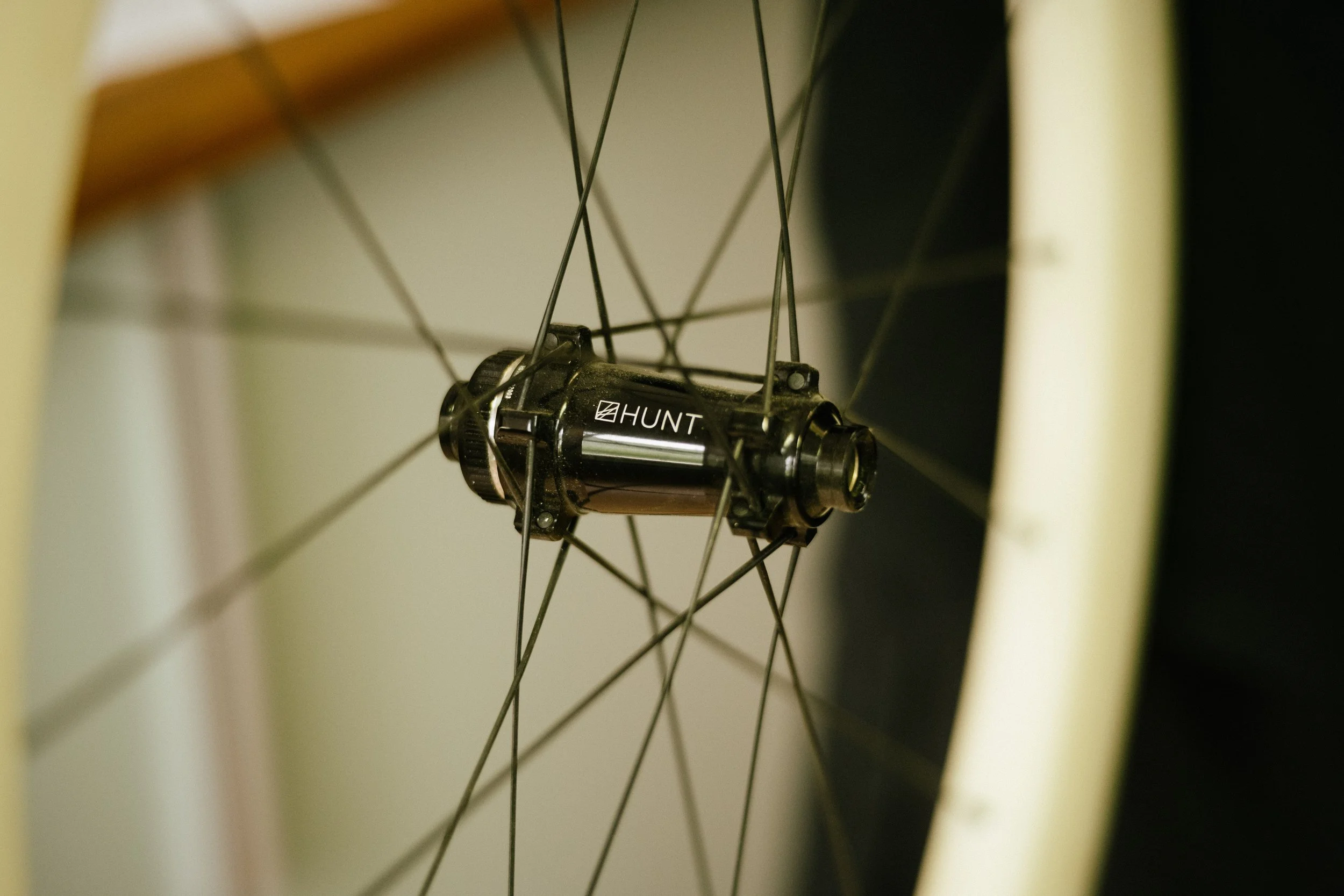
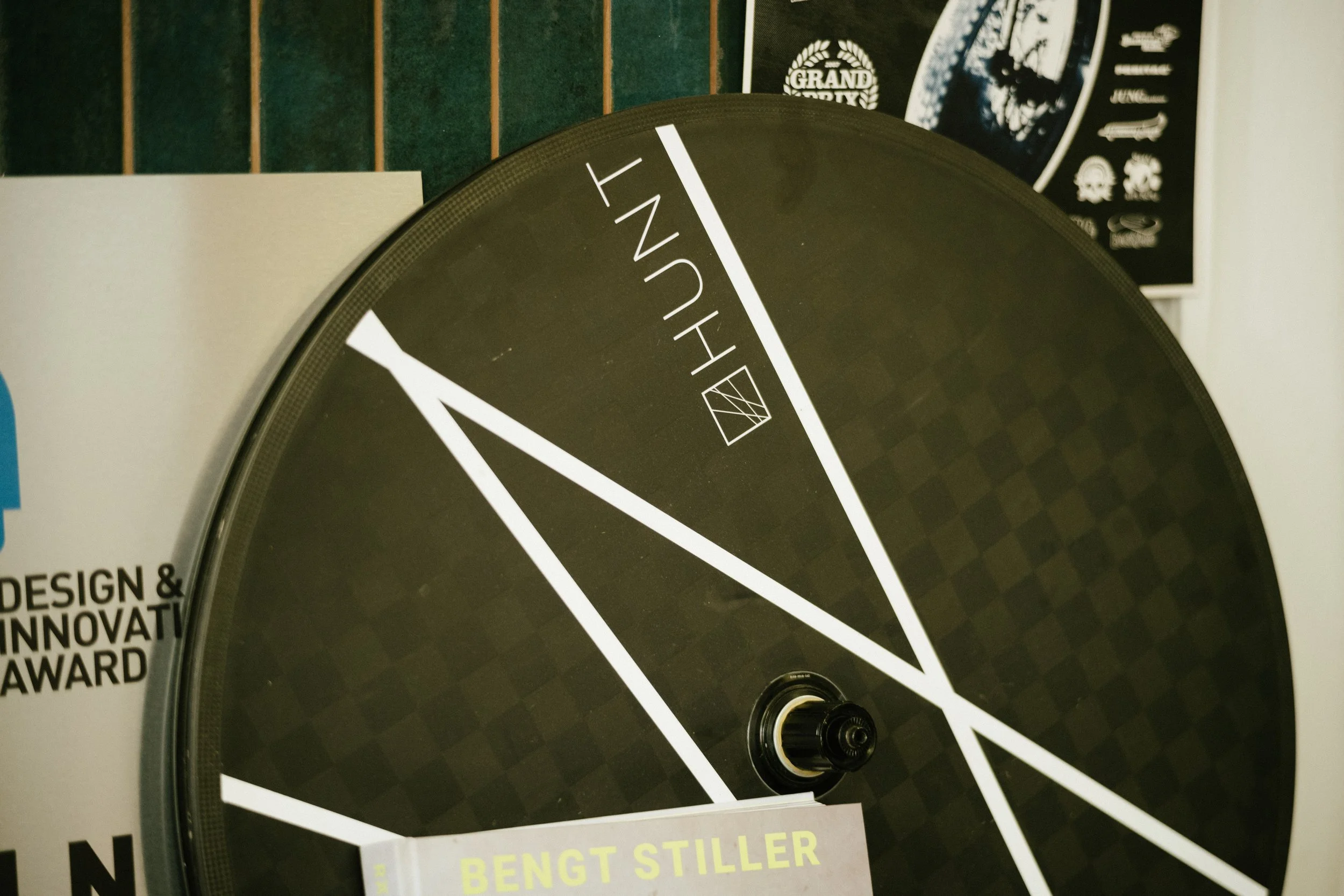
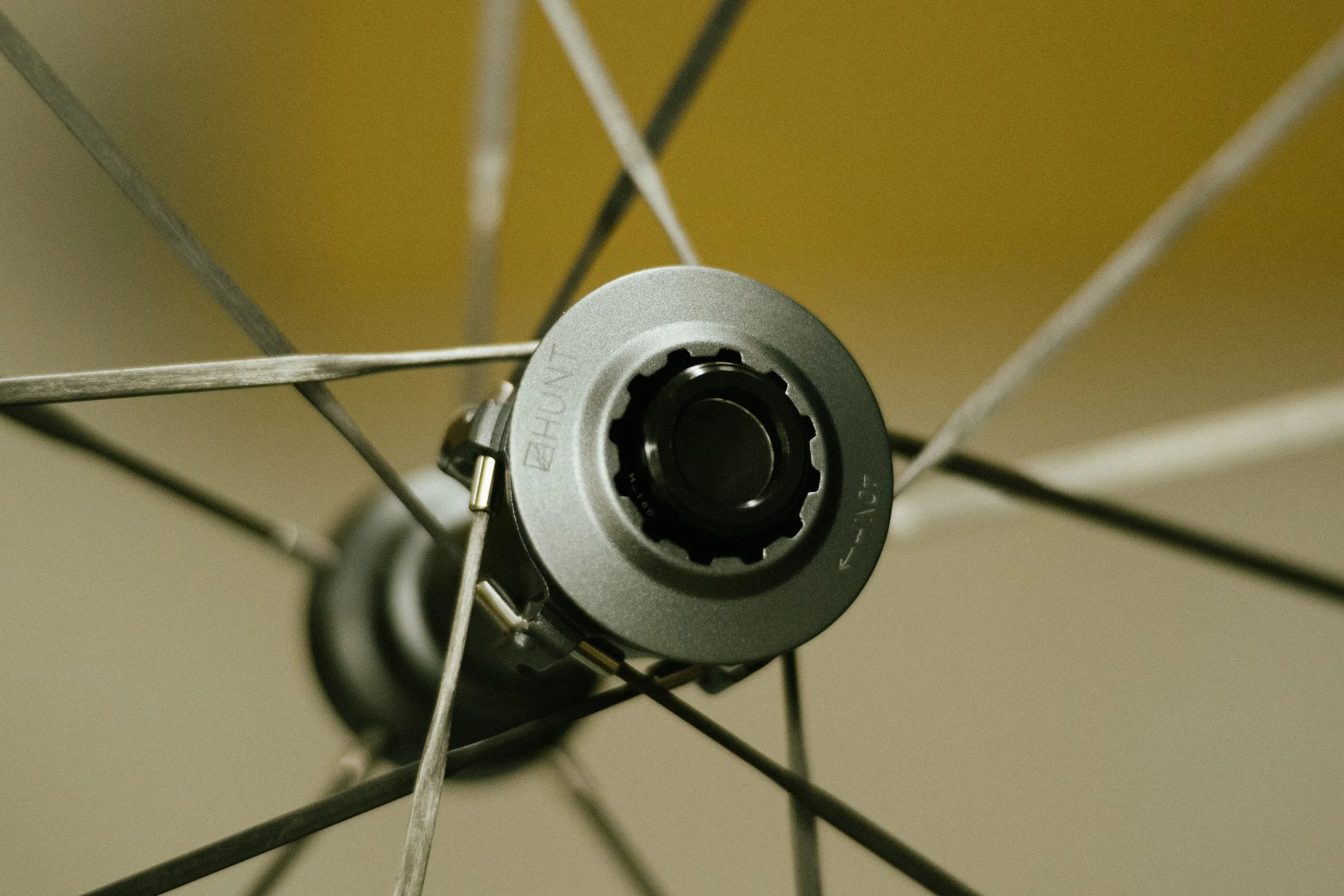
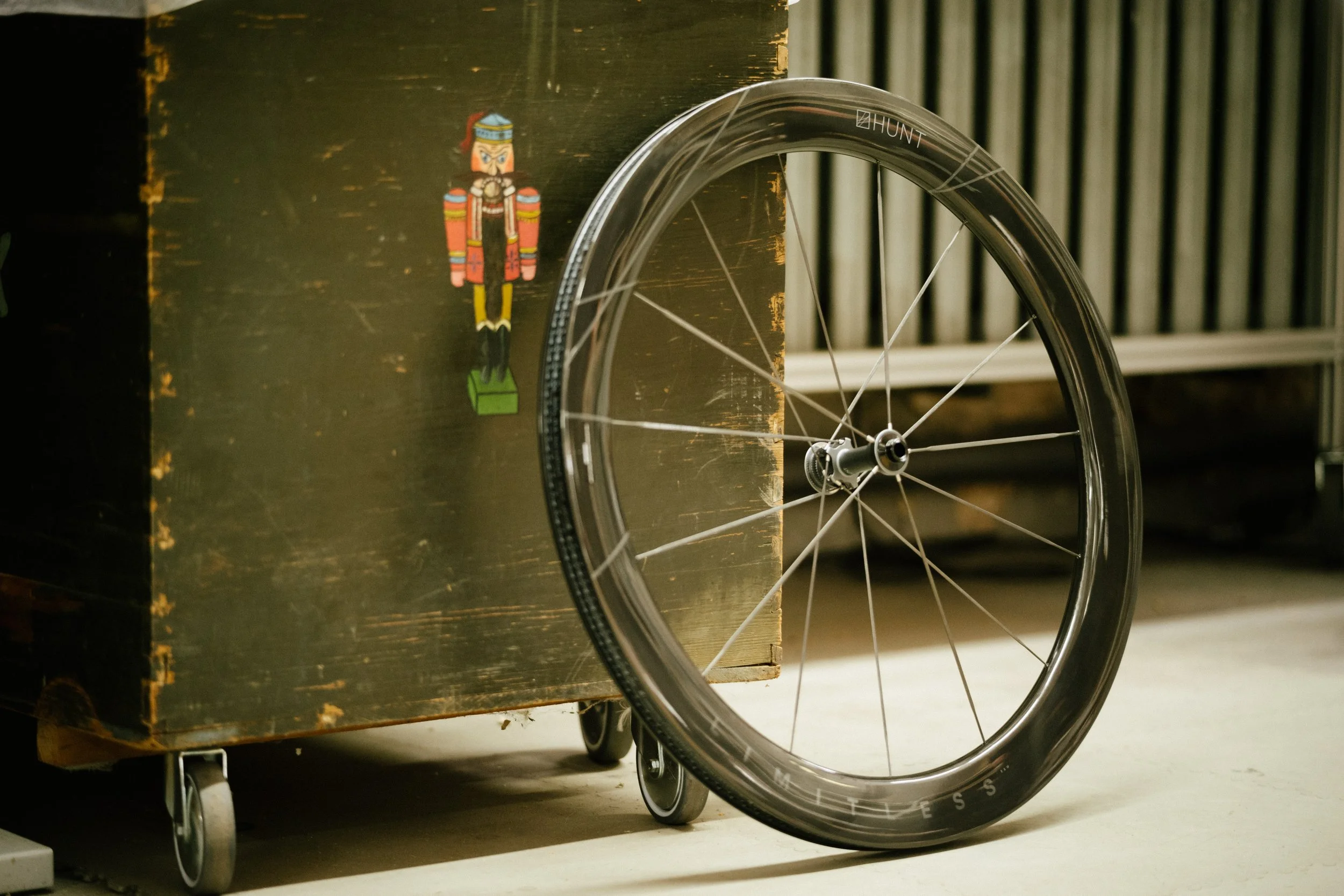
Now, if you still think Hunt is simply slapping decals on off‑the‑shelf rims and hubs, the brand’s own documentation tells quite a different story. Hunt develops its own rim molds and publishes detailed white papers for new wheelsets on their blog, covering research, wind‑tunnel testing, and other engineering stuff that will speak to the most nerdy among us. That level of disclosure makes it easier to separate marketing from measurable performance and gives reviewers like me concrete claims to validate on the road.
I’ll admit: for years I mentally filed Hunt under “UK all‑weather wheels.” Solid, reliable, built for rain‑soaked roads and conditions that make most people think twice before heading out. It’s the brand I’d talk about when someone needed a wheelset that could survive years of commuting without drama.
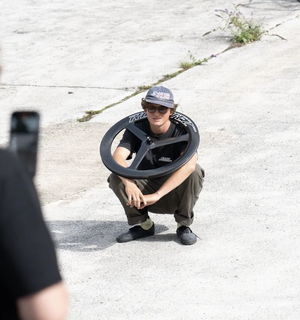
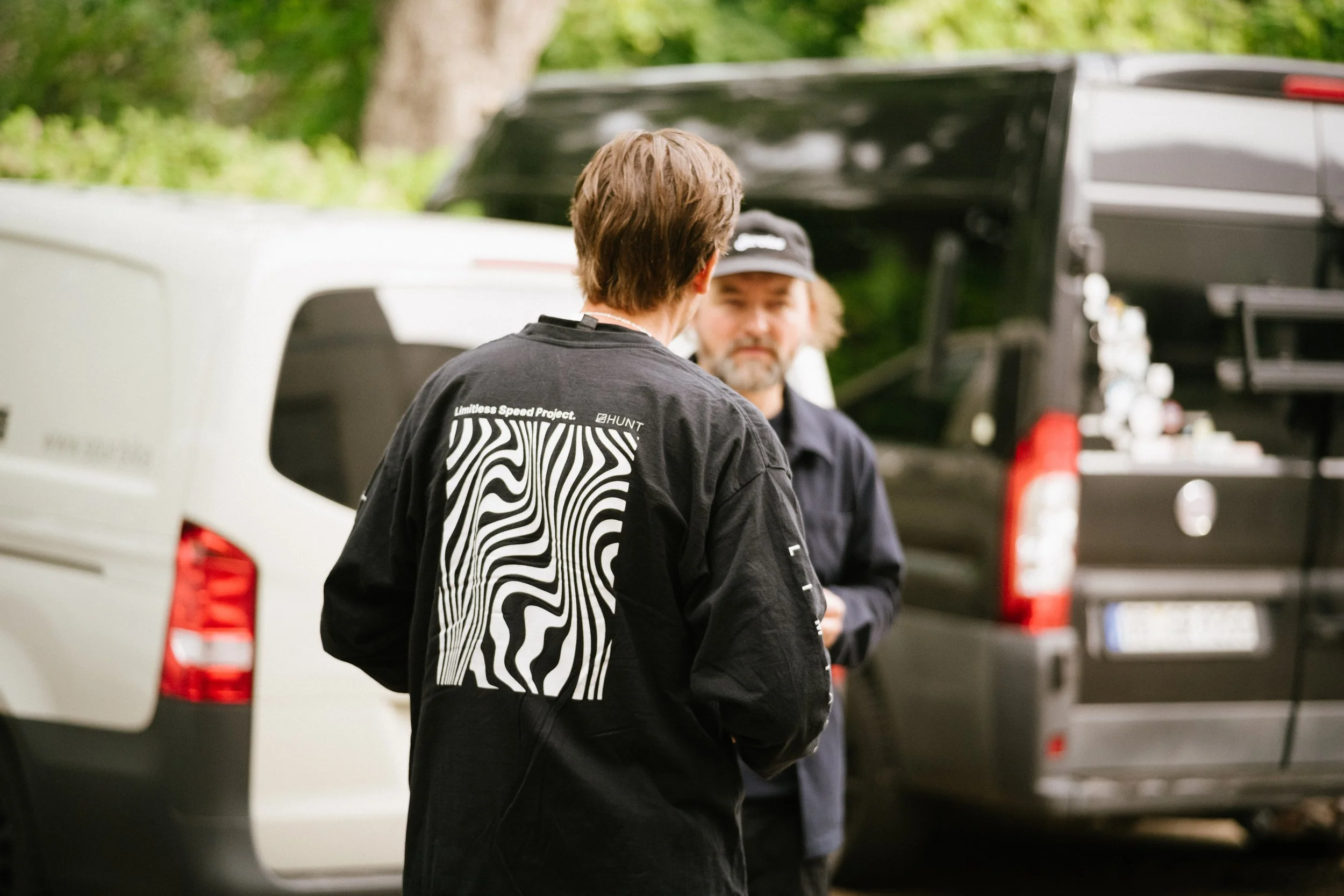
But after spending time in Dresden and talking with Alex and Michael (you’ll spot them in some of the photos here), that narrow view really expanded. Hunt’s self‑description and priorities really shape how the company runs: rider‑first decision‑making, fast and human customer support, long‑term repairability, transparency when something goes wrong, and, more recently, making high‑performance equipment genuinely accessible.
Dresden isn’t a random outpost either. Over the last 20–25 years, the city has quietly grown an independent cycling culture that started with small groups and evolved into a dense network of brands and makers. You see it in the names: Sour Bicycles (which shares Hunt’s building), Bike24 (a once‑tiny online shop that became a major retailer), R2 Bikes, Beast Components (formerly Dresden‑based before moving to Poland), plus a scattering of framebuilders, component designers, and studios.
What stands out is the proximity. Founders know each other, companies exchange knowledge over coffee or after rides, and collaborations bubble up naturally because everyone is literally around the corner. Many local businesses come from design or engineering backgrounds, and universities like HTW and TU Dresden feed a steady stream of young designers and technically minded talent into the scene. An ideal environment for everyone here: rapid feedback loops, easy prototyping, and real‑world testing on the trails and roads nearby.
Got all that? Good.
Now that we’ve established that Hunt still seems more interested in making wheels people actually ride than in lining the pockets of a private equity firm, there are a few more points to consider before we can place them on the “cycling-company moral compass".
First up: sustainability. Because carbon’s end-of-life problem is very real. Recycling it is complicated and expensive, and while only a few brands have invested seriously in potential solutions, Hunt is approaching the problem from two angles:
Hunt’s H-Cyclo technology points toward a more recyclable carbon rim by allowing the resin and carbon fibres to be separated at the end of its life. The recovered carbon can be chopped and reused in carbon-reinforced plastics, while the resin can reportedly be reused three or four times. The goal is to keep damaged rims out of landfill, but still not suggesting that carbon wheels have suddenly become fully sustainable.
That distinction matters, because Hunt isn’t presenting H-Cyclo as a solved problem, but as a promising path it is actively working on, with a clear explanation of how the process works.
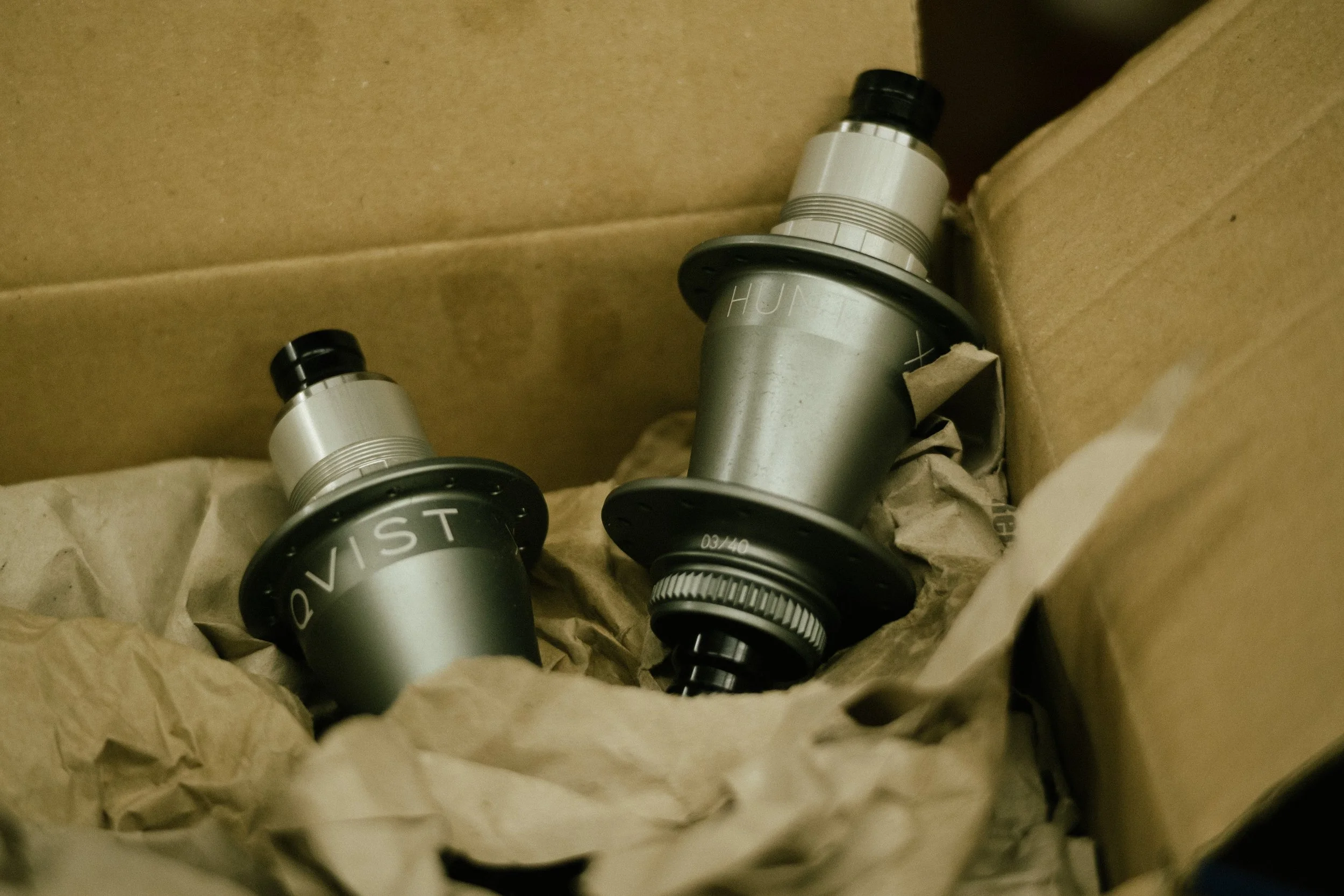
More immediately tangible is Hunt’s “Sustain Phase One” line, which re‑engineers popular wheelsets with sustainability as a core constraint. Selected products are made entirely in Europe: European aluminum rims, spokes, hubs, and final assembly. To reduce chemical use, these wheels use untreated silver spokes instead of black‑finished ones, avoiding the extra finishing chemistry. Shorter transport distances and local manufacturing further cut the footprint, resulting in wheels that feel like a genuine effort at “fully Euro‑made” performance.
The Sustain range also uses recycled materials where it makes sense. Its hubs are machined in Belgium or France, keeping production with European suppliers where possible. The carbon rims use reclaimed fibres in certain areas, while the alloy rims are made from 75% recycled aluminium. (including post‑consumer sources)
Most of the range here is priced similarly to Hunt’s mid-tier wheels. In other words, sustainability is being built into the design, rather than sold as an expensive extra.
So why consider Hunt, next time you’ll be looking for a new set of wheels?
This article is my attempt to bring together what I’ve been told about the company and what I’ve since checked for myself. I wanted to answer two questions: would I be interested in Hunt’s products as a rider, and would we, as an independent media outlet fielding an increasing number of requests from brands, want to work with them?
As a consumer, you mostly see what a brand chooses to put in front of you: marketing, advertising, sponsorships, etc… But as independent media, we have an opportunity and a responsibility to look beyond that. We can meet the people behind the products, ask questions, and share some of what we find, so you can decide whether a brand’s approach aligns with your own values without having to do all the digging yourself.
We try to collaborate with people we genuinely want to work with (even if we’ve made a few exceptions over the past few years… Sometimes you’ve got to accept the weird jobs to understand this wasn’t a good idea after all…). Is Hunt one we’d like to get to know better and work with further? Yes.
Why? Simply because the conversations we’ve had with the people making these wheels have given us good reasons to keep asking questions, being excited about what's next, and sharing all of these answers with you.
Thank you to Michael, Alex, Stephan, Carsten, René and Michael for welcoming me in their space. I’ll be back!
💾: Leica SL
📍: Dresen