Heads up everyone! This article is part of a collaboration with The Radavist! You can find more on Nitto and the way they do thing in this article: theradavist.com
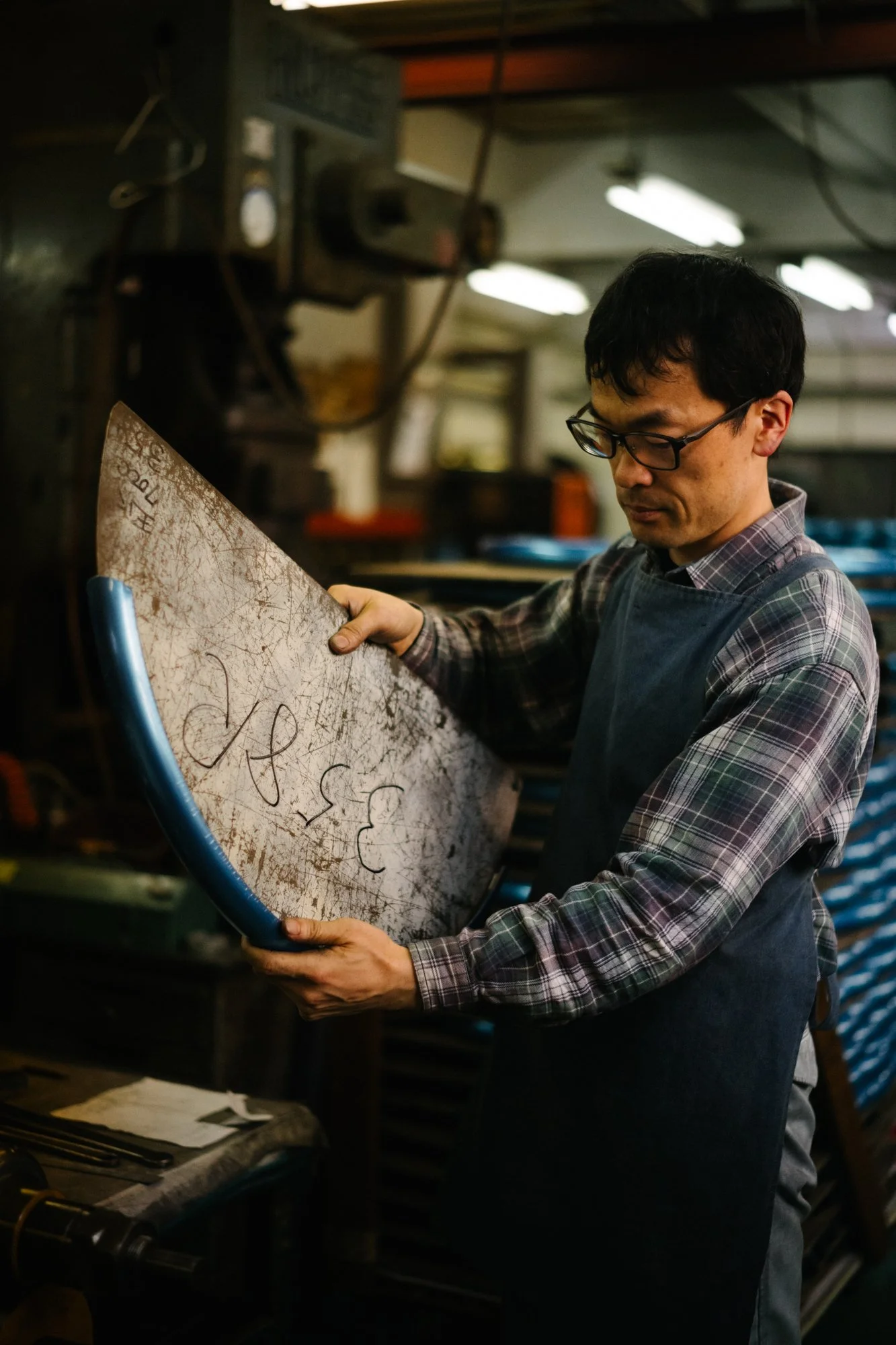
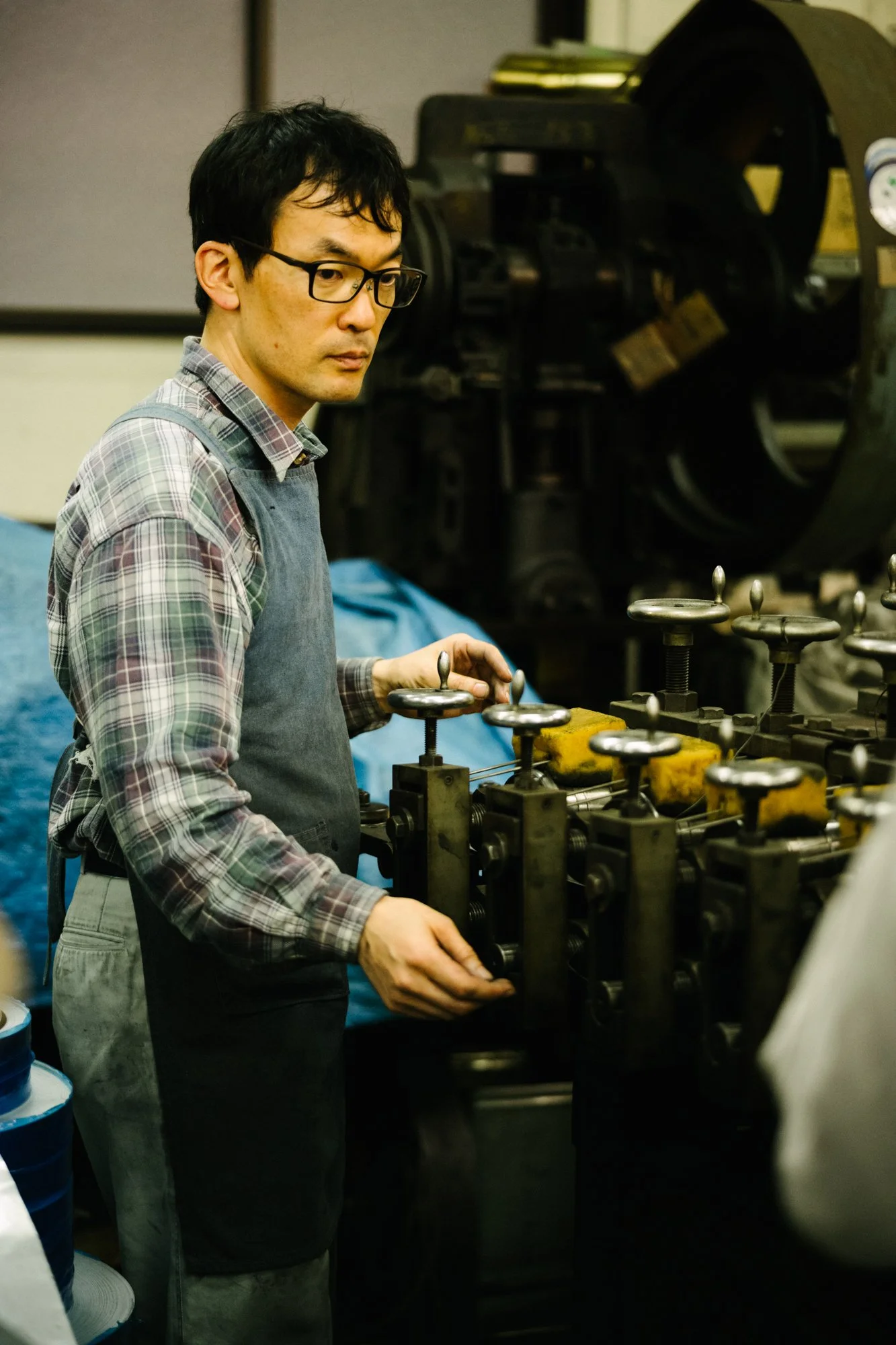
Nestled in a tiny street in north-east Tokyo, almost right at the foot of the Tokyo Skytree, the Shimamura family has been making fenders for three generations, all from the same building and with the same commitment to exquisite craftsmanship. Today, I sat down with Tomoyuki Shimamura-san, who has since taken over the family business, to talk about its history, the craft behind its fenders, and what it takes to keep a small manufacturing operation like this going. After all, these are some of the most sought-after bicycle fenders in the world.
Paul - How long have you been working here, and what brought you into this particular line of work?
Tomoyuki Shimamura - Honjo was founded in 1949 by my grandfather after he returned to Japan following World War II, and I am currently in my 24th year here. Originally, the company manufactured fenders for motorcycles, but in the late 1960s, we shifted our focus to bicycles.
During the 1960s, there were numerous mudguard manufacturers across Japan. And since Honjo was a small operation, larger bikes manufacturers already had established OEM suppliers for traditional Japanese “mamachari”. Unable to break into the mass-market OEM space, we specialized from an early stage in manufacturing fenders specifically for specific bikes like Randonneurs and Sportifs. Since then, we have focused exclusively on craft fenders for sports bikes ever since.
After spending years making these products, what does quality mean to you personally? Is there a detail in your work that you pay particular attention to that customers might never notice?
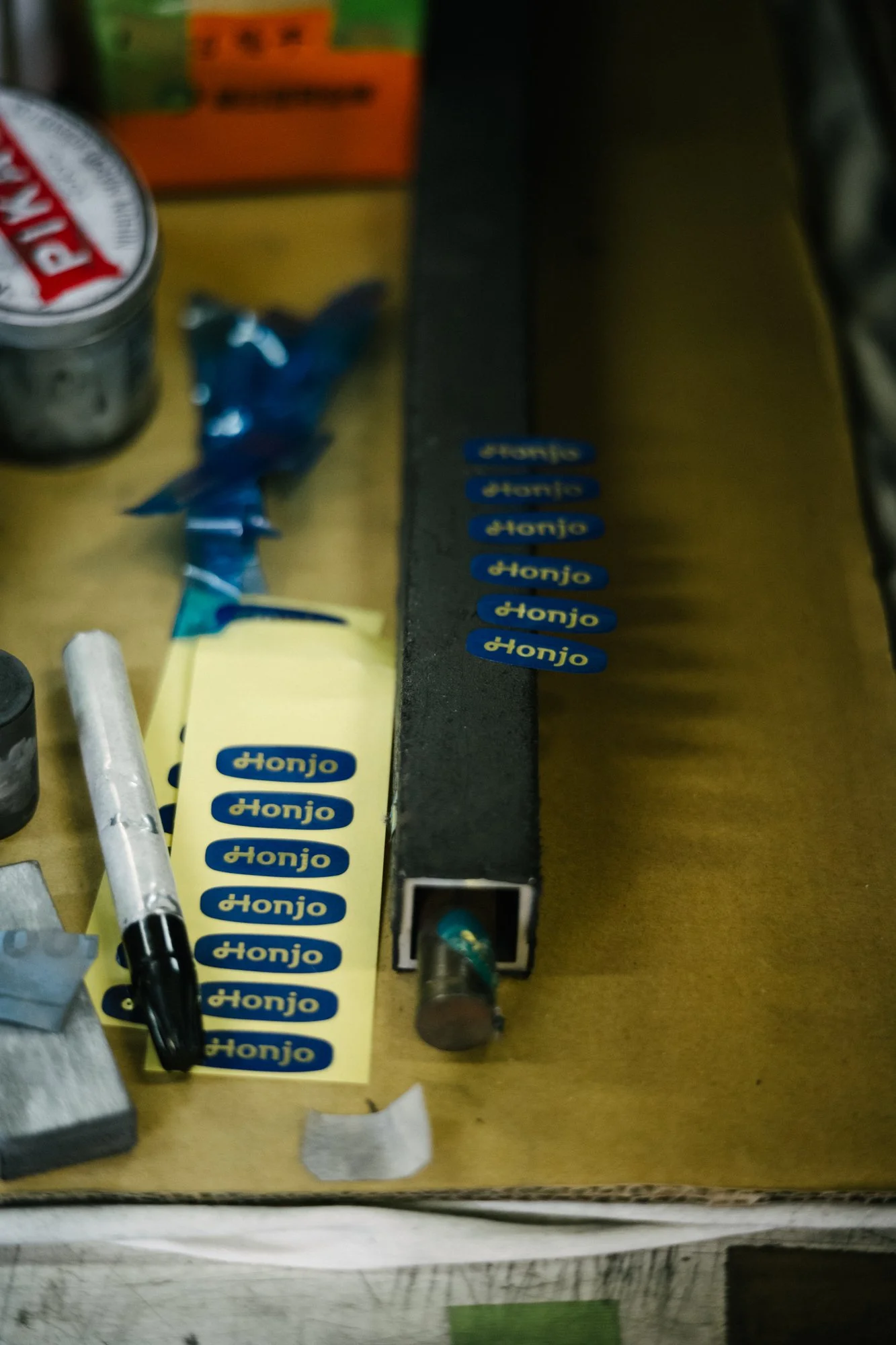
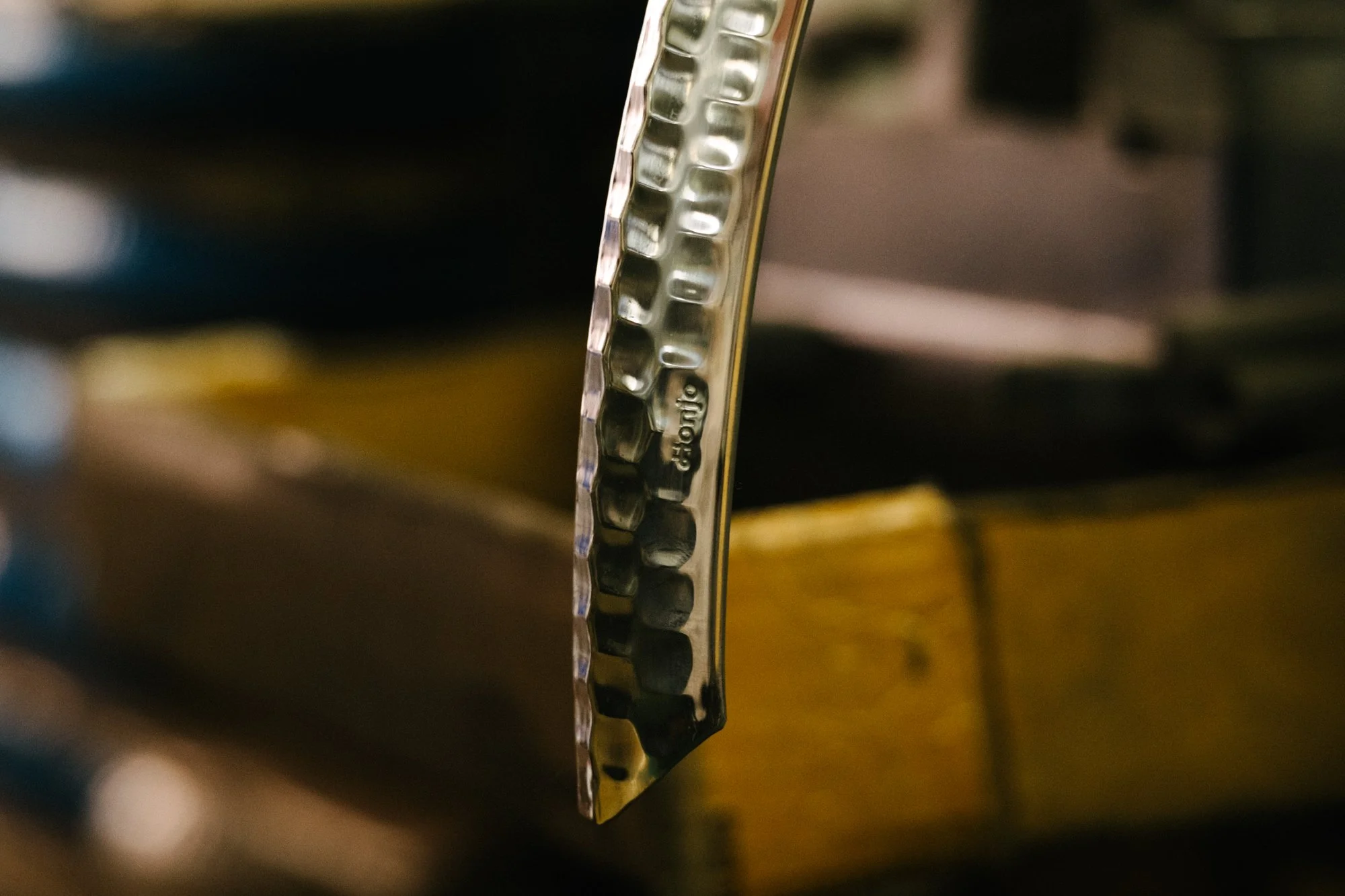
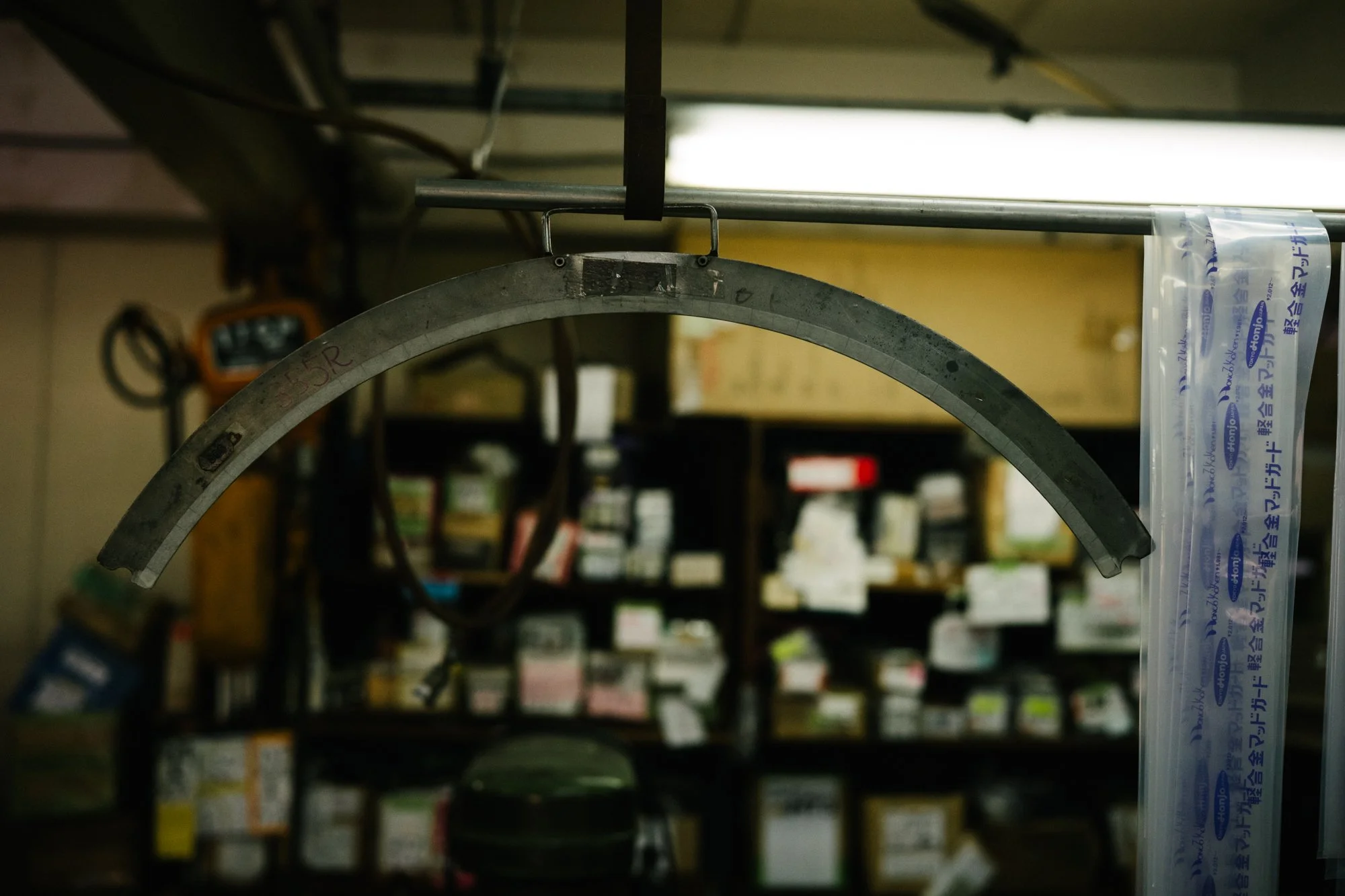
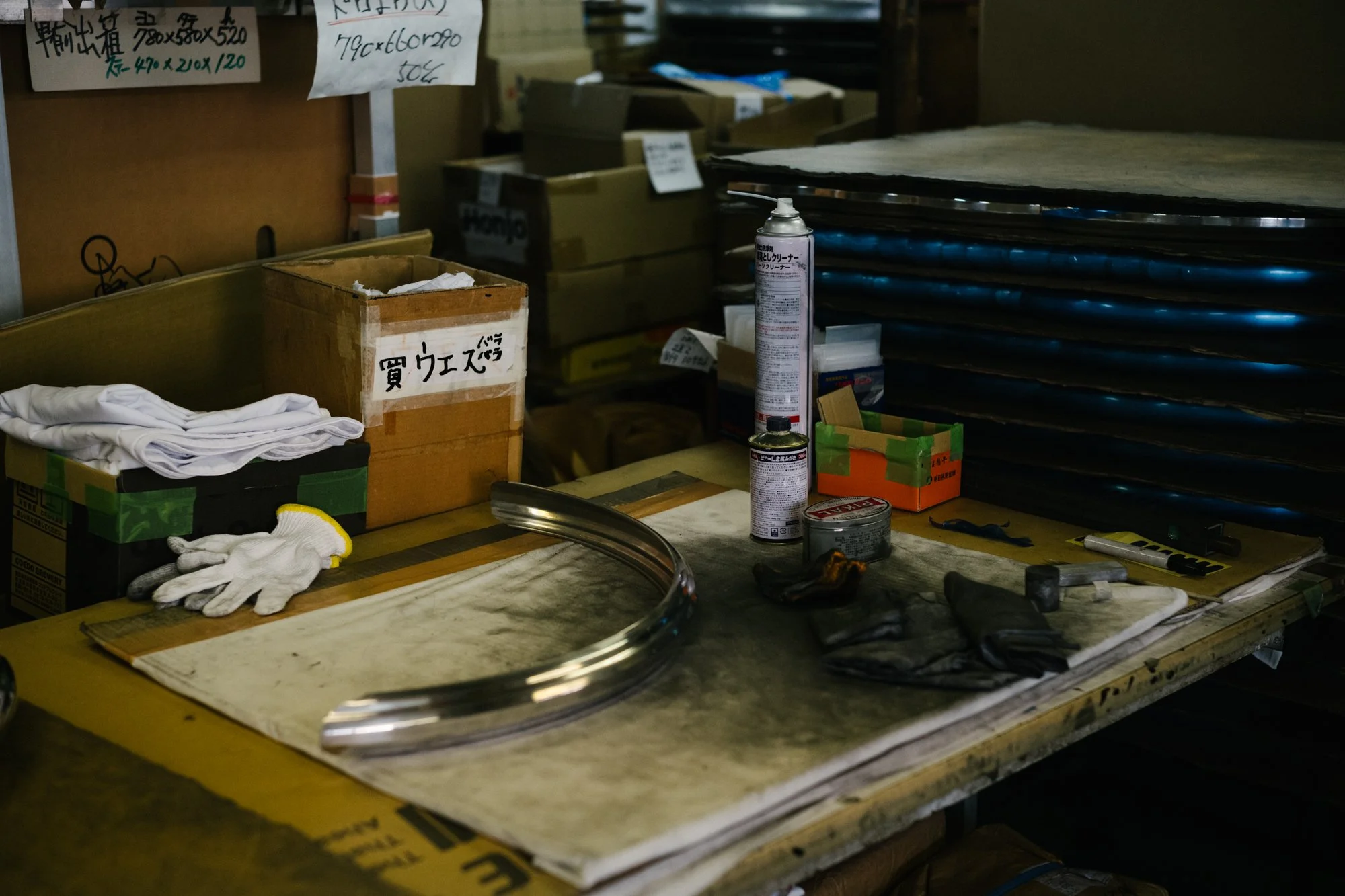
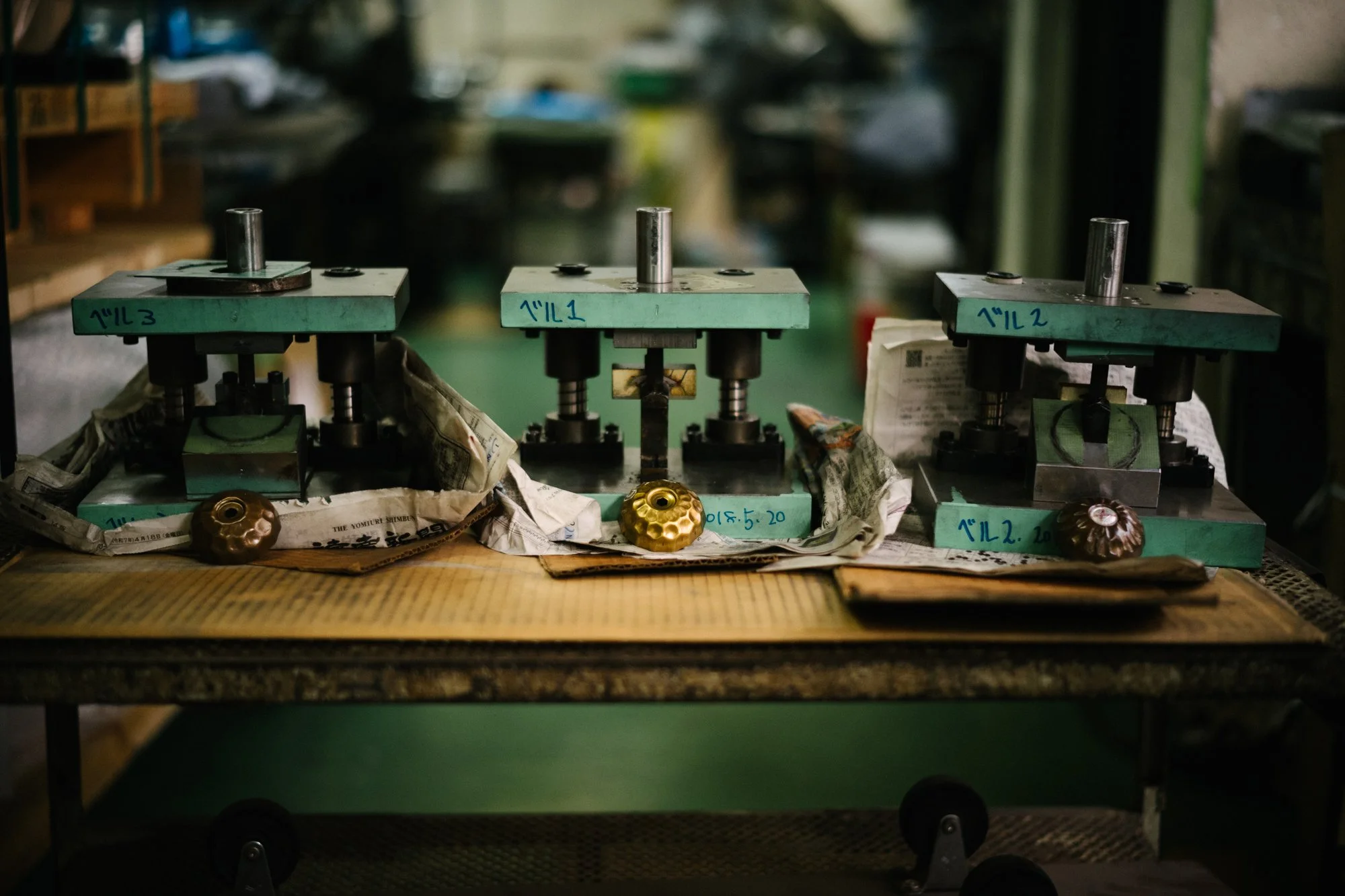
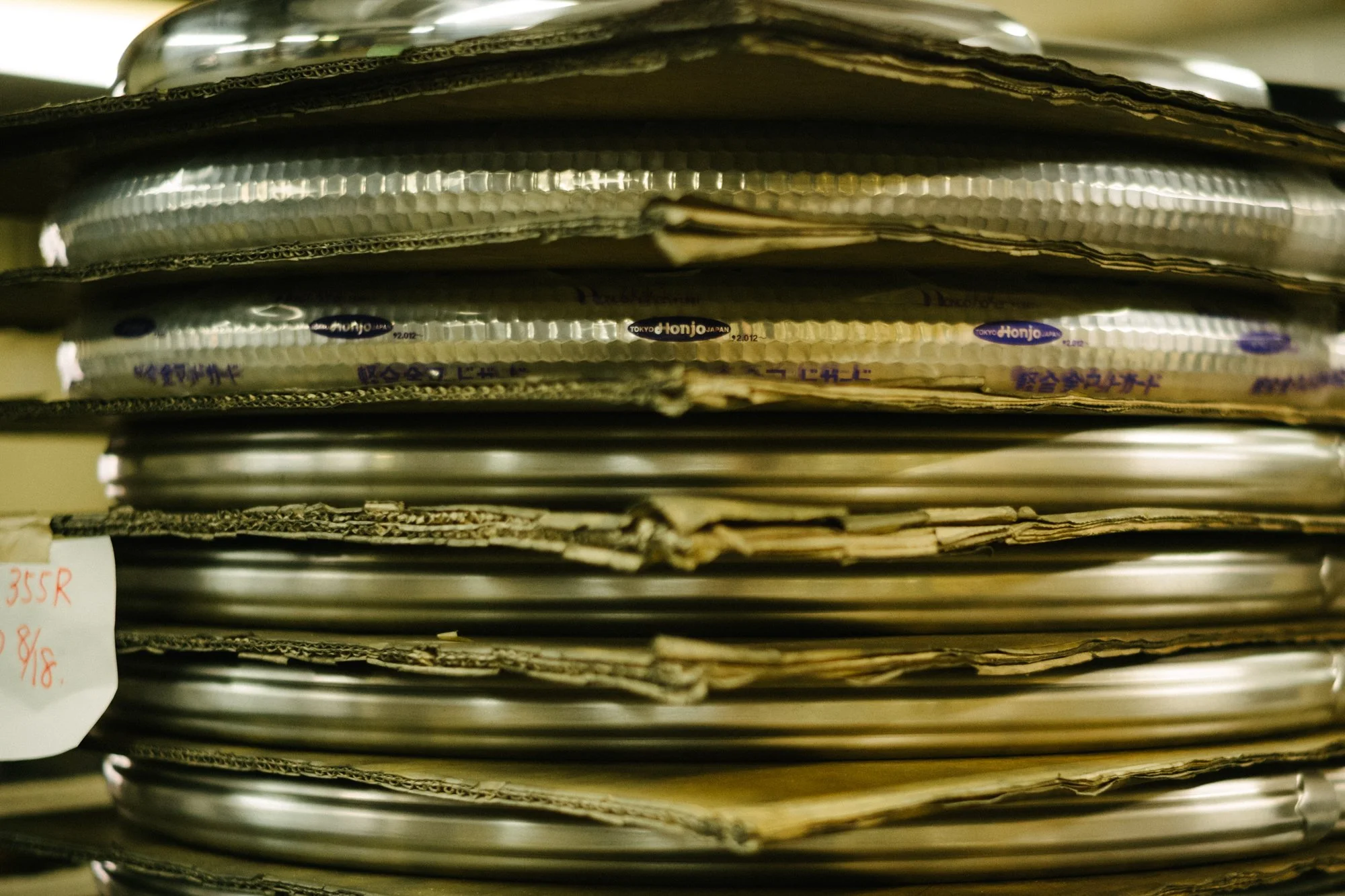
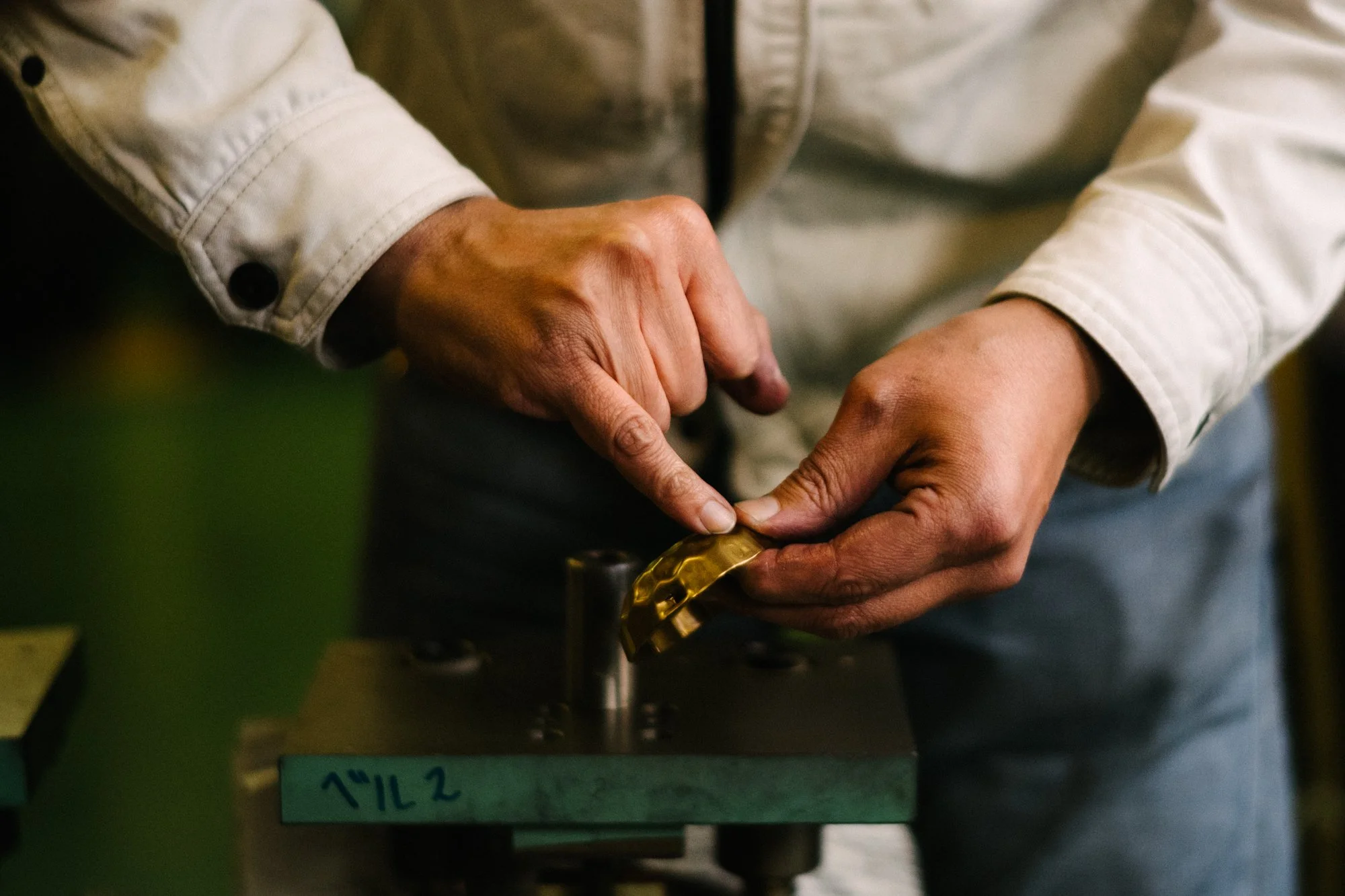
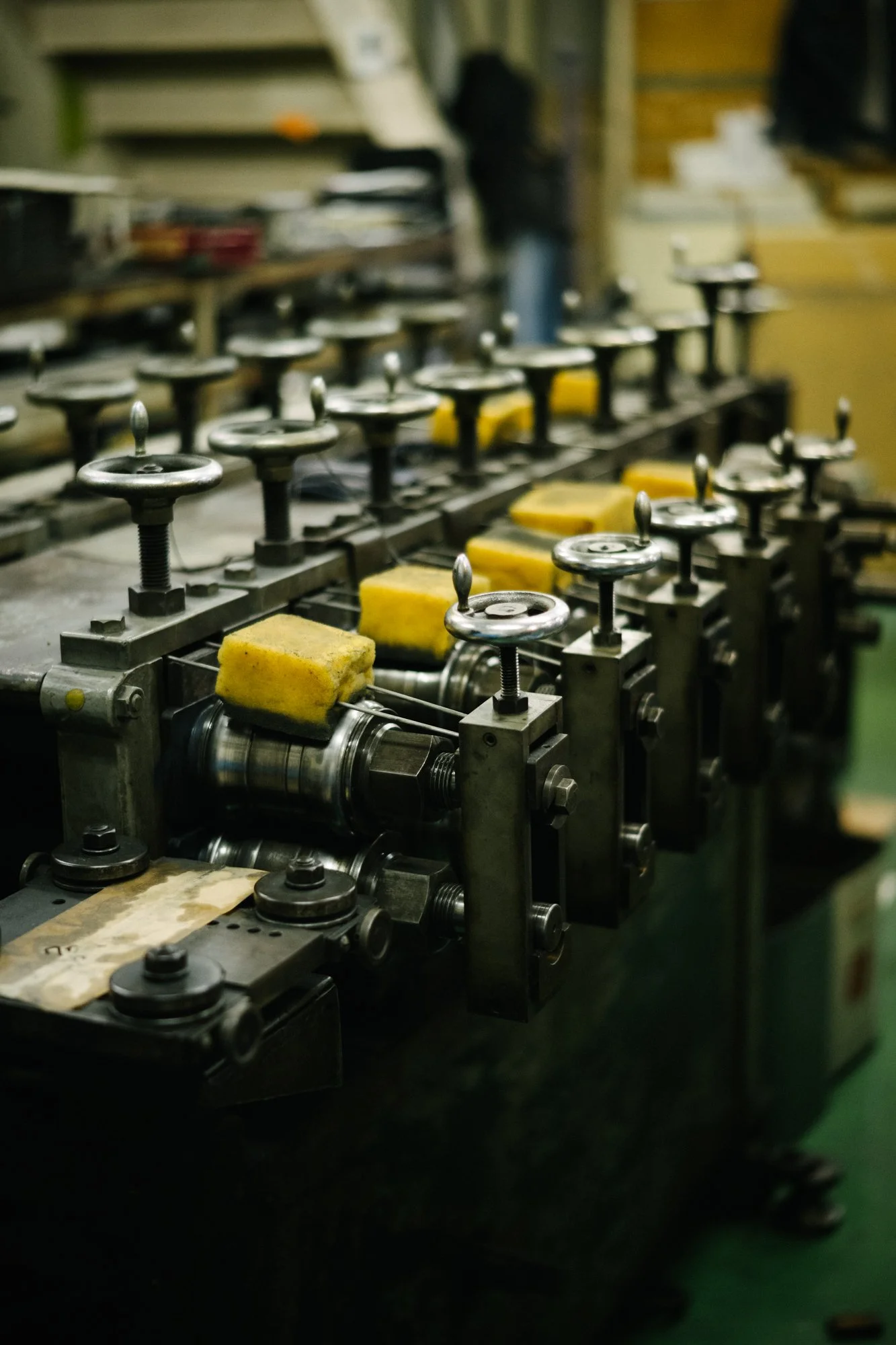
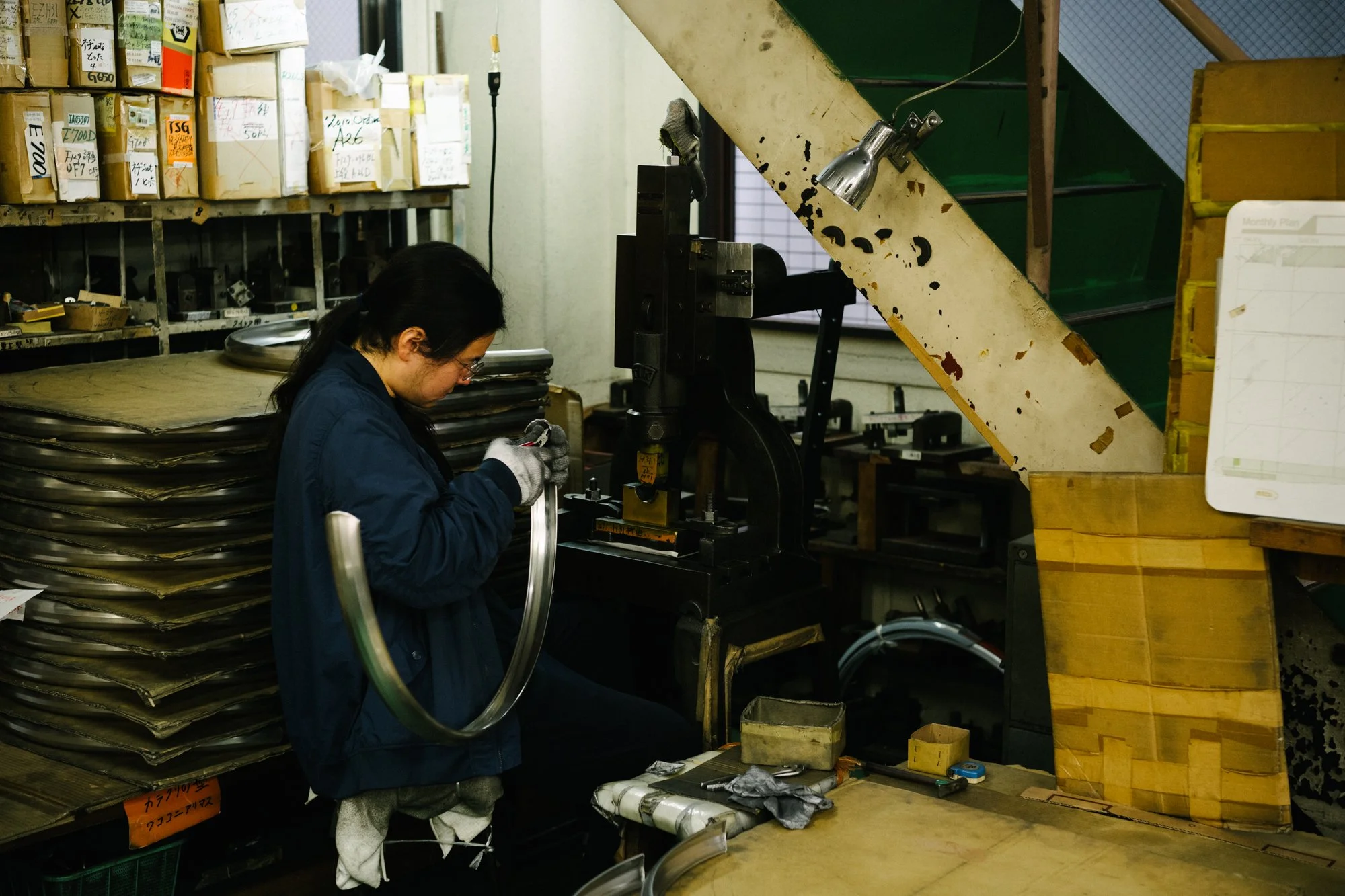
Of course we’re not the only ones making fenders, but Honjo incorporates meticulous steps into production, including hidden finishing processes that other manufacturers usually skip. These unseen details define the quality and performance of a Honjo fender.
I understand that not every rider will notice or comprehend all these subtle details. However, for those who truly love bikes, I want them to know just how much manual care and effort goes into every item we produce. Those who understand the craft recognize the difference, and my goal is to gradually expand the number of riders who appreciate that level of detail.
Do you feel that Japanese manufacturing puts more emphasis on making a good product than on promoting it?
In the past, our mindset was that high product quality spoke for itself, that a good product would self-promote and drive sales without marketing.
Over time, I realized that without proactive outreach and showcasing what we make, the true value and reputation of our work cannot easily reach people. Around 2010, I met Tanaka-san from Circles, and their ability to communicate and share stories, was a perfect fit with our manufacturing capabilities. That collaboration introduced Honjo to an international audience and proved that strong communication must go hand-in-hand with good manufacturing.
What has changed the most since you started working here? Have manufacturing techniques, working conditions, or the people around you changed?
Two main things have changed over my 24 years here. First, we've streamlined our production processes and eliminated or replaced certain steps wherever possible to reduce complexity. That said, compared to standard industrial manufacturing, our work still involves an immense amount of manual labor and time. When I first started, we had almost no export business and were focused entirely on the domestic Japanese market. It was through partnering with Nitto to exhibit at “Interbike” in the United States that we first opened the door to international trade. Today, I feel like our outlook on most things is much more global. We want to make our fenders available to anyone around the world who genuinely wants them.
Do you feel younger generations are still interested in learning these traditional manufacturing skills? Is it becoming harder to find people willing to do this work?
It really comes down to the individual. There will always be a select group of people who love hands-on creation and aspire to craft work. However, compared to a few decades ago, the overall number of young people interested in pursuing traditional artisan manufacturing has unfortunately decreased significantly.
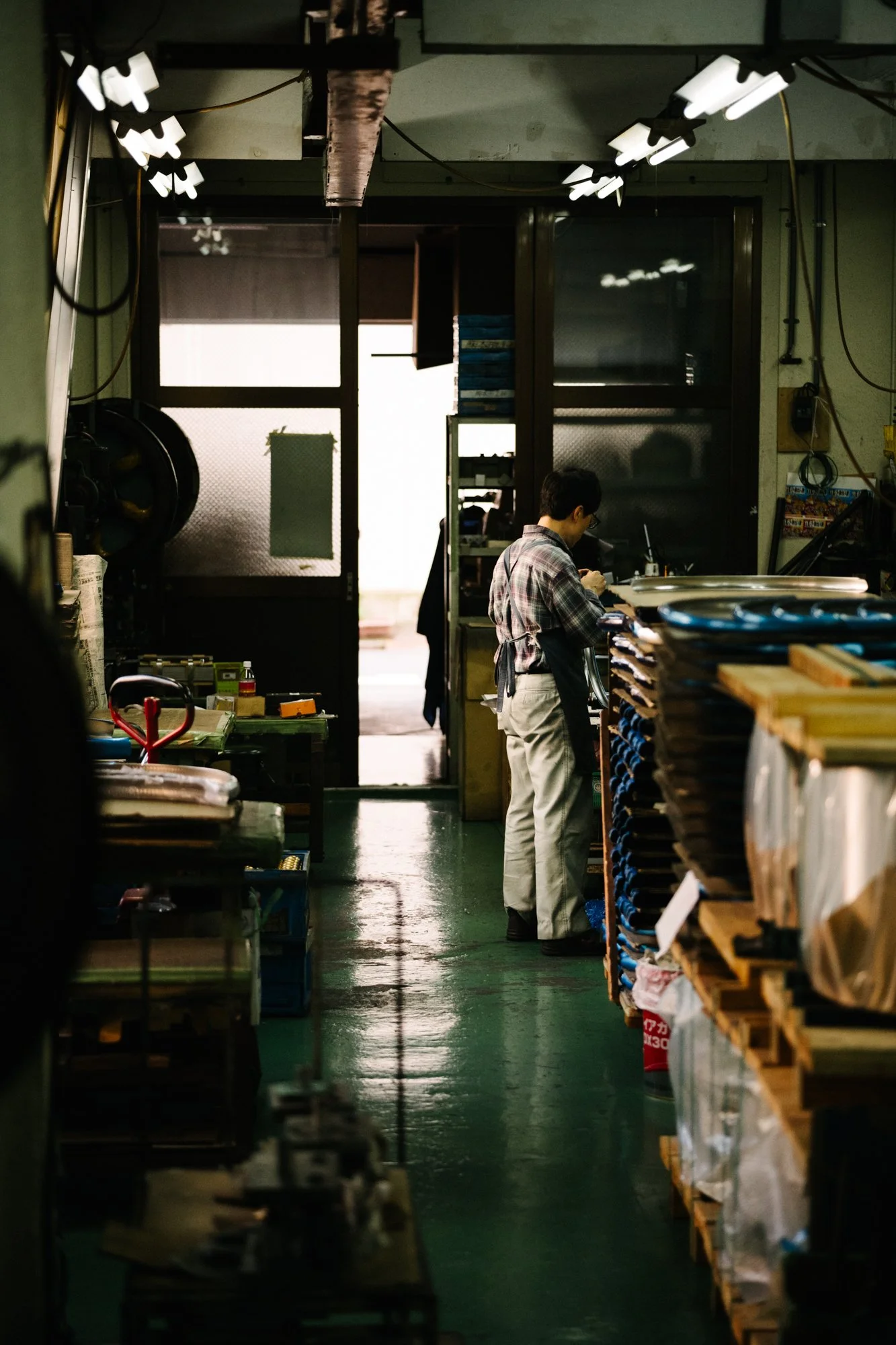
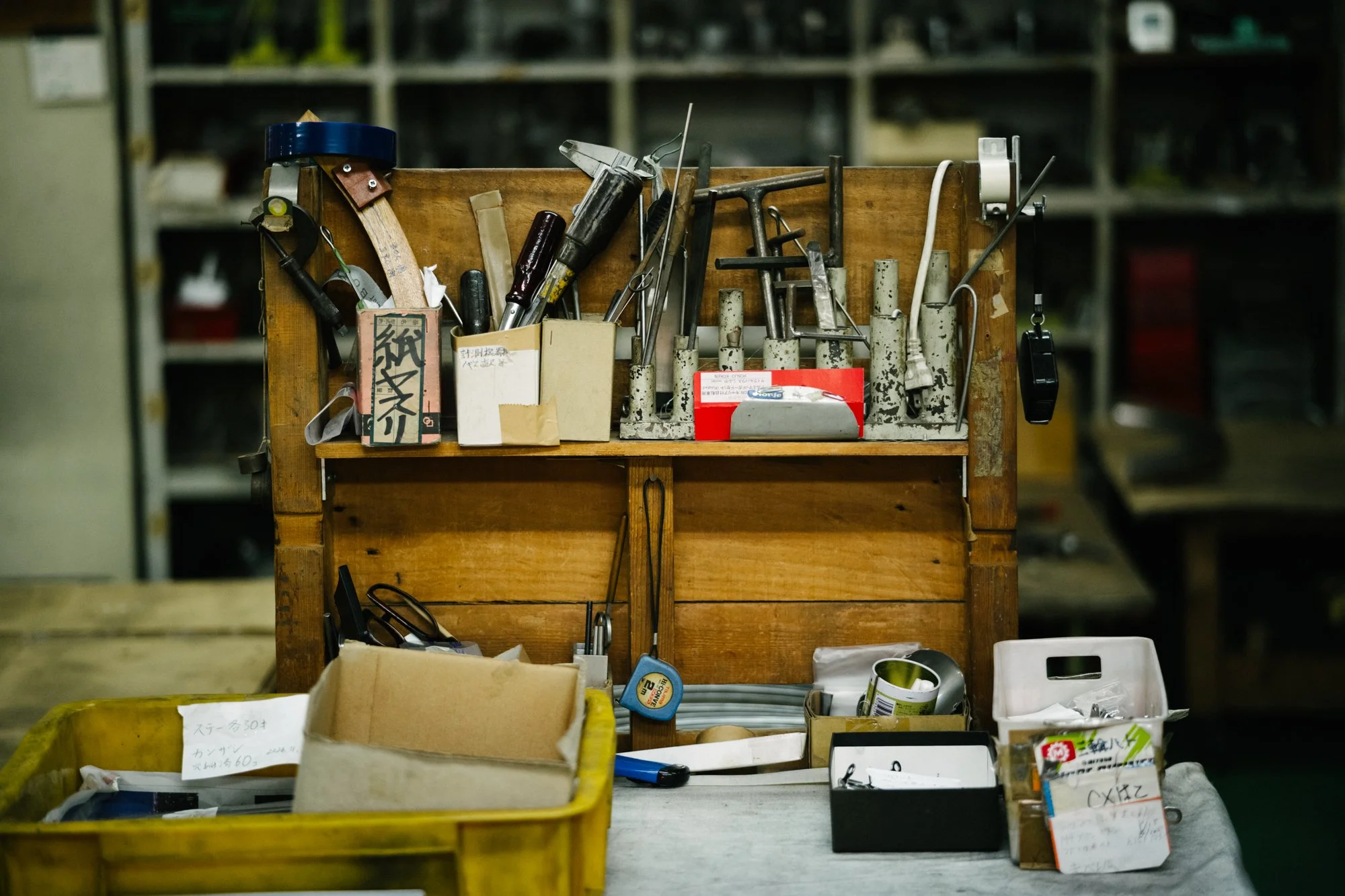
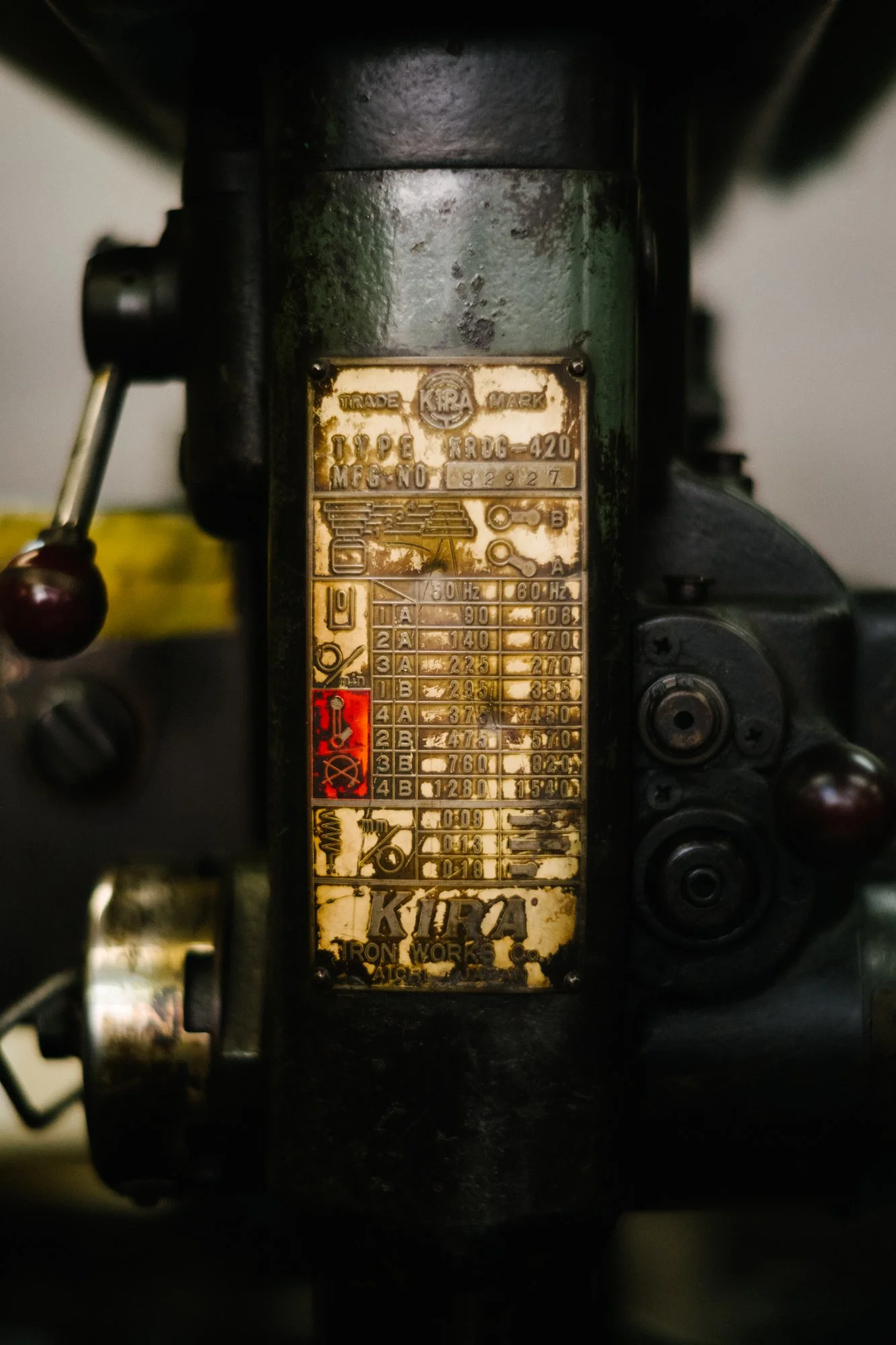
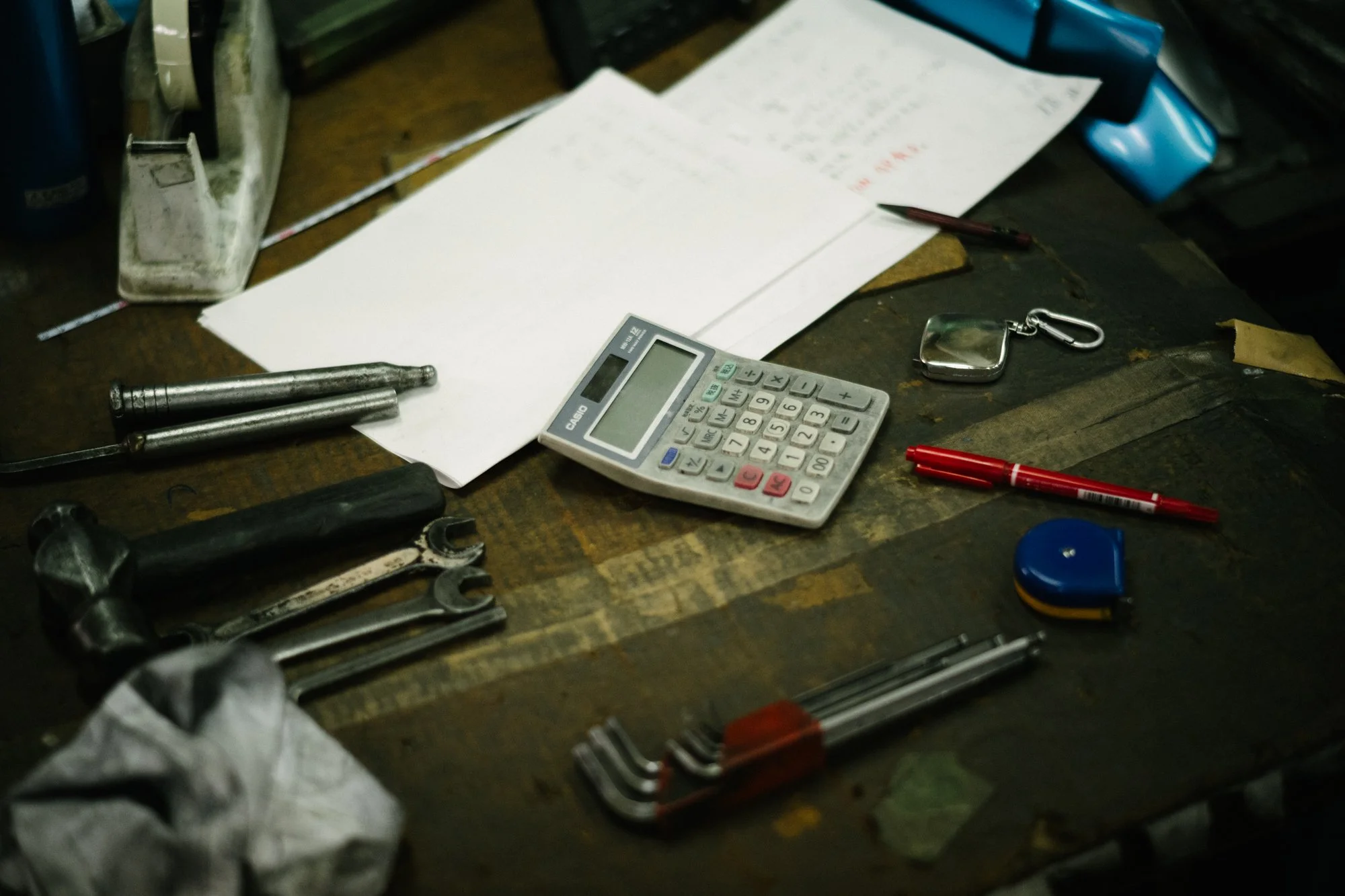
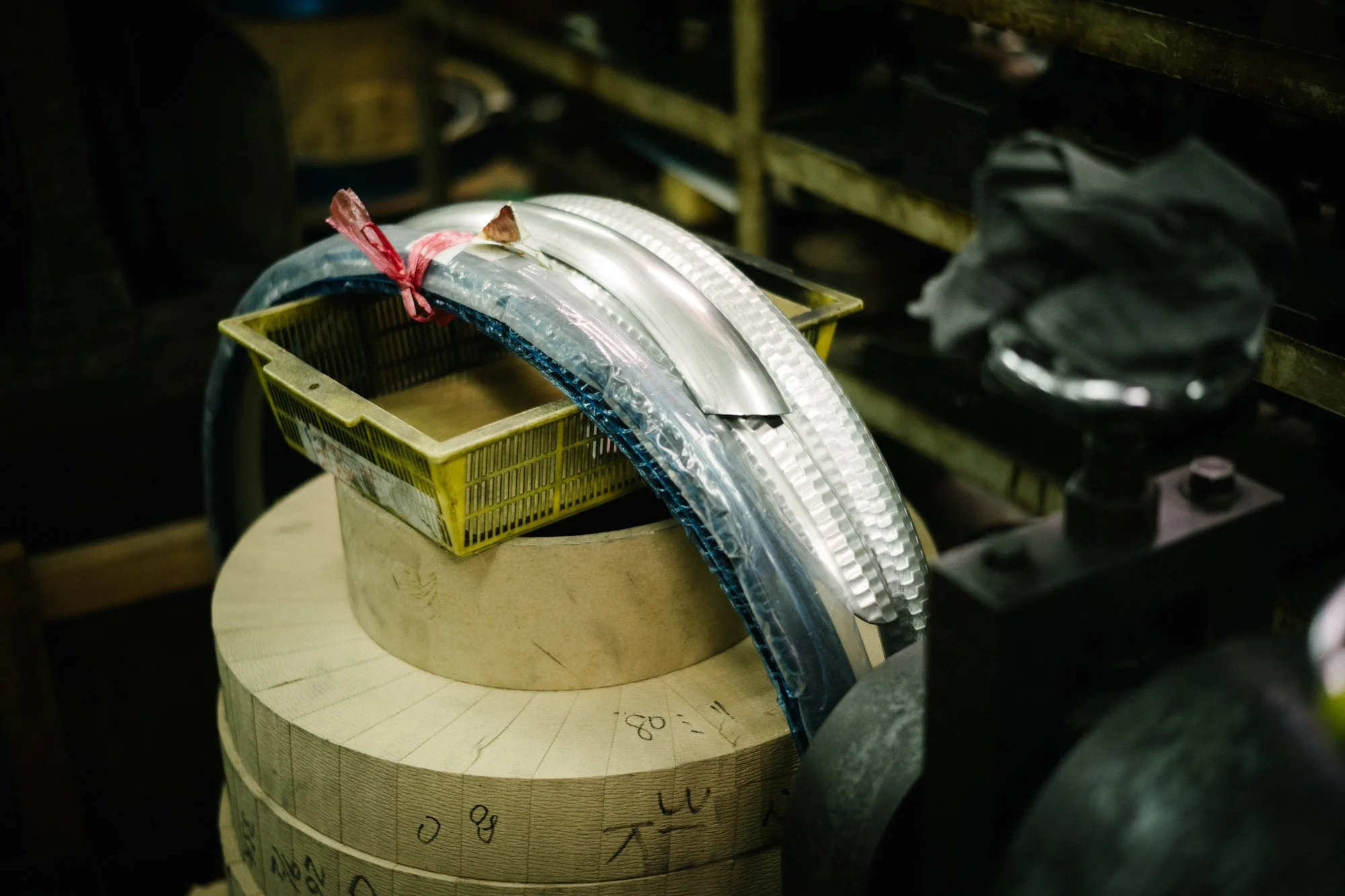
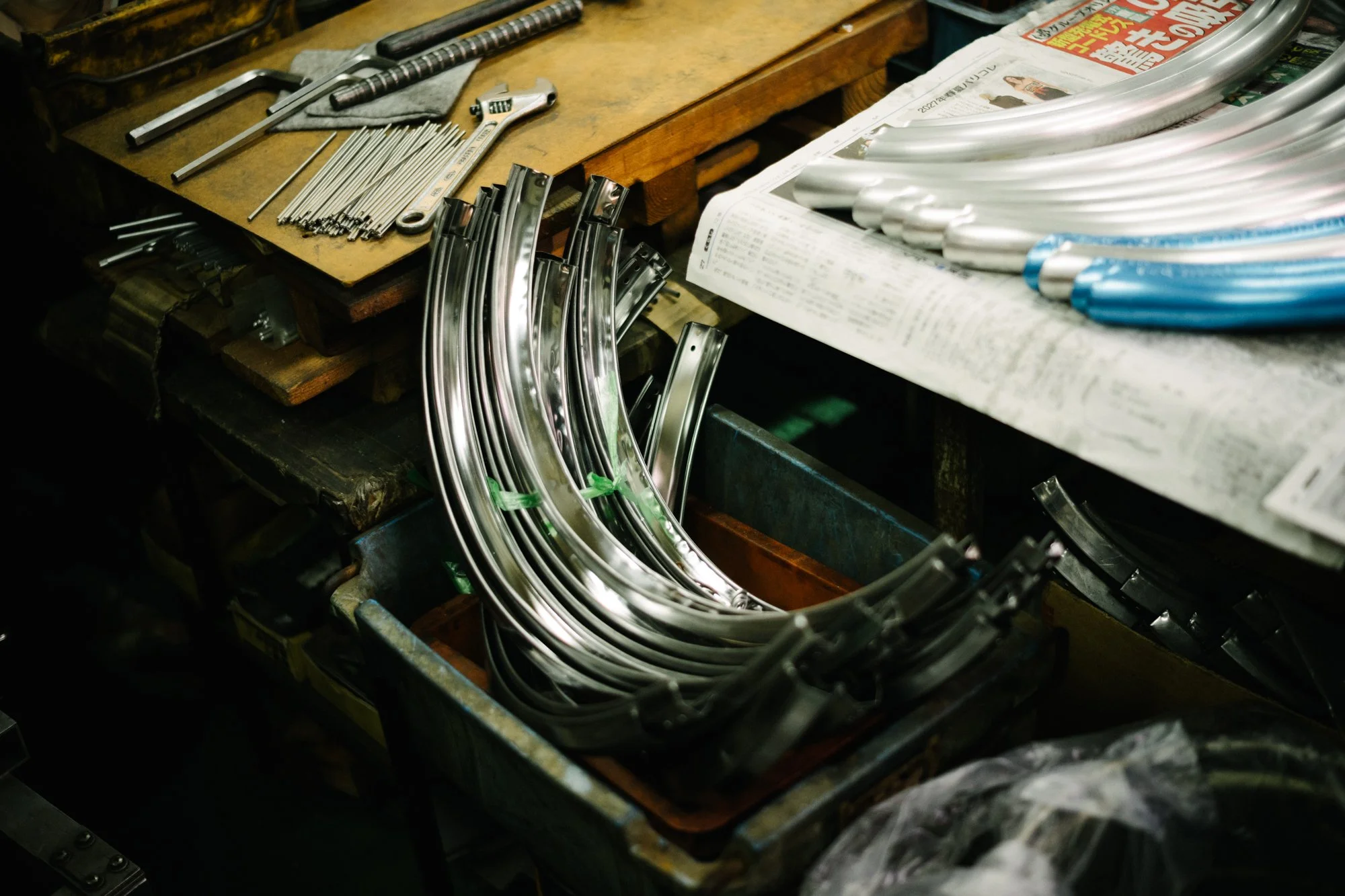
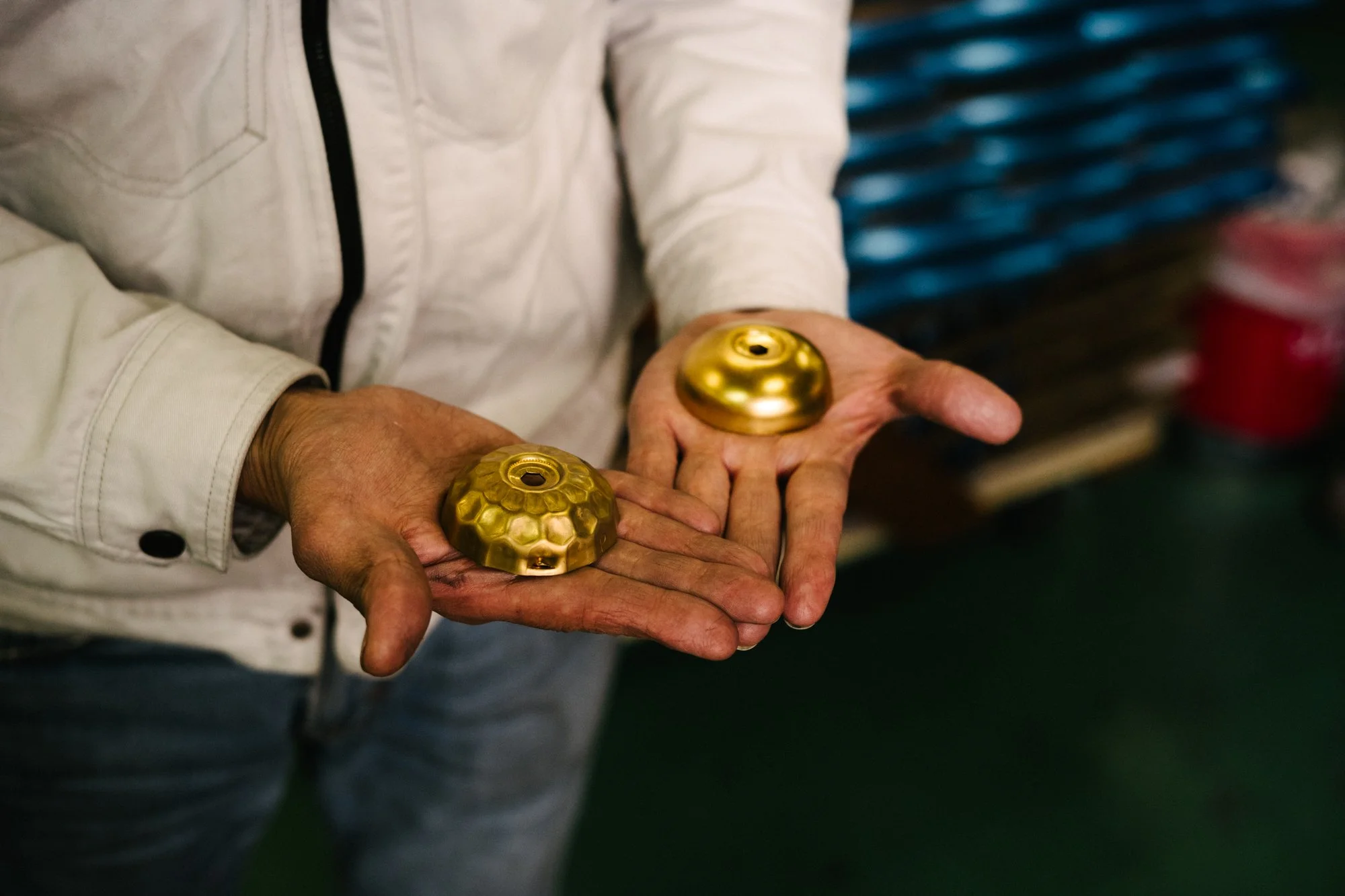
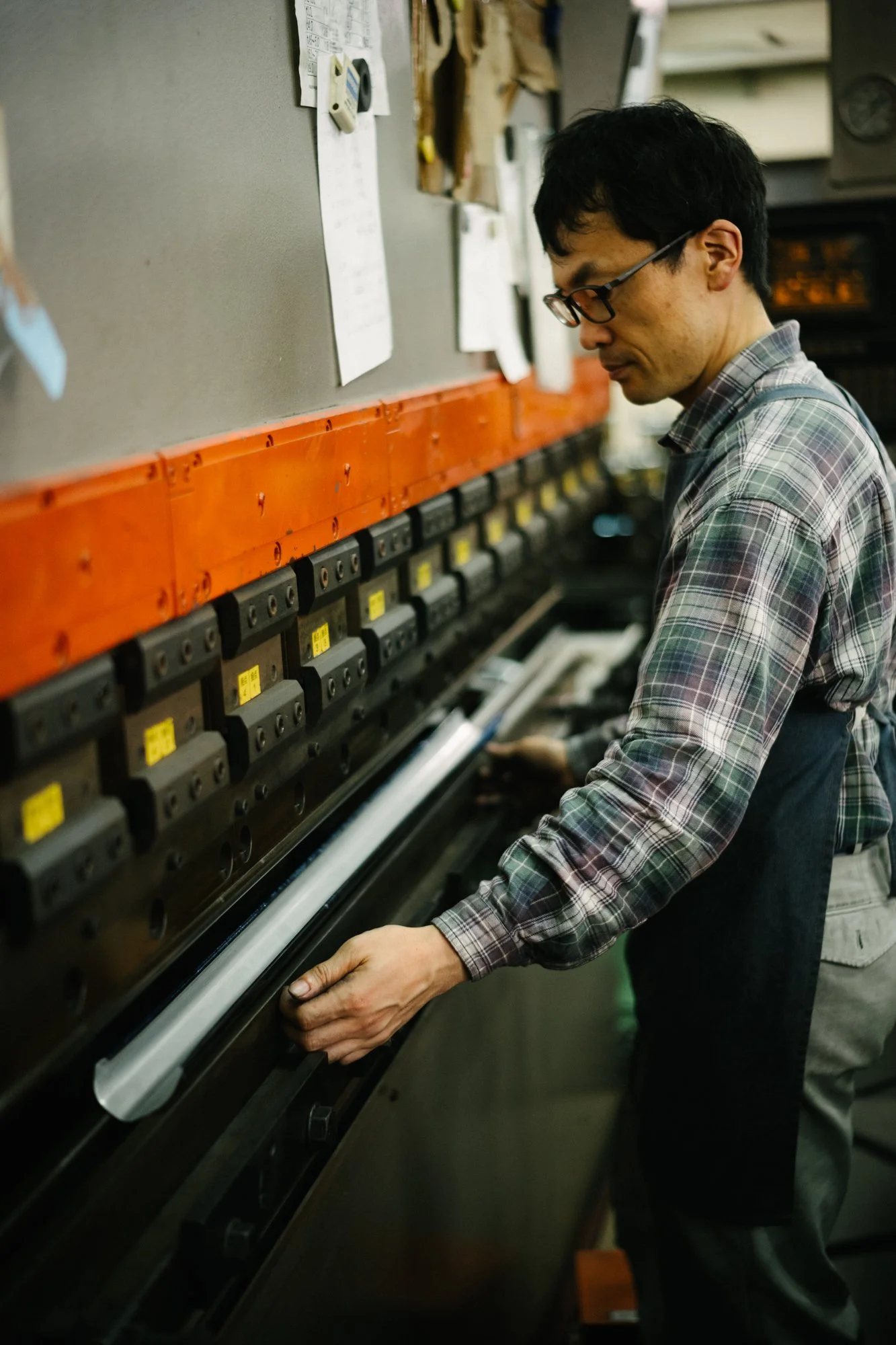
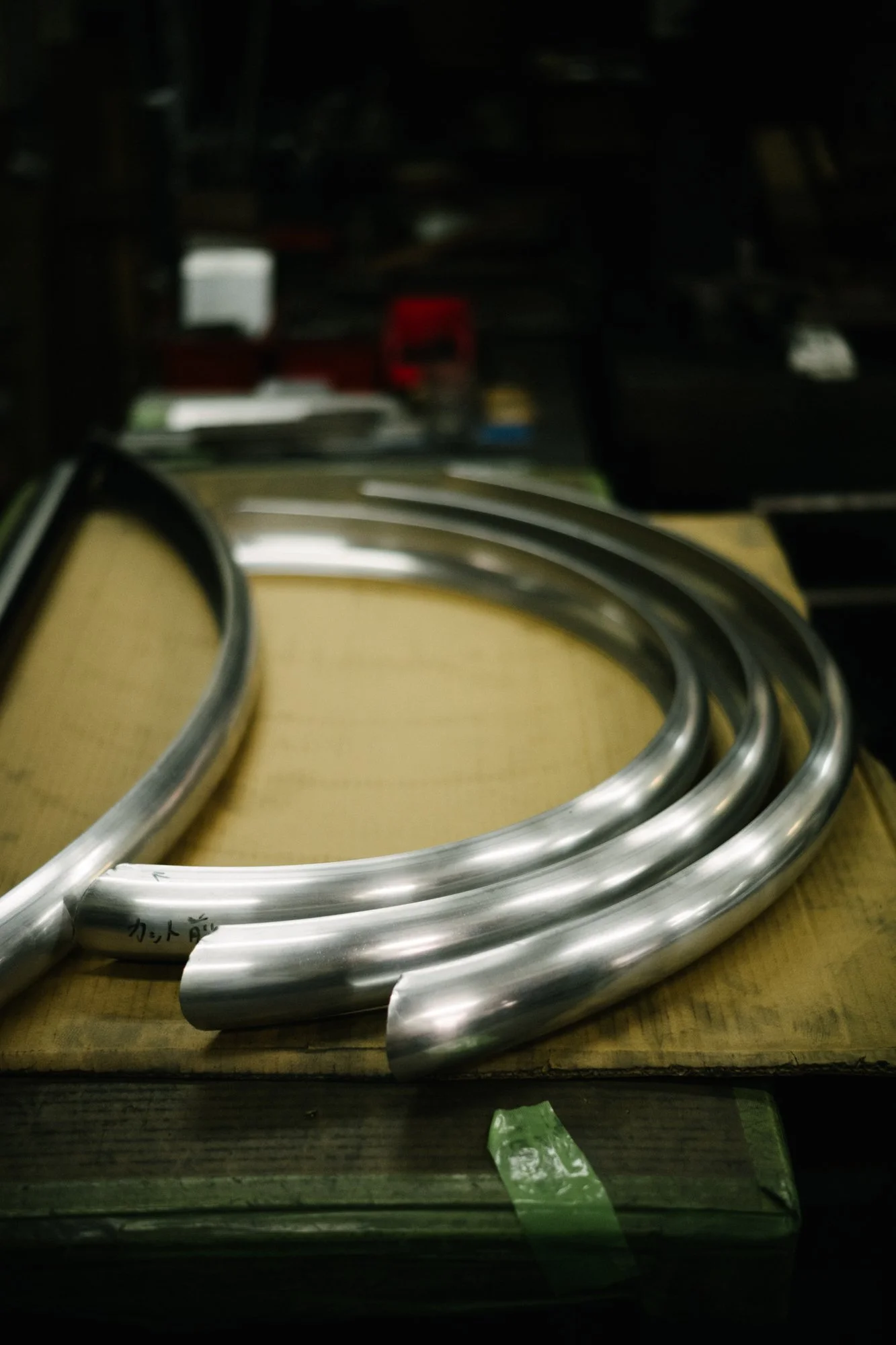
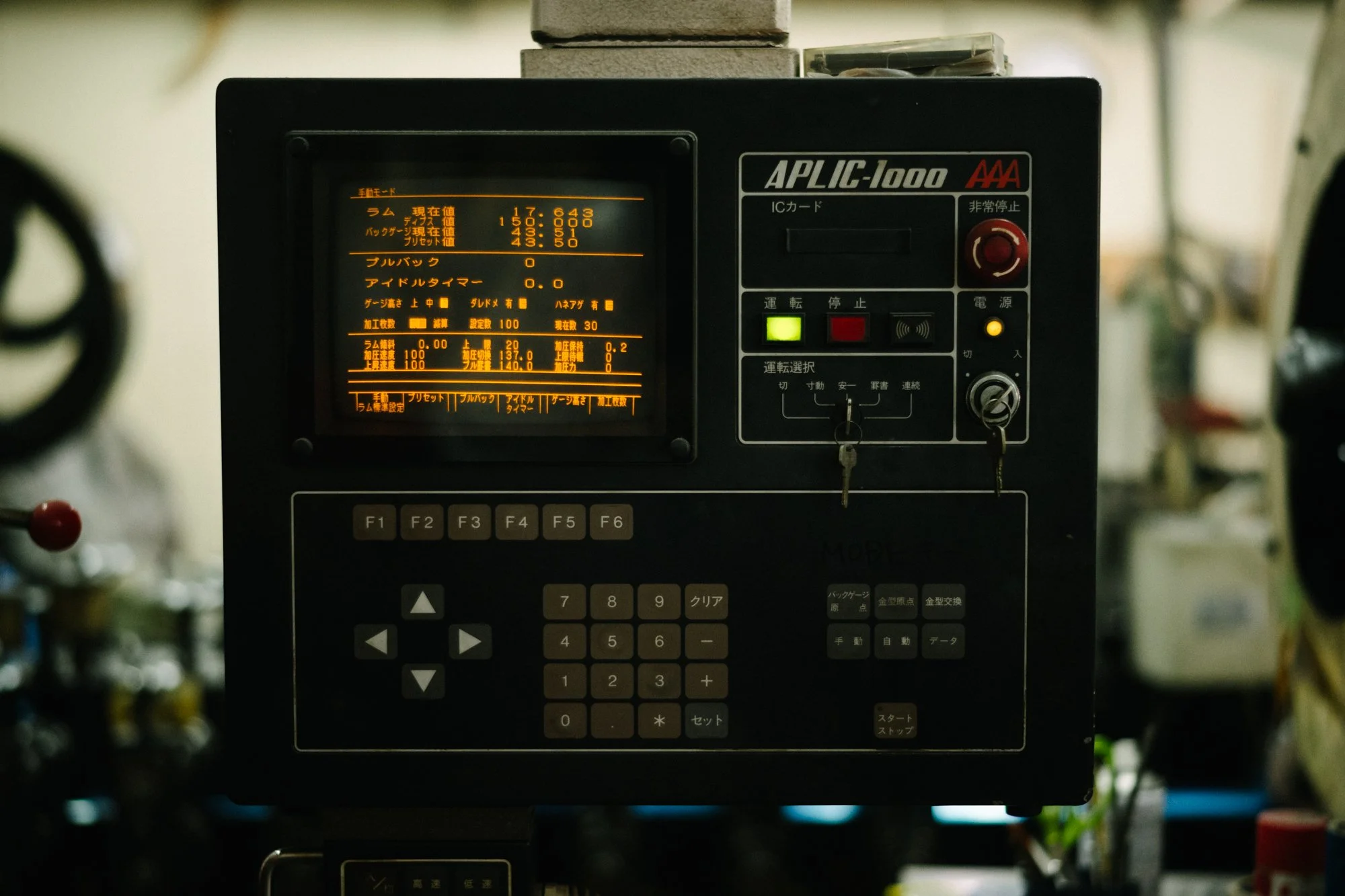
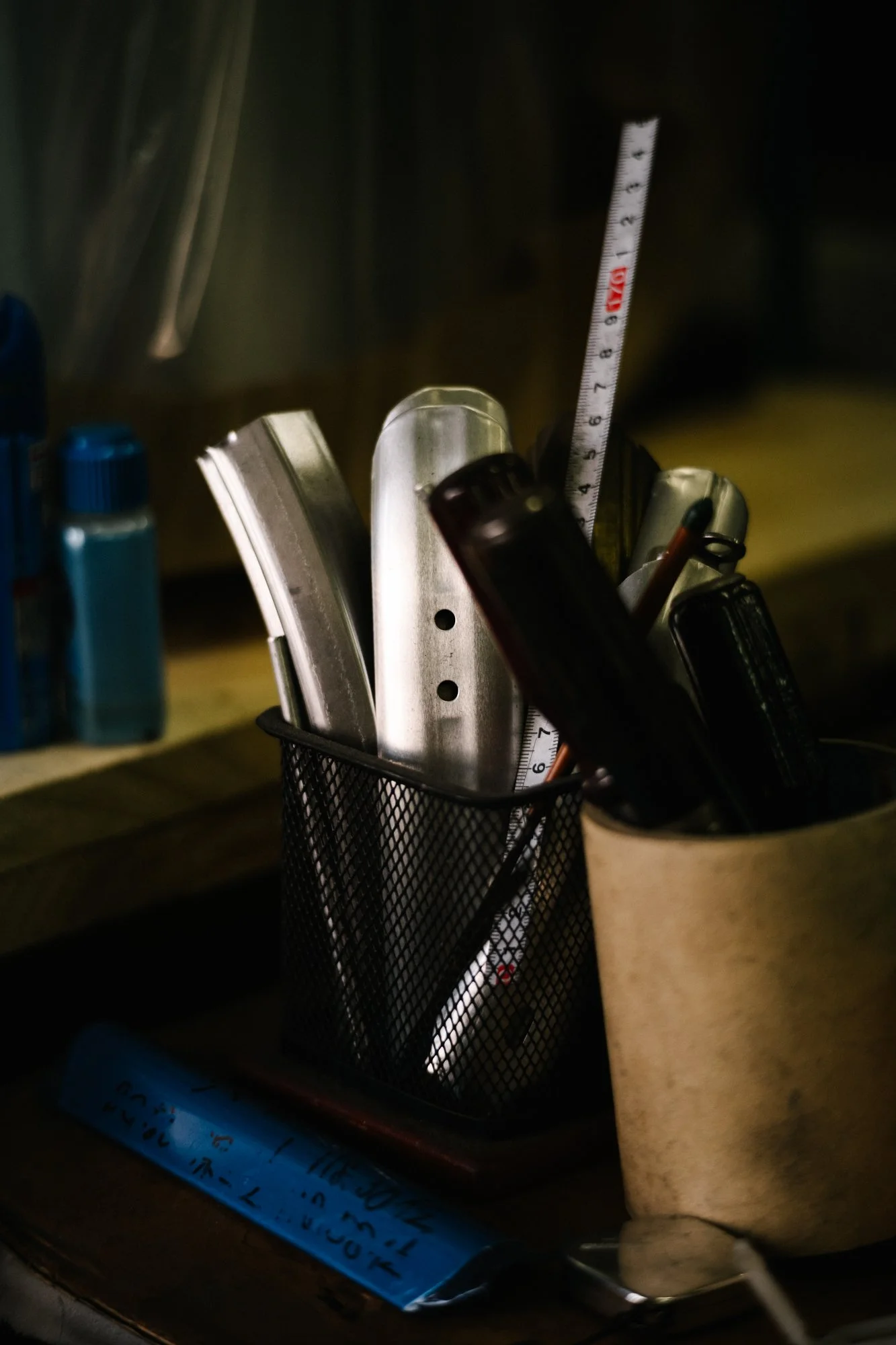
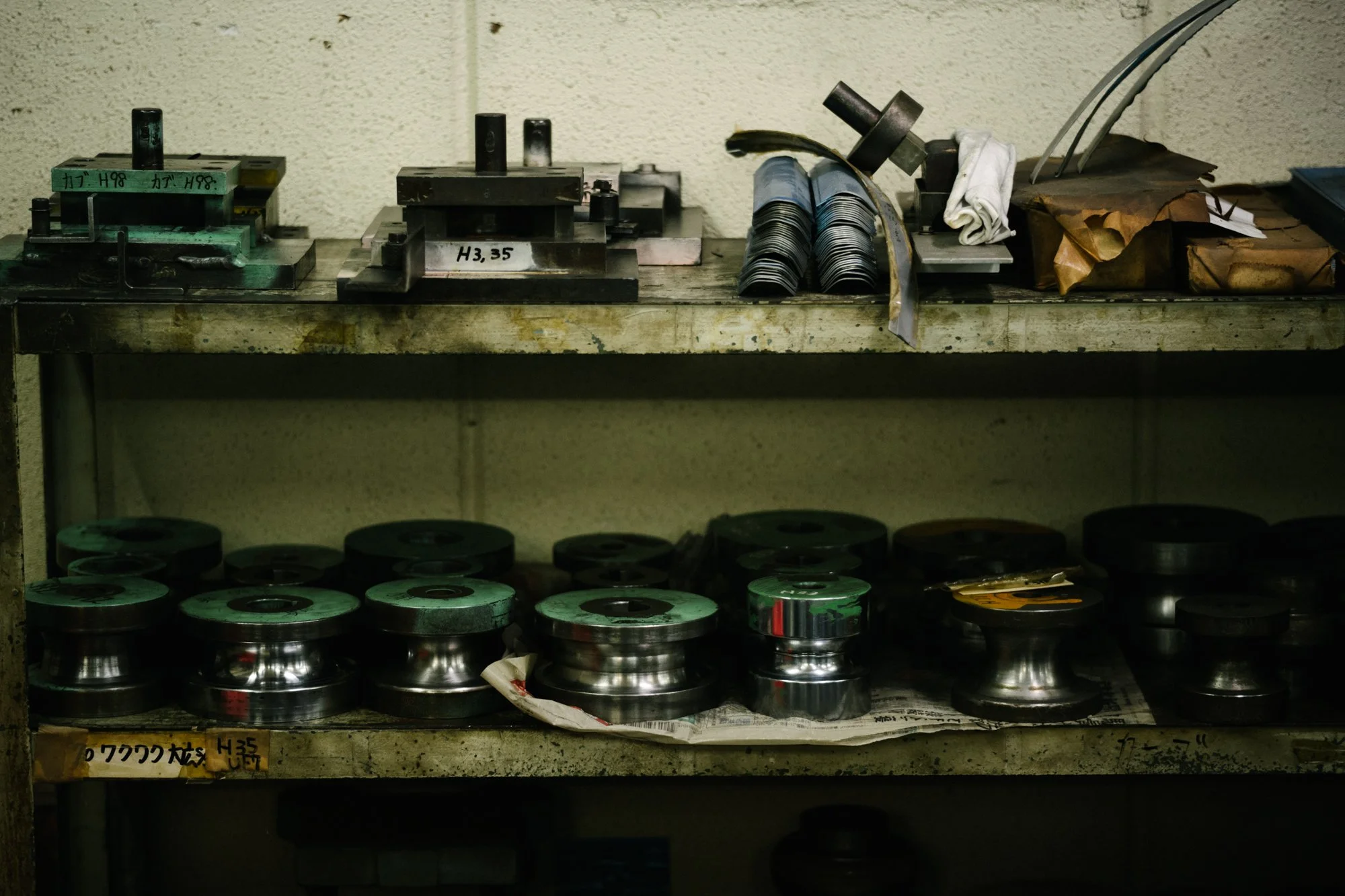
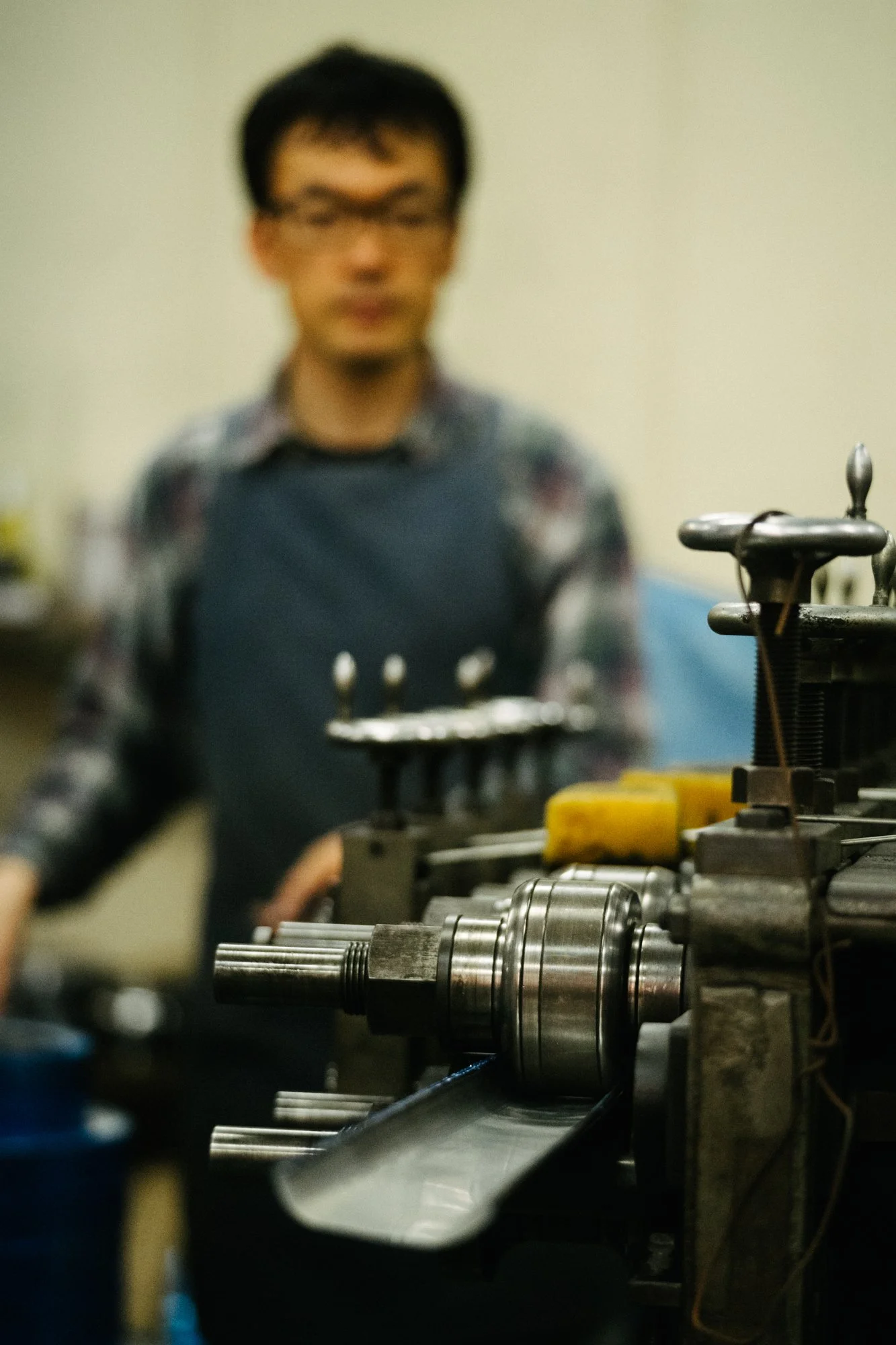
Is there something you know how to do today that you worry might disappear when experienced workers like yourself retire? How easy is it to pass that knowledge on?
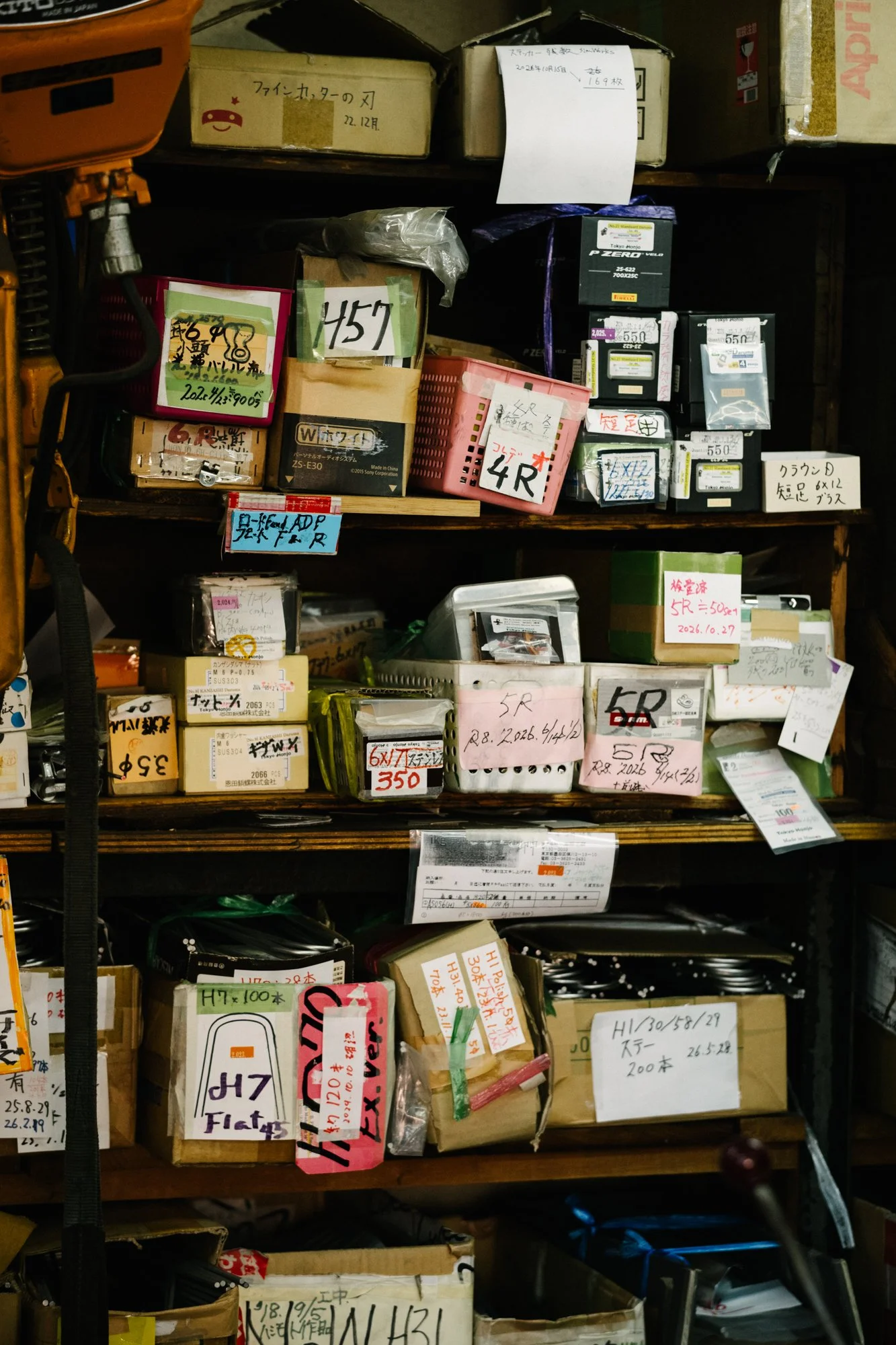
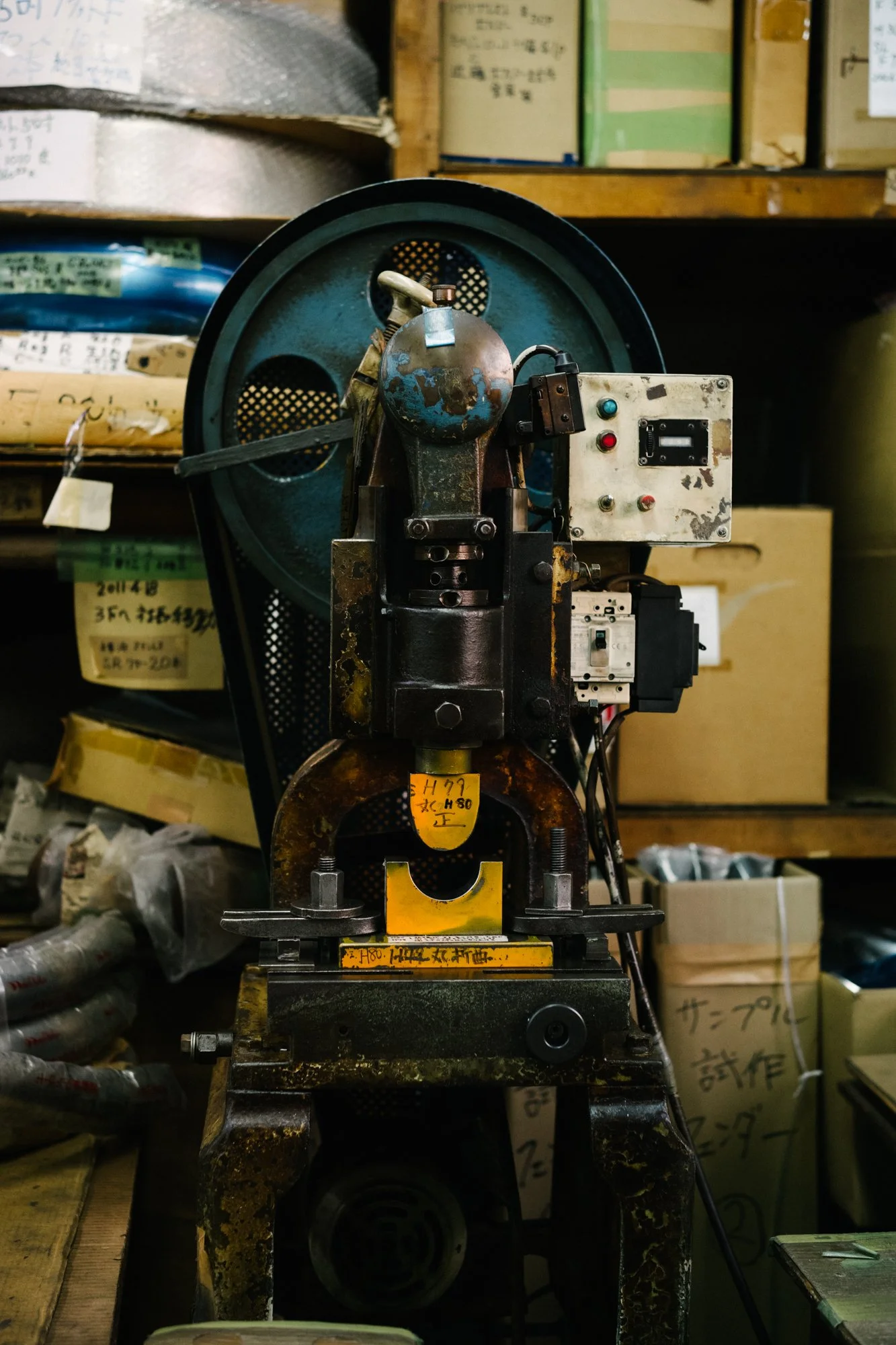
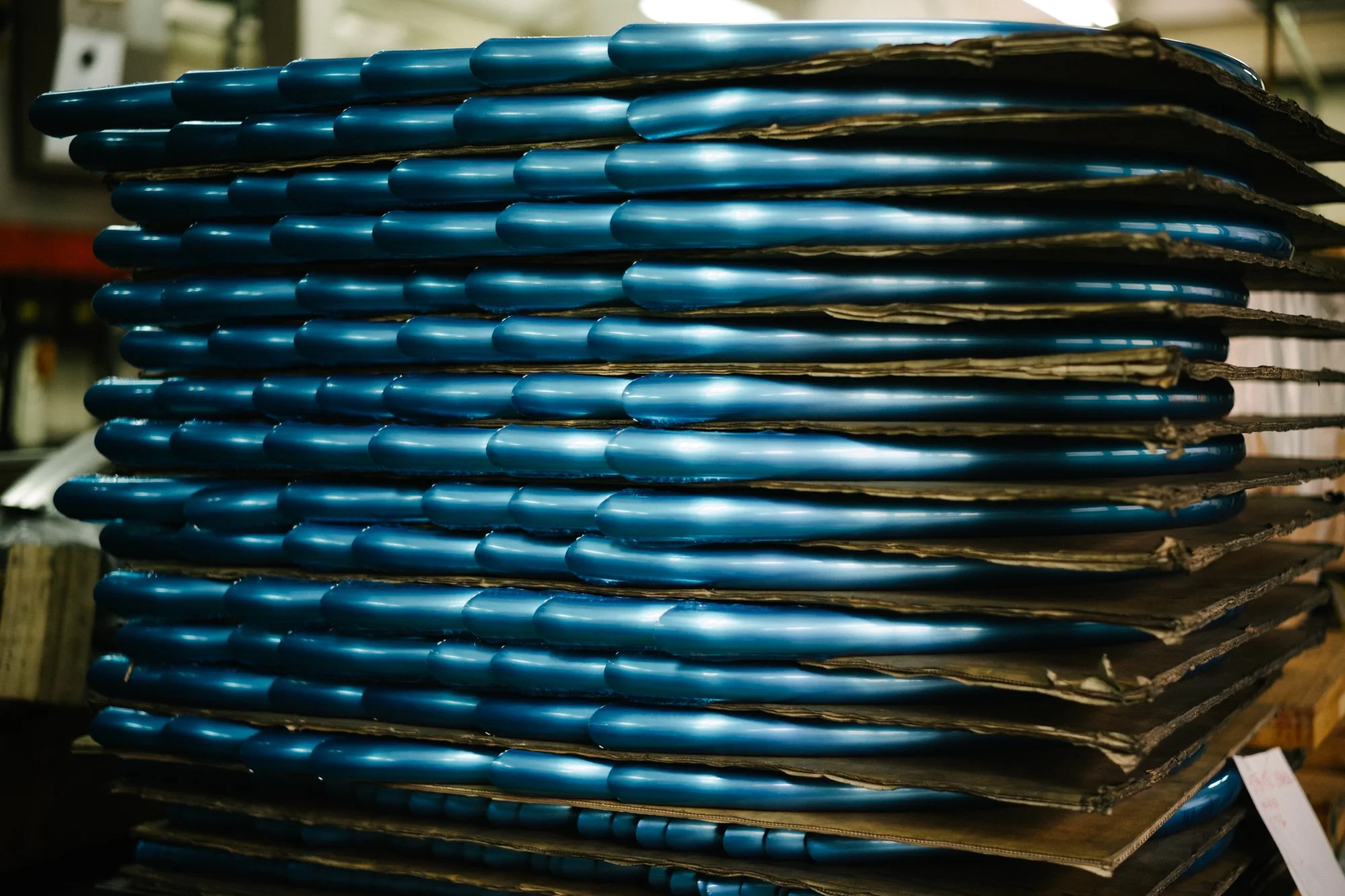
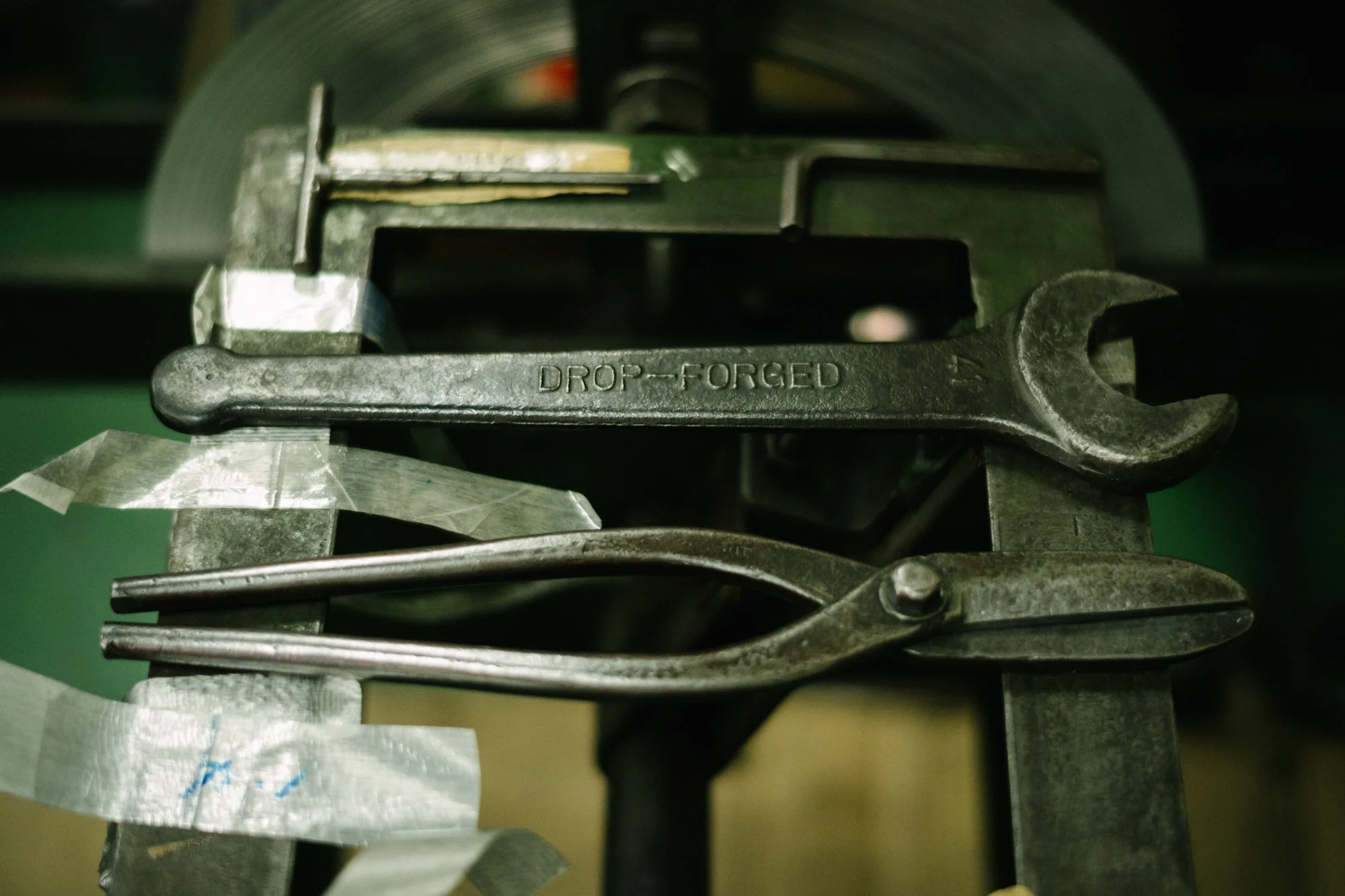
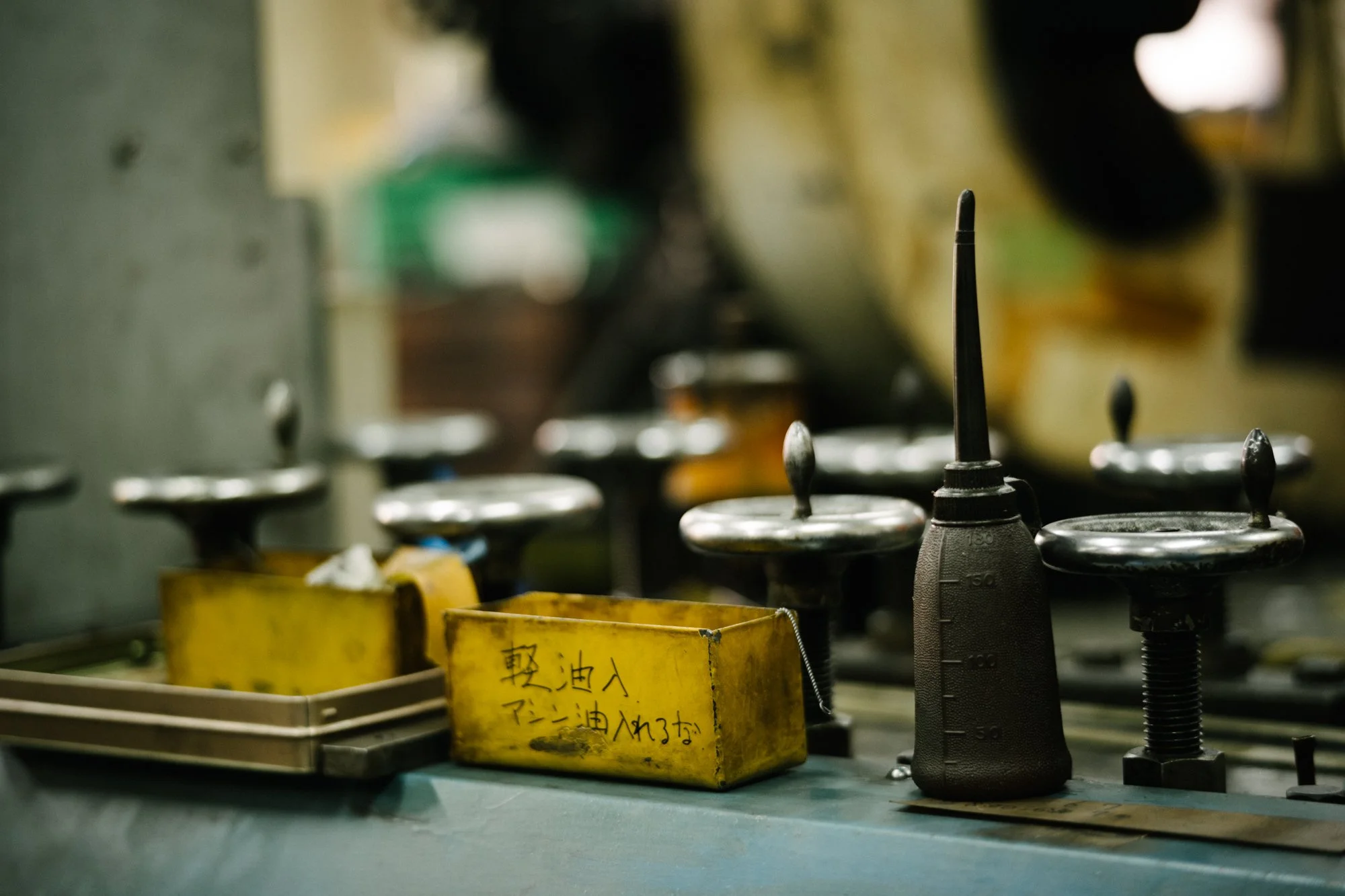
As I was saying, Honjo still relies on processes that require an immense amount of manual craftsmanship. While we've modernized certain steps to keep the business viable, much of what we do simply cannot be automated without losing the very characteristics that make our fenders what they are. Preserving these techniques means finding people who are genuinely interested in learning the craft, something that's becoming increasingly difficult as the pool of potential workers continues to shrink. Making these fenders takes time, and let's be honest, unlike a pair of pedals or a handlebar, you don't actually need fenders for your bike to work. But the satisfaction of completing some of the most technically demanding fenders out there is still unmatched, and I’m so thankful of everyone appreciating what we do here.
When you see someone riding a bicycle with a product you've helped make, how does that make you feel? What would you hope that person understands about the work behind it?
I remember the very first time I saw one of our products in use overseas. During the trade show in Las Vegas, I came out of a restaurant after dinner and saw a bicycle parked on the street fitted with Honjo fenders. Seeing that in person was an unforgettable, deeply joyful moment.
What I want people to understand is that even though a fender might look simple or unchanged on the surface, we are constantly refining our process and putting effort into the details you cannot see. We keep working hard behind the scenes so that the riders who care will always have a product built with true integrity.
I should build a fender bike soon…
💾: Leica SL
📍: Sumida - Tokyo
This Japan manufacturing tour was kindly sponsored by SimWorks.