Heads up everyone! This article is part of a collaboration with The Radavist! You can find more on Nitto and the way they do thing in this article: theradavist.com
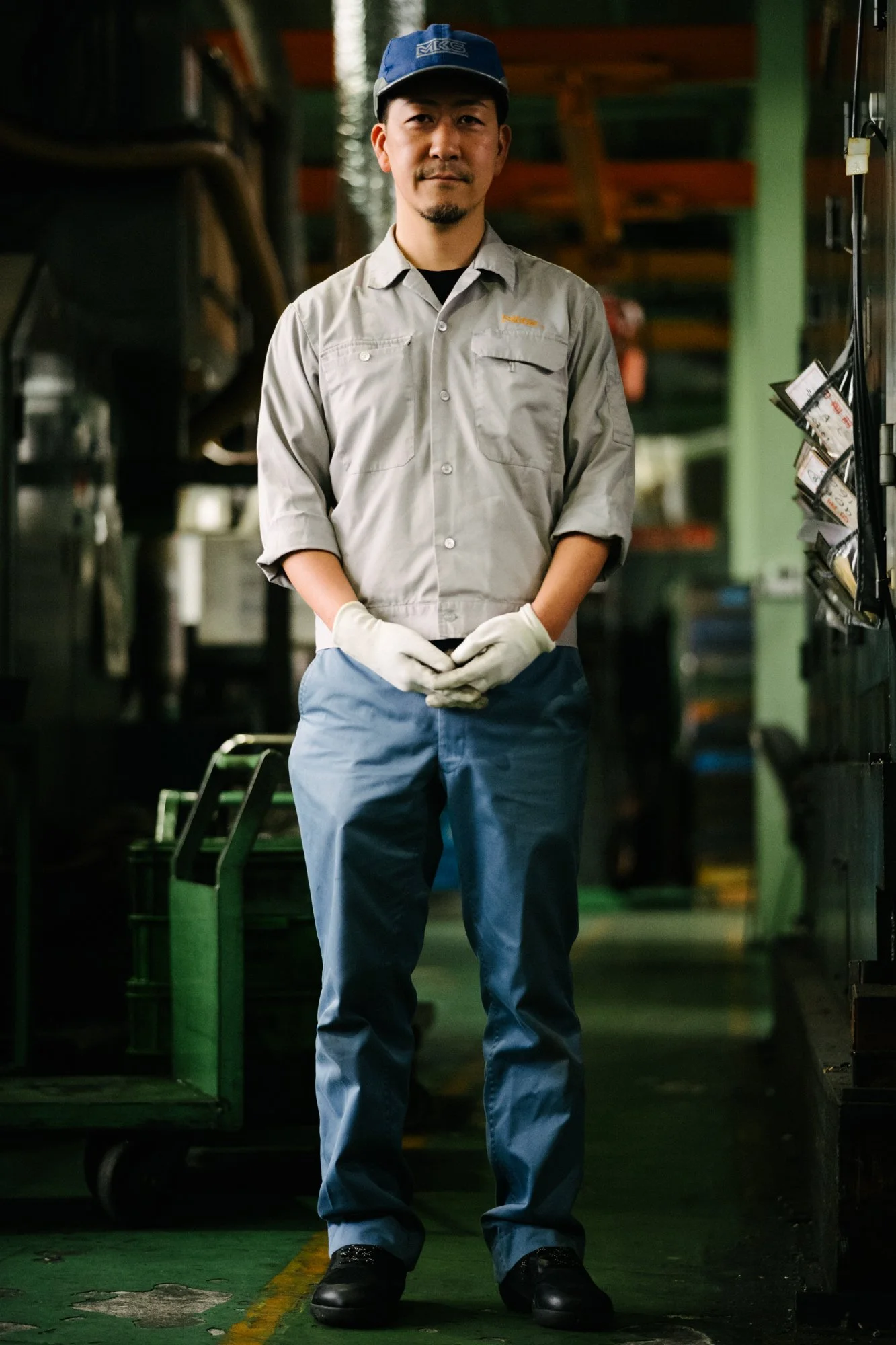
For the final article in this series, Cari, John, Kimura-San and I headed out of Tokyo and into Saitama Prefecture for the last factory visit of the trip: Mikashima, a.k.a. MKS pedals have been an institution for just over 80 years, although the company itself actually started out making aircraft components a few years before that. This time, I sat down with Yubamoto-san, who is currently next in line to take over the big chair at MKS headquarters, to talk about the company's history, its approach to manufacturing, and what the future might hold for one of Japan's most respected pedal makers.
Paul - How long have you been working here, and what brought you into this particular line of work?
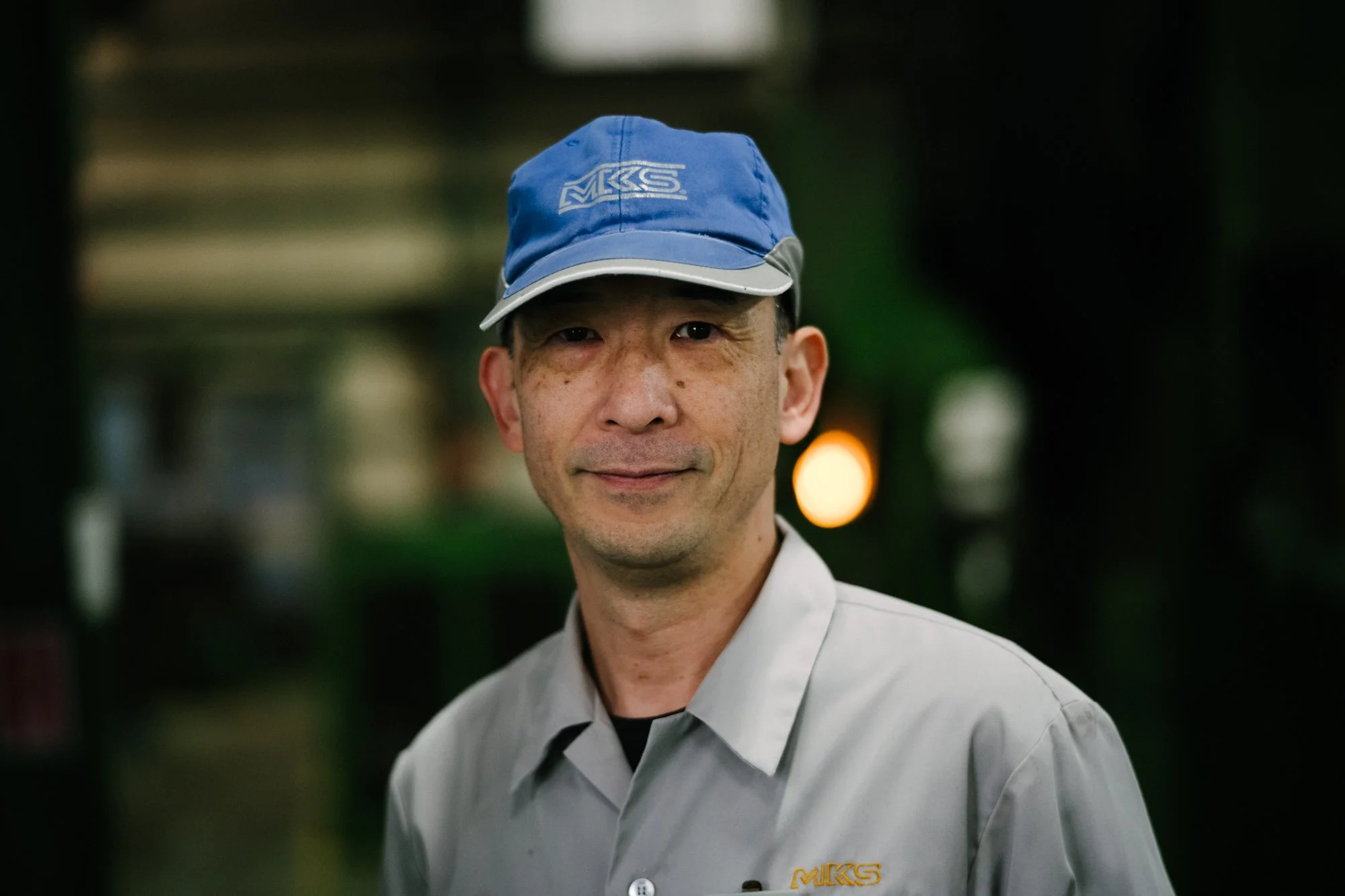
Kenta Yubamoto - I joined MKS in August 2013, so I have been working here for 13 years. My first contact wit the company was because I married the current president’s daughter around 2011. Before joining, I lived in Fukuoka, working at a residential facility supporting elders with intellectual disabilities. The president repeatedly invited me to join MKS, and after thinking it over, I decided to make the transition in 2013.
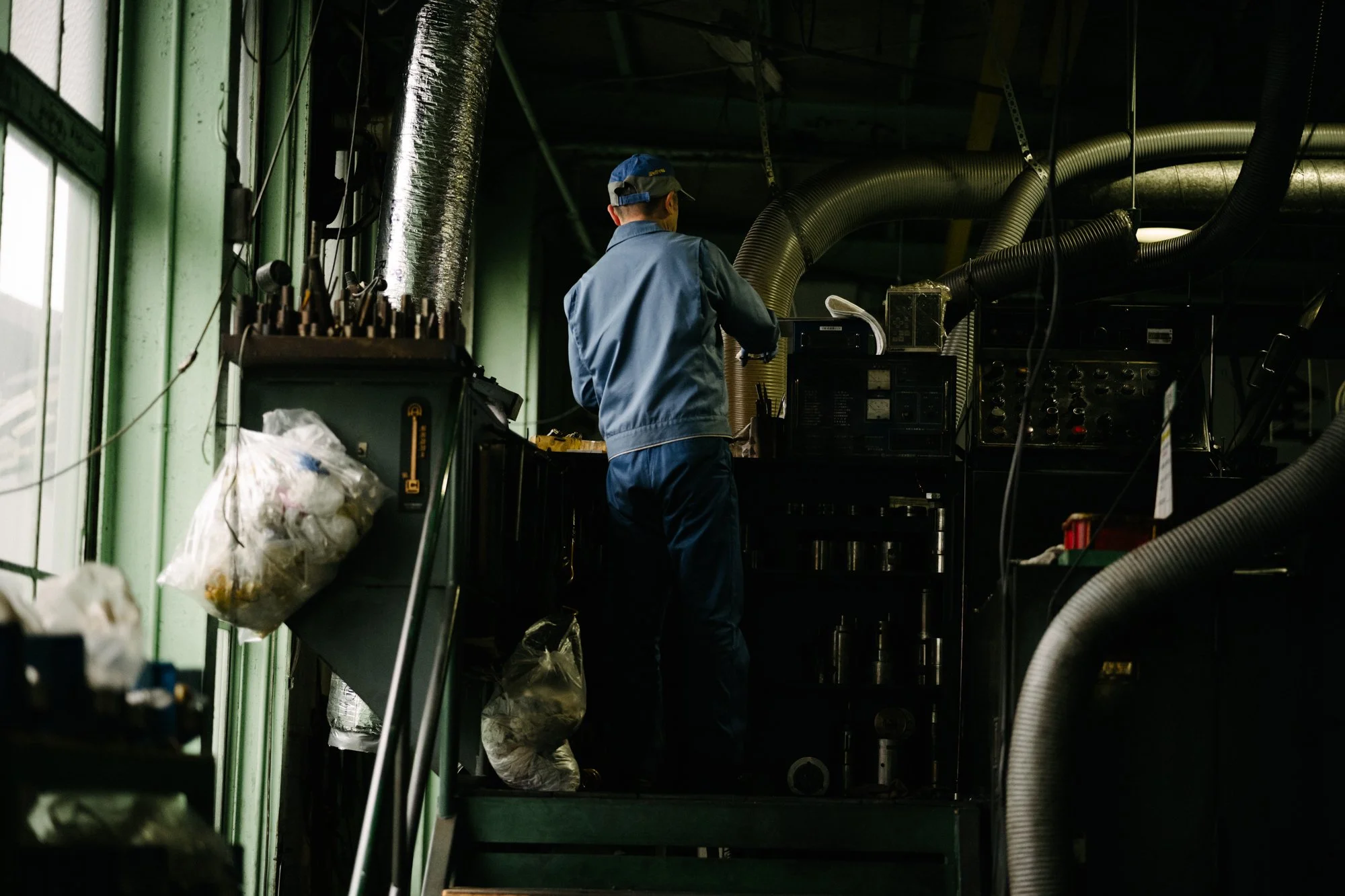
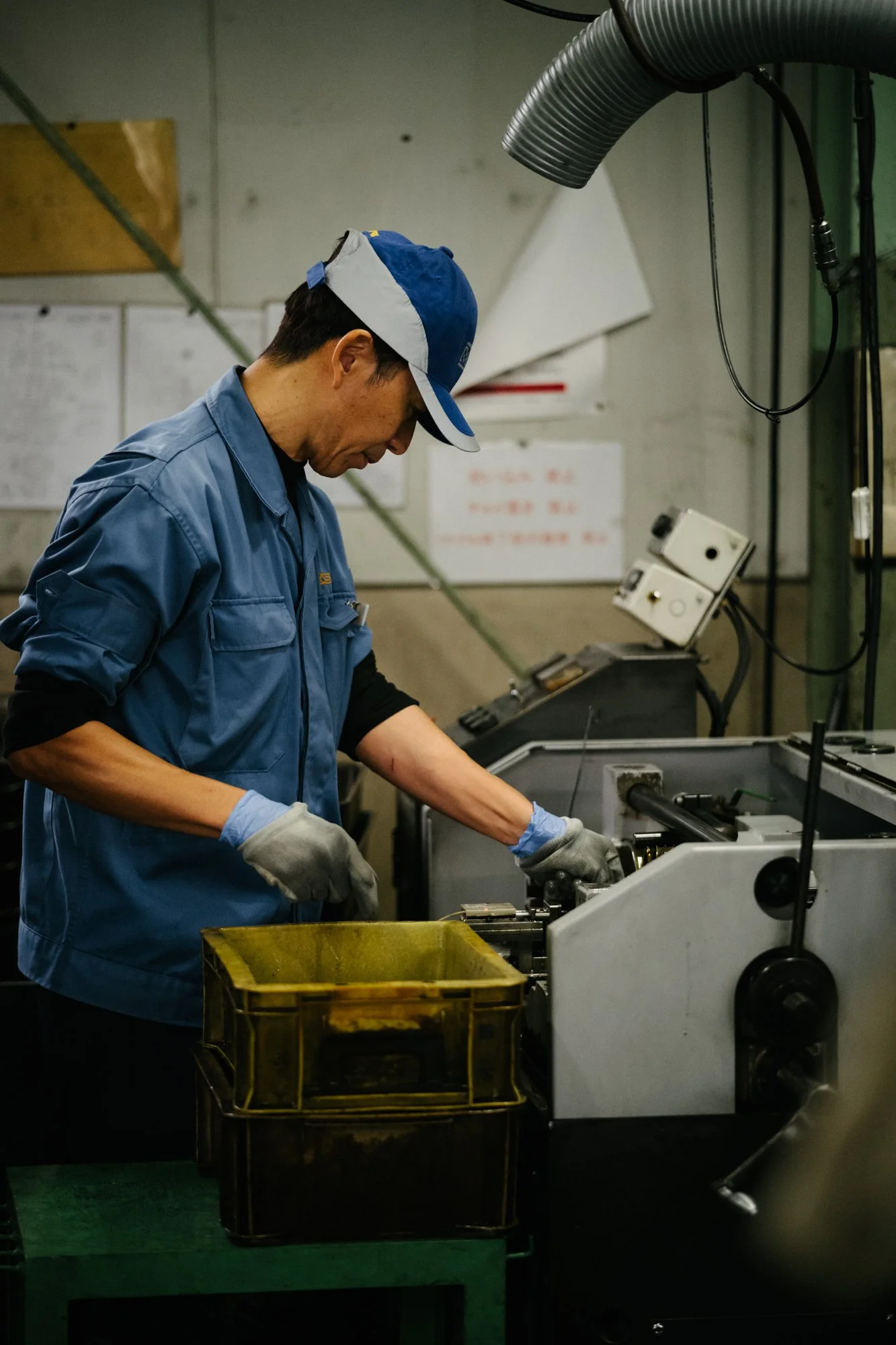
Coming from social care, manufacturing was obviously a completely new world for me. I had no technical background, but I learned after some time on the shop floor, by listening and learning from all the professional and talented craftsmen we have here at the factory.
What does quality mean to you personally? Is there a detail in your work that you pay particular attention to that customers might never notice?
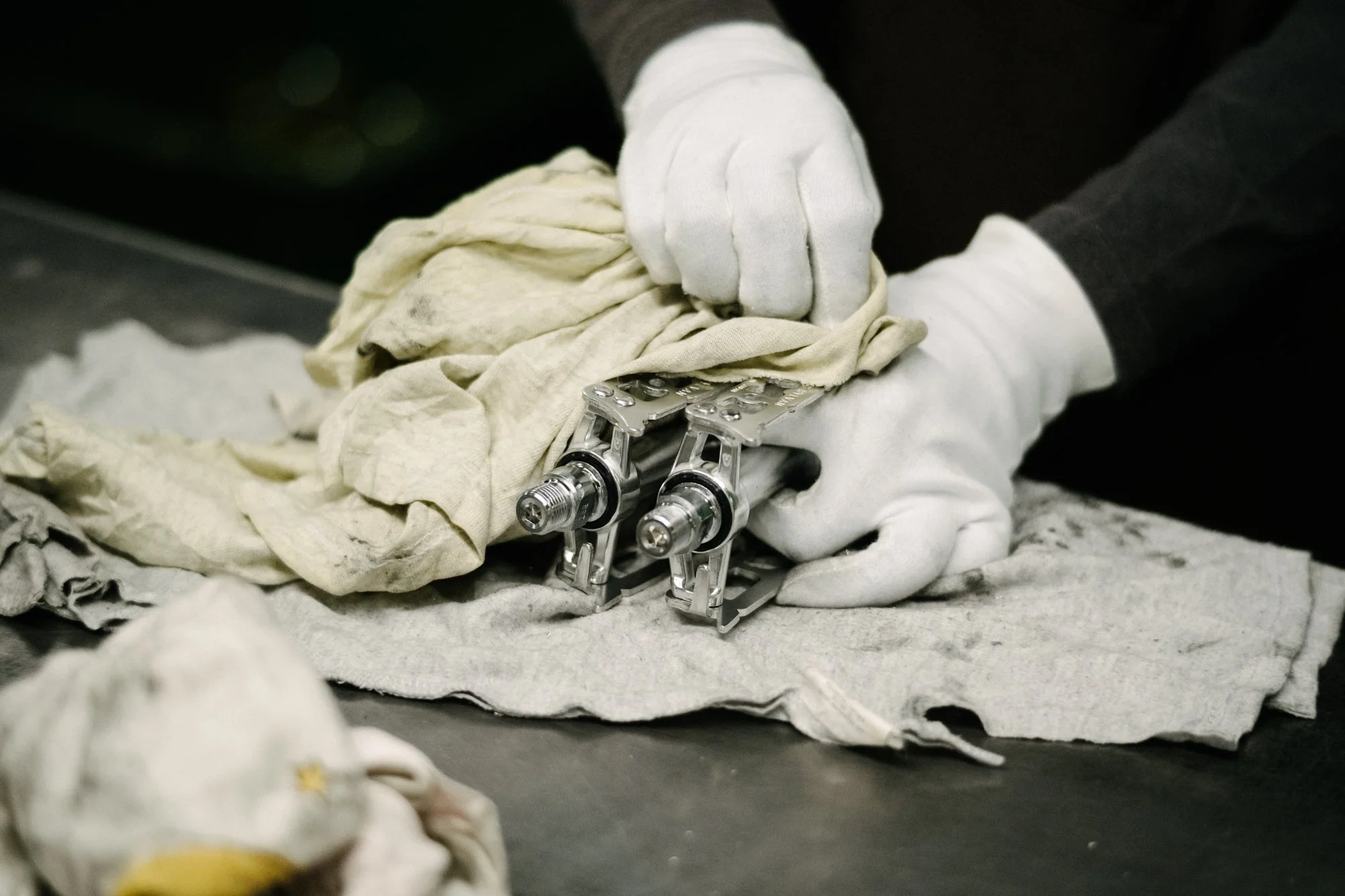
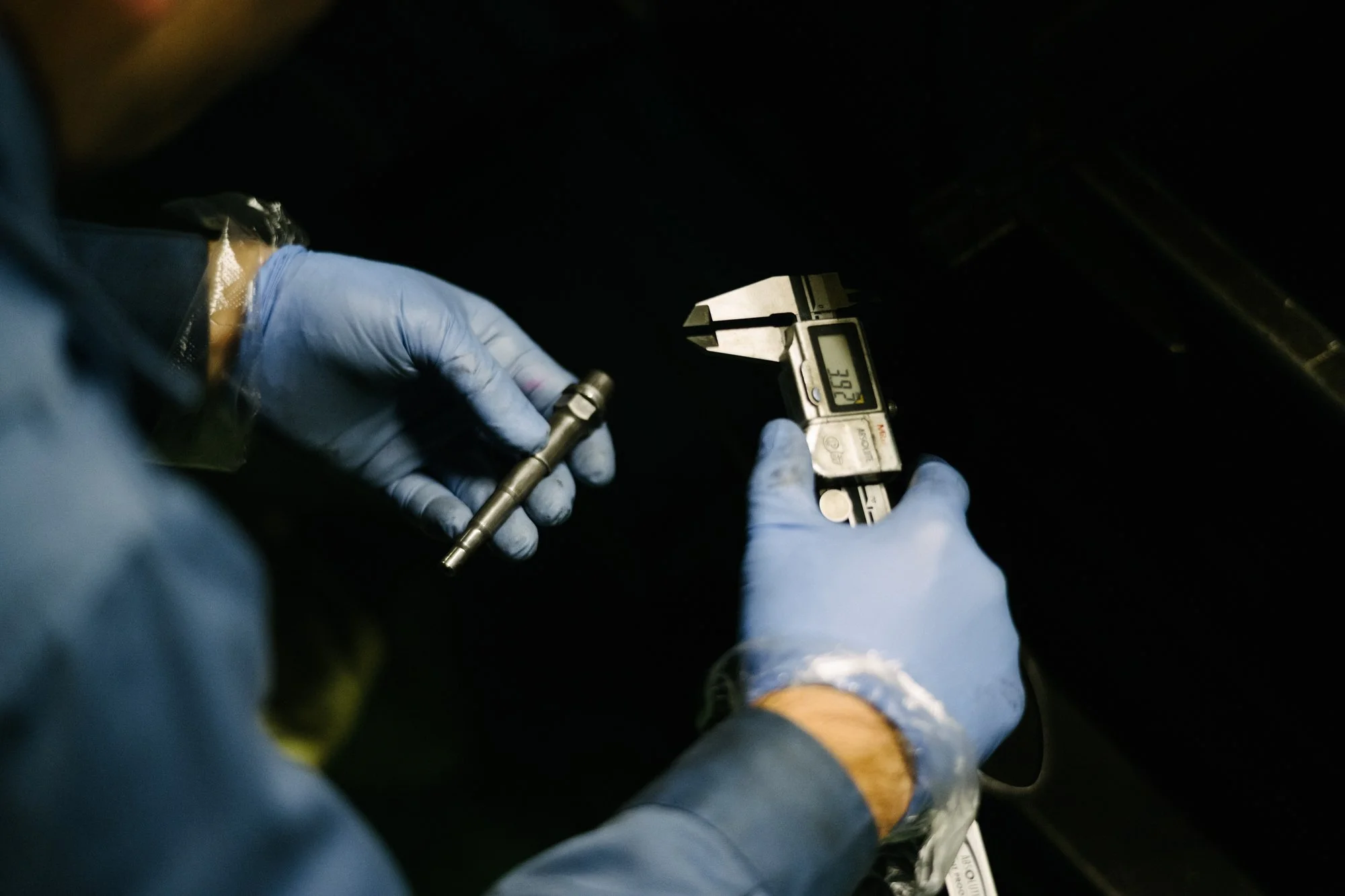
MKS pedals have a long-standing reputation for being virtually unbreakable, but the techniques behind that durability are rarely visible to the people riding them. For example, every single pedal has its bearing preload manually adjusted, one by one, before leaving the factory. There's also a lot of attention paid to precision machining, particularly when it comes to maintaining perfect tolerances between the various parts and bearings. It seems simple, but ensuring that the axle rotates straight and smoothly, without unwanted play or friction, will help the pedals maintain their performance over many years of use.
Do you feel that Japanese manufacturing puts more emphasis on making a good product than on promoting it?
Yes! Our primary focus is to let the product speak for itself, communicating with riders through performances and ride quality.
While MKS is not overly aggressive with conventional marketing, I personally manage our Instagram and Facebook pages. Rather than running typical advertising campaigns, I use social media to build direct relationships with riders worldwide (for example, I recently connected with the local cycling community in Indonesia before my trip next month). Because MKS handles design, engineering, and manufacturing entirely in-house, unlike many brands that outsource production, sharing authentic photos of our actual factory operations is probably what creates genuine trust with our users.
What has changed the most since you started working here? Have manufacturing techniques, working conditions, or the people around you changed?
Several important changes have taken place over the years. Back in the 1980s and 90s, MKS was heavily focused on producing high volumes of OEM pedals for complete bikes. But as price competition became increasingly difficult to sustain, we slowly shifted our focus towards developing higher-end pedals designed around the specific needs of different riders.
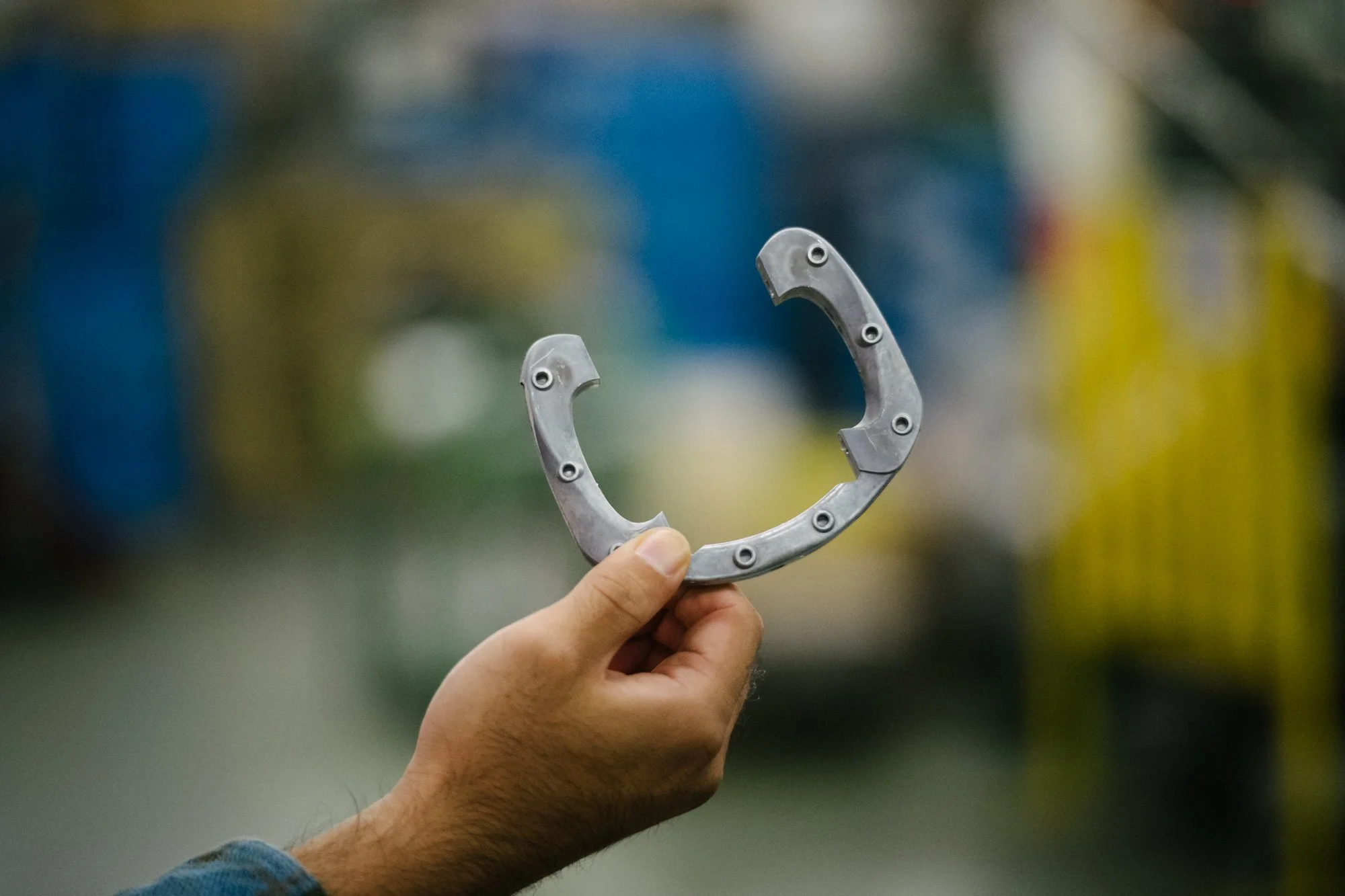
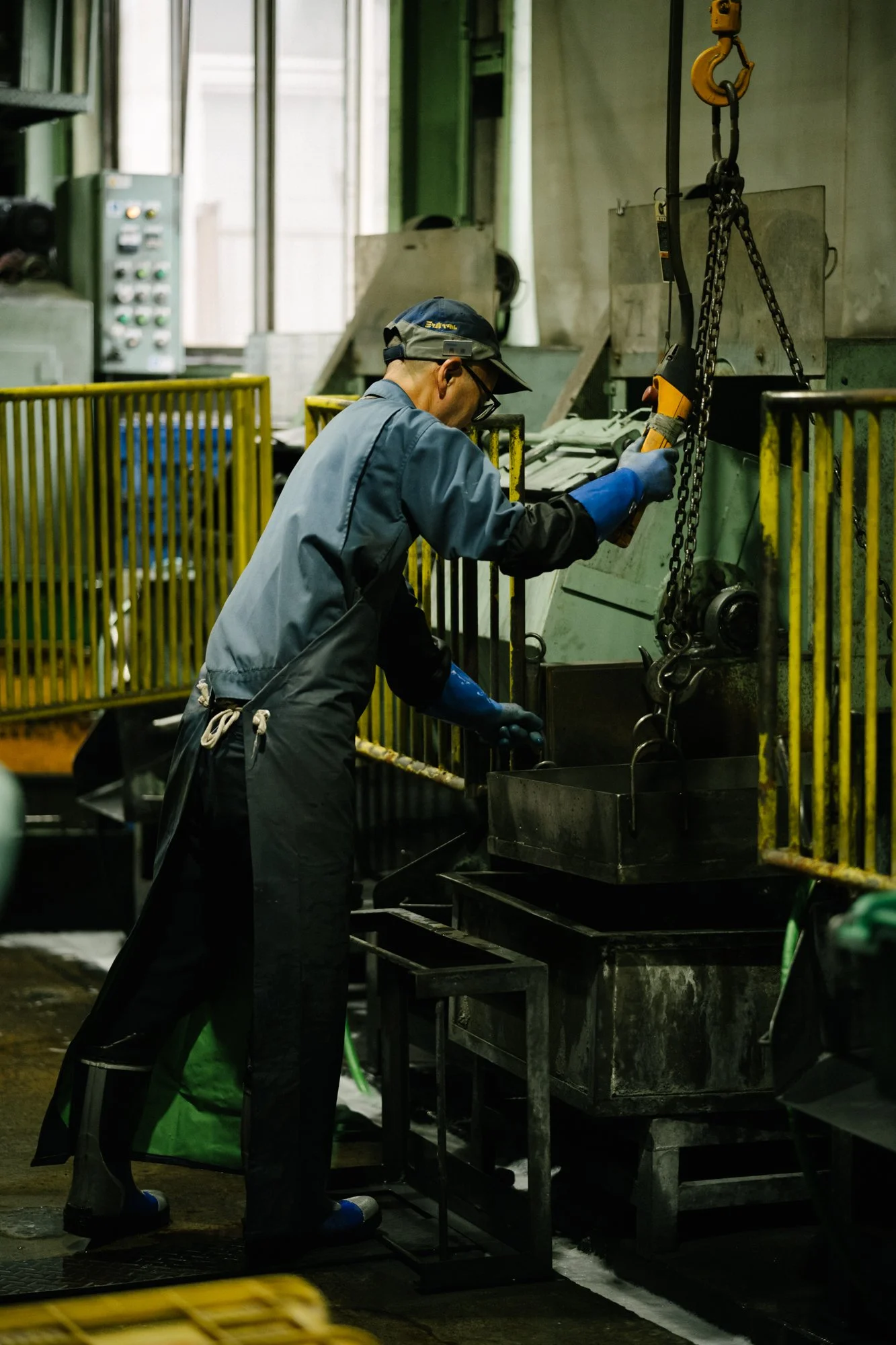
We've also made some changes to the way we make our pedals. For example, we moved away from the cheaper zinc plating traditionally used on standard pedals in favor of chrome plating, which offers better hardness and corrosion resistance. That helps protect the parts against rust over the long term. Another important shift has been towards making our products easier to service. We phased out the permanent riveting that we used to do in favor of bolt-on side plates, allowing riders to take their pedals apart, maintain them and replace individual components when needed. Finally, we stopped combining materials such as metal and nylon in ways that make them impossible to separate, so again, parts can be repaired, replaced or eventually recycled.
Do you feel younger generations are still interested in learning these traditional manufacturing skills? Is it becoming harder to find people willing to do this work?
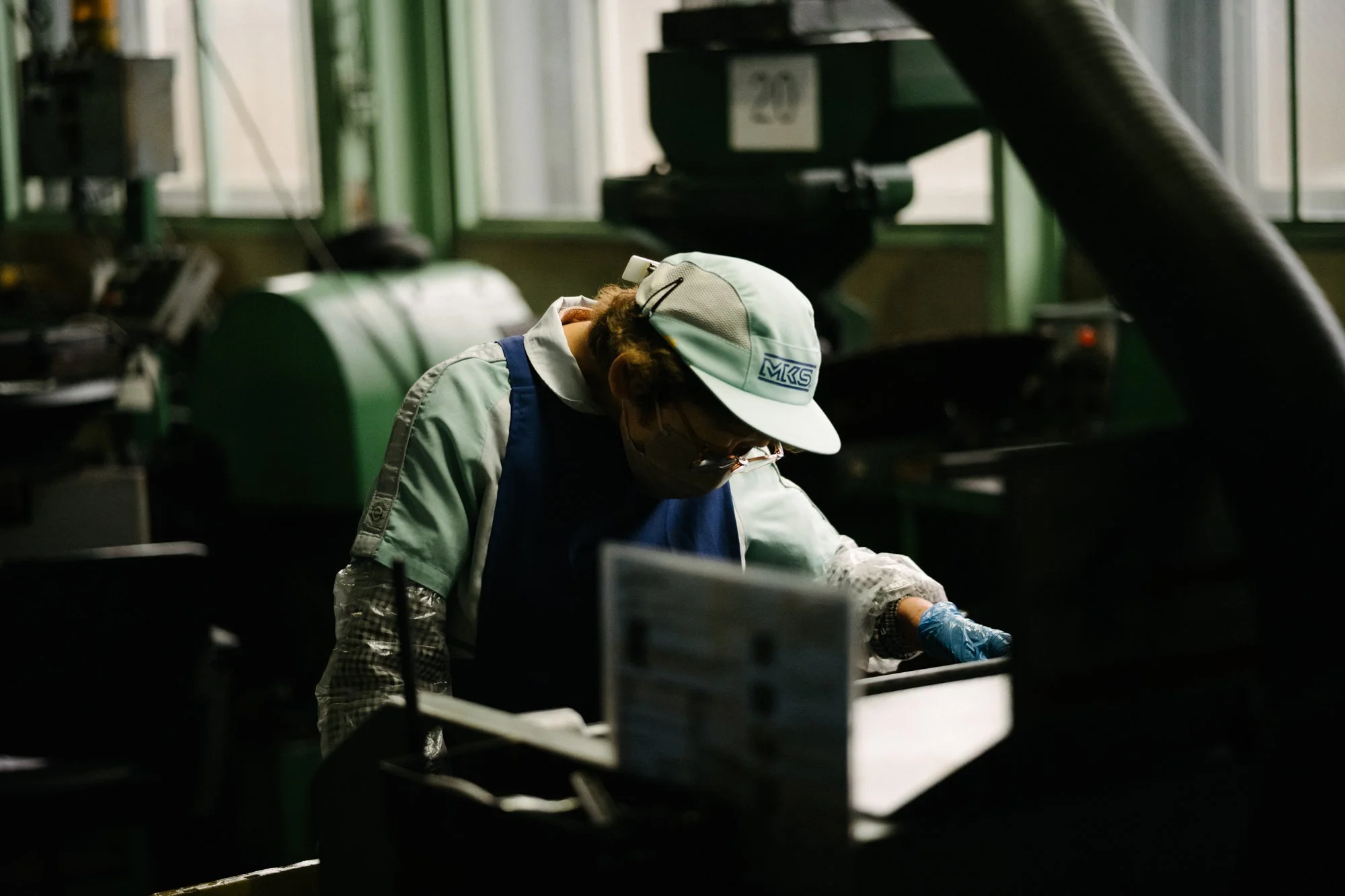
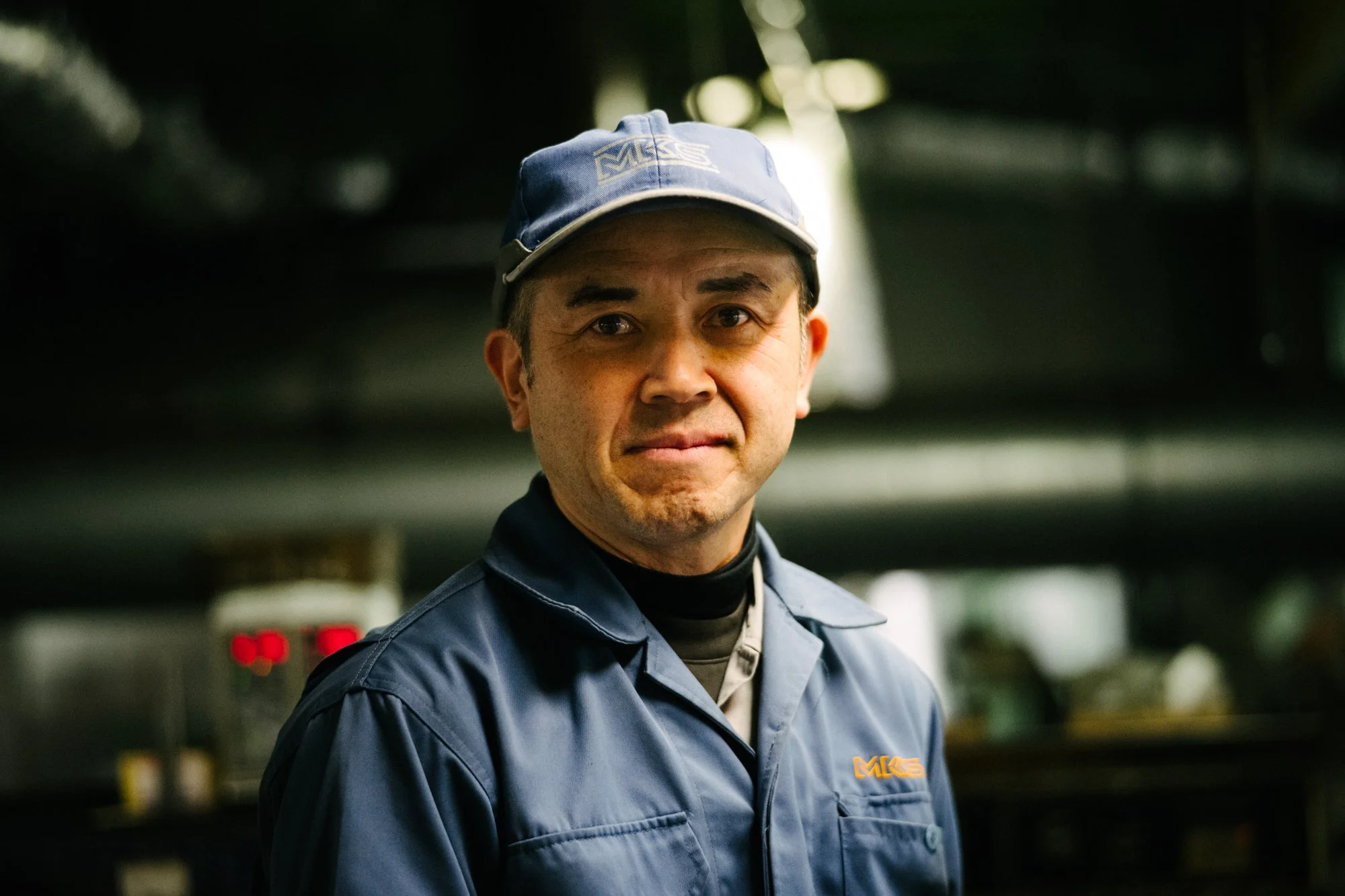
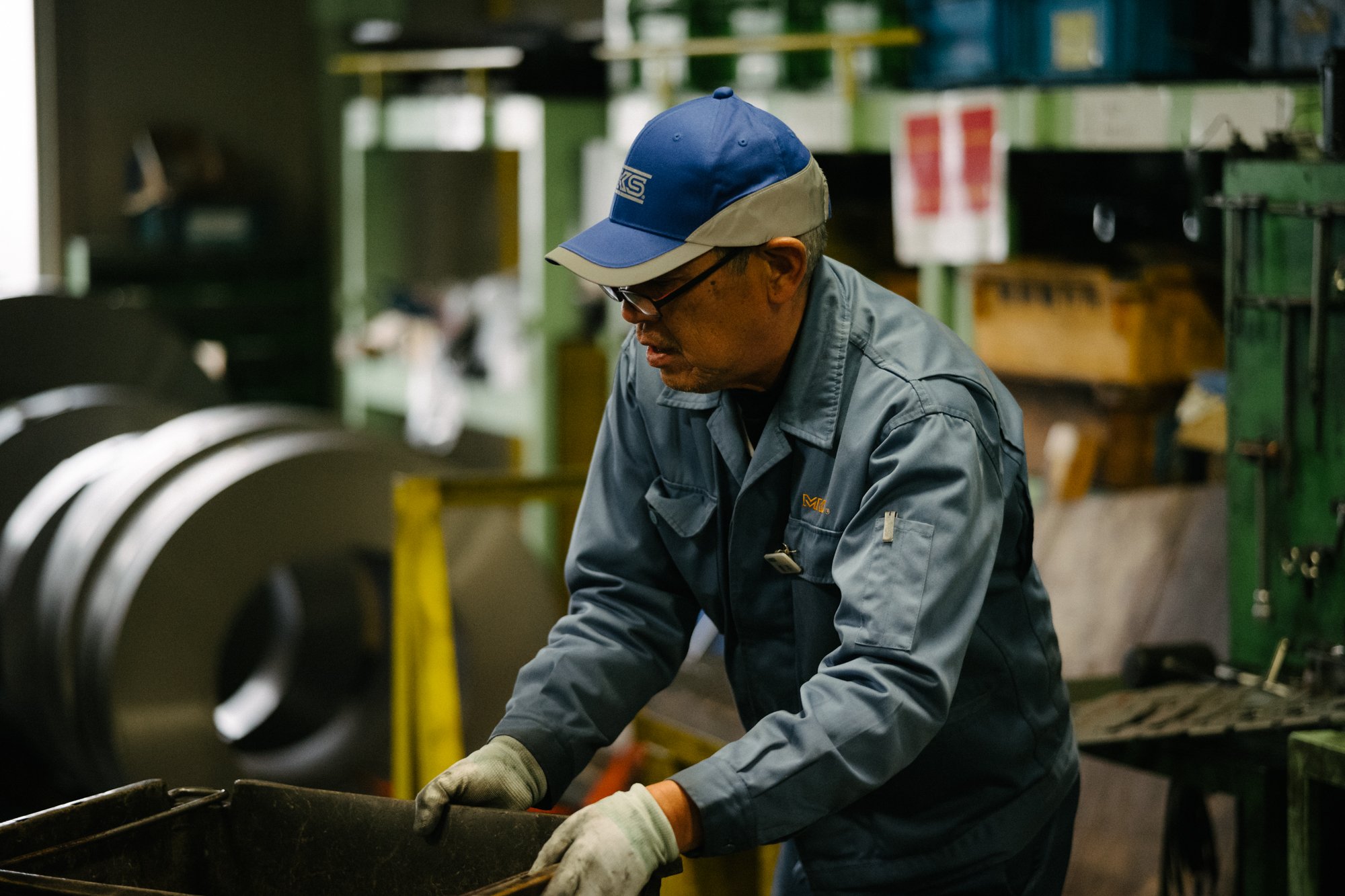
Recruiting younger Japanese workers is difficult, and generational succession remains a concern out here. Our 40 and 50-year-old staff currently lead production and will probably remain active for another 15–20 years, but securing the people beyond still feels uncertain…
So to help address that “labor gaps”, MKS recently hired three young workers from Nepal. Coming from backgrounds where youth often move abroad (such as to Australia or Japan) to work hard and support themselves, they bring a resilient mindset and a bright attitude that is noticeably different from the kind of “protected” domestic youth.
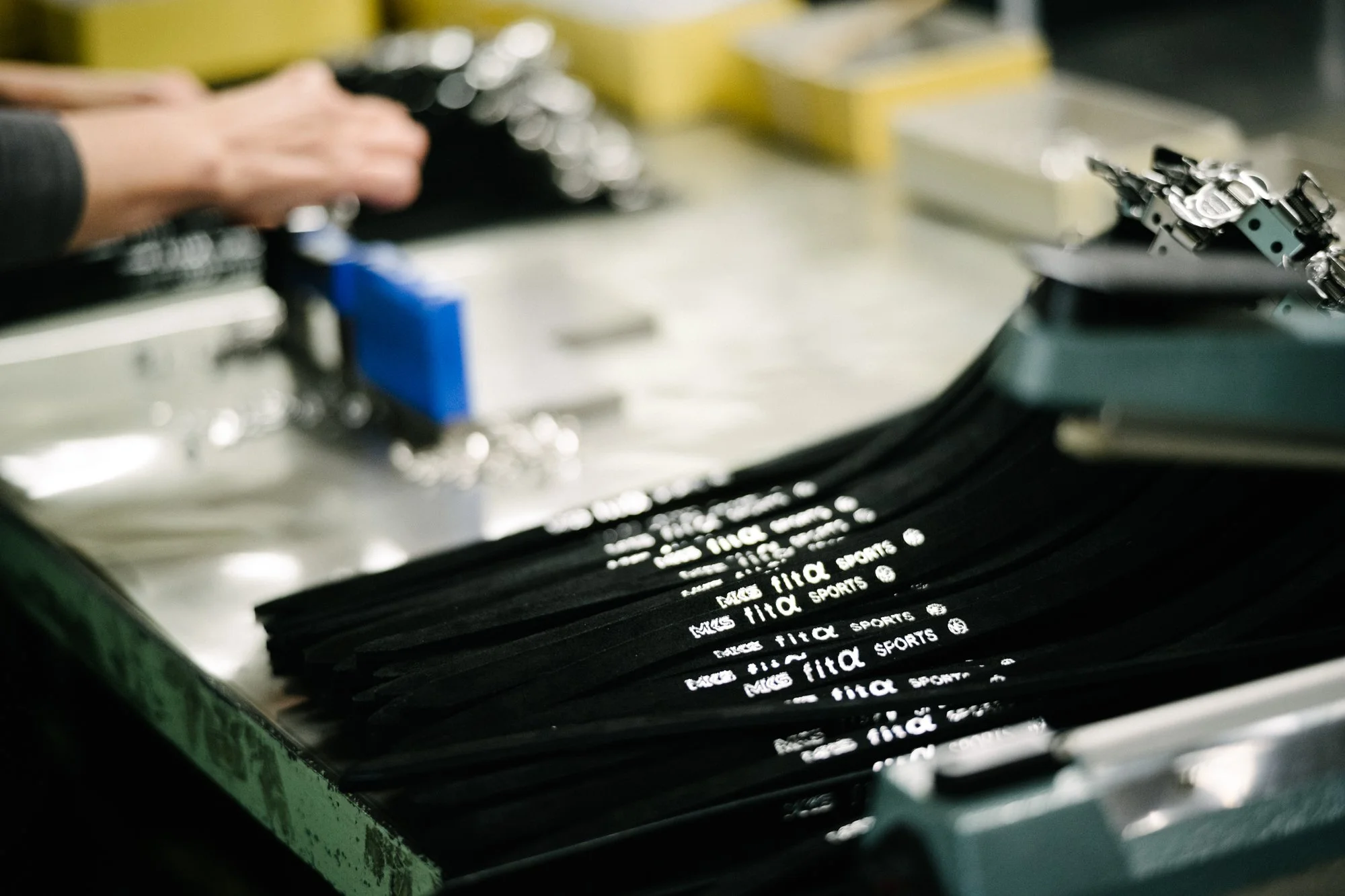
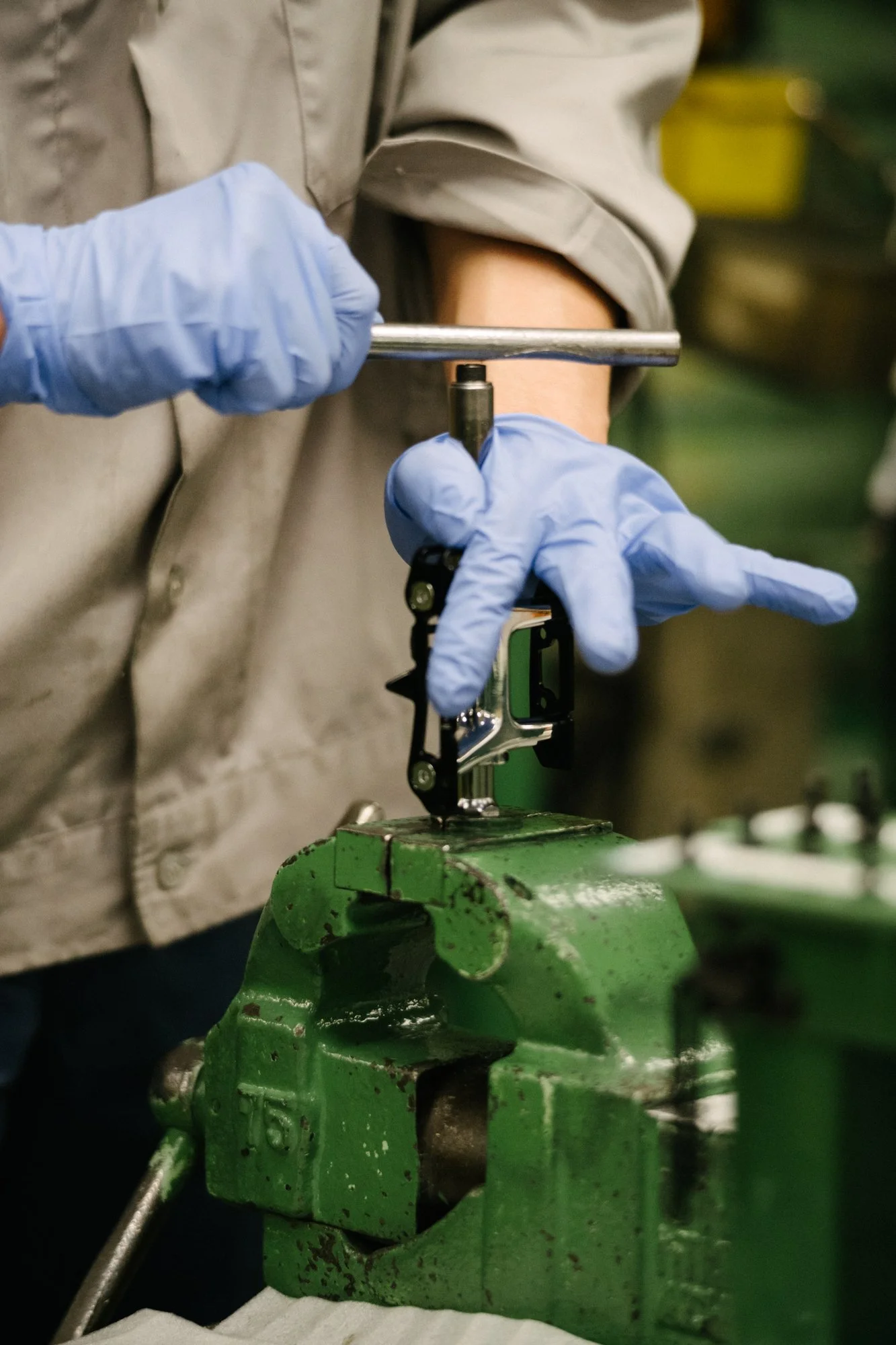
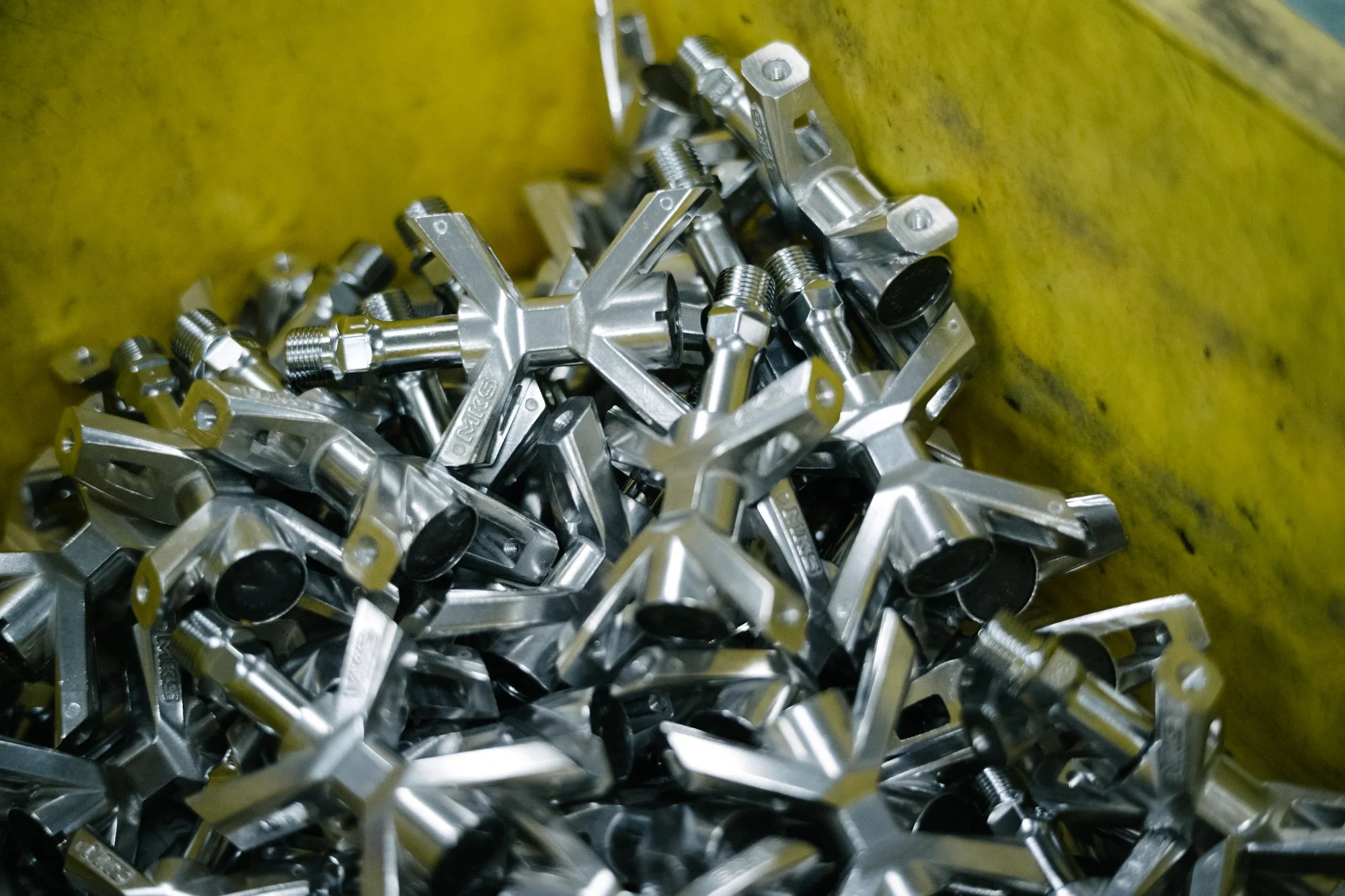
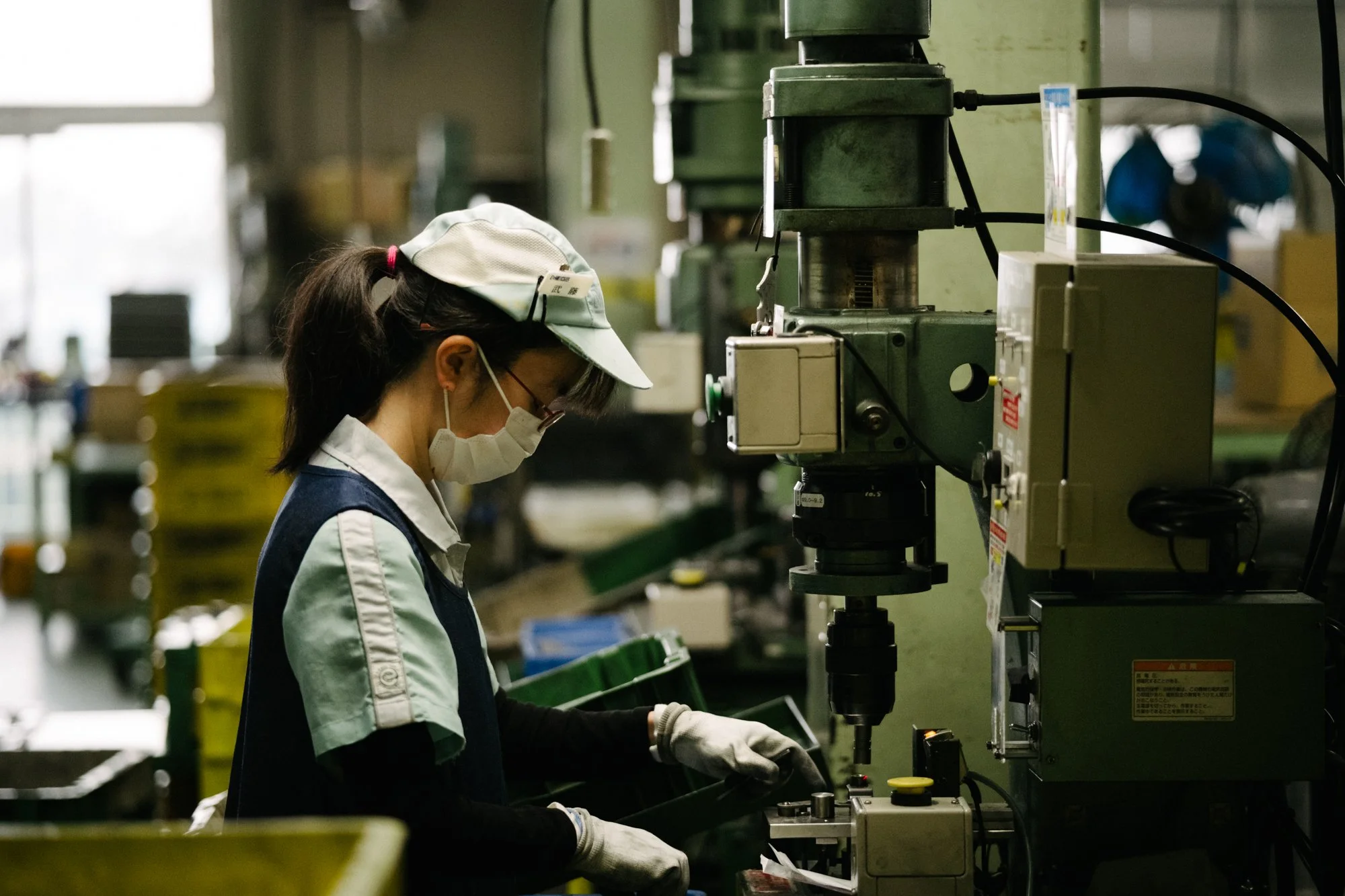
Is there something you know how to do today that you worry might disappear when experienced workers retire? How easy is it to pass that knowledge on?
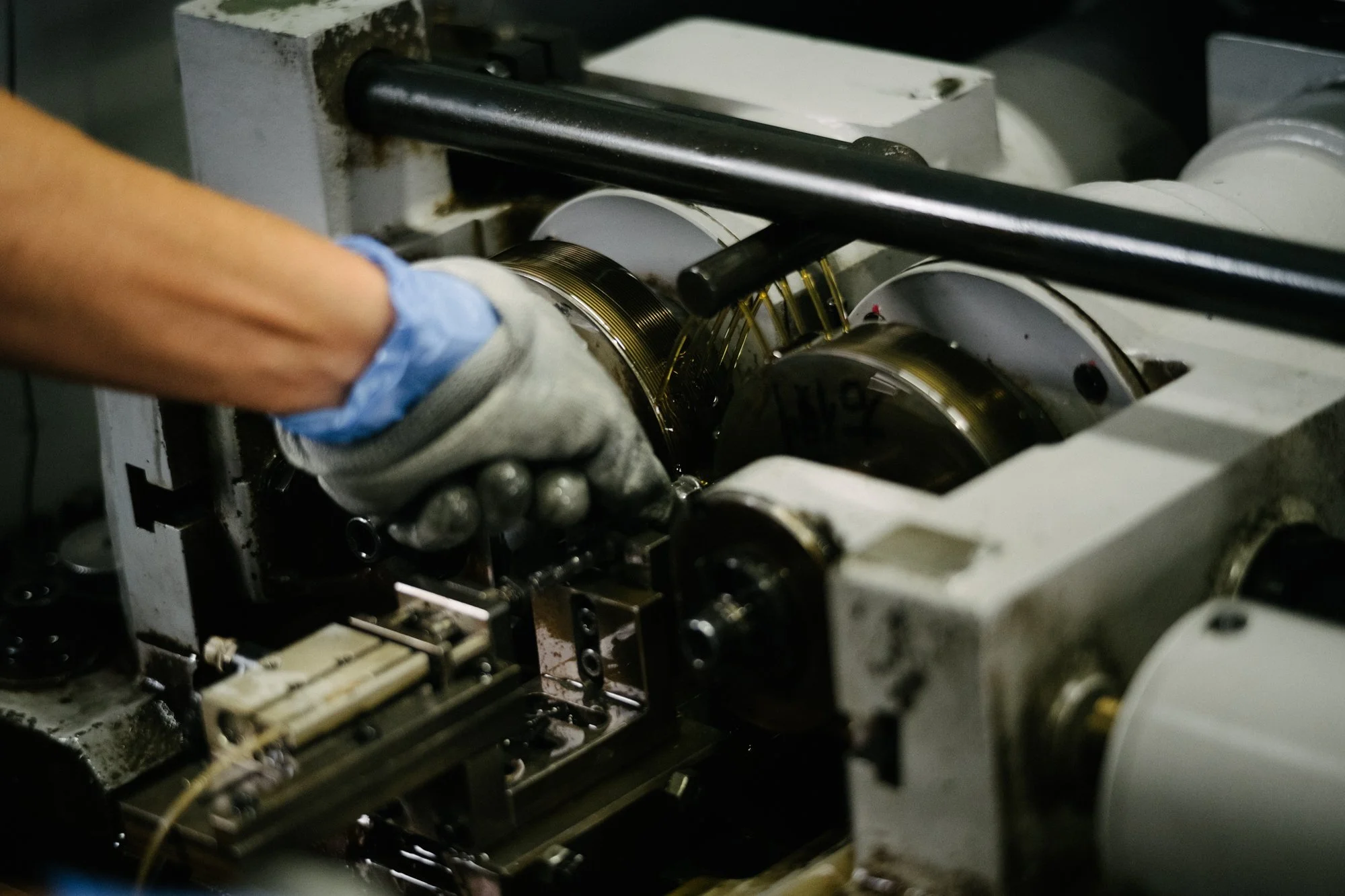
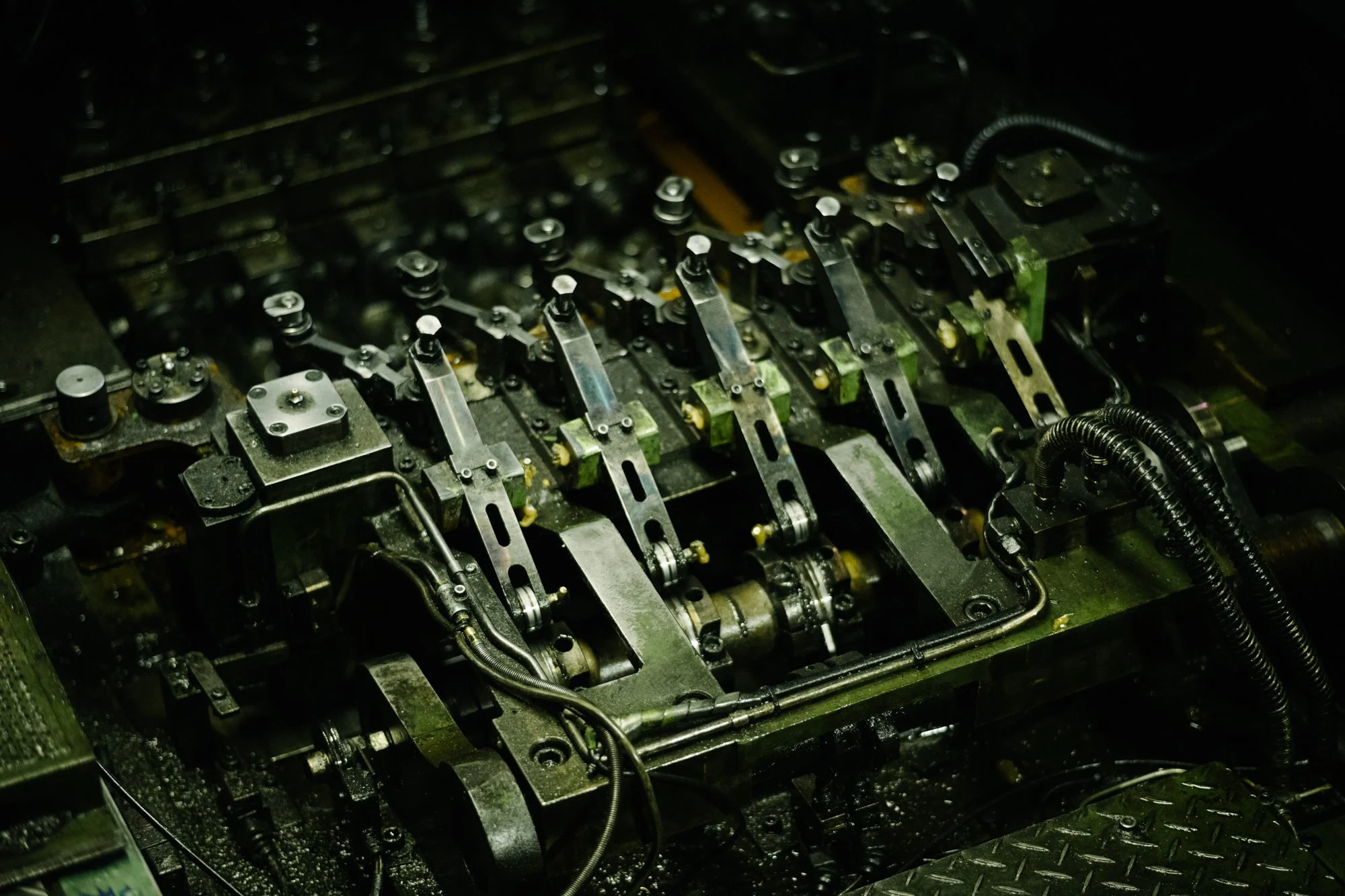
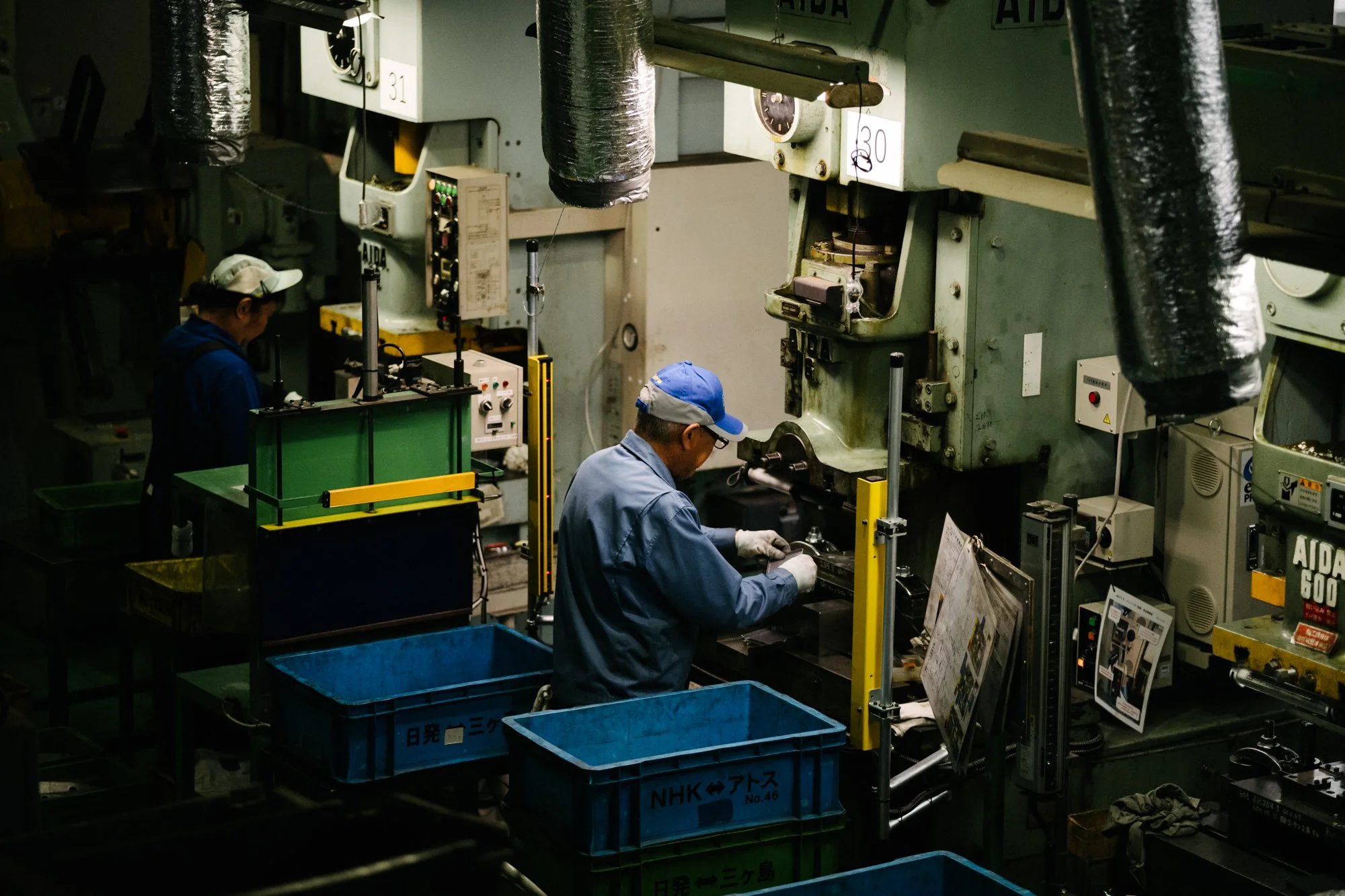
Specialized manual processes, particularly cold forging operational setups, require rare, intuitive artisan skills that are extremely difficult to pass down directly through traditional manual instruction.
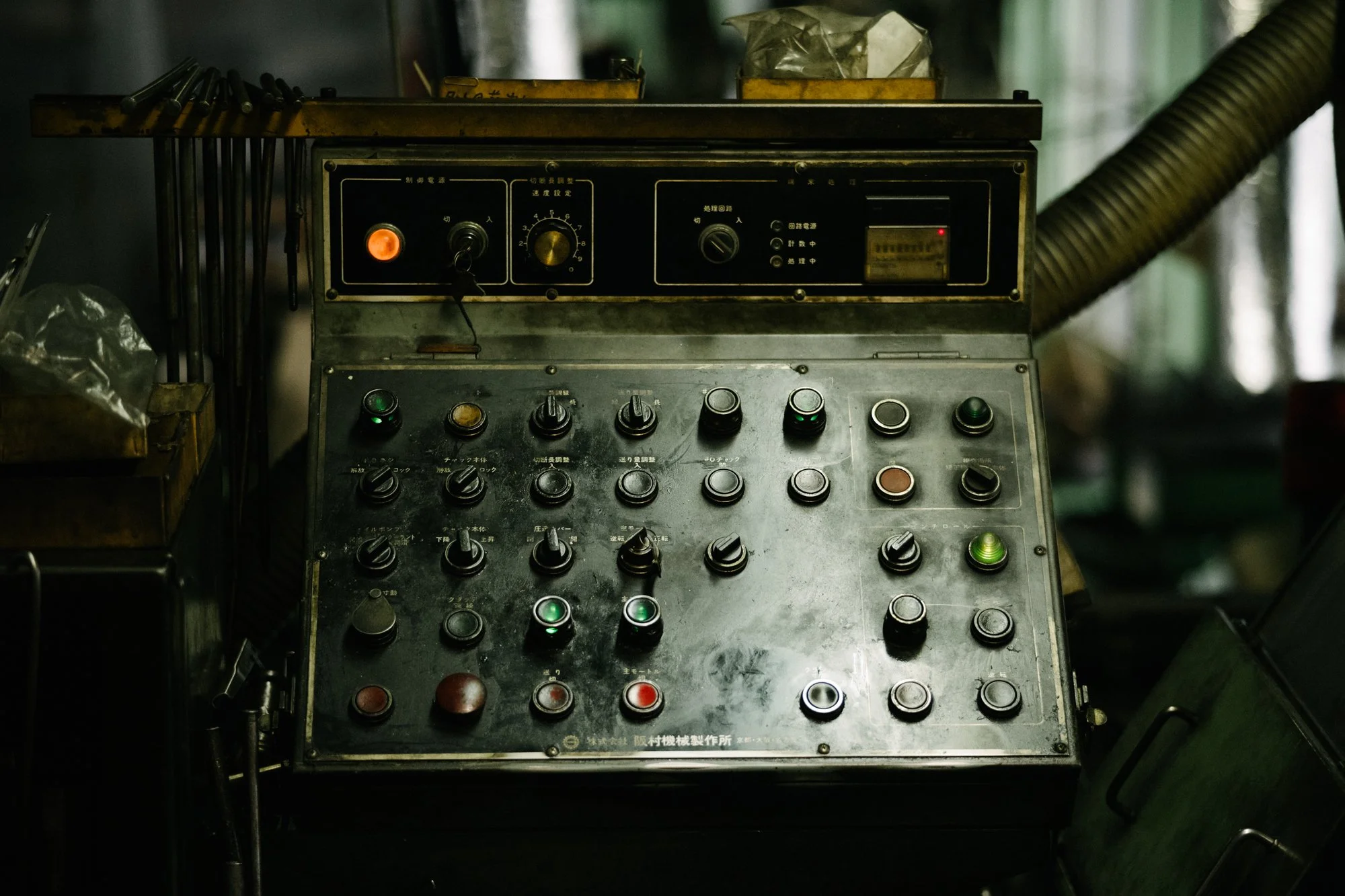
Shop-floor work is transitioning from purely manual setup toward having some processes operated automatically with machinery and robotics. For cold forging, preserving these capabilities will likely require investing in modernized equipment that reduces reliance on simply “human intuition”. But this will also allow younger operators to maintain quality even as our actual technicians retire.
When you see someone riding a bicycle with a product you've helped make, how does that make you feel? What would you hope that person understands about the work behind it?
Seeing our pedals being ridden out in the real world brings immense satisfaction. However, because of my background, my immediate instinct is to inspect the pedal, rather than just being happy about it and go along my day. I always want to check how it has worn over time, whether play has developed, or even if the dust caps are still intact.
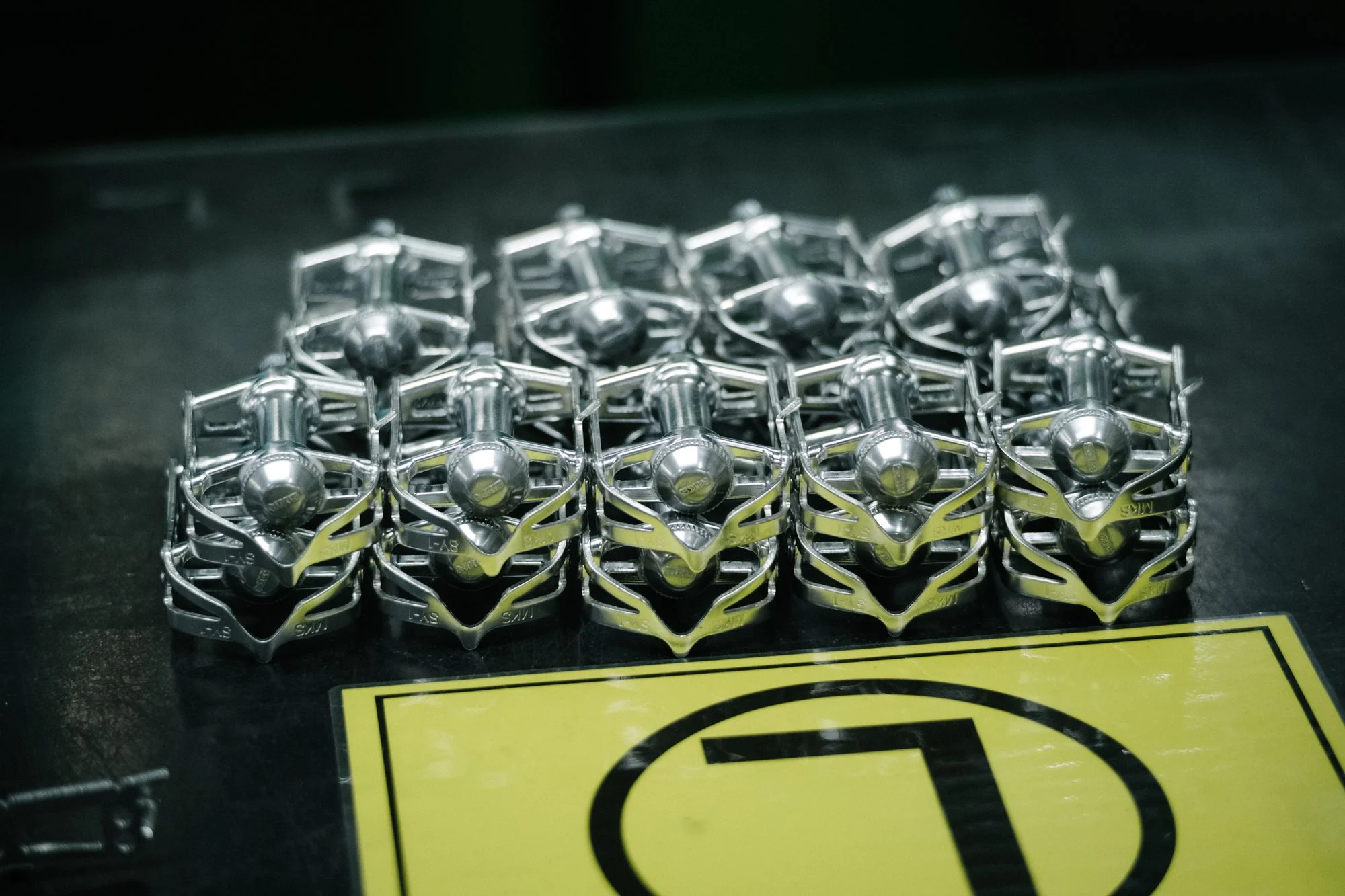
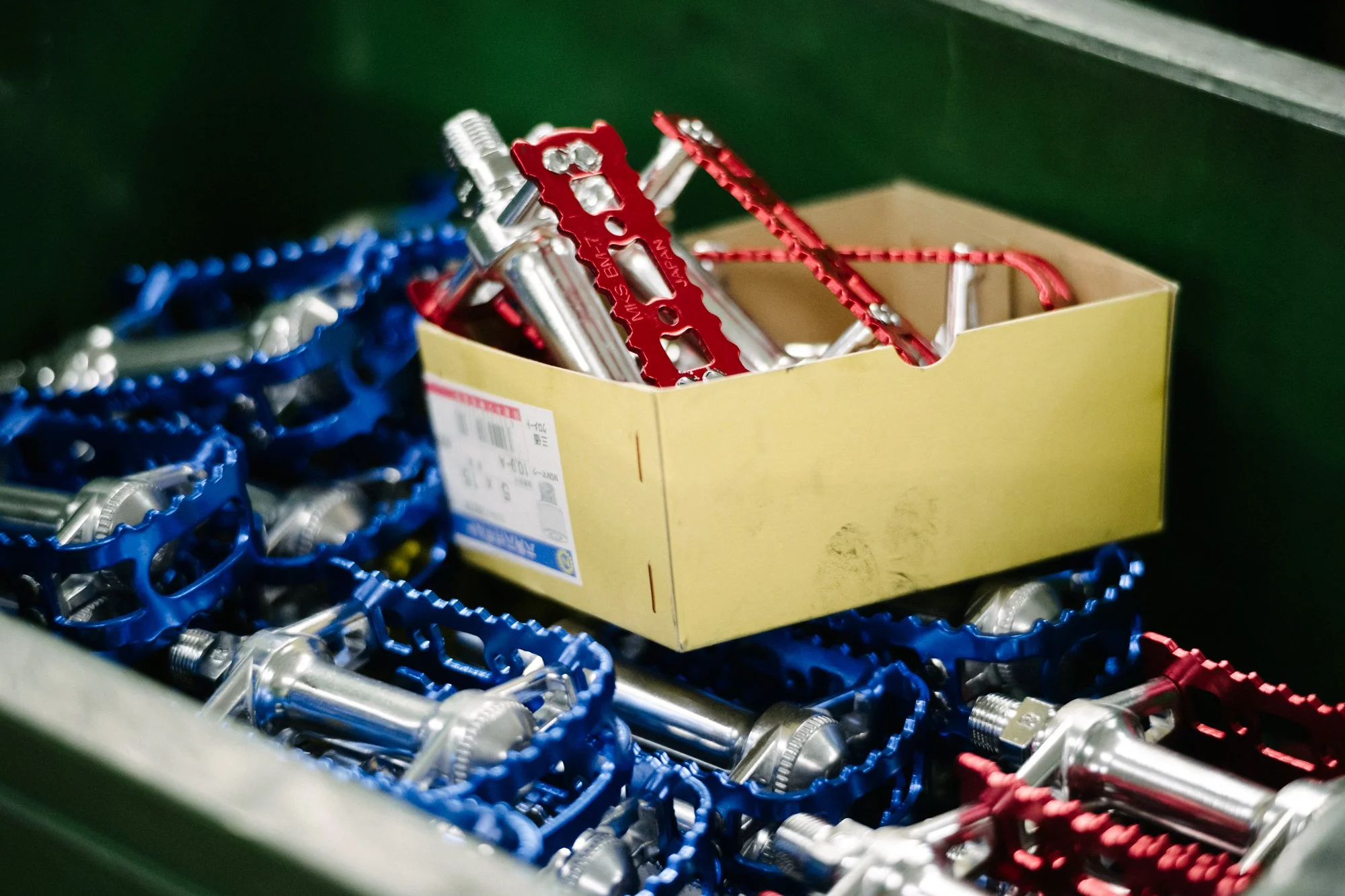
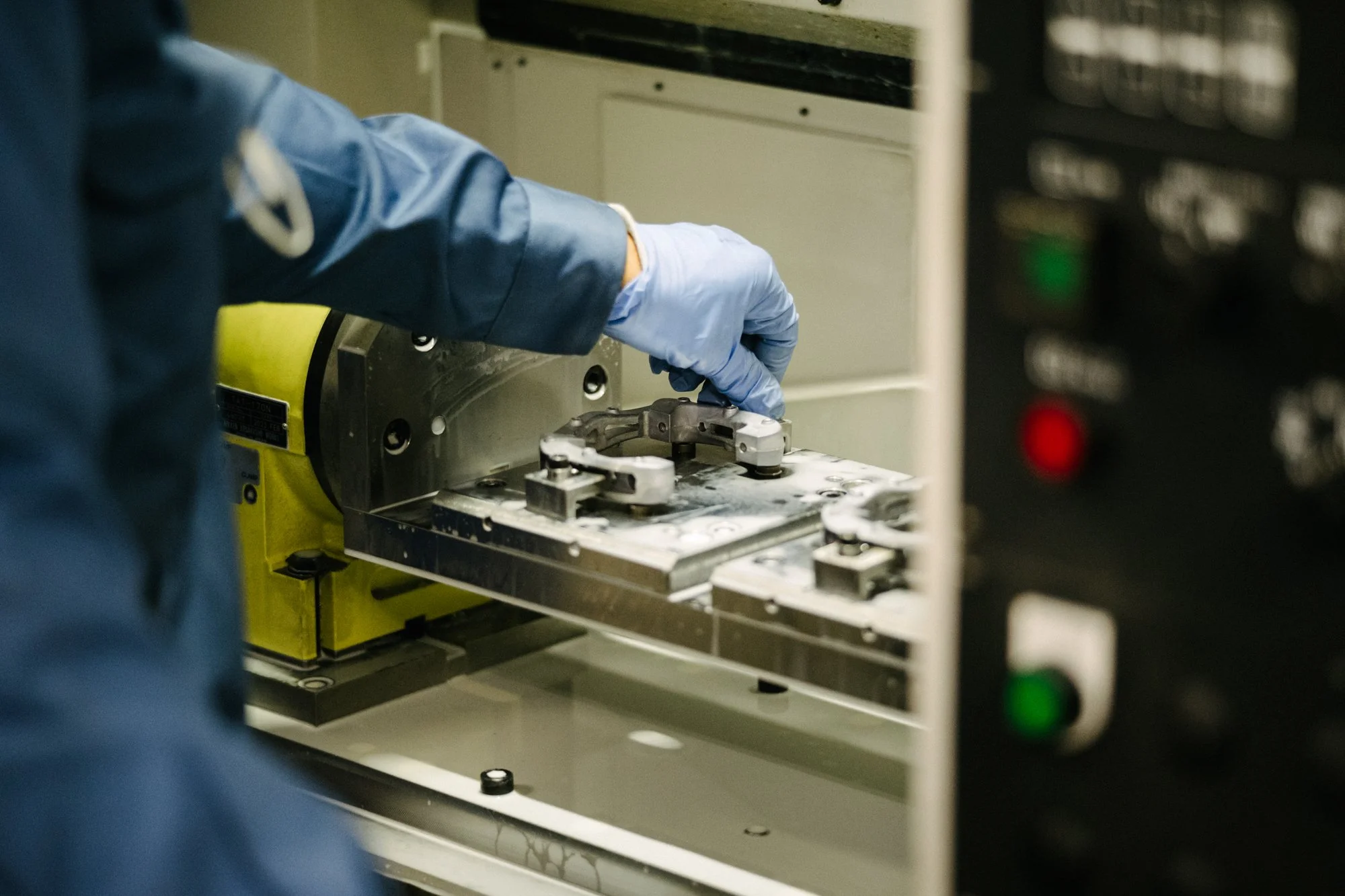
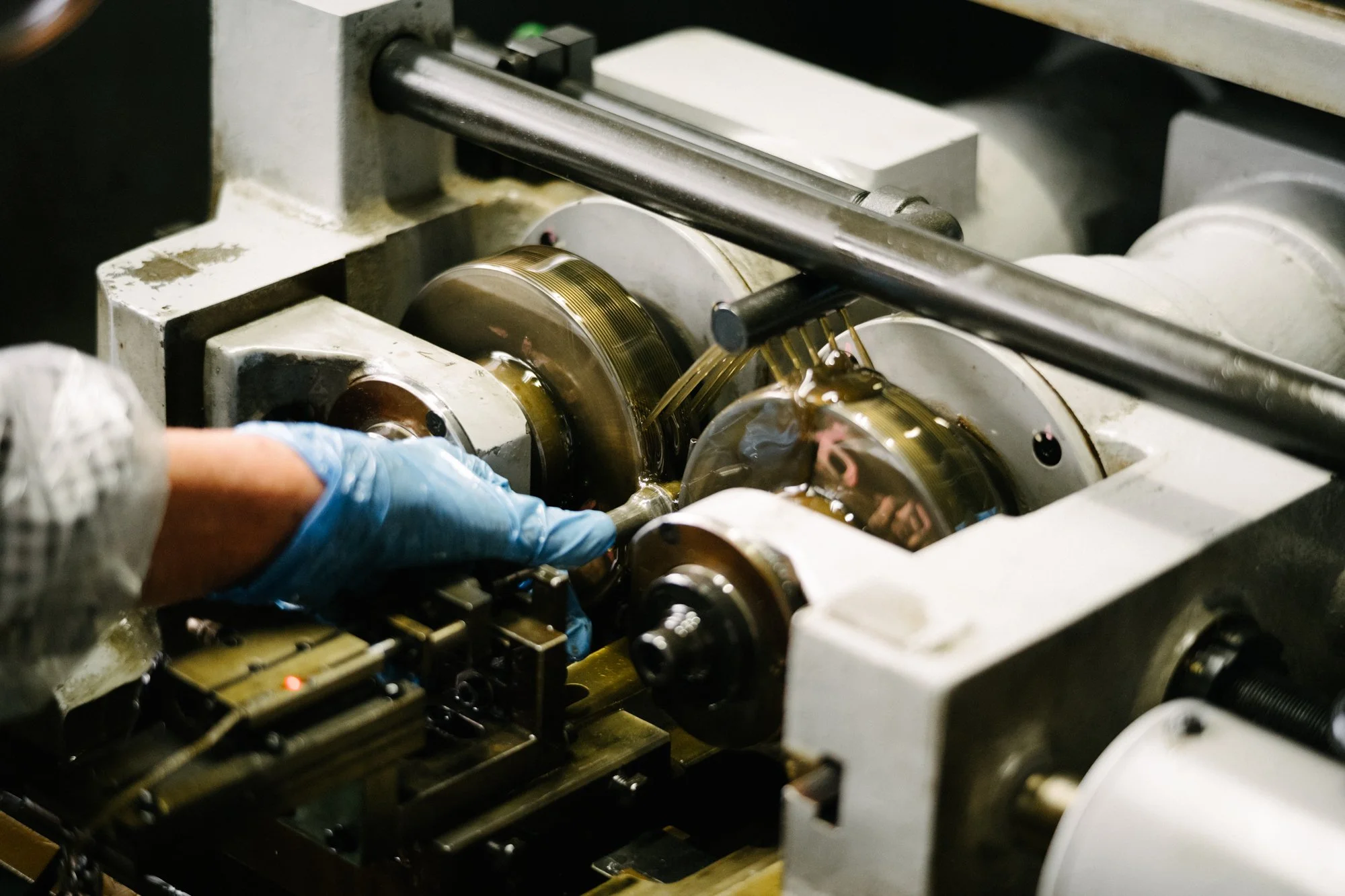
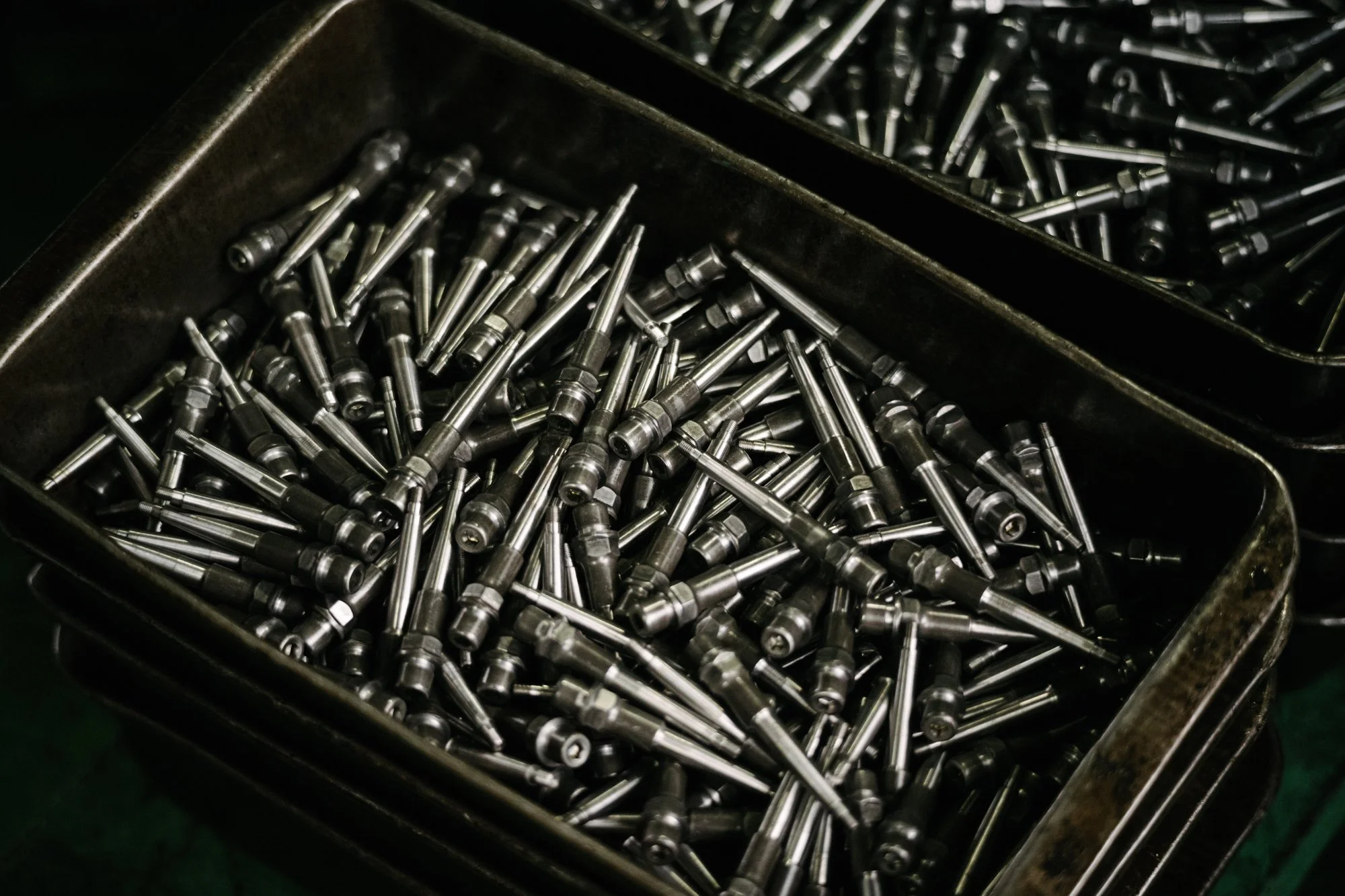
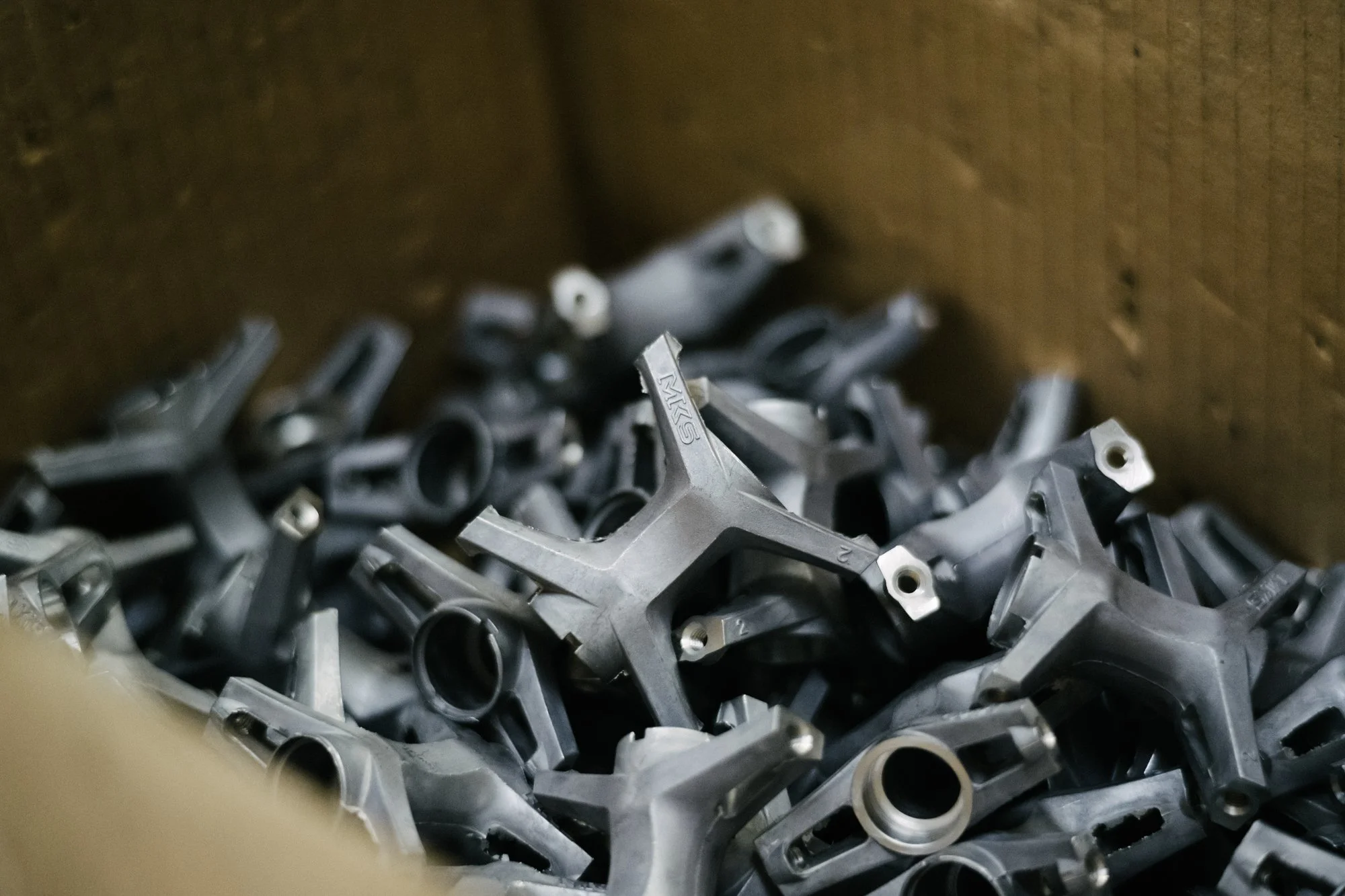
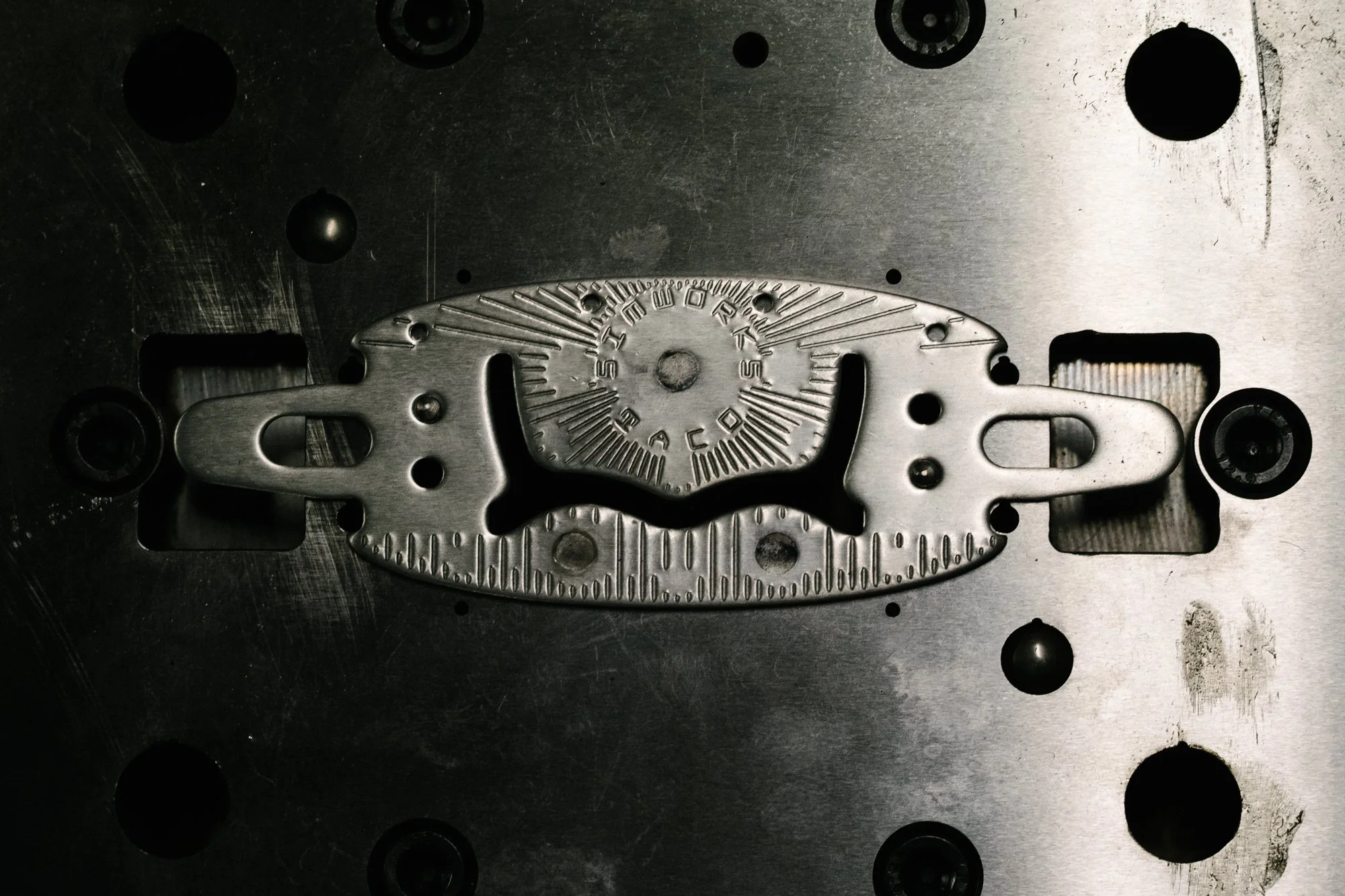
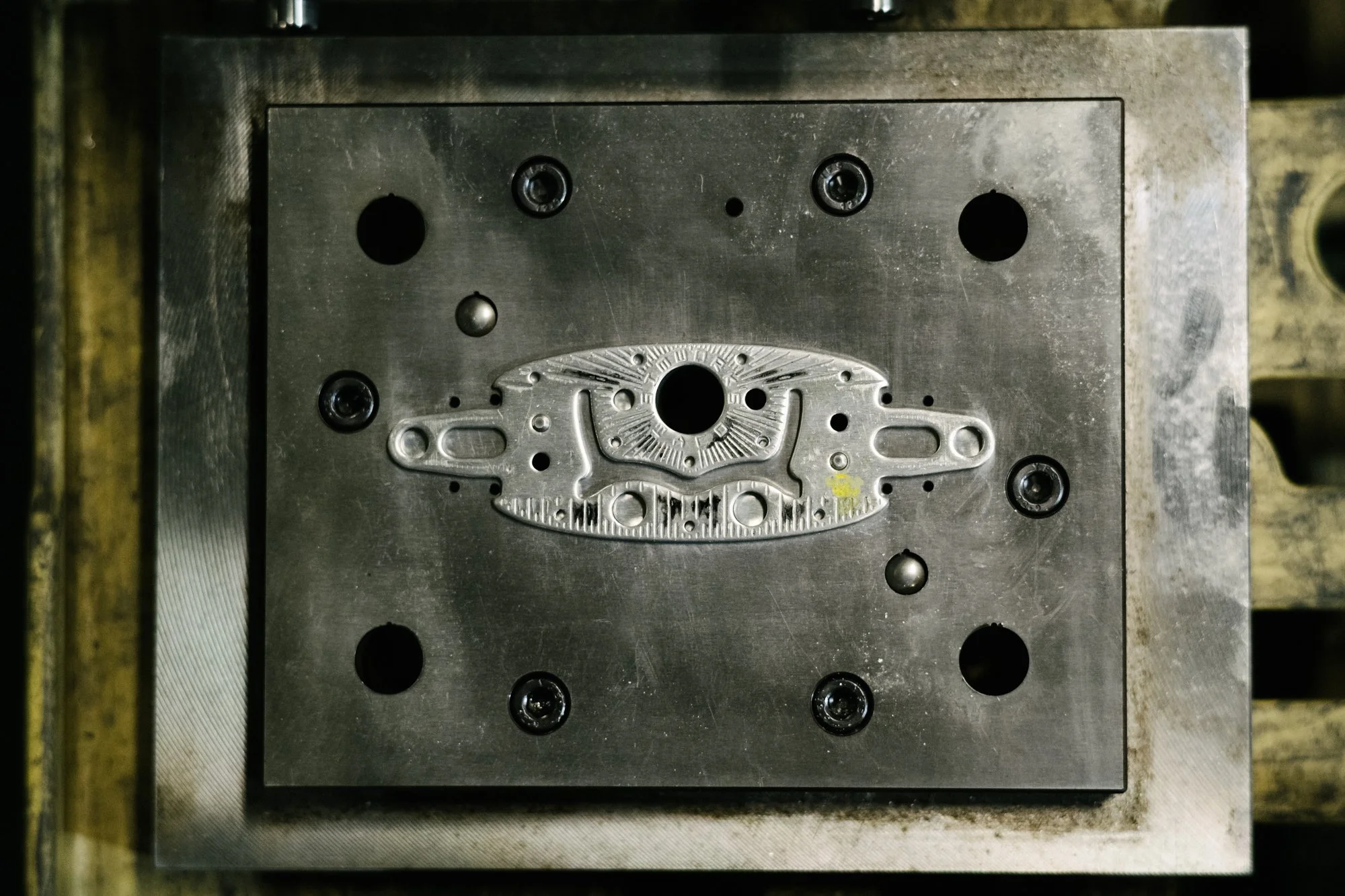
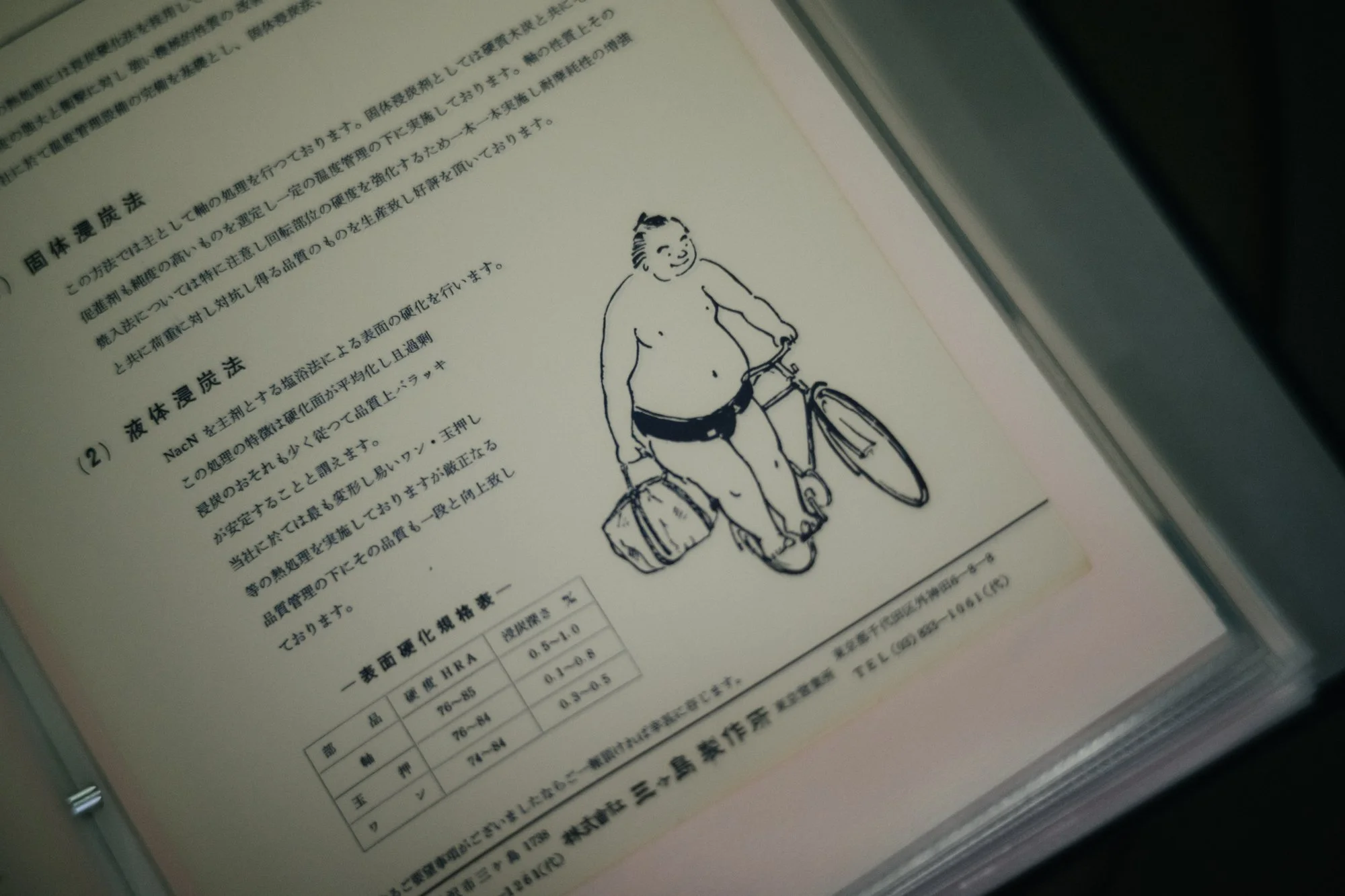
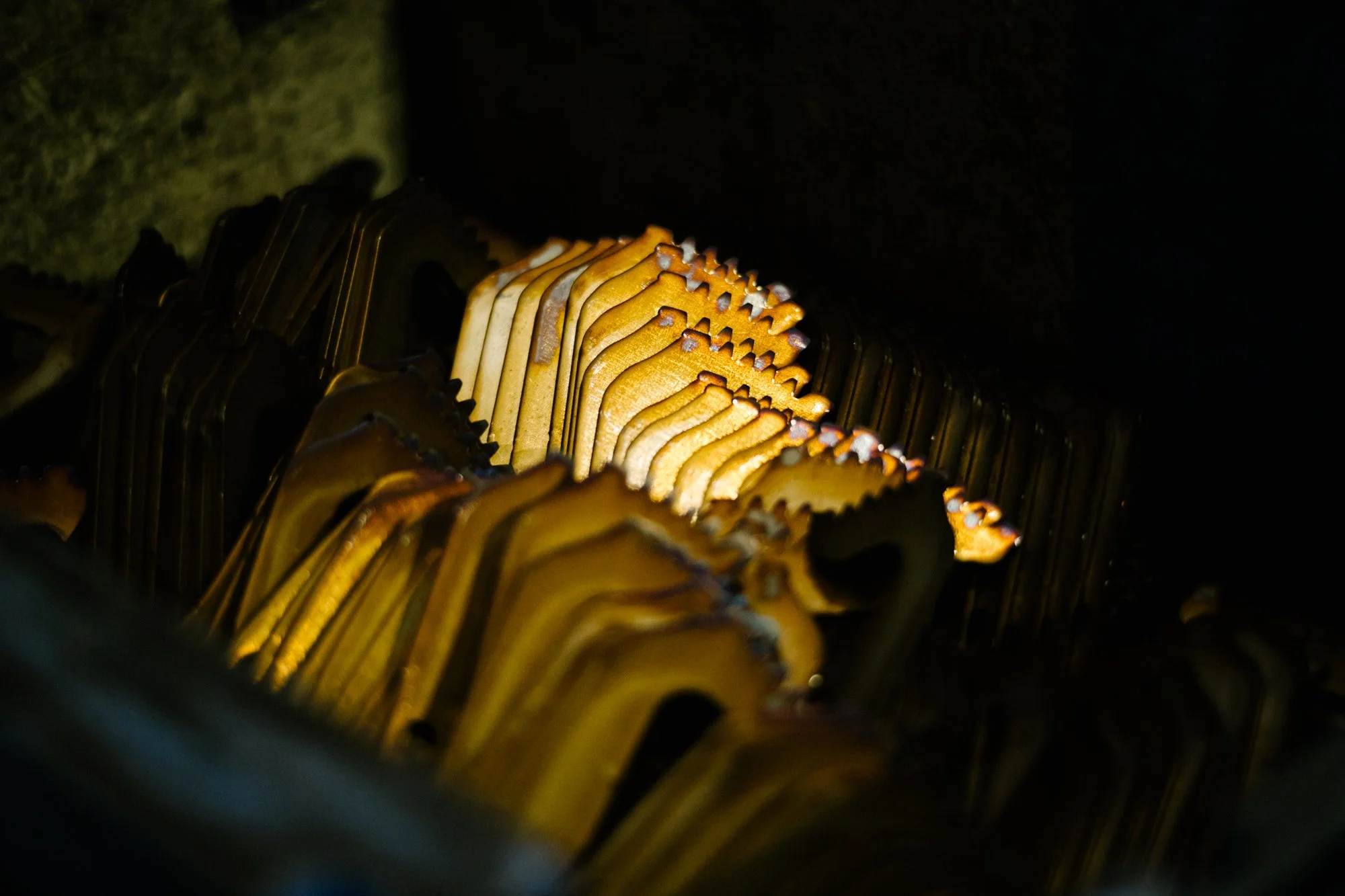
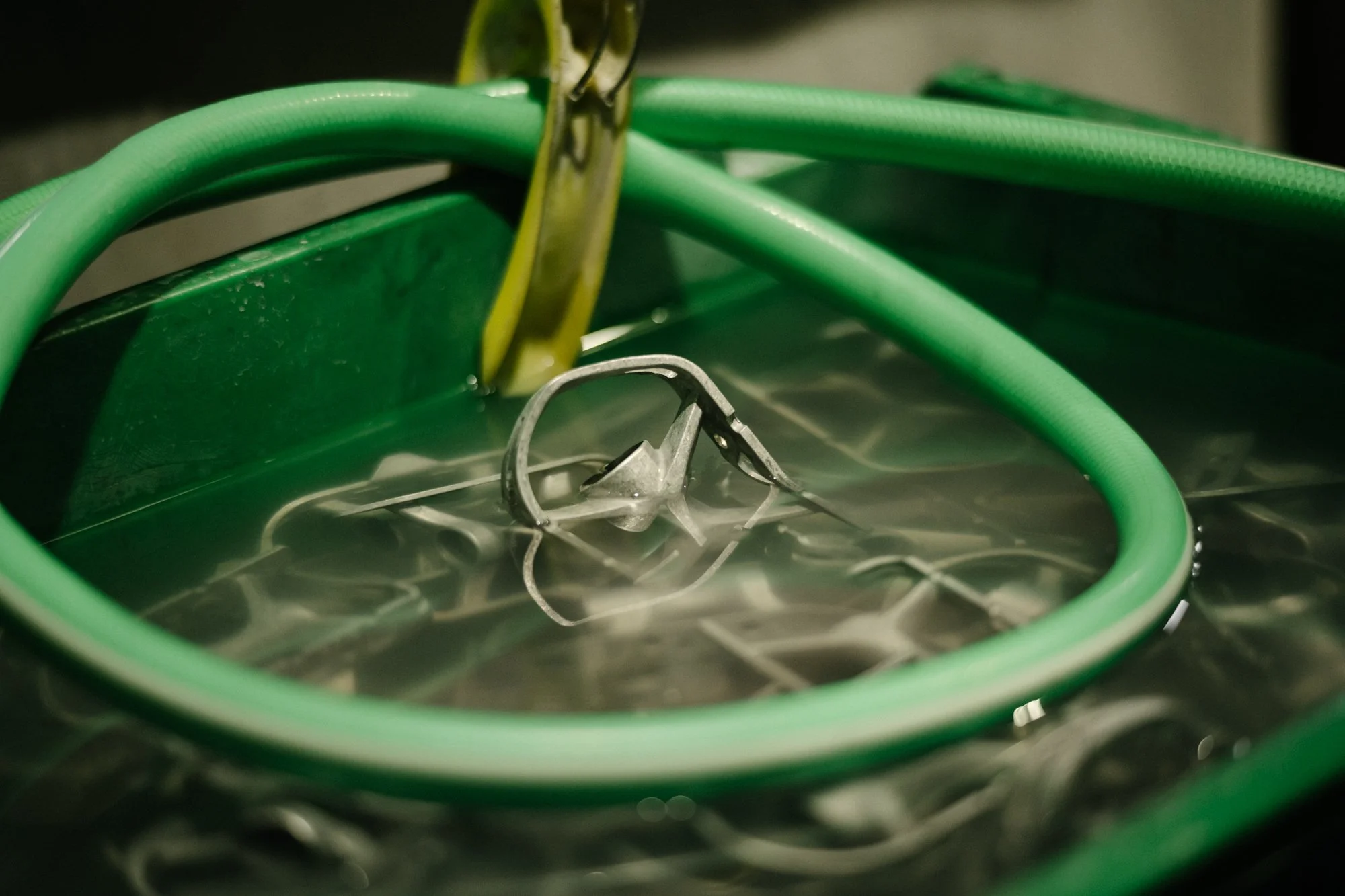
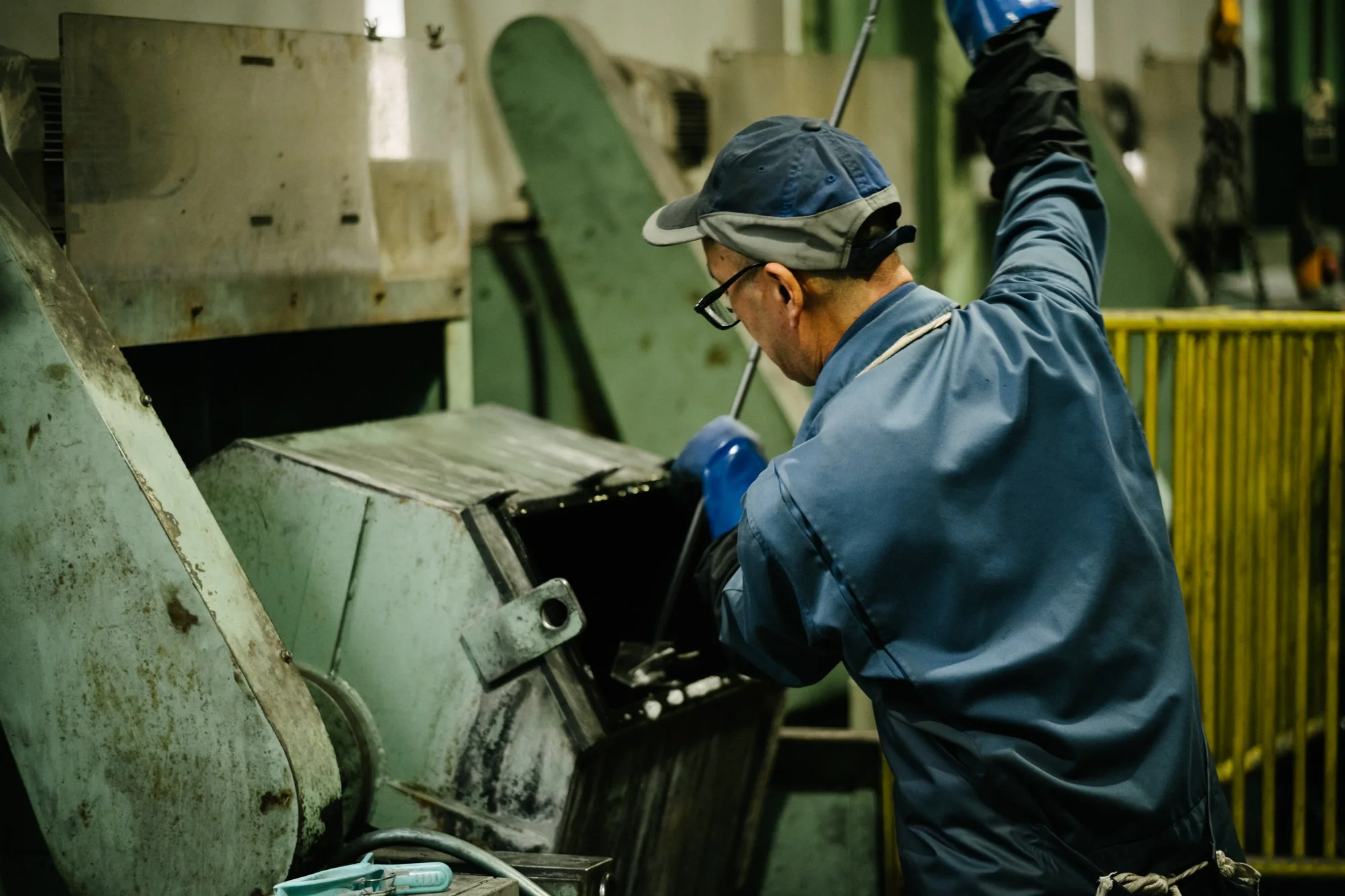
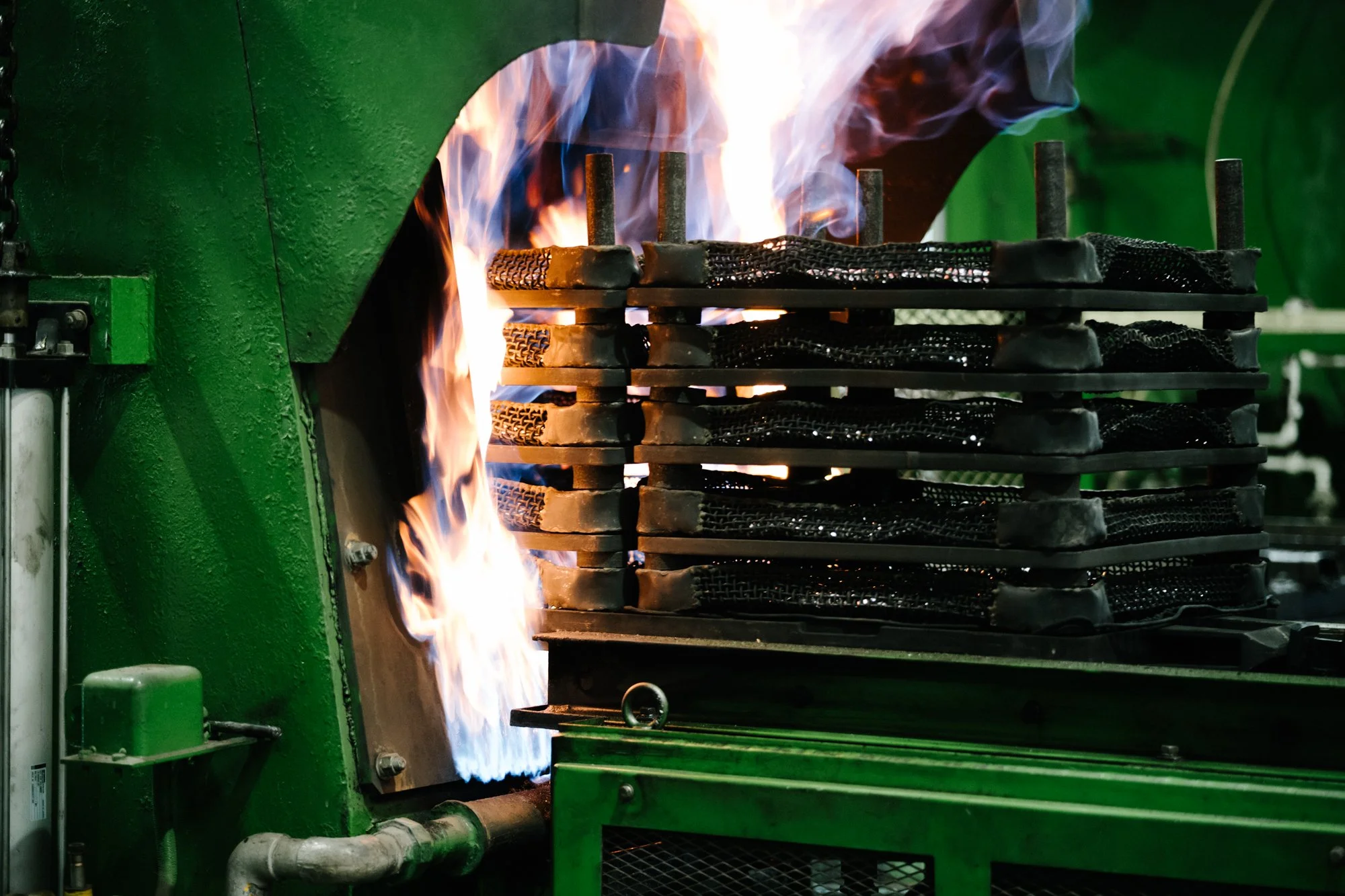
What I want riders to realize is that a single pedal involves a vast sequence of complex manufacturing steps, with cold forging the spindle, undercutting, roll threading, heat treatment, surface grinding, chrome plating, and precision assembly. Even a seemingly simple component contains a tremendous amount of unseen craftsmanship and effort beneath the surface. If people can just remember a tiny bit of that while using our pedals, it’s already more than enough.
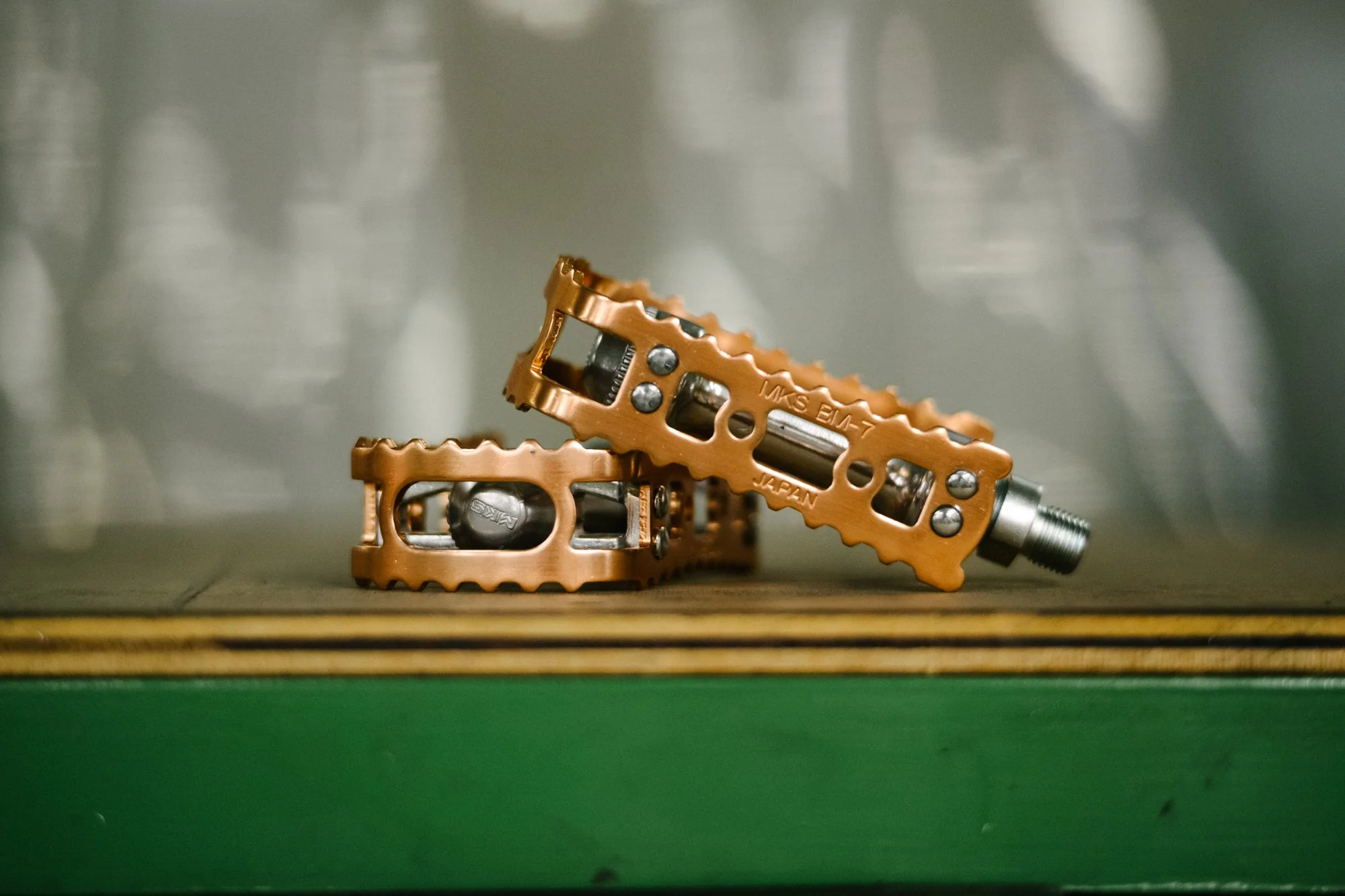
And you? What’s your favorite MKS pedal?
💾: Leica SL
📍: Sumida - Tokyo
This Japan manufacturing tour was kindly sponsored by SimWorks.