Heads up everyone! This article is part of a collaboration with The Radavist! You can find more on Nitto and the way they do thing in this article : theradavist.com
As we're slowly wrapping up the year, and after a 2026 largely focused on trying new things, discovering different ways to document cycling culture, and experimenting with new formats for Slow Spin, I'd like to bring things back to what I've always loved showcasing here: good old manufacturing.
And the timing couldn't feel more right as John and Cari from The Radavist, Kimura-San from SimWorks, and myself recently spent a week traveling across Japan, meeting some of the people behind the production of some of the most respected and sought-after bicycle components in the industry, many of which have been around for decades.
For this series, John and Cari decided to document these companies, their processes, their stories, and the people behind them. I took a slightly different, more personal approach, sitting down with one employee each at Nitto, Honjo and MKS for a series of interviews.
There were two main things I was curious about:
The first was the relationship between Japanese manufacturing and marketing. In a world where you can seemingly sell just about anything to anyone as long as your brand's Instagram feed looks good enough, it feels like many of the Japanese component manufacturers we all know and respect are still putting every last drop of their energy into making the actual products, rather than promoting them. And obviously there's something quite refreshing about that, but I was curious to hear how the people working inside these companies see things themselves.
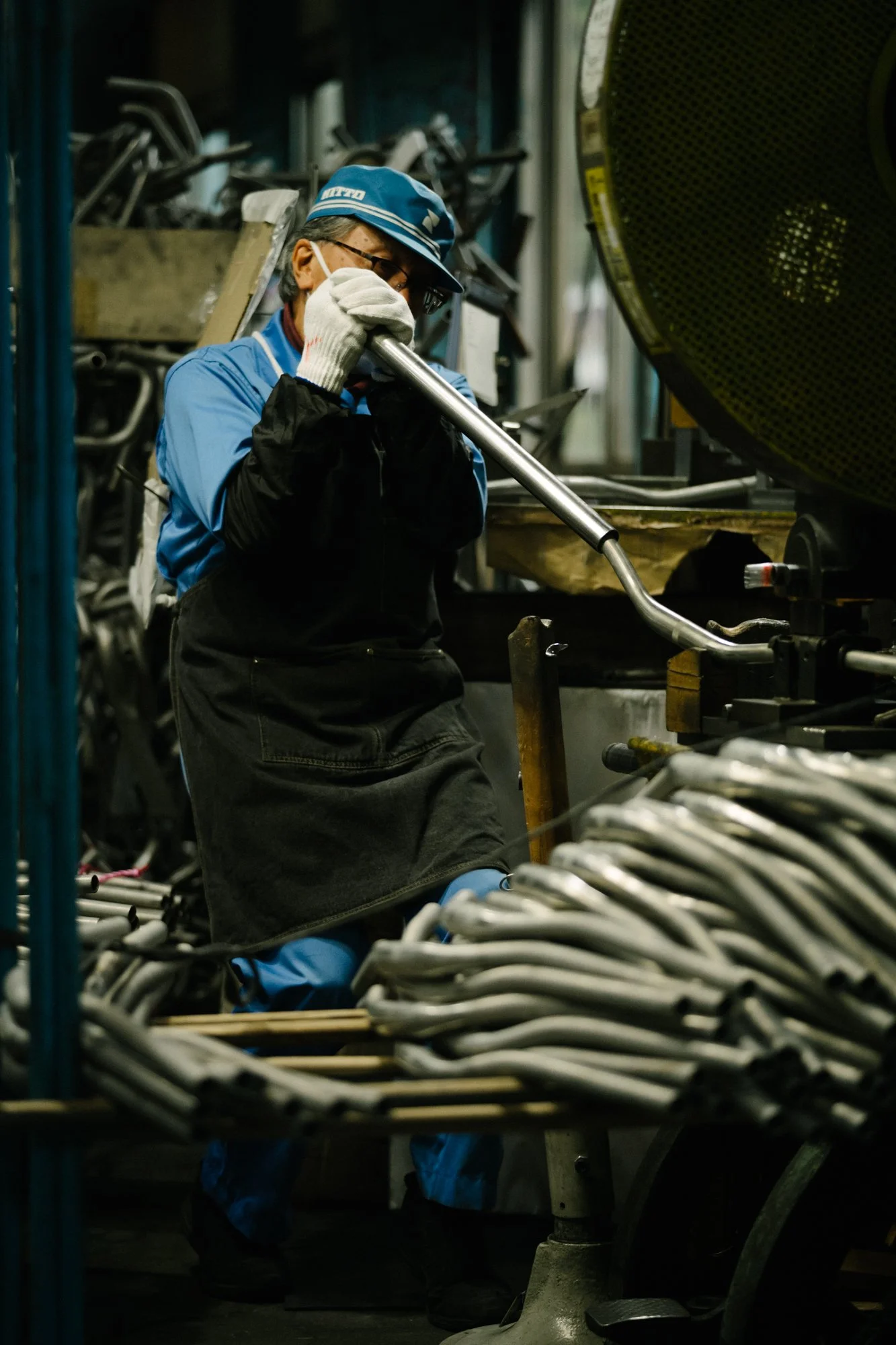
The second was the age of the workforce in these small to medium-sized Japanese manufacturing companies. From an outsider's perspective, it seems that some of these manufacturers, Nitto being a good example, rely heavily on the experience and knowledge of a few dozen long-serving employees, many of whom are now well into their seventies. With only a handful of younger people joining the each spring, it raises an important question: how do you pass all that accumulated knowledge on to the next generation and ensure that these legendary manufacturers have a future ahead of them?
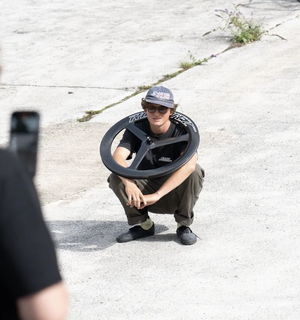
So, for this first interview, I decided to sit down with Keita, a.k.a. Jaming, whom you might remember from a bike check we published a few years ago ➡️ Bike Check: Jaming’s Peloton
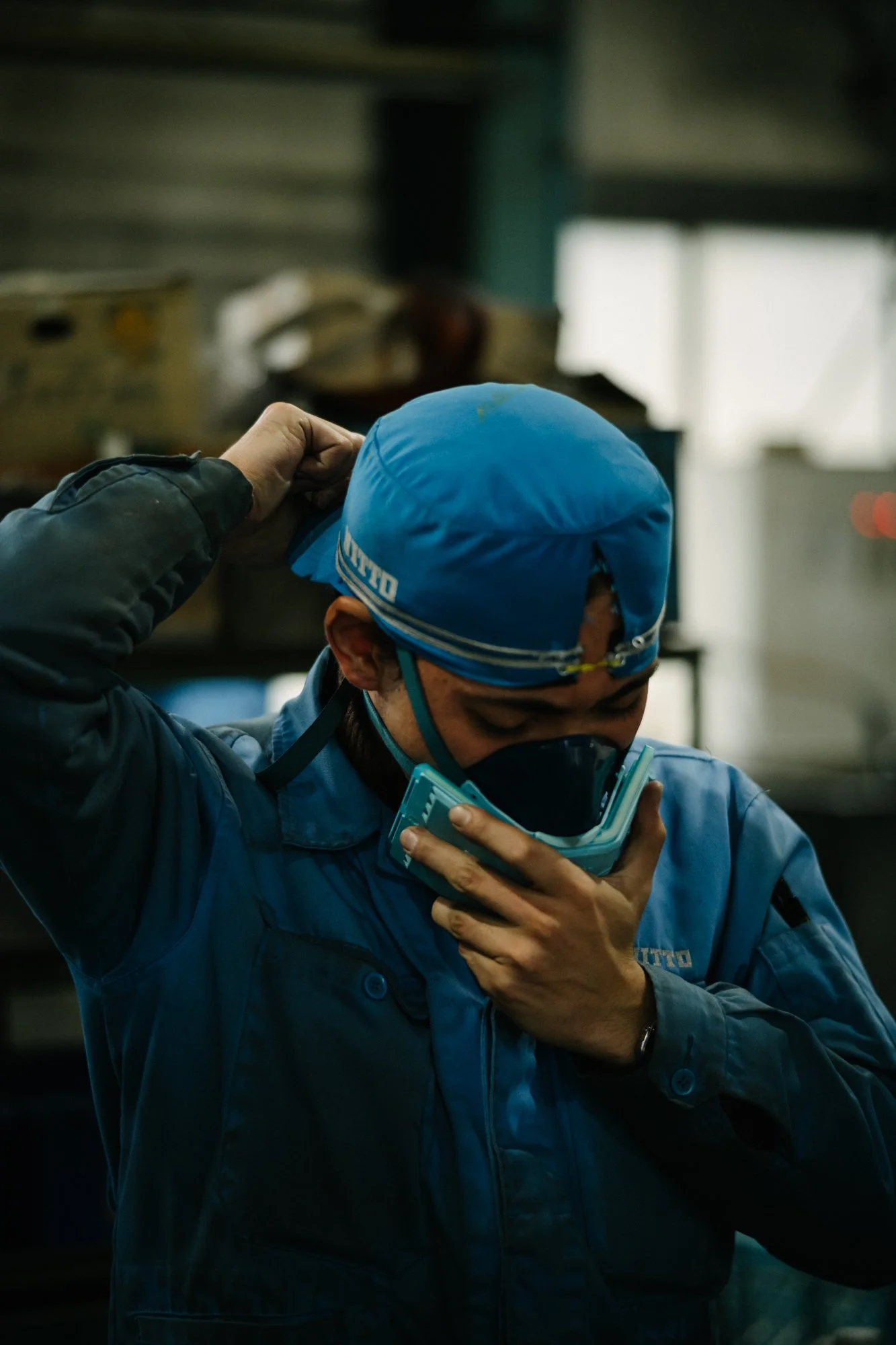
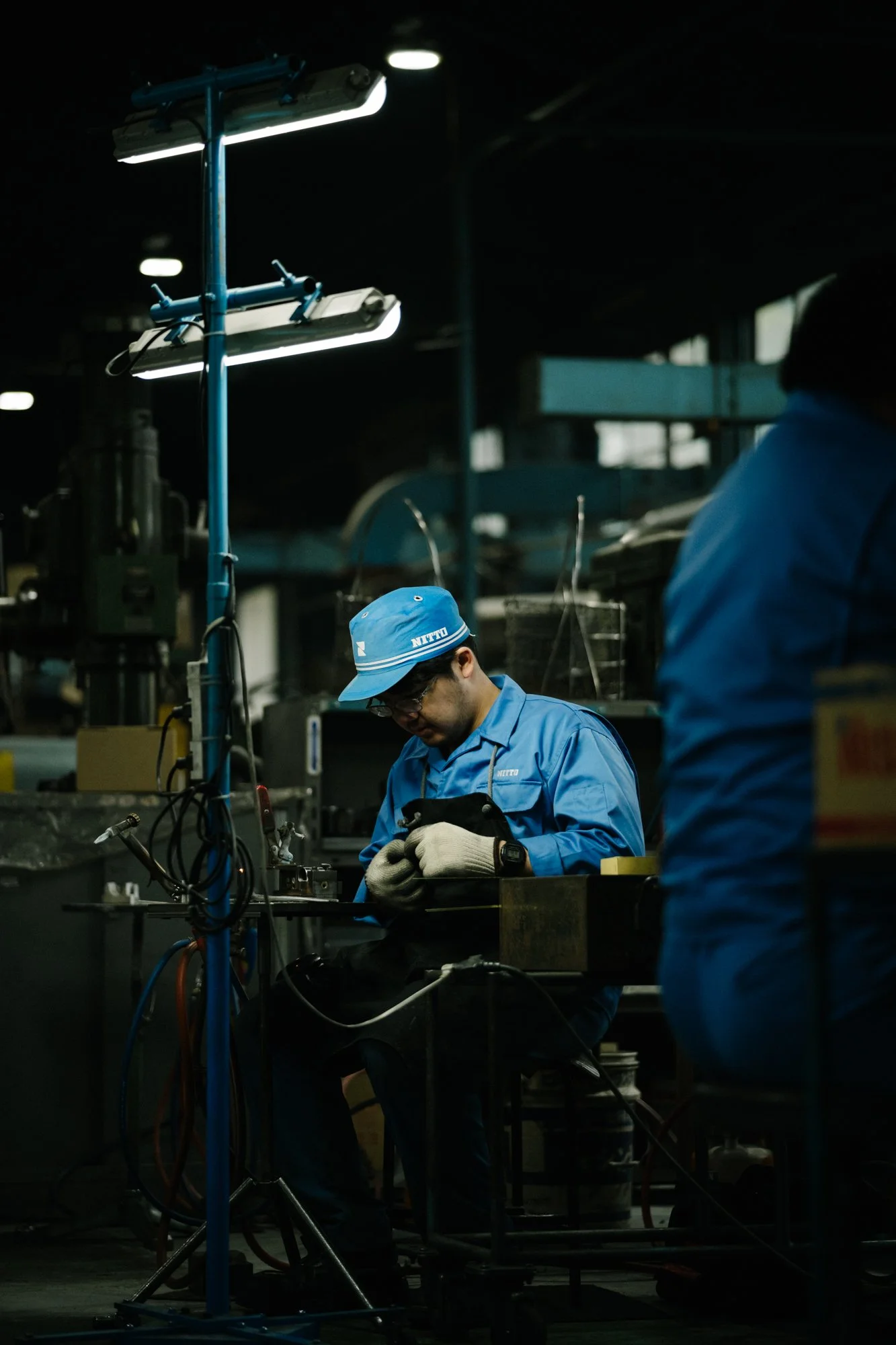
The fact that we're friends, and that he's also part of the younger generation of employees at Nitto, probably made me a little more comfortable digging into his brain about everything happening inside this rather blue workshop.
Paul - How long have you been working here, and what brought you into this particular line of work?
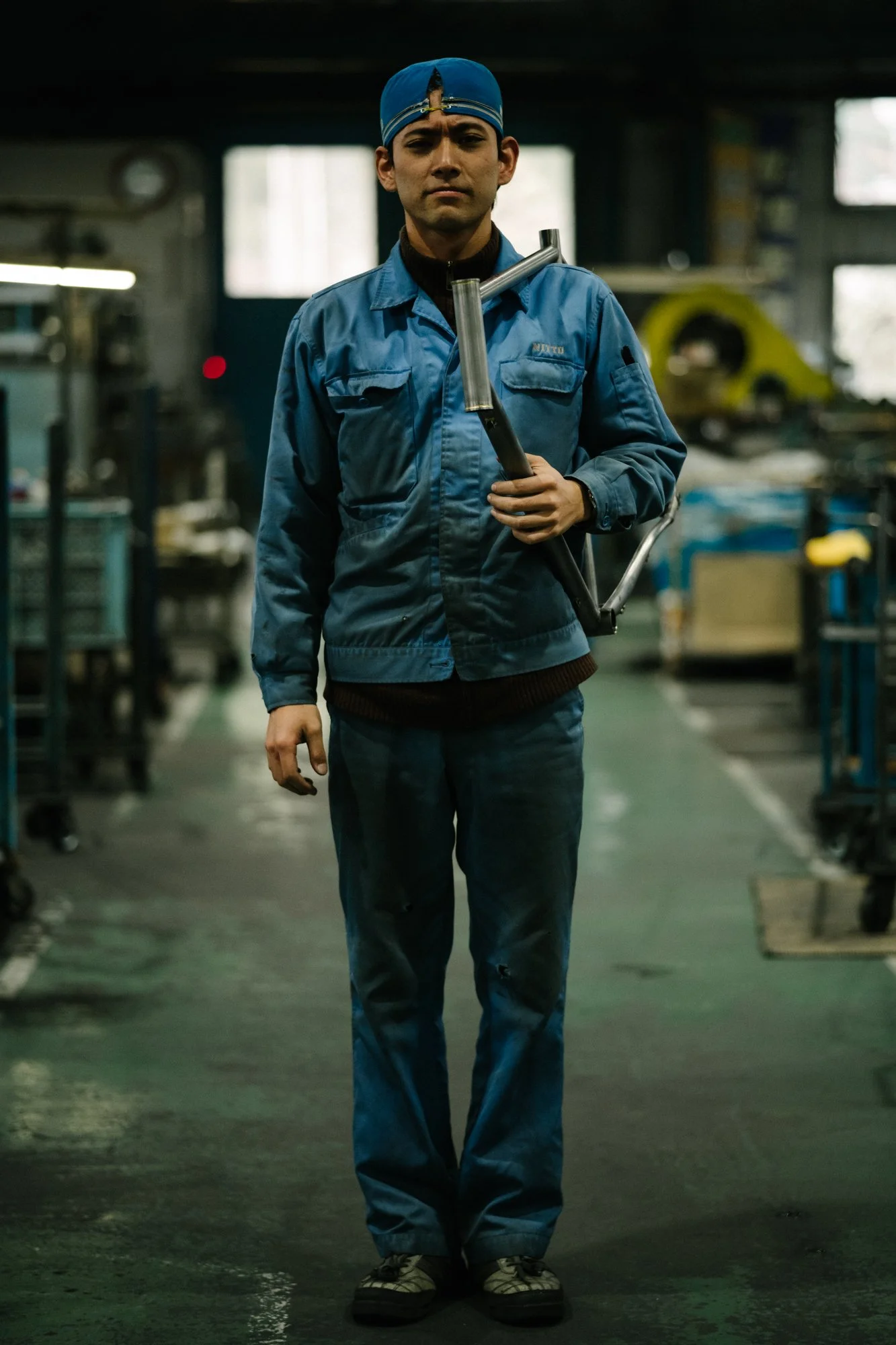
Keita Ueda - I am in my third year at Nitto. I serve as the sub-chief for both the Jig/Tooling department and the Frame Division. If you didn’t know Nitto had a frame department, you should probably keep an eye on what SimWorks recently.
After I graduated from the Tokyo Cycling Design school, I was drawn to Nitto simply because I love making things by hand. Crafting a tangible product and sending it out into the world feels so deeply satisfying to me, but for critical parts like handlebars, stems, seatpost, and of course frame, it also carries a great deal of responsibility.
After spending years making these products, what does quality mean to you personally? Is there a detail in your work that you pay particular attention to that customers might never notice?
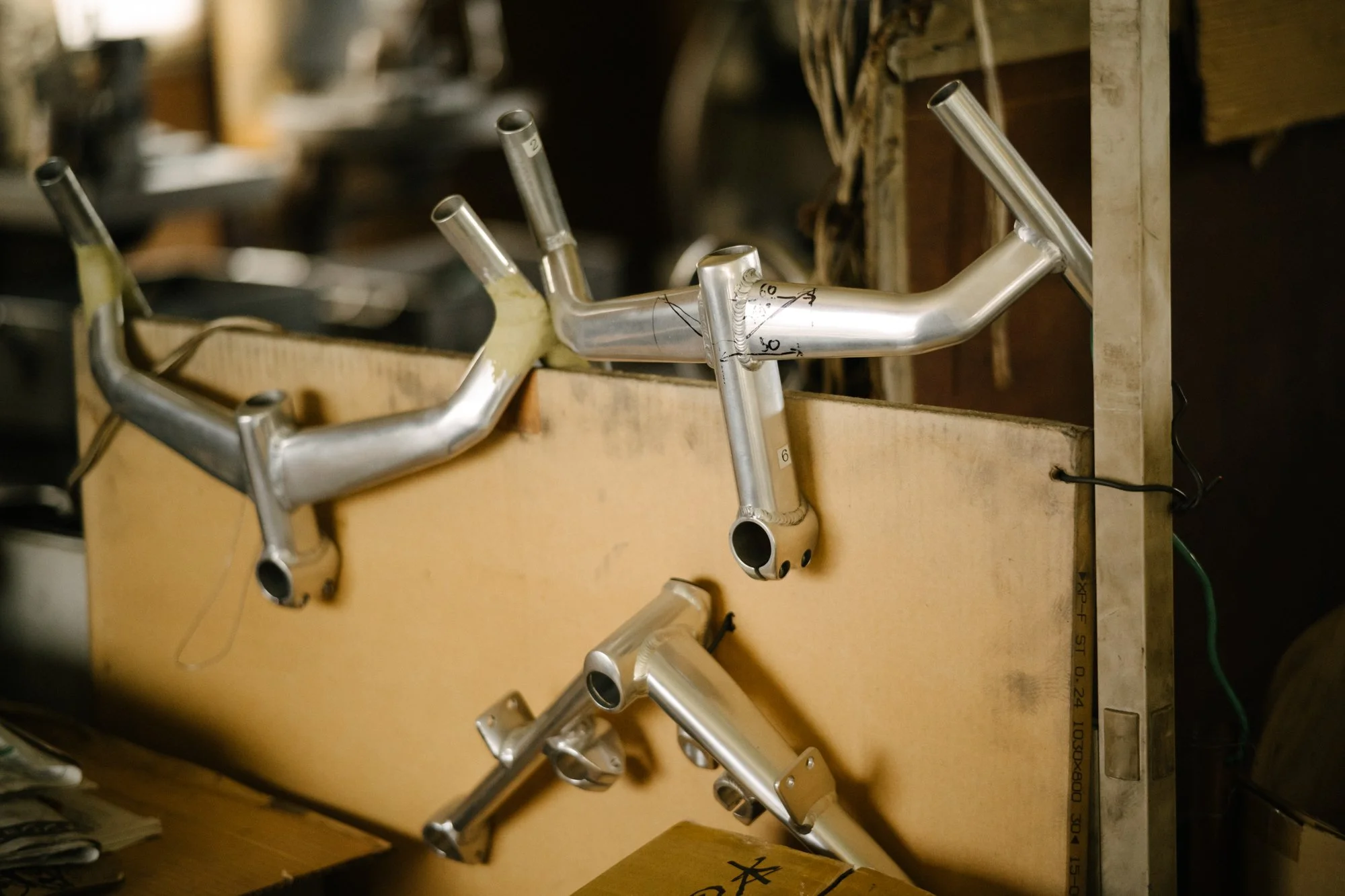
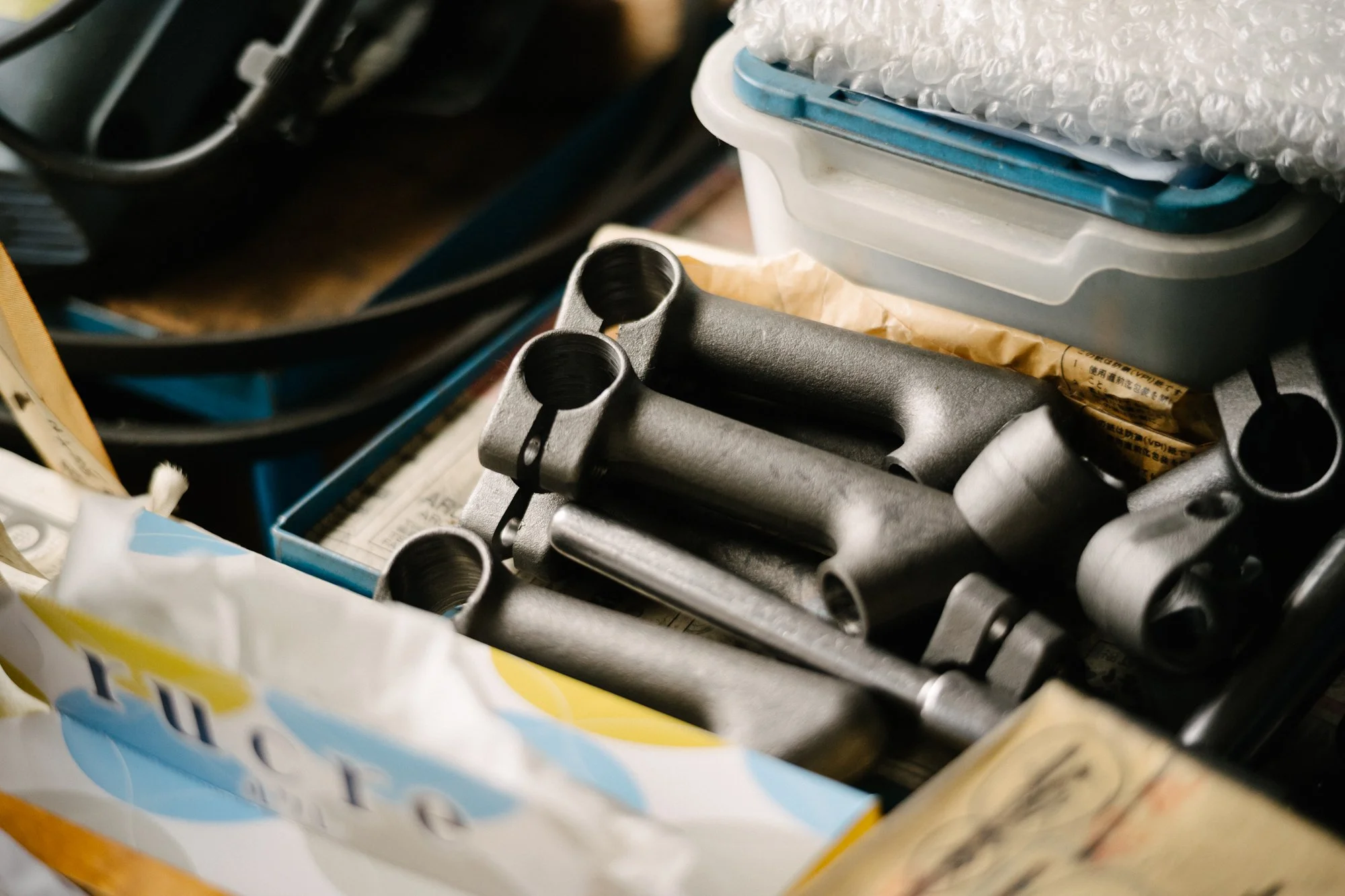
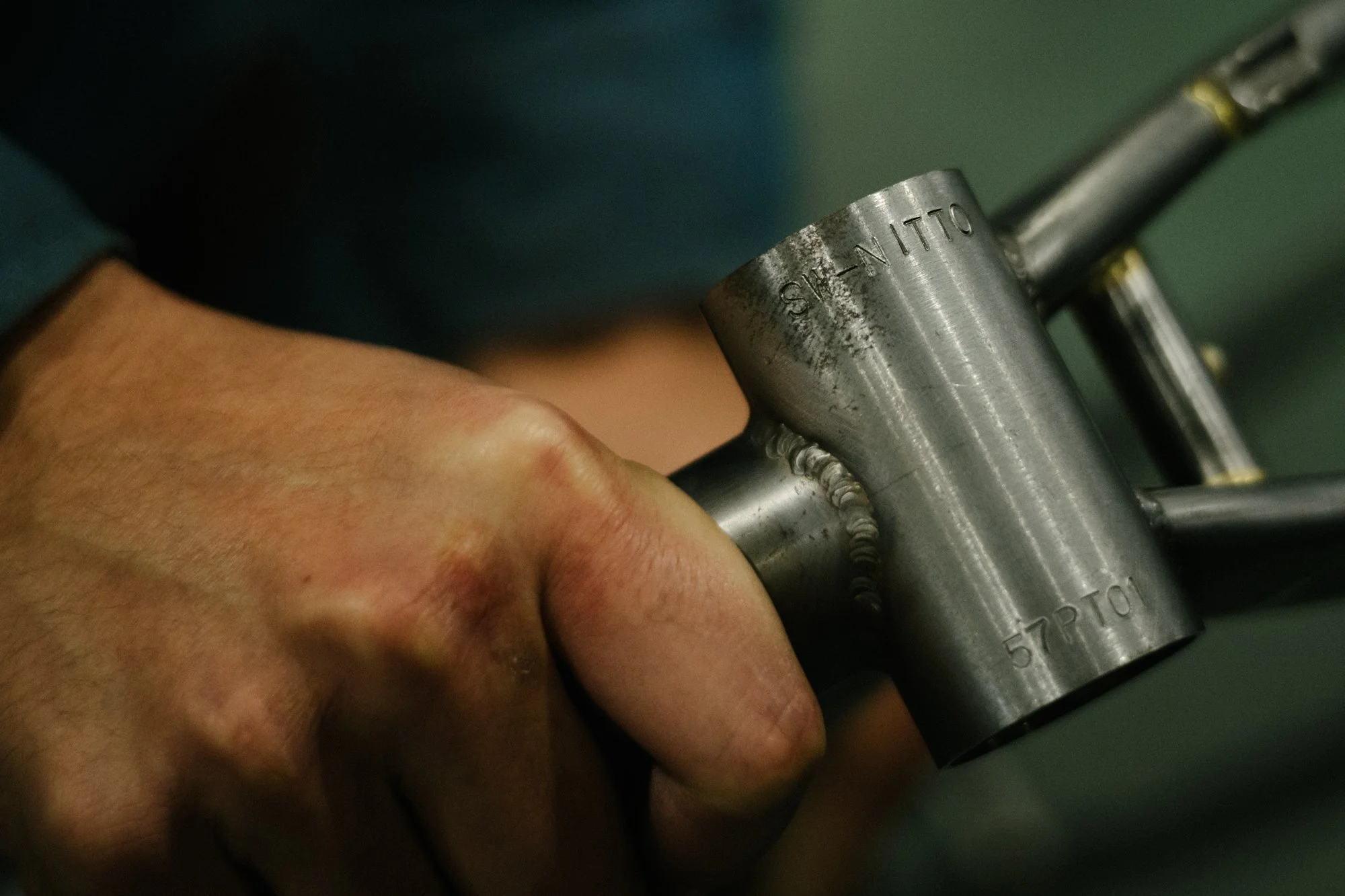
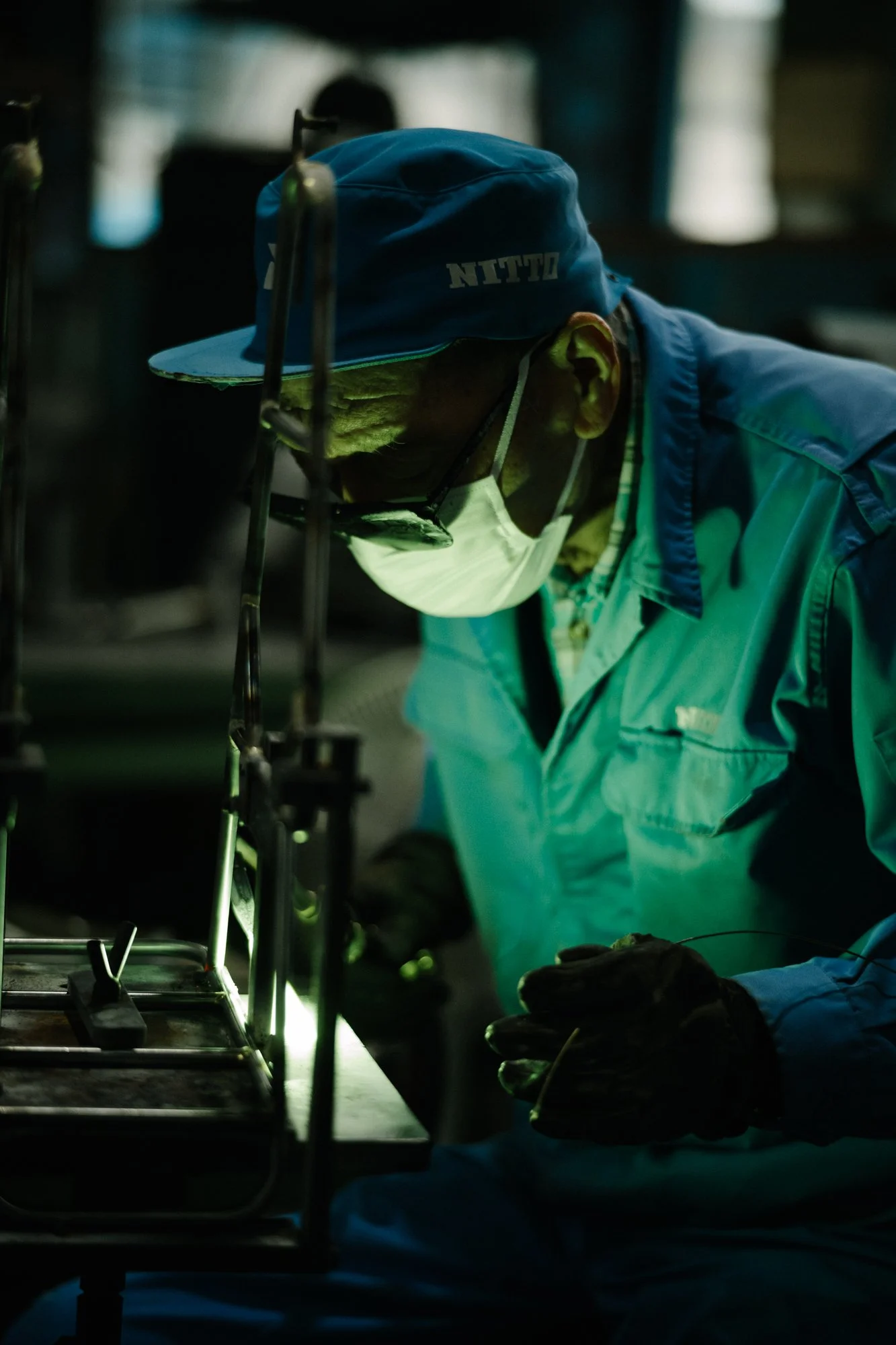
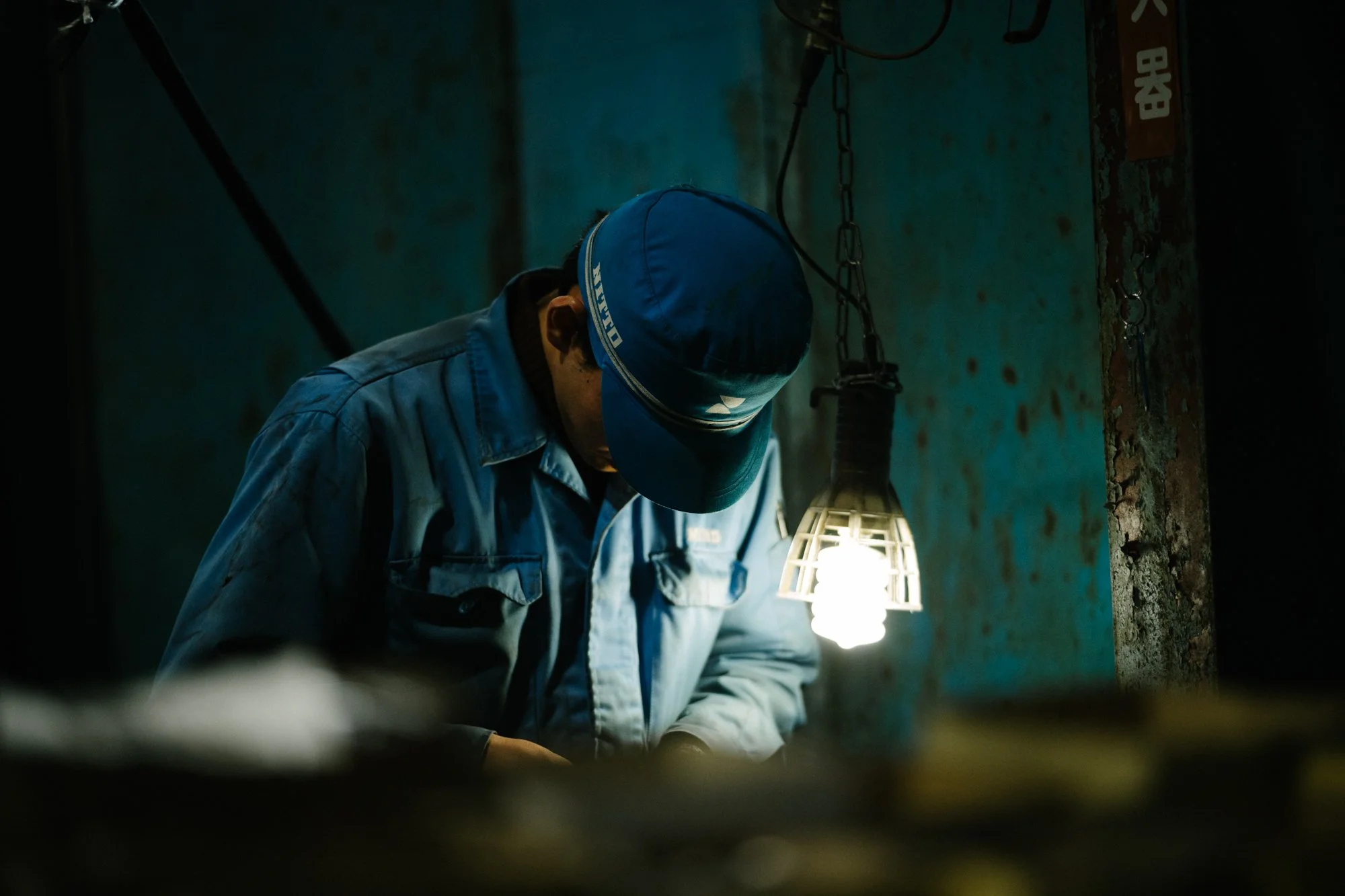
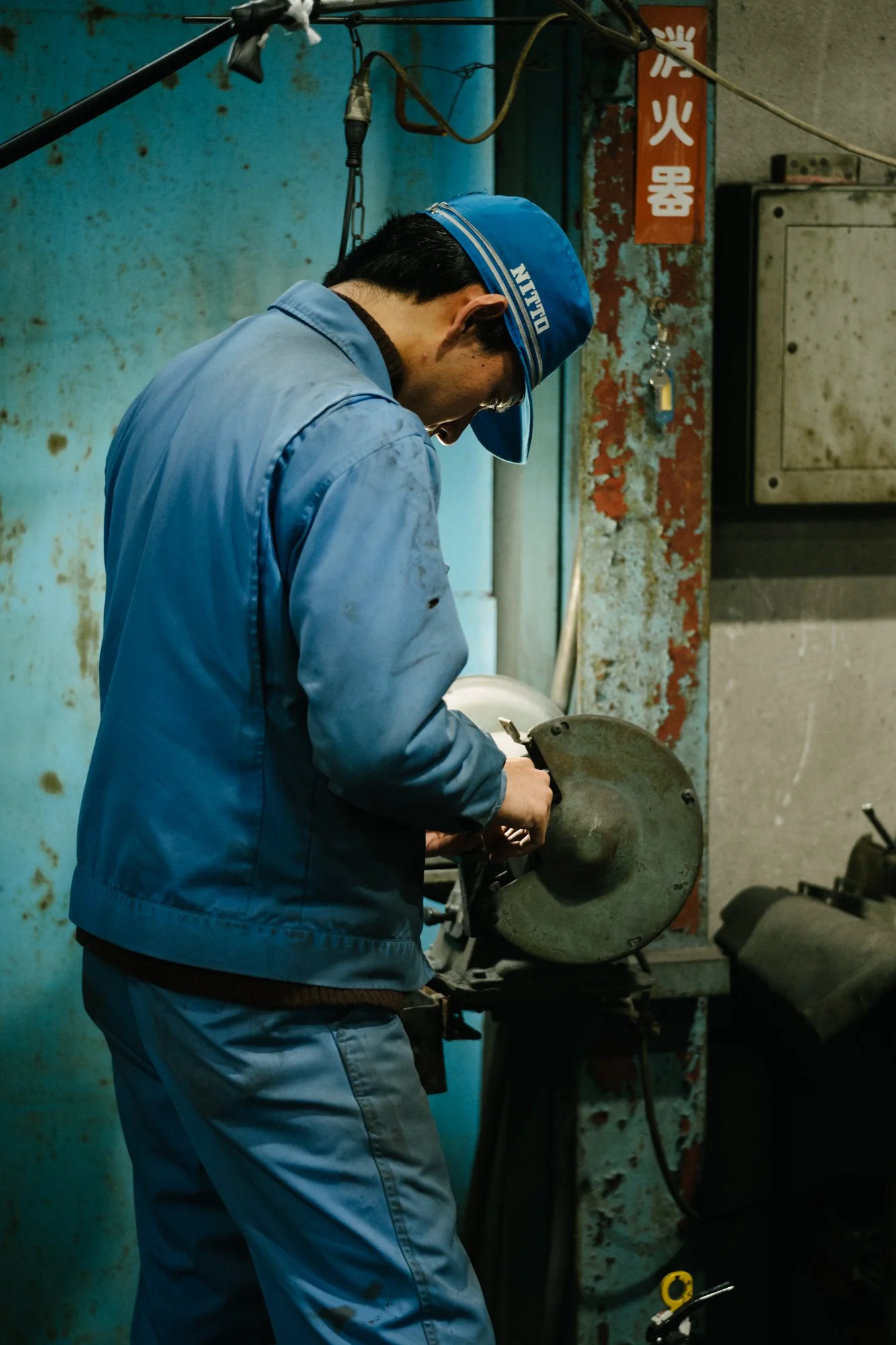
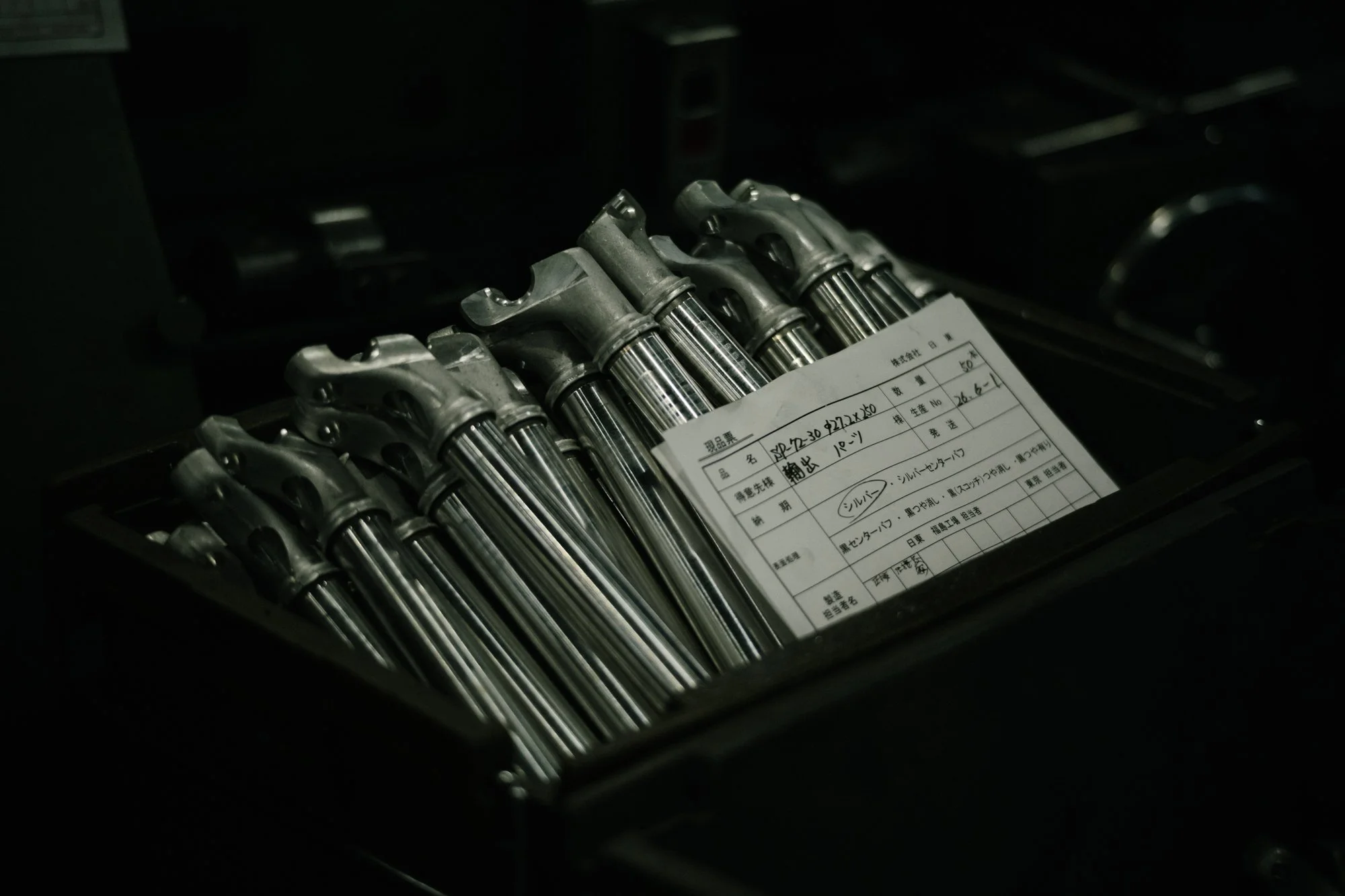
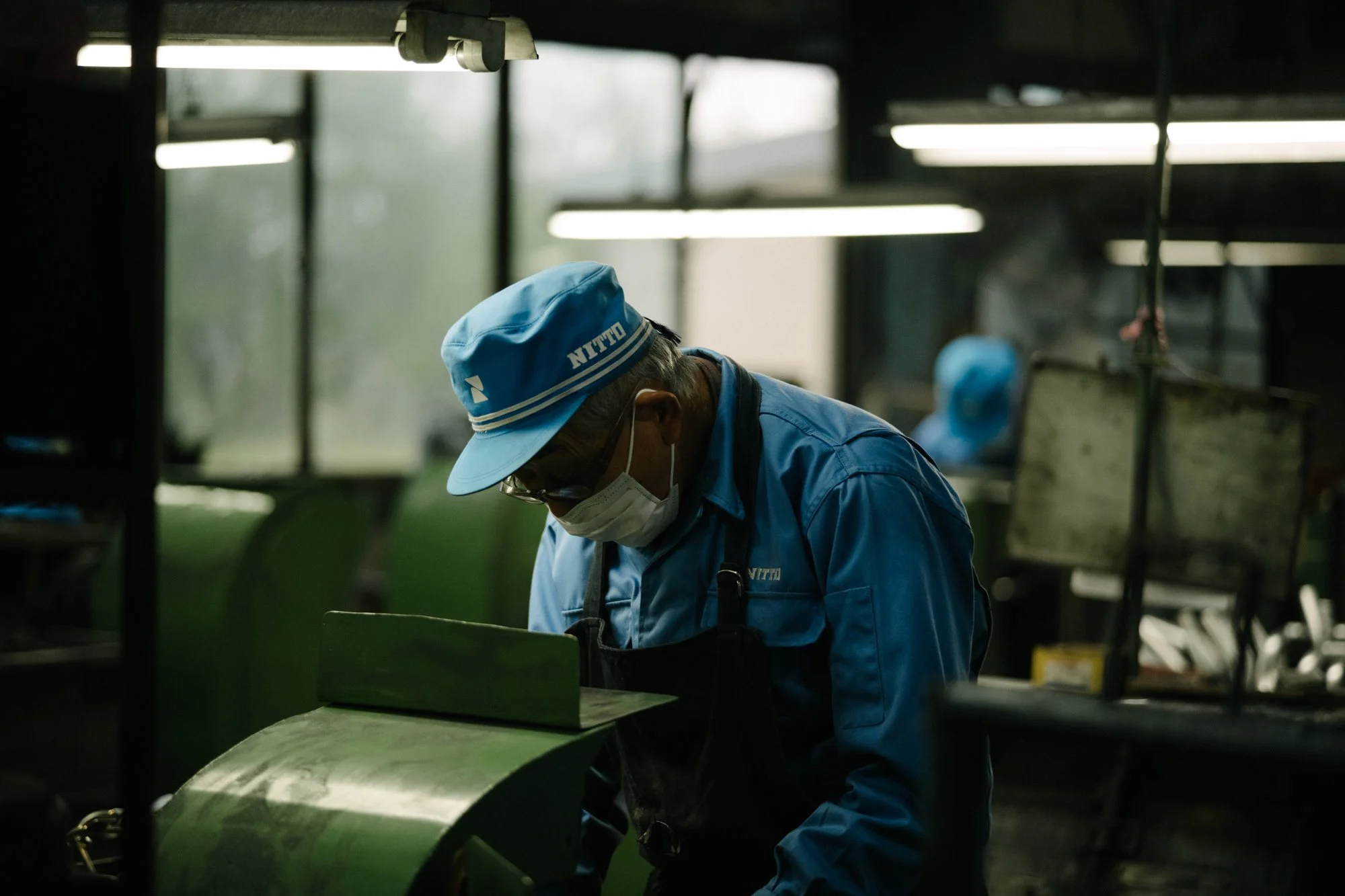
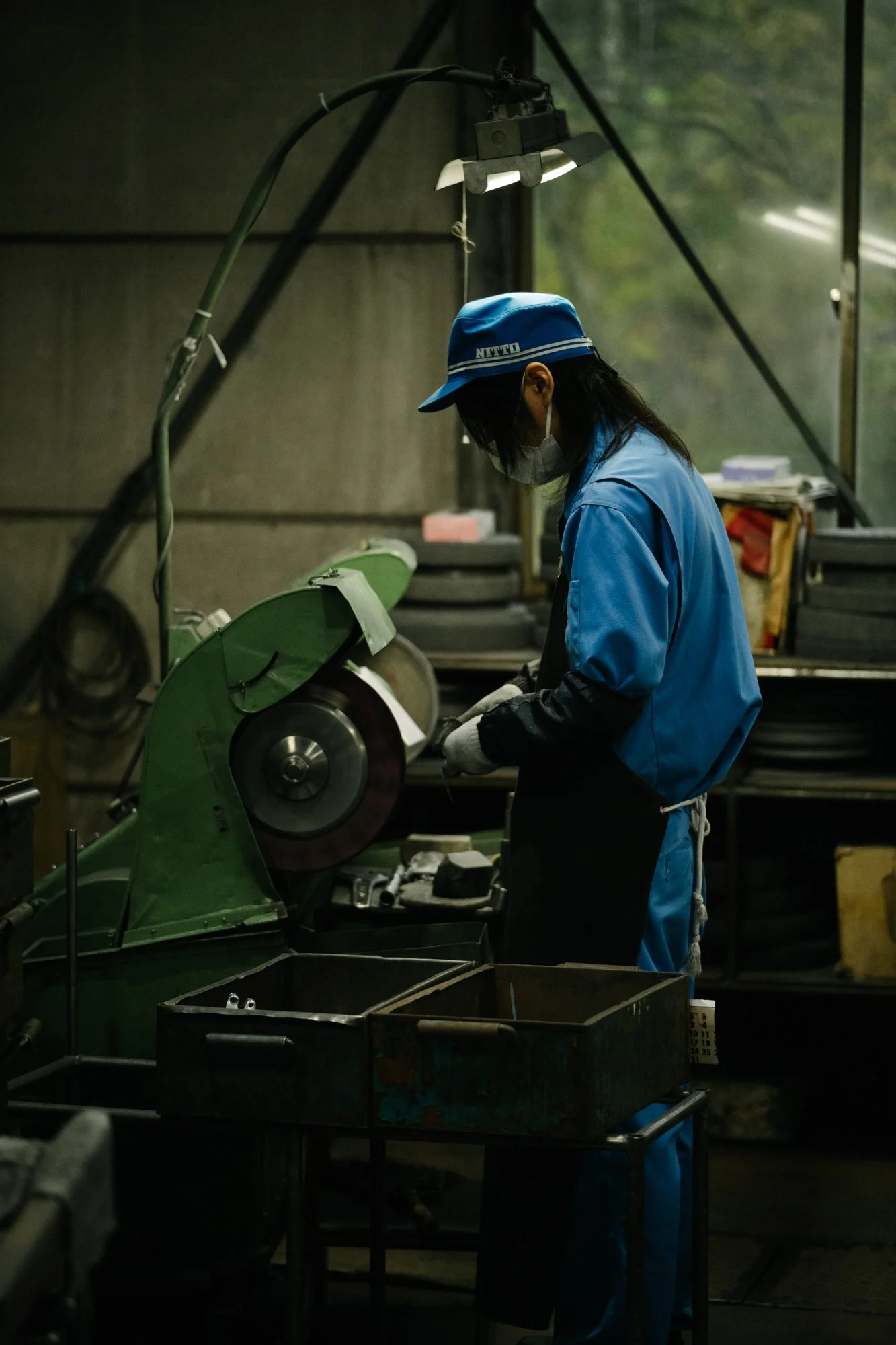
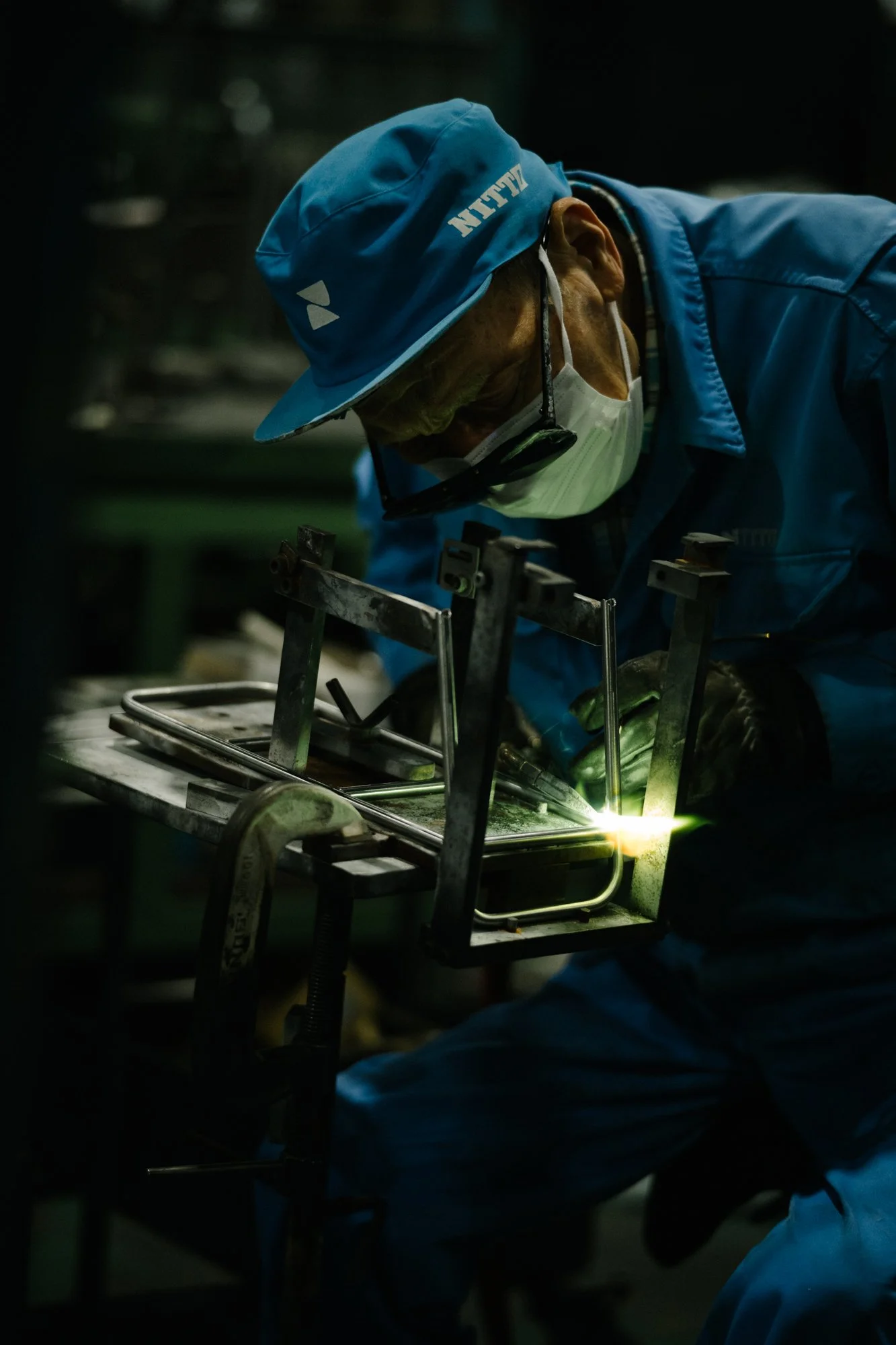
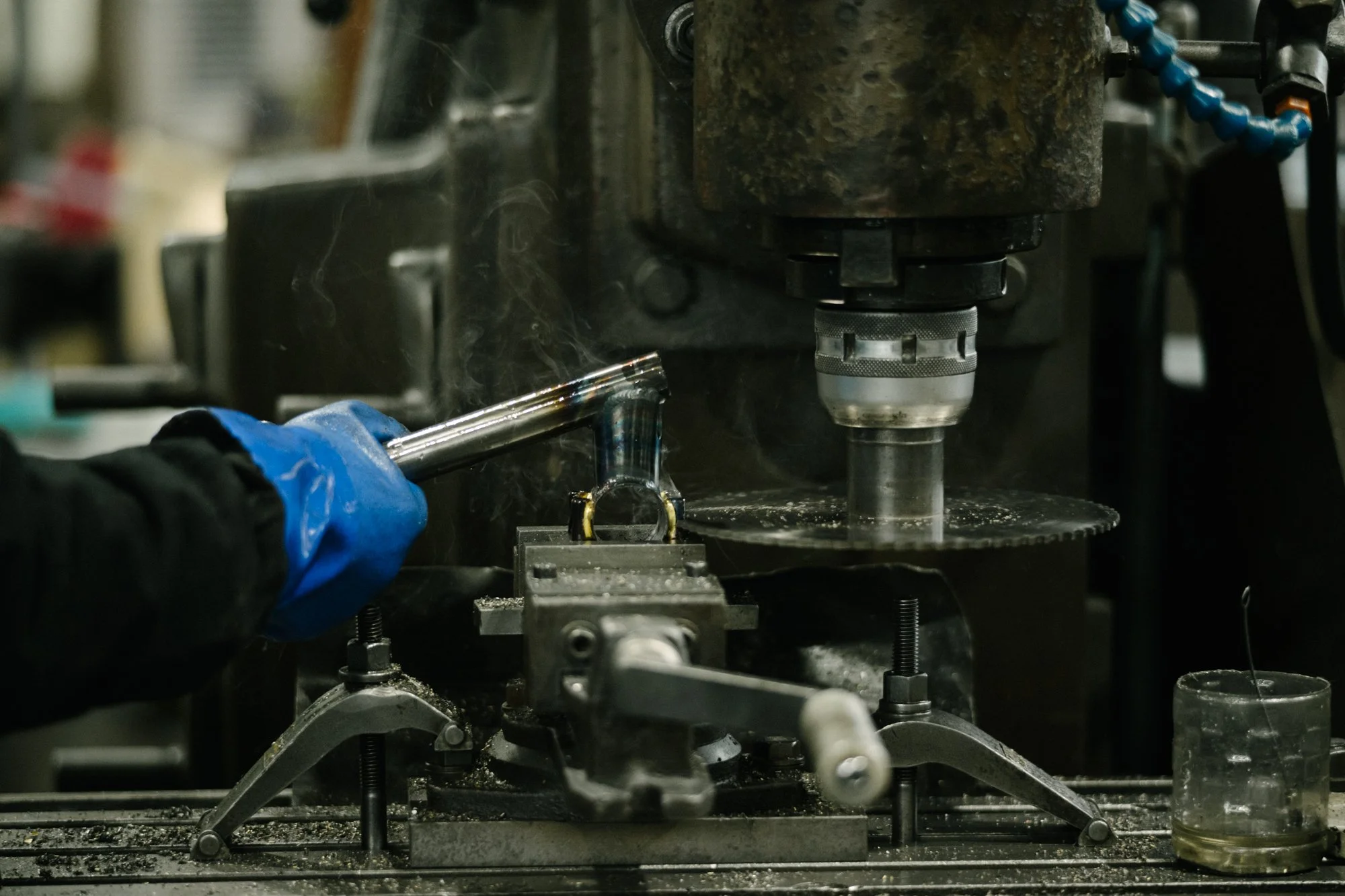
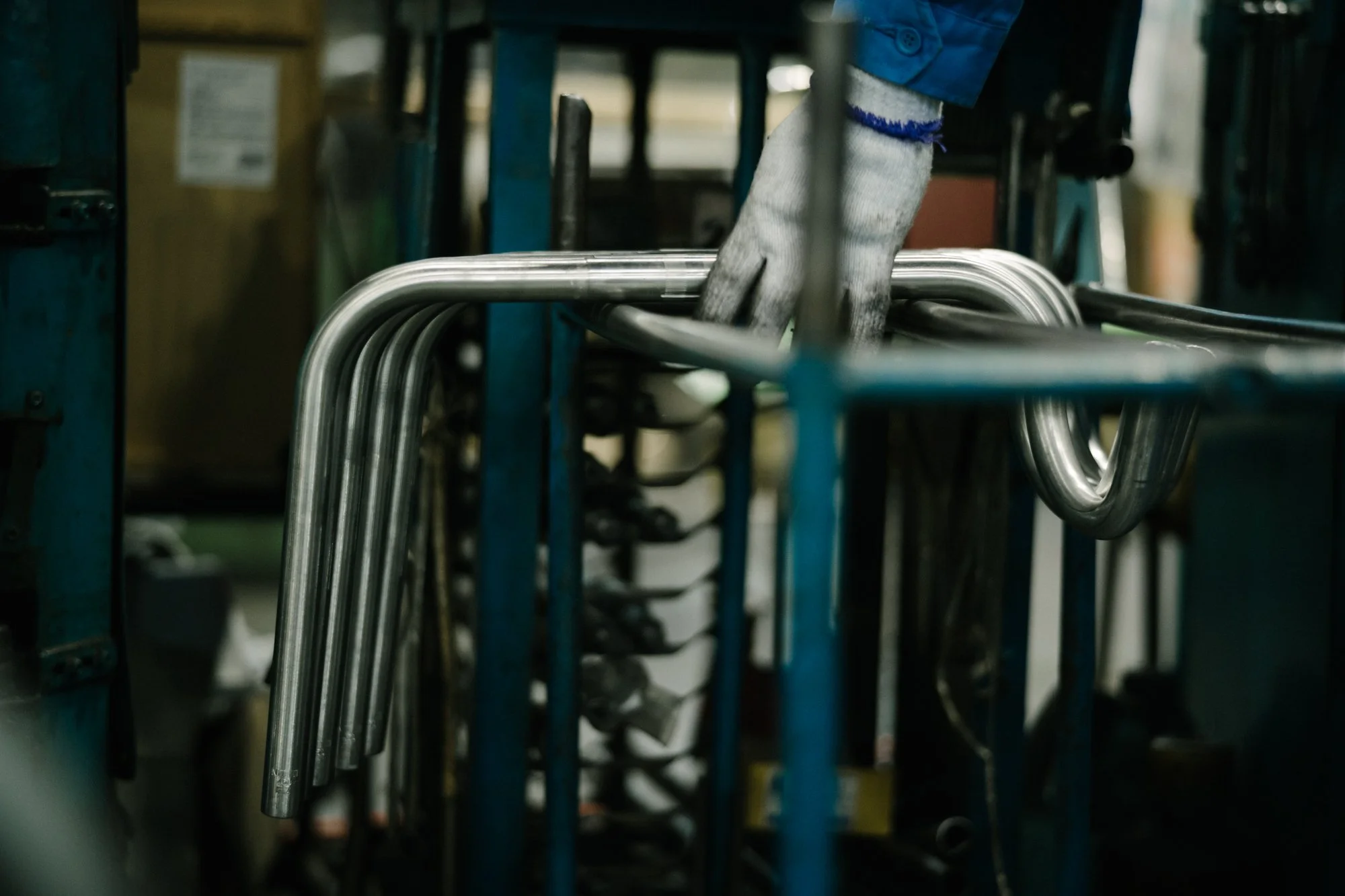
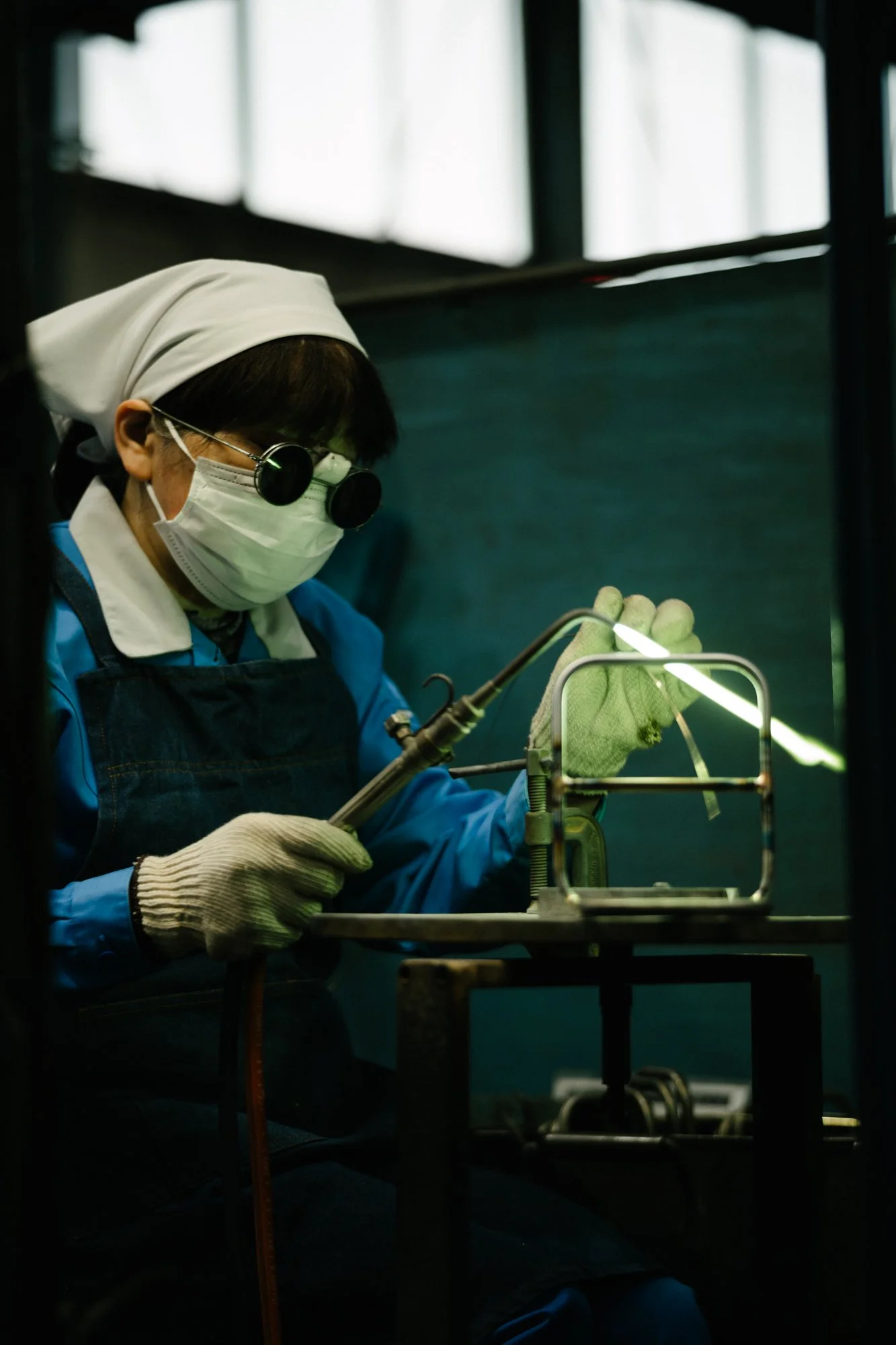
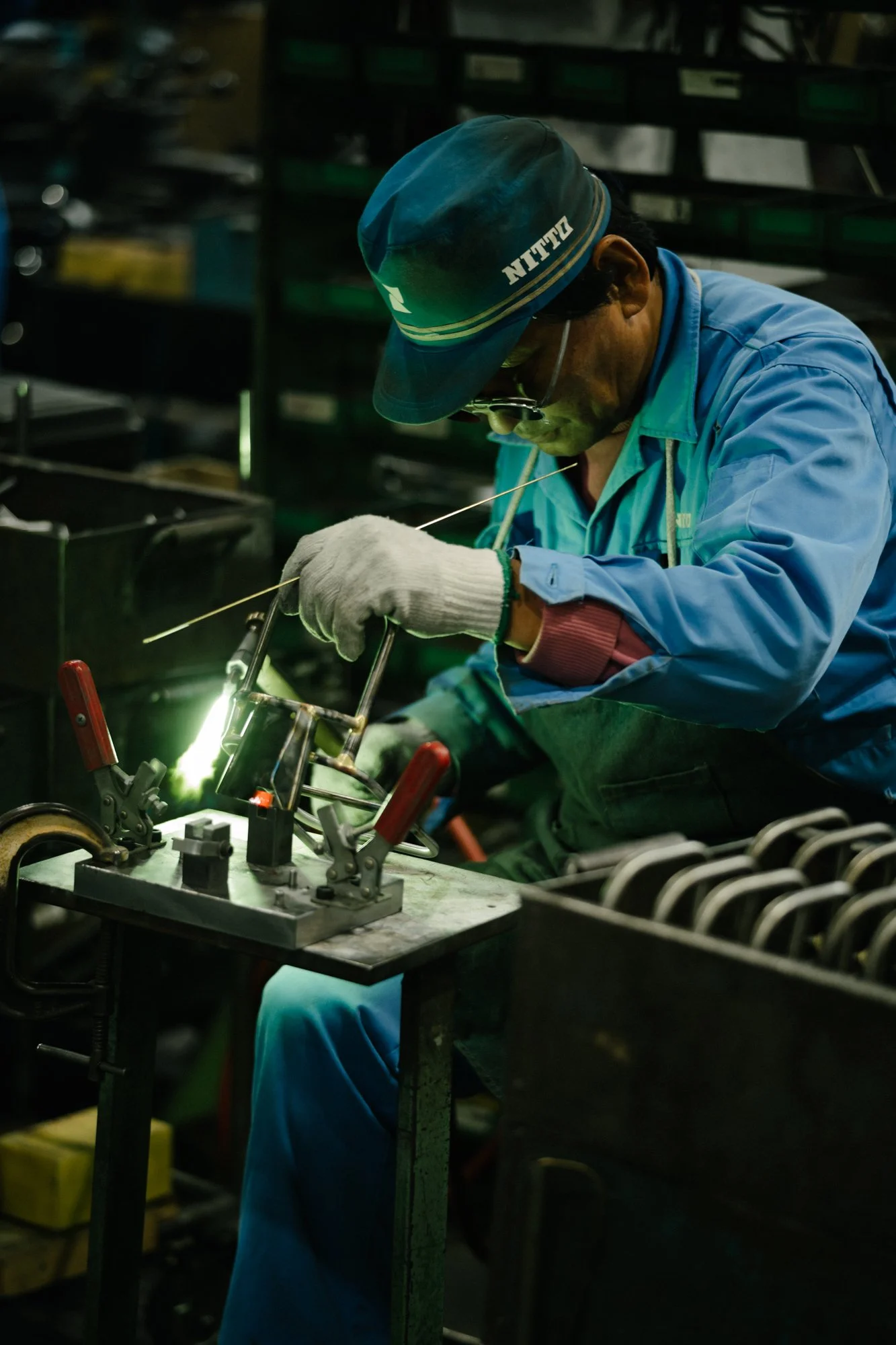
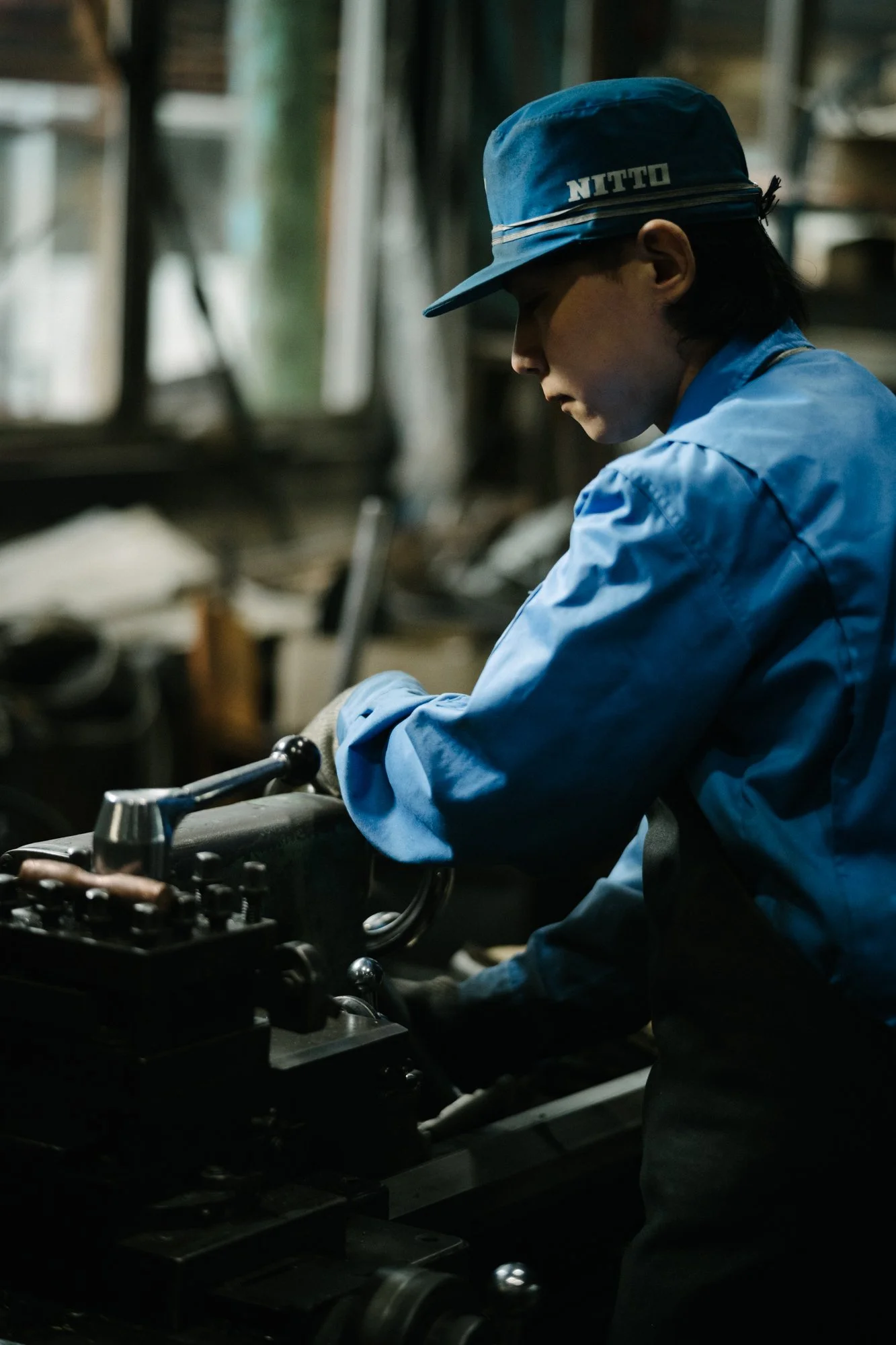
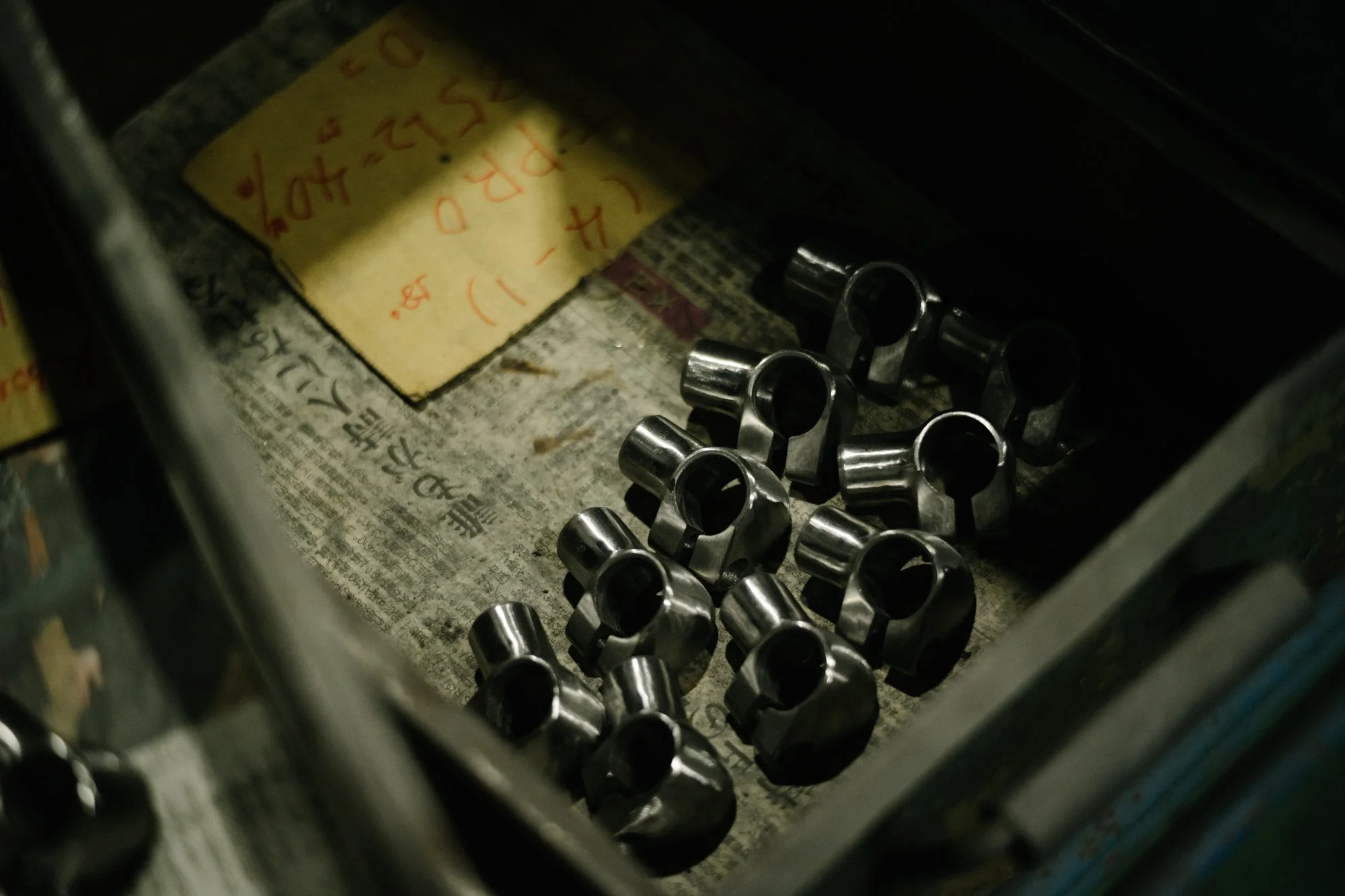
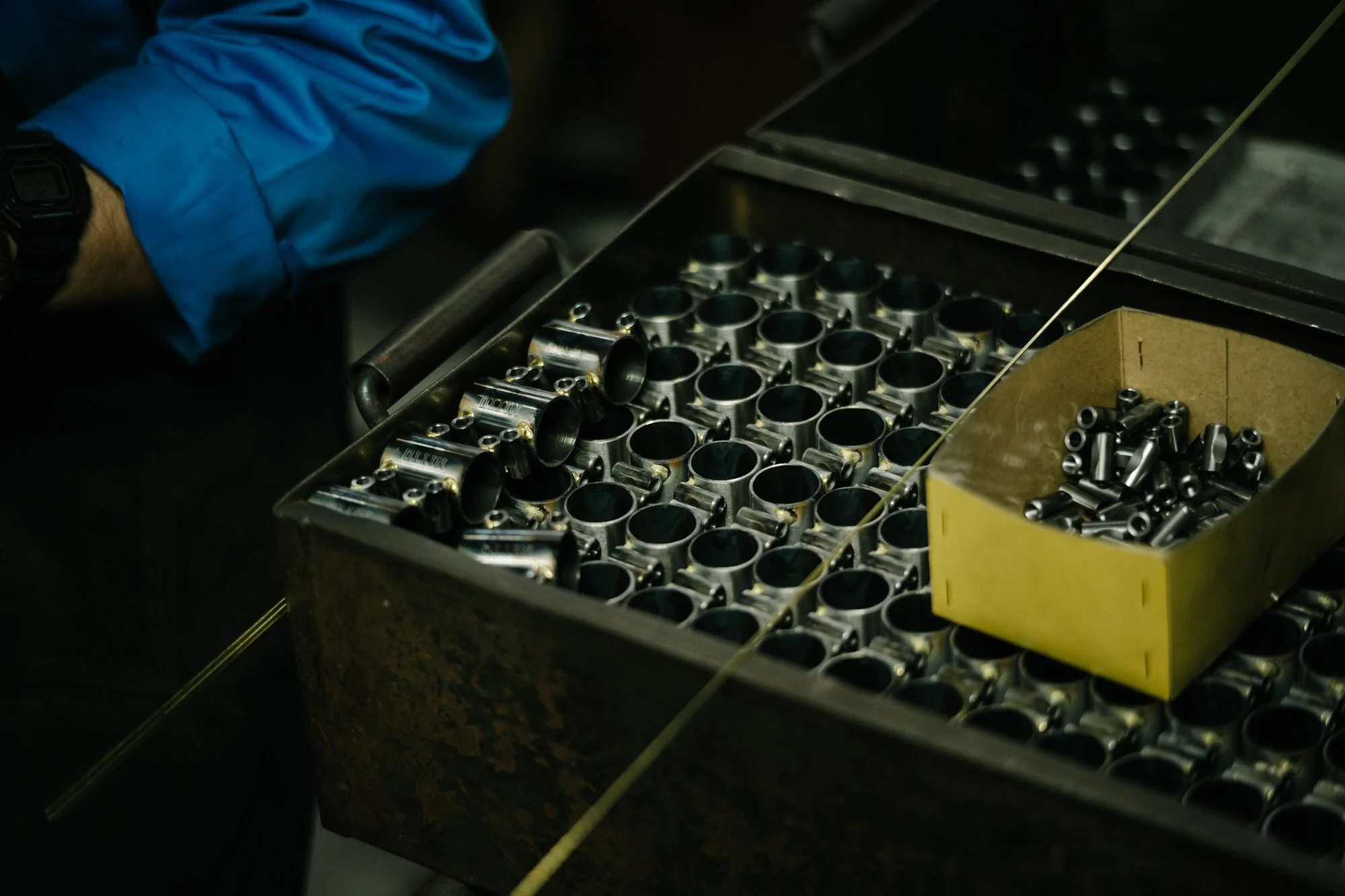
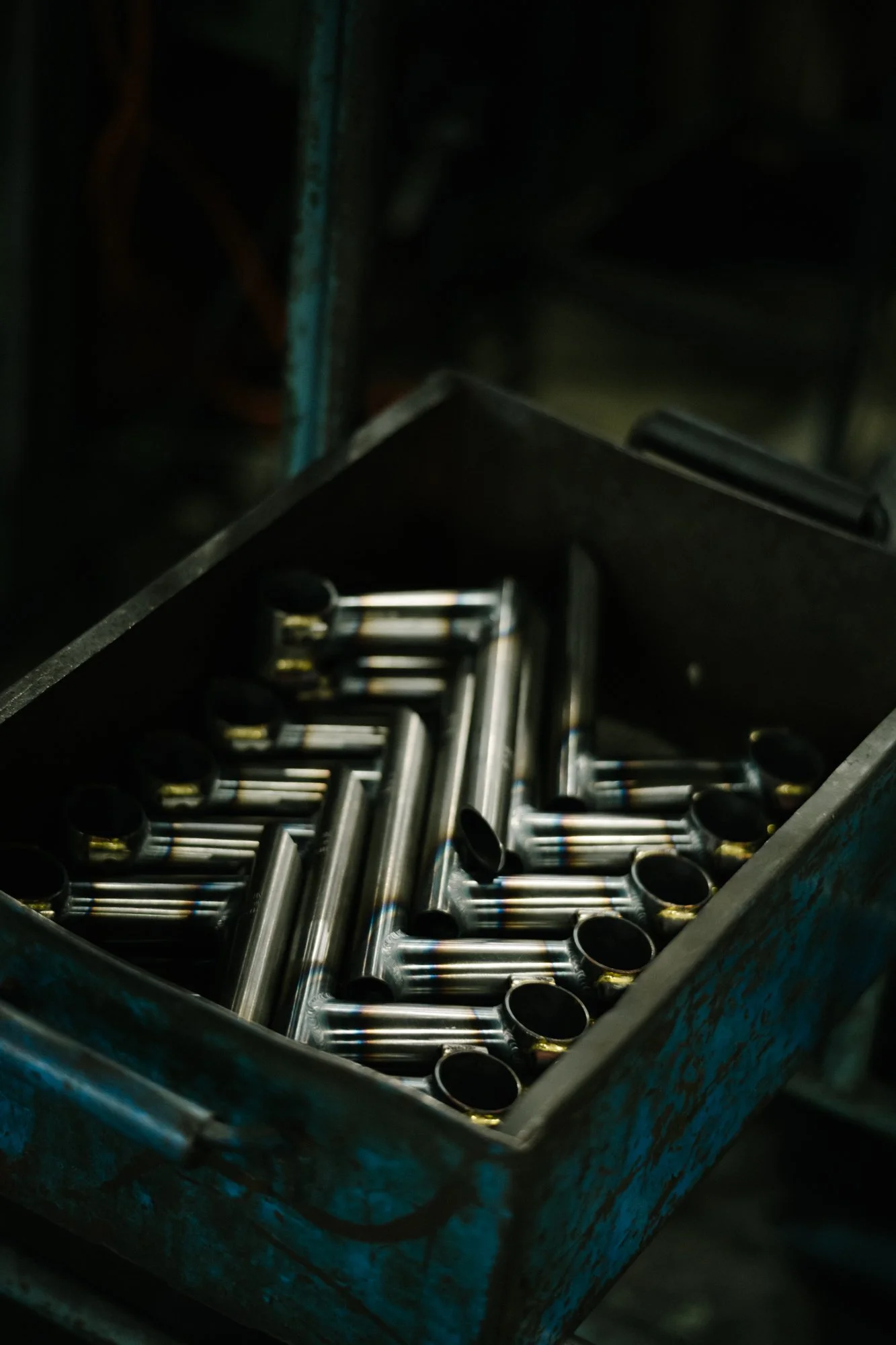
One of my favourite processes used on our aluminium products, such as seatposts and stems, is friction welding (masatsu-assetsuki), a technique that very few component manufacturers still use today. I think it's a pretty good example of what we take pride in here at Nitto. Because once the two pieces of aluminum have been joined, there is still actually so much more to do. Each part still requires quite some finishing before it looks the way you see it on bikes and in shops. The welded pieces are first machined on a lathe and then individually hand-polished by our artisans.
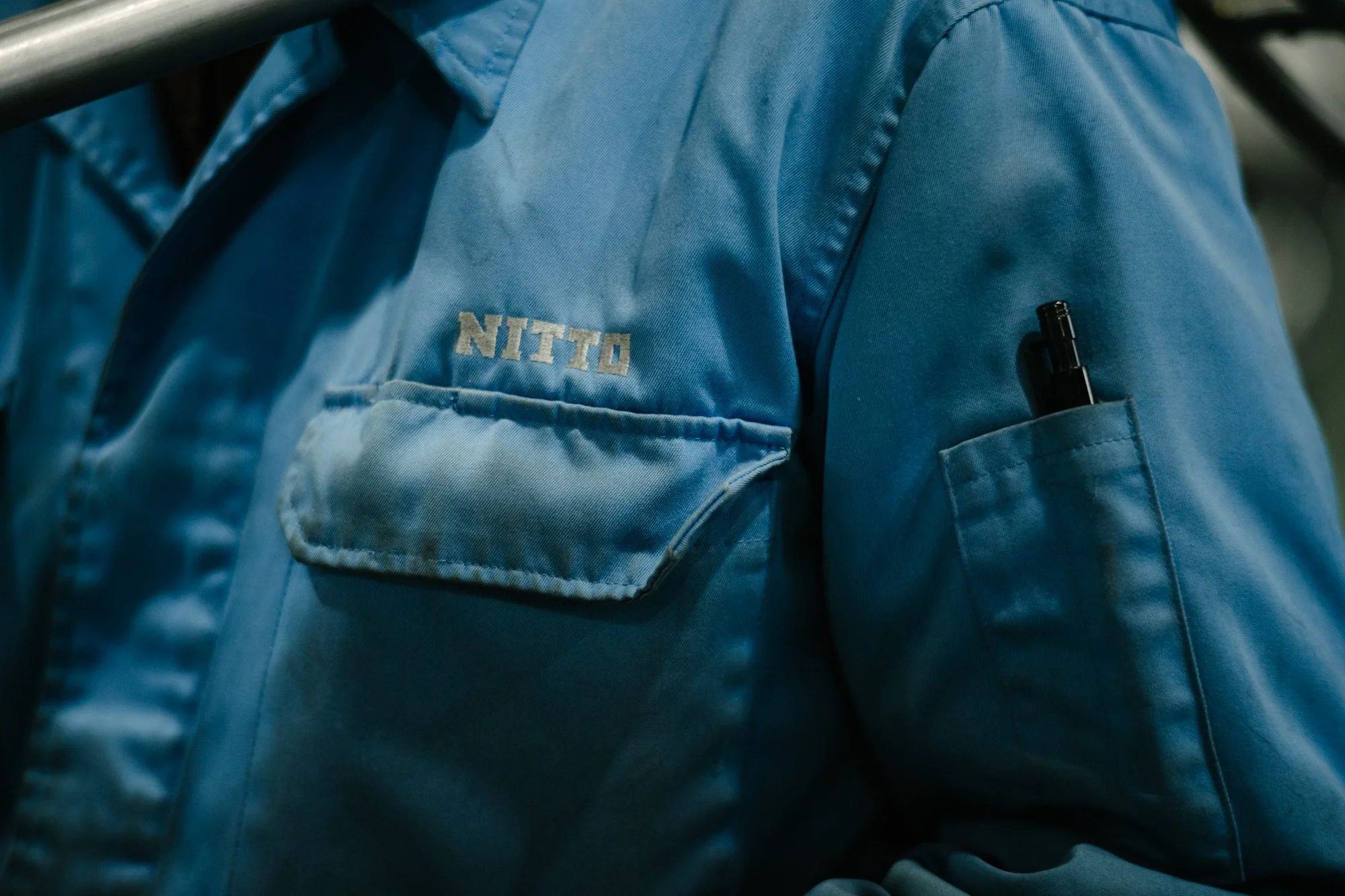
And it’s precisely since each item is finished by hand rather than entirely by automated machines, that every single piece carries a slightly different "expression" or character. In mass industrial manufacturing, subtle variations might be viewed as a flaw, but for Nitto, where hand-finishing is our defining trait, it is our greatest selling point.
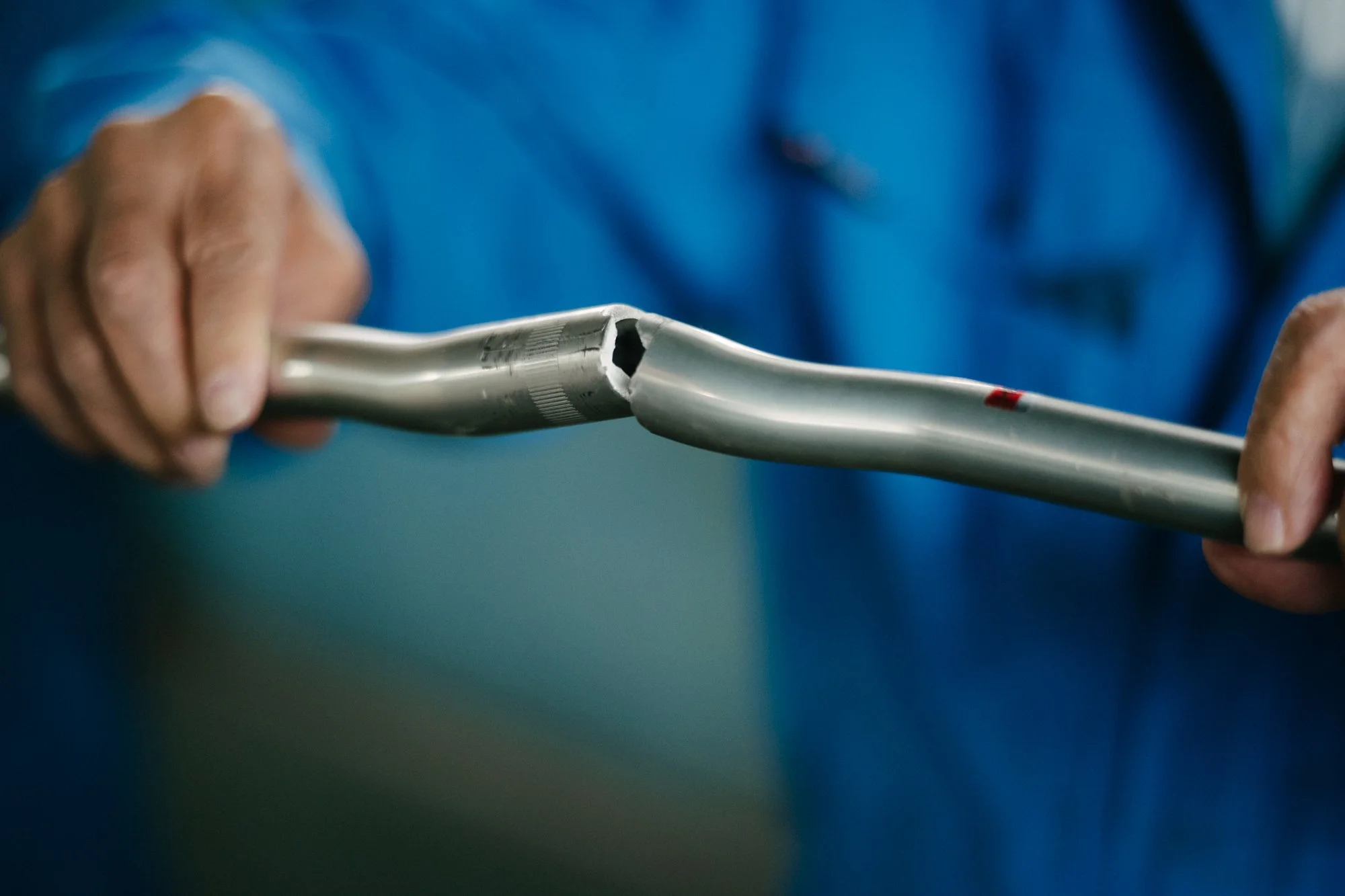
Underneath that hand finish lies strict safety engineering too! Nitto subjects its products to internal stress and strength tests that are significantly harsher than standard JIS (Japanese Industrial Standards) requirements.
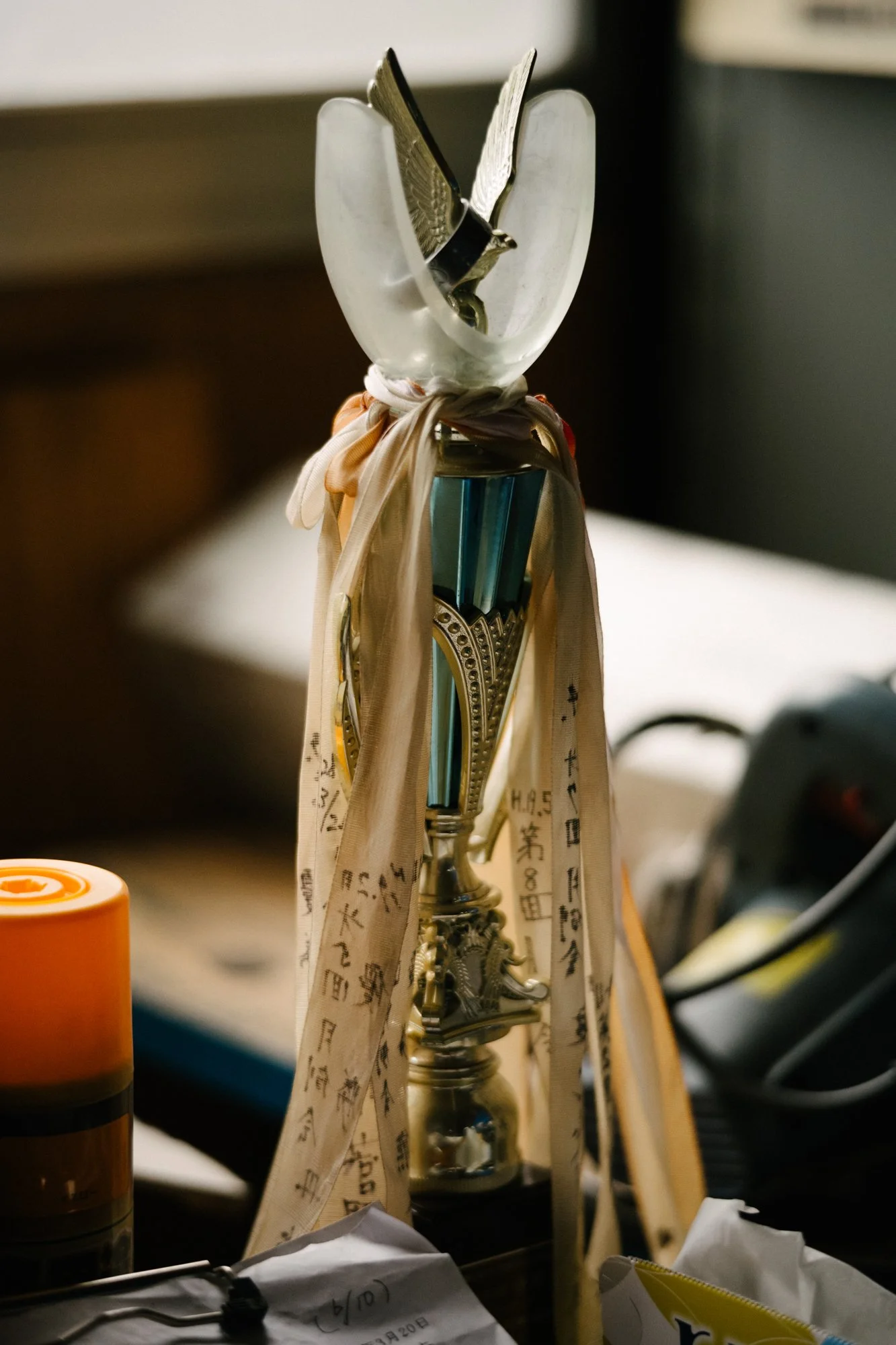
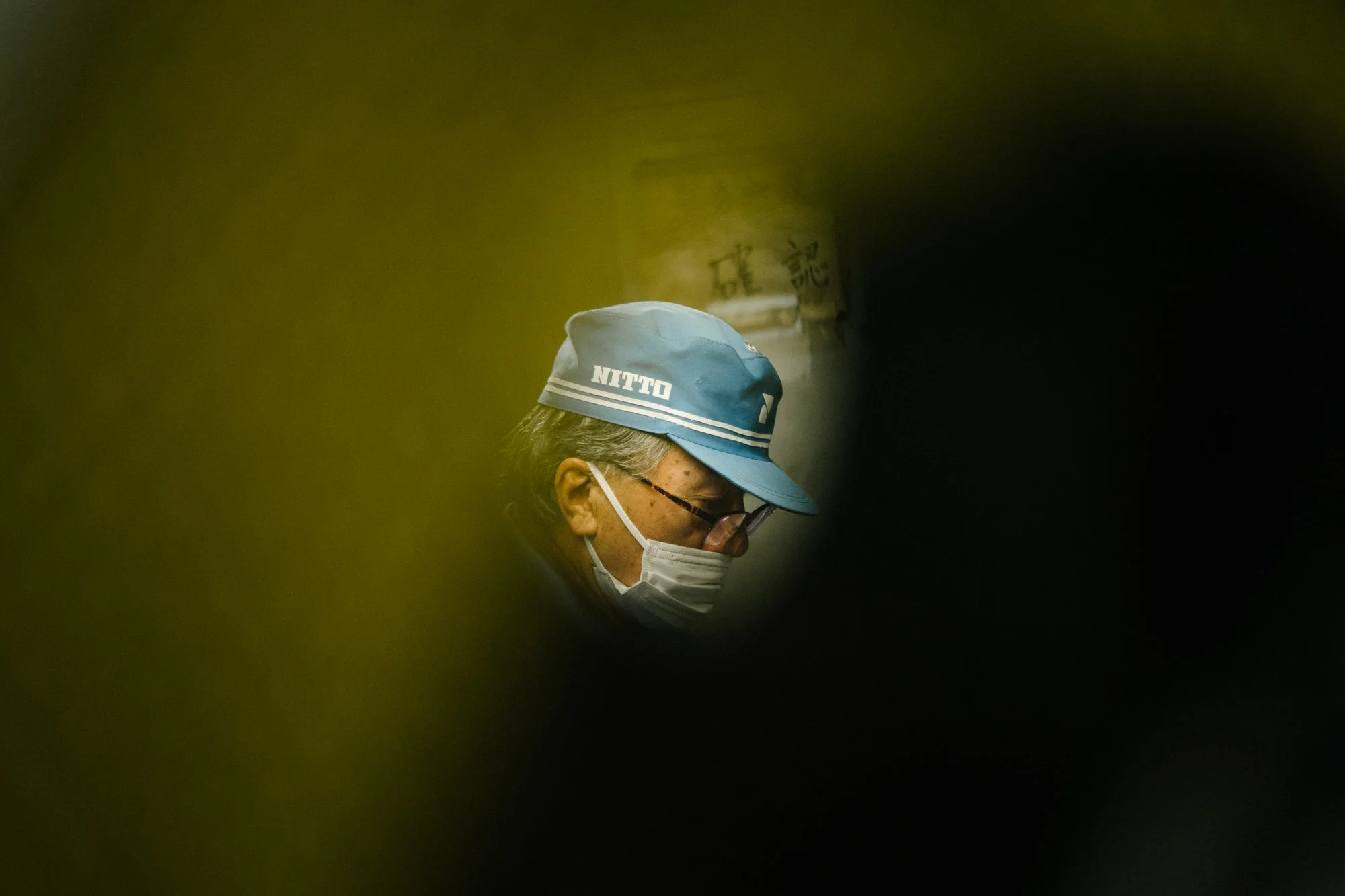
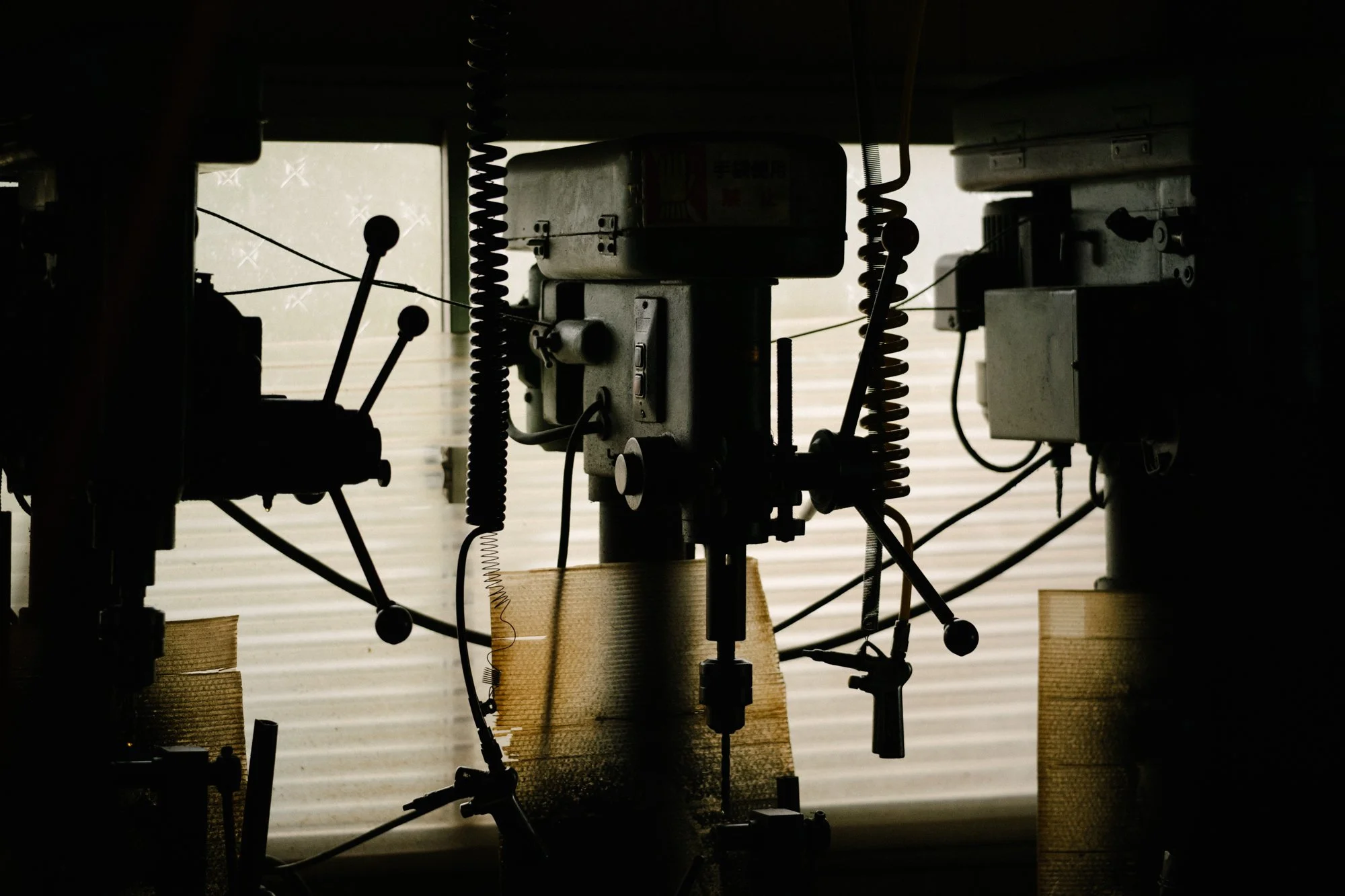
Do you feel that Japanese manufacturing puts more emphasis on making a good product than on promoting it?
Absolutely. Having been in the bicycle industry for a long time, my honest impression of Japanese manufacturing is that we are frankly terrible at marketing!
We concentrate almost entirely on making exceptional products. Japanese companies put all their energy into the engineering and craftsmanship itself, often leaving promotion as an afterthought. It’s as simple as that, and I’m not sure if it’s ever going to change.
What has changed the most since you started working here? Have manufacturing techniques, working conditions, or the people around you changed?
Over the past three years here, my personal approach has mostly been centered around continuous learning and improving the way we work. Especially, within my department, we're constantly looking at how to refine our daily processes, making production smoother, faster and overall more efficient without ever compromising on quality.
Do you feel younger generations are still interested in learning these traditional manufacturing skills? Is it becoming harder to find people willing to do this work?
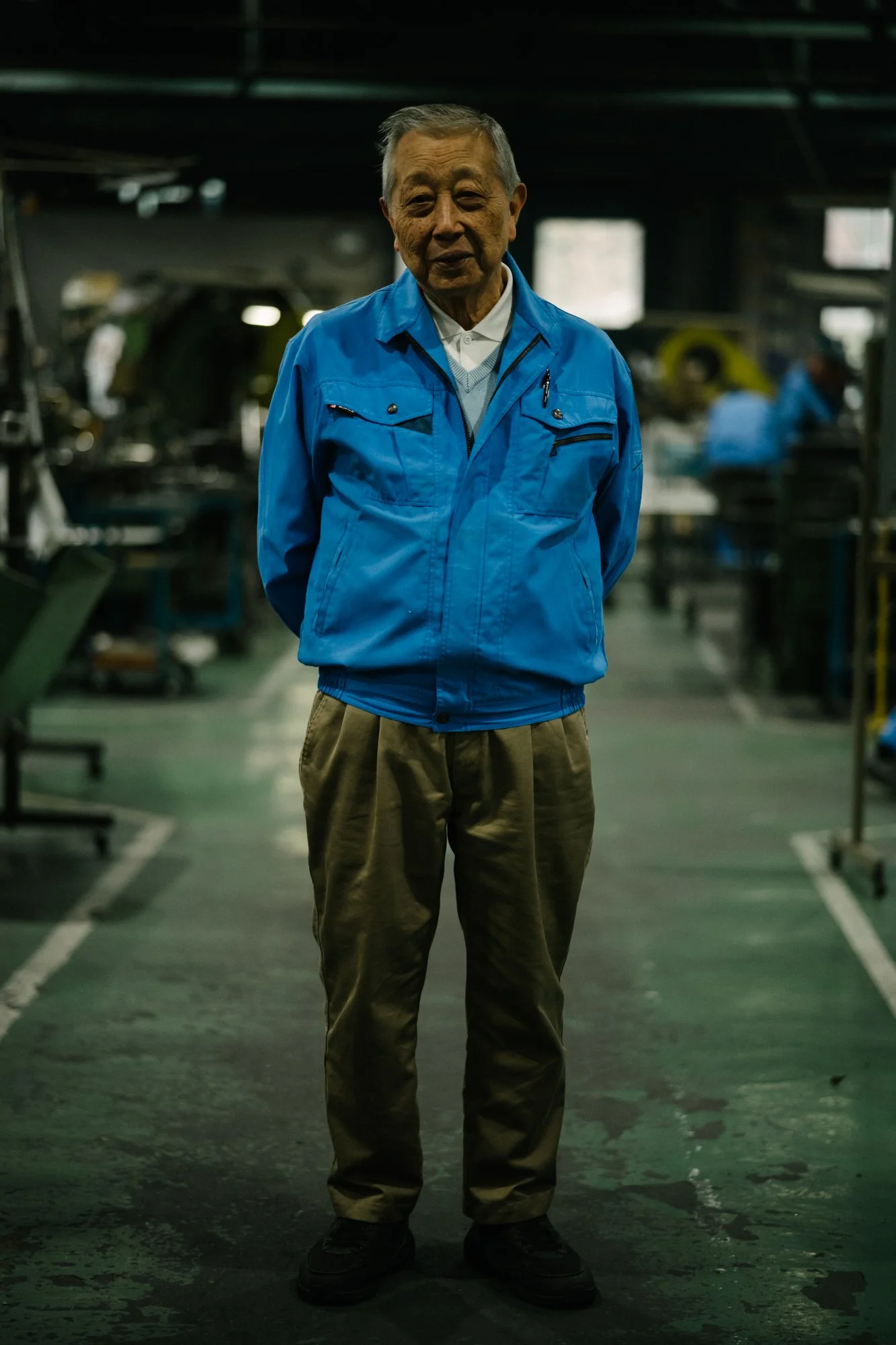
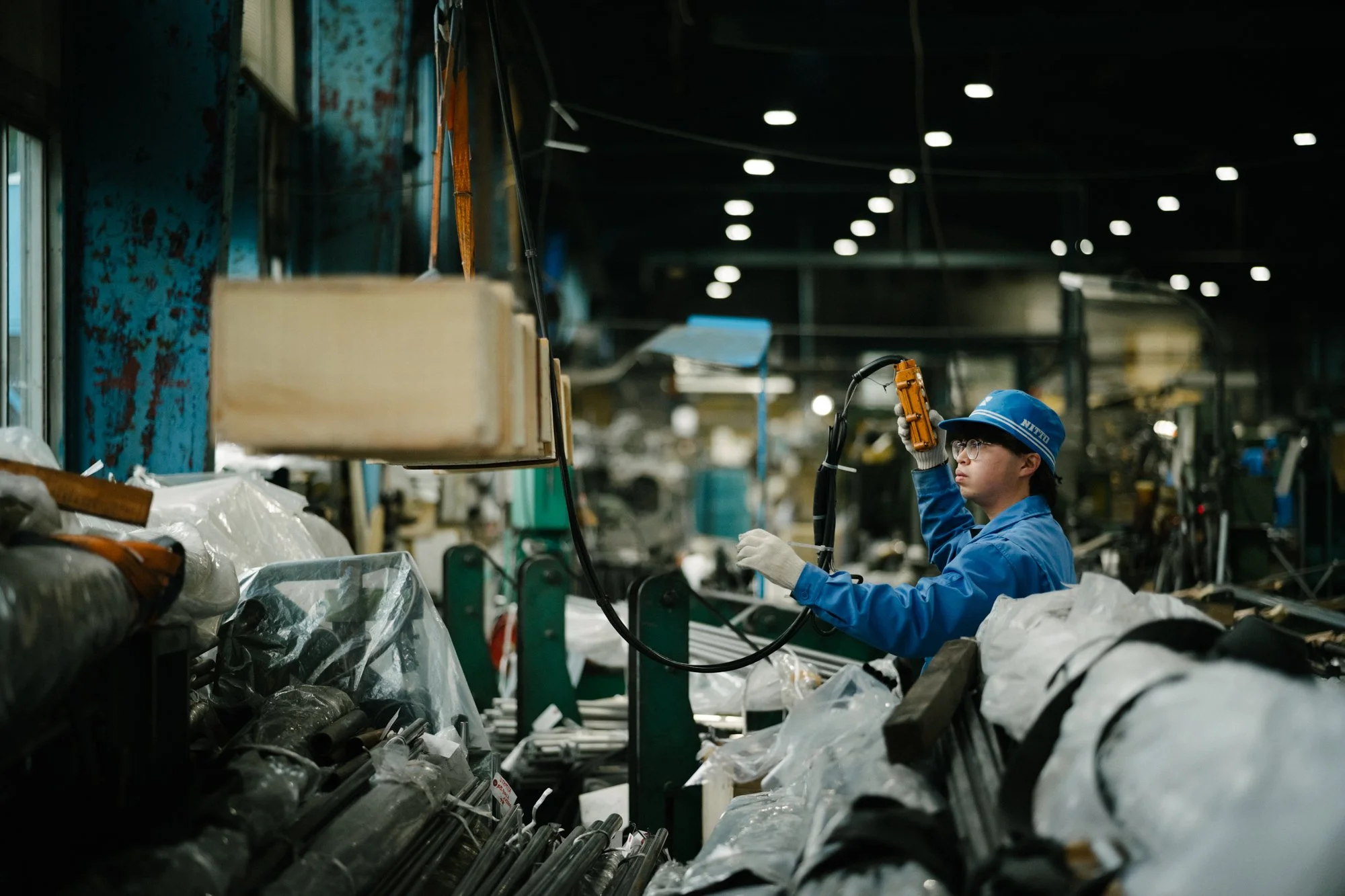
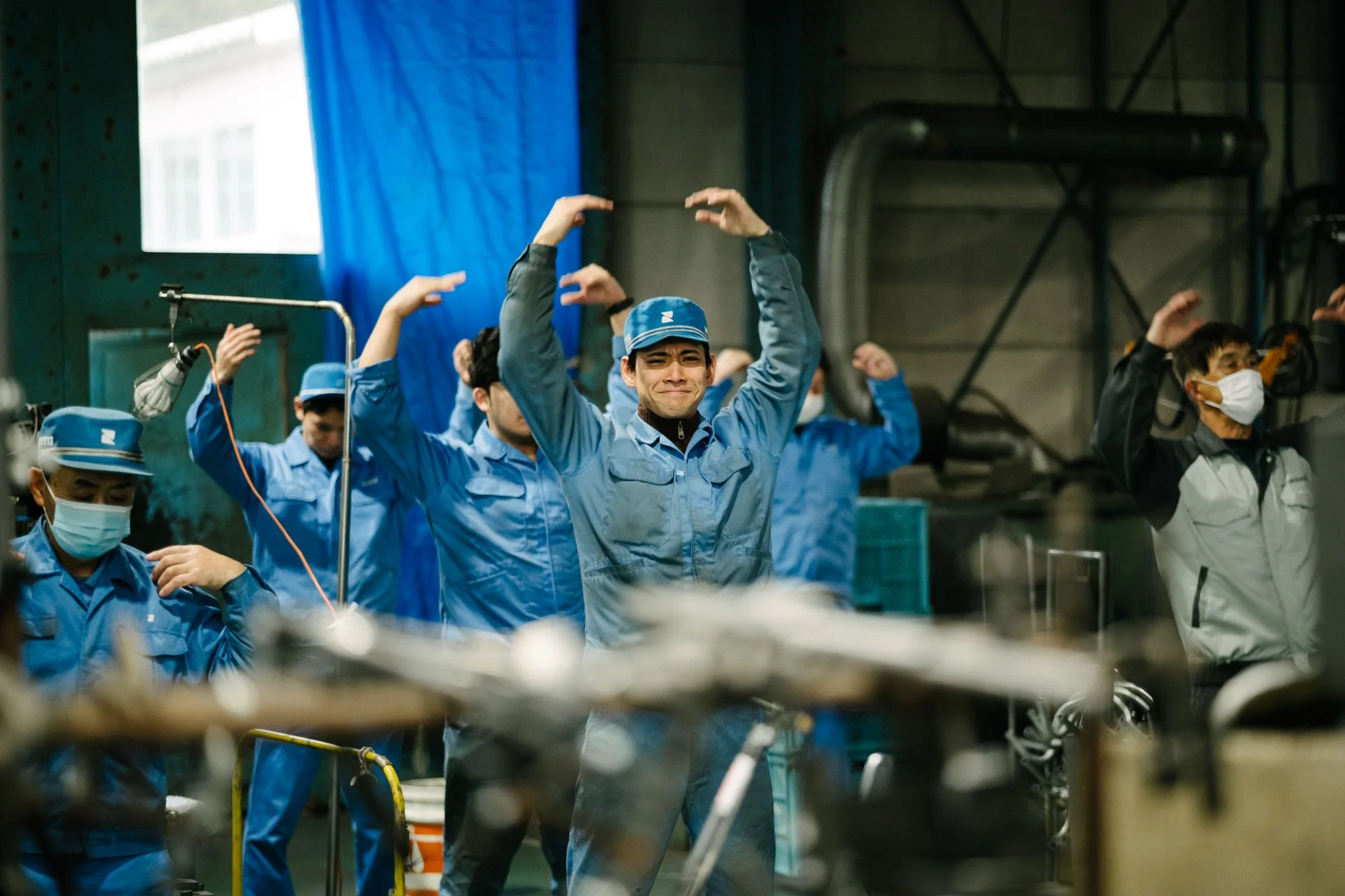
I feel like the few young people who do join Nitto are genuinely interested in manufacturing, and really love this job. You can see it how they actively think about how to optimize their station's efficiency, or try to bring new ideas to the table.
However, finding young people willing to enter this industry is definitely getting harder overall. Historically, there has been a perception in Japan that factory craftsmanship offers low wages. I mean we’re not getting paid crazy money, but I feel like we’re getting a pretty fair compensation for how much work we do. We have that Japanese saying “Sumeba Miyako” (住めば都) which stands for: Once you live somewhere and get used to that place, it starts to feel just as great and comfortable as the capital. So while our location is pretty rural and living costs (like rent) are low enough to live comfortably, attracting the next generation to thins kind of job, still remains a real challenge.
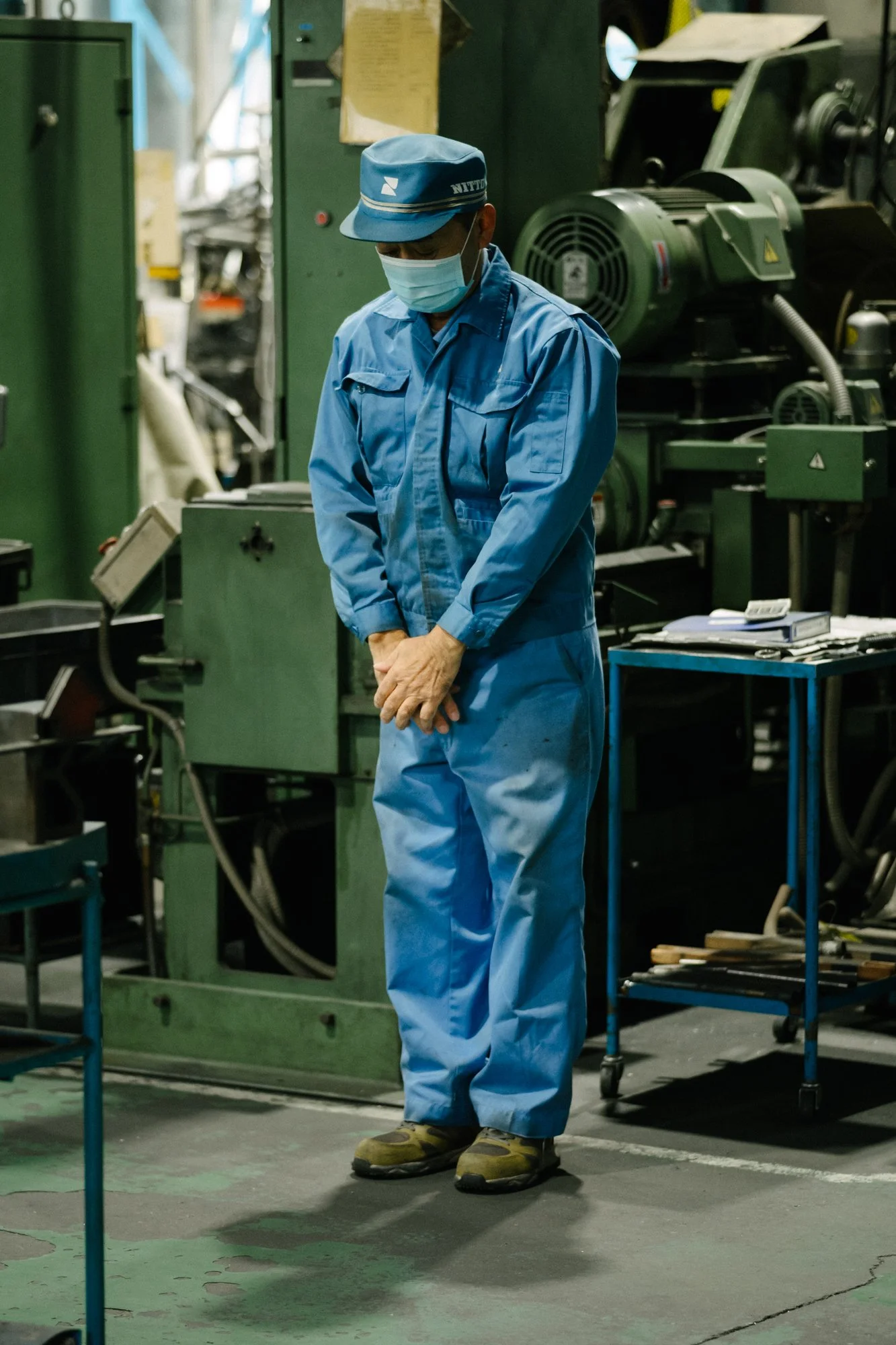

Is there something you know how to do today that you worry might disappear when experienced workers retire? How easy is it to pass that knowledge on?
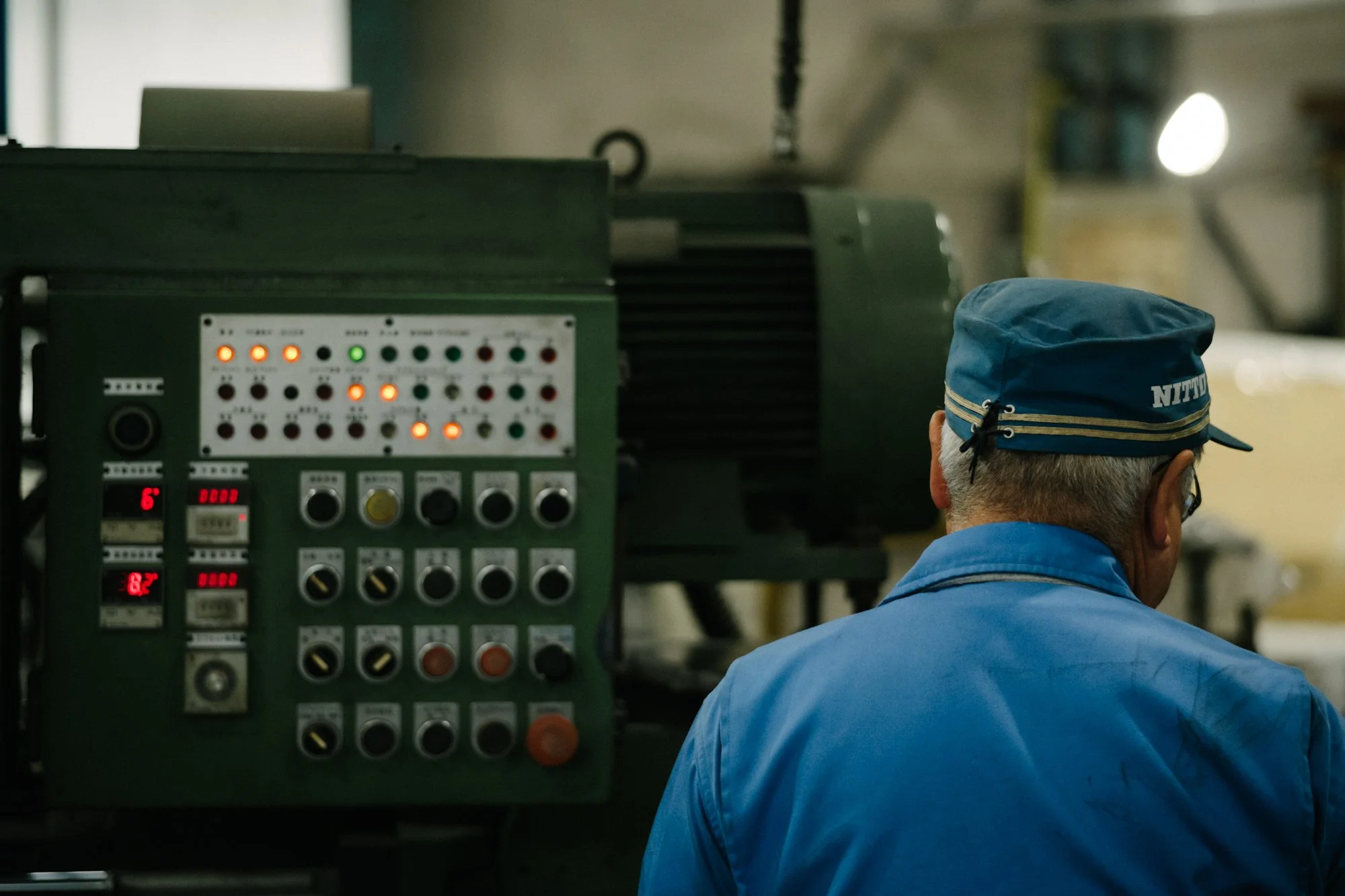
I’d say that passing down traditional skills and knowledge is becoming increasingly difficult, mainly because of two challenges. First, the craftsmen who possess this experience are already extremely busy keeping up with daily production, leaving very little time to properly teach someone else.
And as I just said previously, there simply aren't as many young people entering the industry as there used to be. With fewer newcomers joining our trade, the opportunities to pass all of this know-how on to the next generation are becoming more and more limited. It's a difficult situation, because these are techniques and expertises that have taken decades to develop, and ensuring they don't disappear is something we need to think seriously about.
When you see someone riding a bicycle with a product you've helped make, how does that make you feel? What would you hope that person understands about the work behind it?
My immediate feeling is pure gratitude. To stay simple, I just want to say:
"Thank you for using our parts."
What I hope riders understand is that even if a part looks simple, an individual artisan worked on it by hand, giving it its own unique character like I was mentioning at the start of this interview. More importantly, I want everyone to know that, yes, every component has passed internal safety tests far tougher than standard industry requirements. But also we put a lot of ourselves, effort, sweat, and time into these parts, so riders can put complete trust in Nitto parts when they are out on the road.
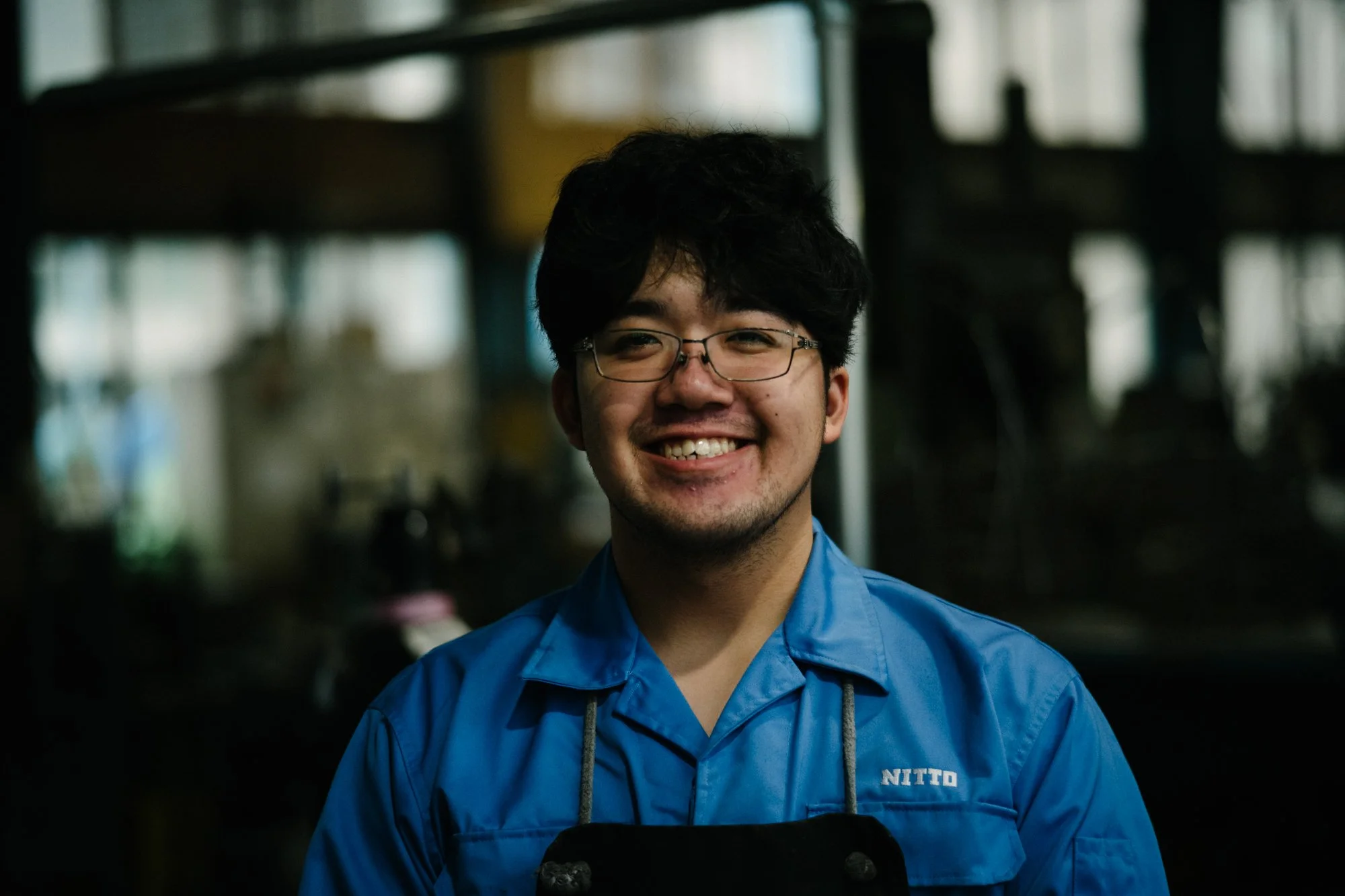
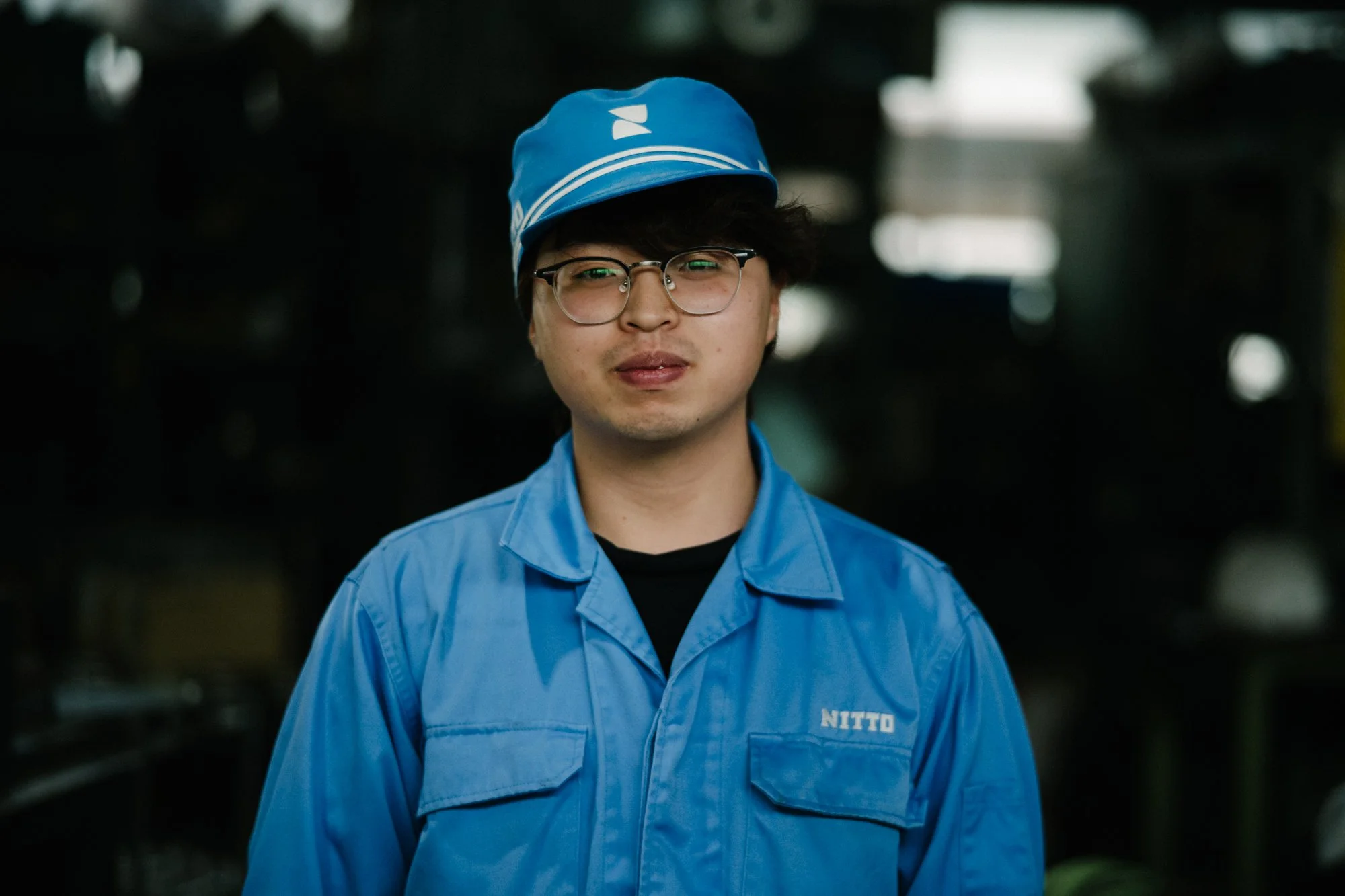
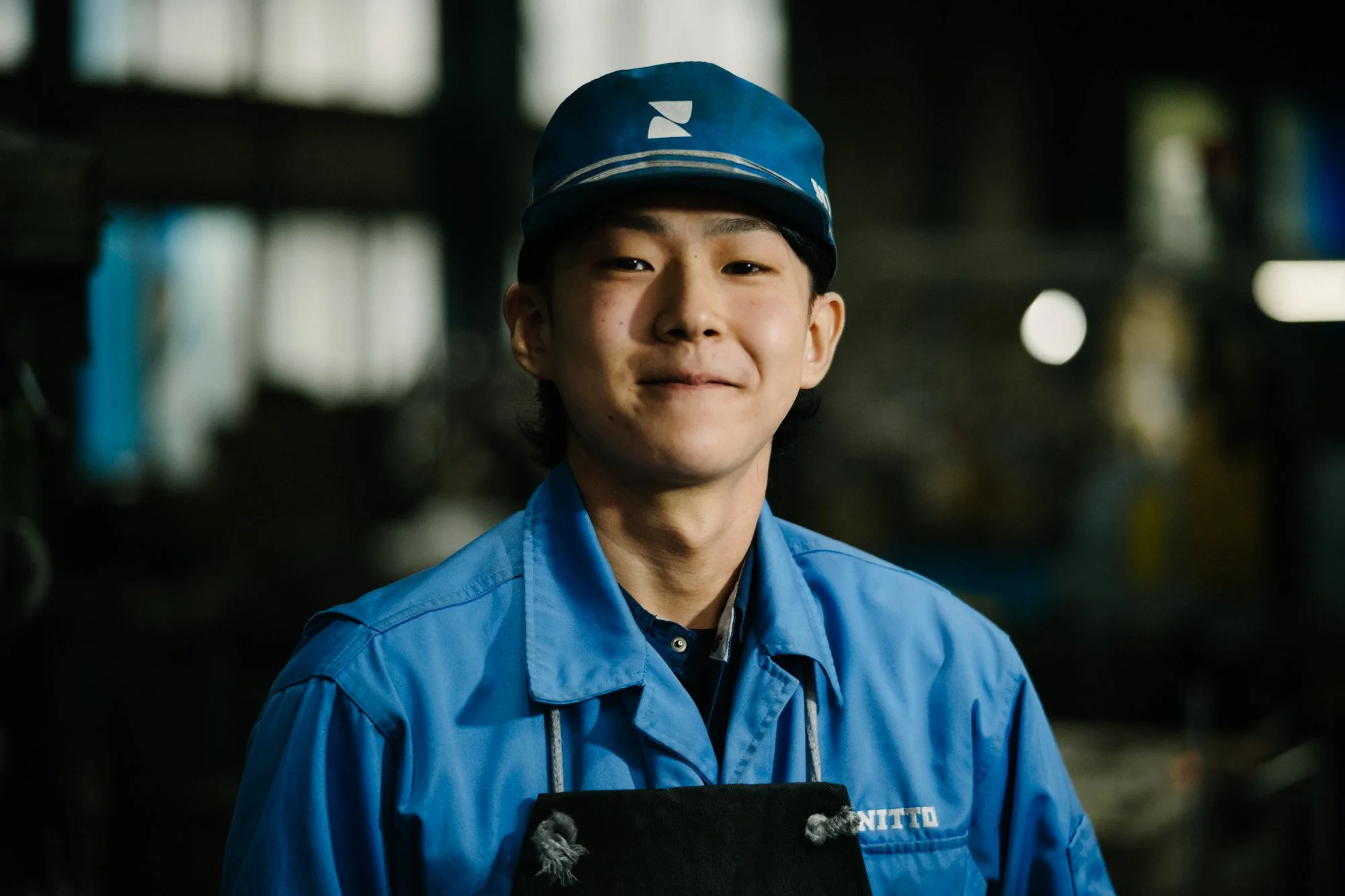
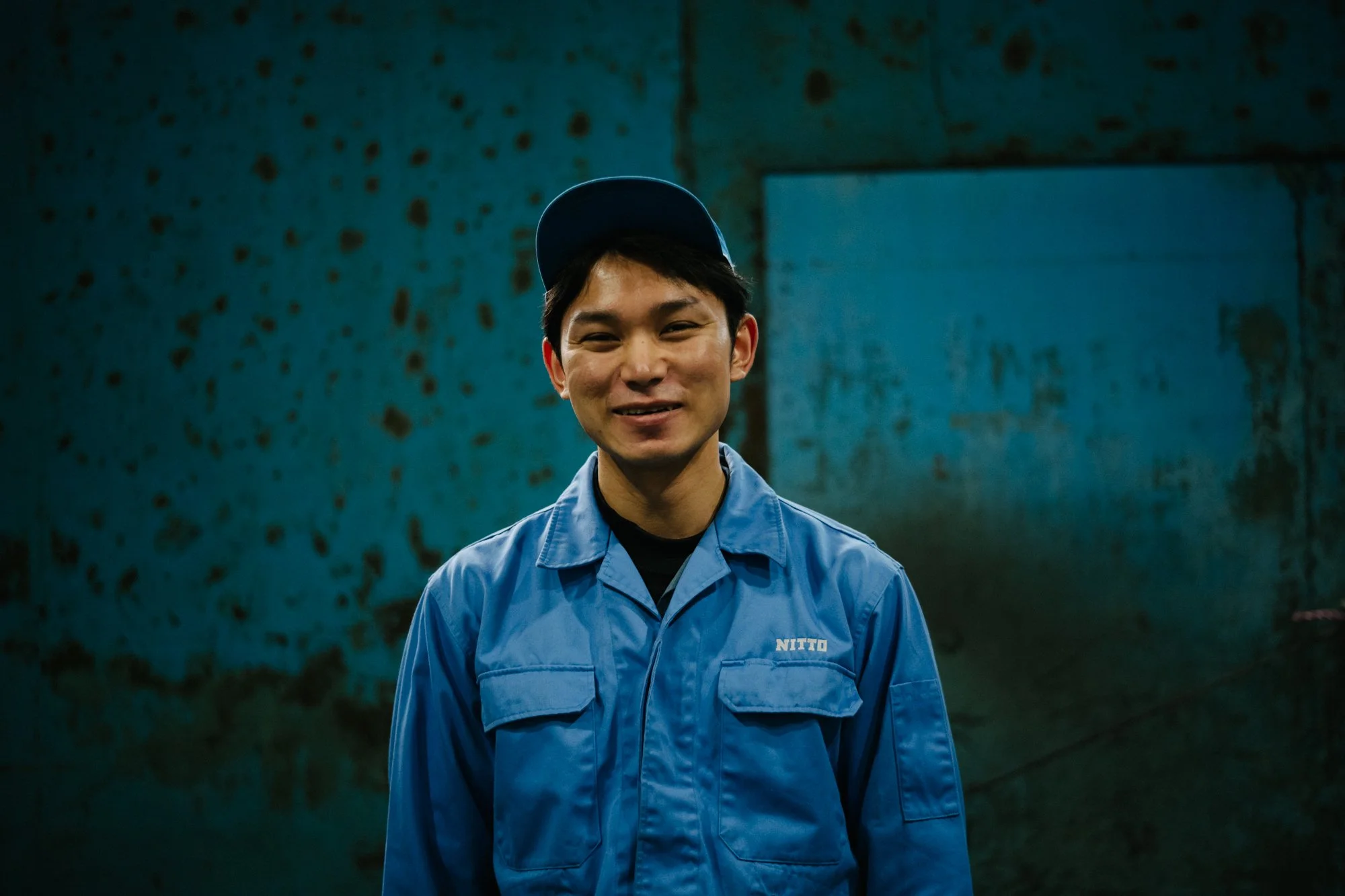
A little personal side note: while newcomers might be relatively rare at Nitto, I was genuinely happy to meet four more of its younger employees. (All in their twenties.) What struck me was that each of them seemed to share a genuine love for making the very parts we all know, love and respect. So, a big thank you to Hashimoto, Watanabe, Kamino, Kawagoe, and of course to Jaming, for being part of the generation carrying this manufacturing knowledge forward.
Over 100 years of Nitto!
💾: Leica SL
📍: Nihonmatsu - Fukushima
This Japan manufacturing tour was kindly sponsored by SimWorks.