I Love Japan’s Cargo Bikes, But I Still Want an Omnium…
By Go
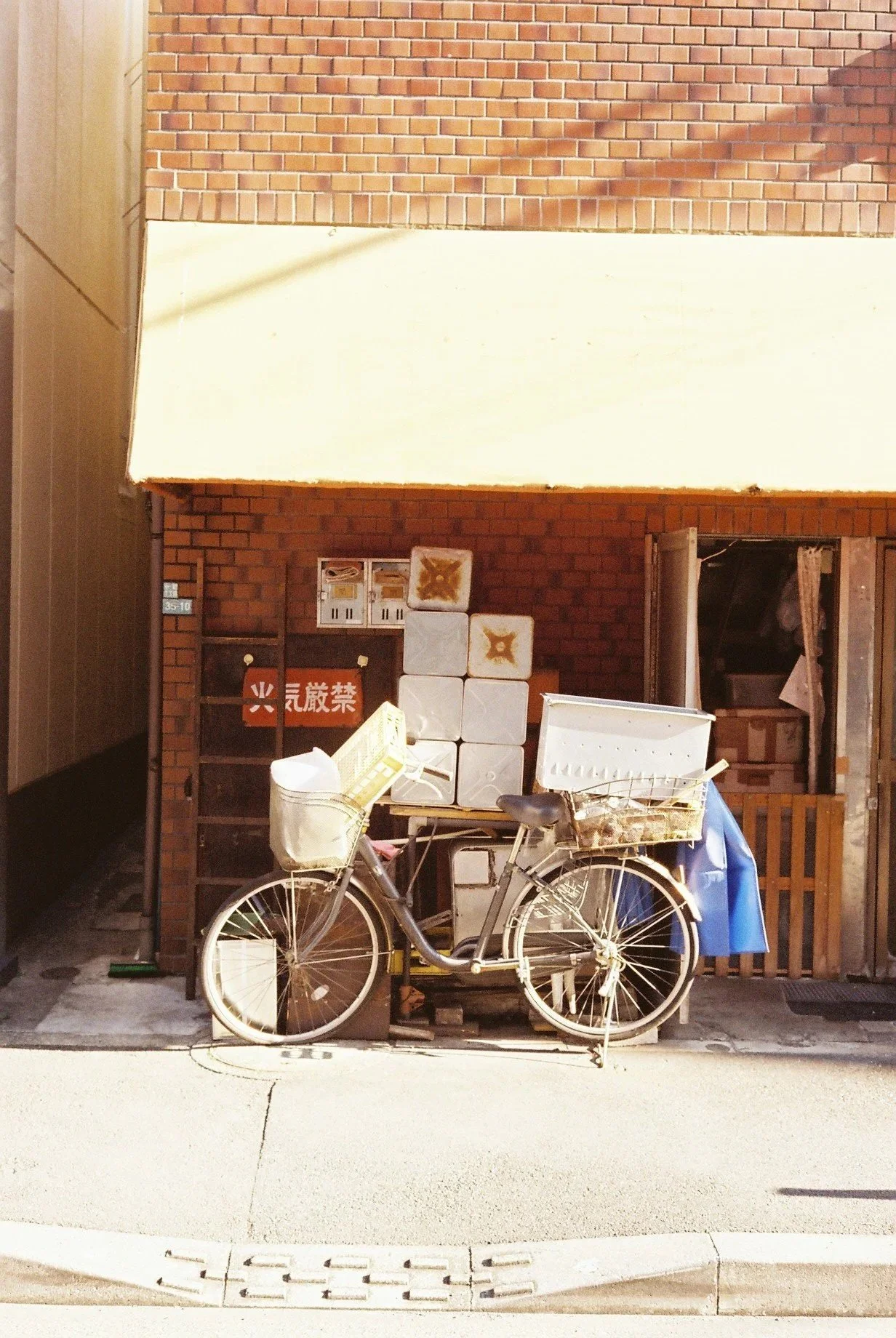
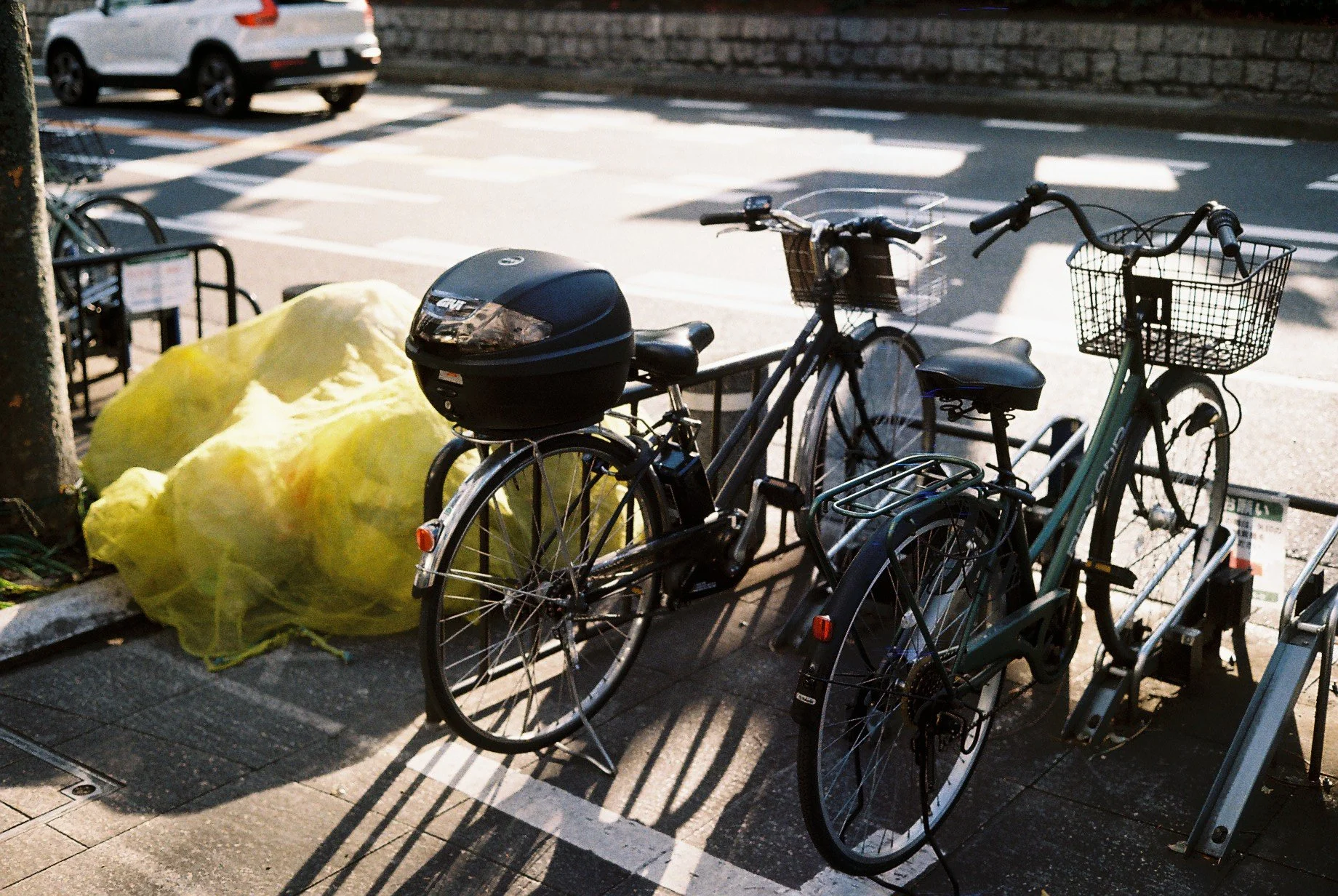
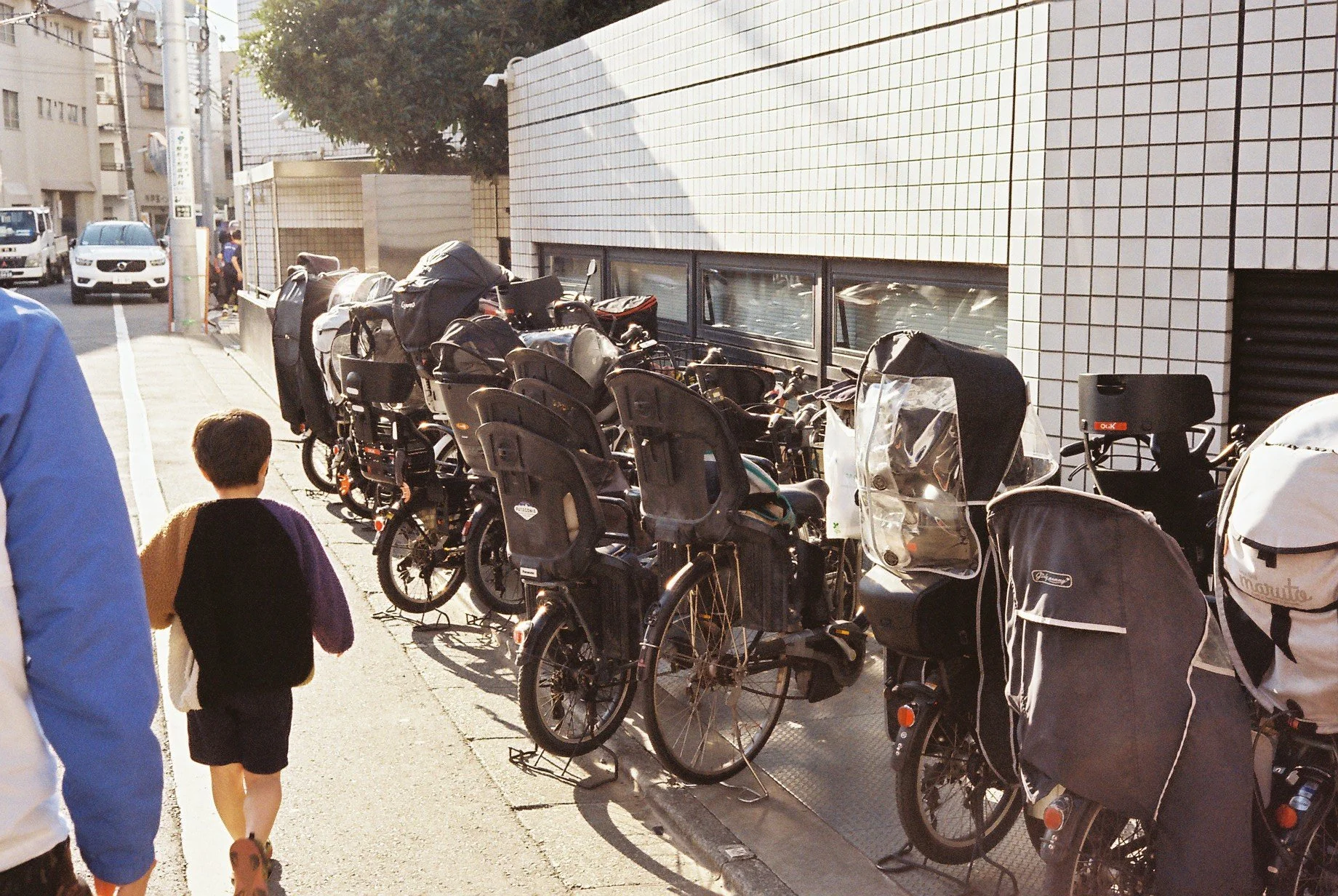
Japan’s original cargo bike has been here all along, we just call it the mamachari. Everyone rides them: young and old, men and women, commuters, students, parents, and everyone in between. A brand-new one costs around ¥30,000, often less than the crankset you were thinking about buying. A lot of us even got one from our parents when we started junior high or high school. I did too.
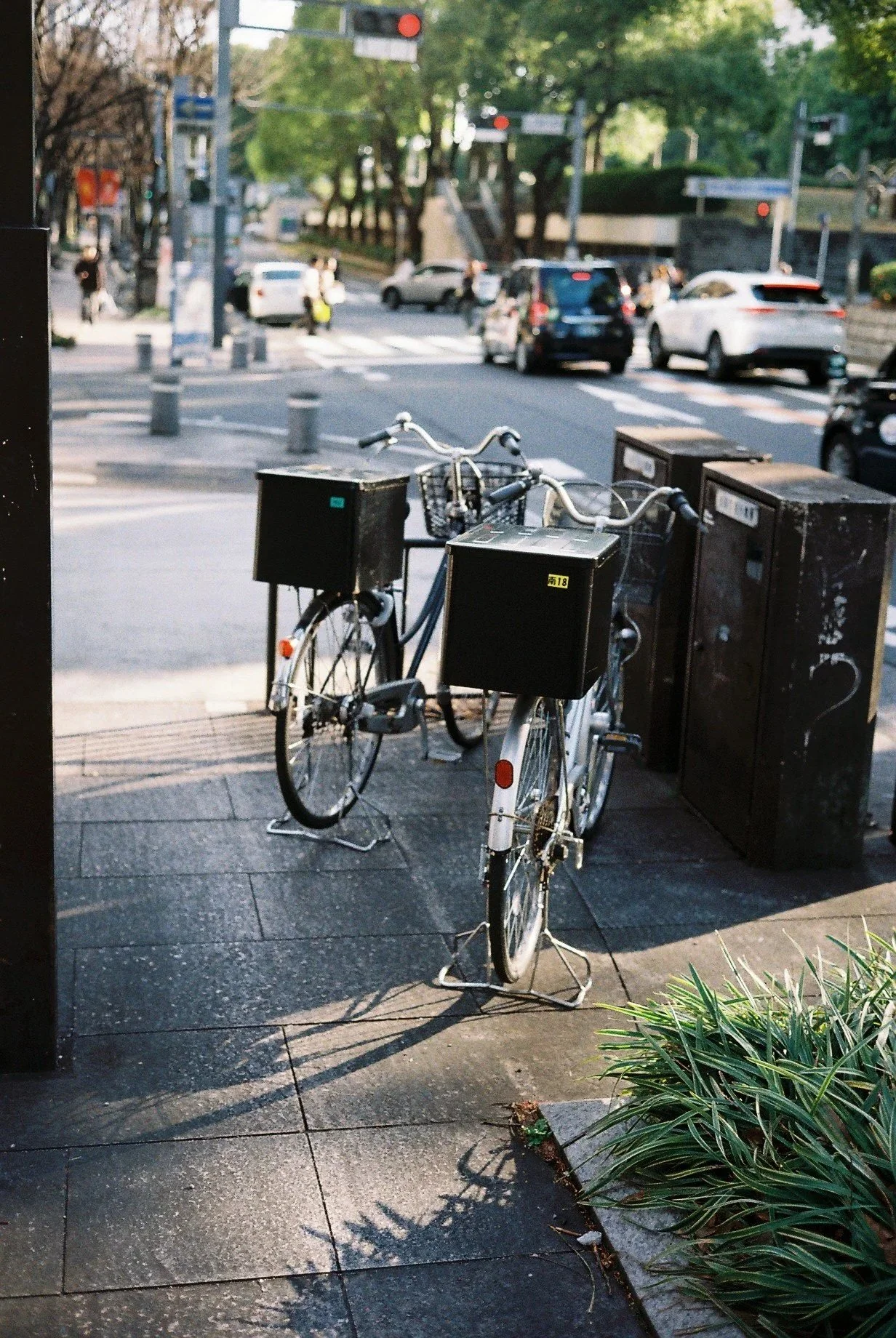
With 24 to 28-inch wheels, a low center of gravity, upright handlebars, a front basket ready for grocery runs, dynamo lights you never have to think about, full fenders for rainy days, a comfort-first saddle, skirt guards, a rear rack made for carrying a passenger, and a sturdy center stand that doesn’t stress the frame, it’s hard to argue there’s a more complete bike.
For the price of many modern cargo bikes, you could probably buy a new mamachari every two years for over a decade. Pretty good deal, no?
That, to me, is the real spirit of cargo biking. Cargo bikes aren’t just products. They start in your imagination. These days, everything can be bought. Spend money, satisfy the desire, upload it to Instagram, collect a little approval. But where did the DIY spirit of cycling go? Before buying something new, look at the bike already in front of you and start imagining how it could become a cargo bike.
And Yet… I Still Want One.
Luckily, my local bike shop, Circles, let me try a bunch of cargo bikes. I used to think they were heavy, awkward, and unstable…. They weren’t! They just felt like normal bikes!
That may sound simple, but that’s the whole point: they ride naturally, like any good bike should. If you ever get the chance, try any front-loader cargo, you’ll see that after a few pedal strokes, you suddenly need one. And if you’re a nerd, the steering linkage and mechanical setup are fascinating on their own.
And then there’s Omnium. That thing is ridiculous, surprisingly light, and with a geometry clearly shaped by real-world use. You immediately understand why messengers love them. But of course, everyone thinks the same thing when it comes to storage: where am I going to put it?
Whether you already own too many bikes or live in a tiny city apartment, space is usually the real problem. That’s where compact cargo bikes like the Omnium Nano come into play. I tried one not long after it arrived in Japan, and honestly, it’s hard to find a reason not to want one.
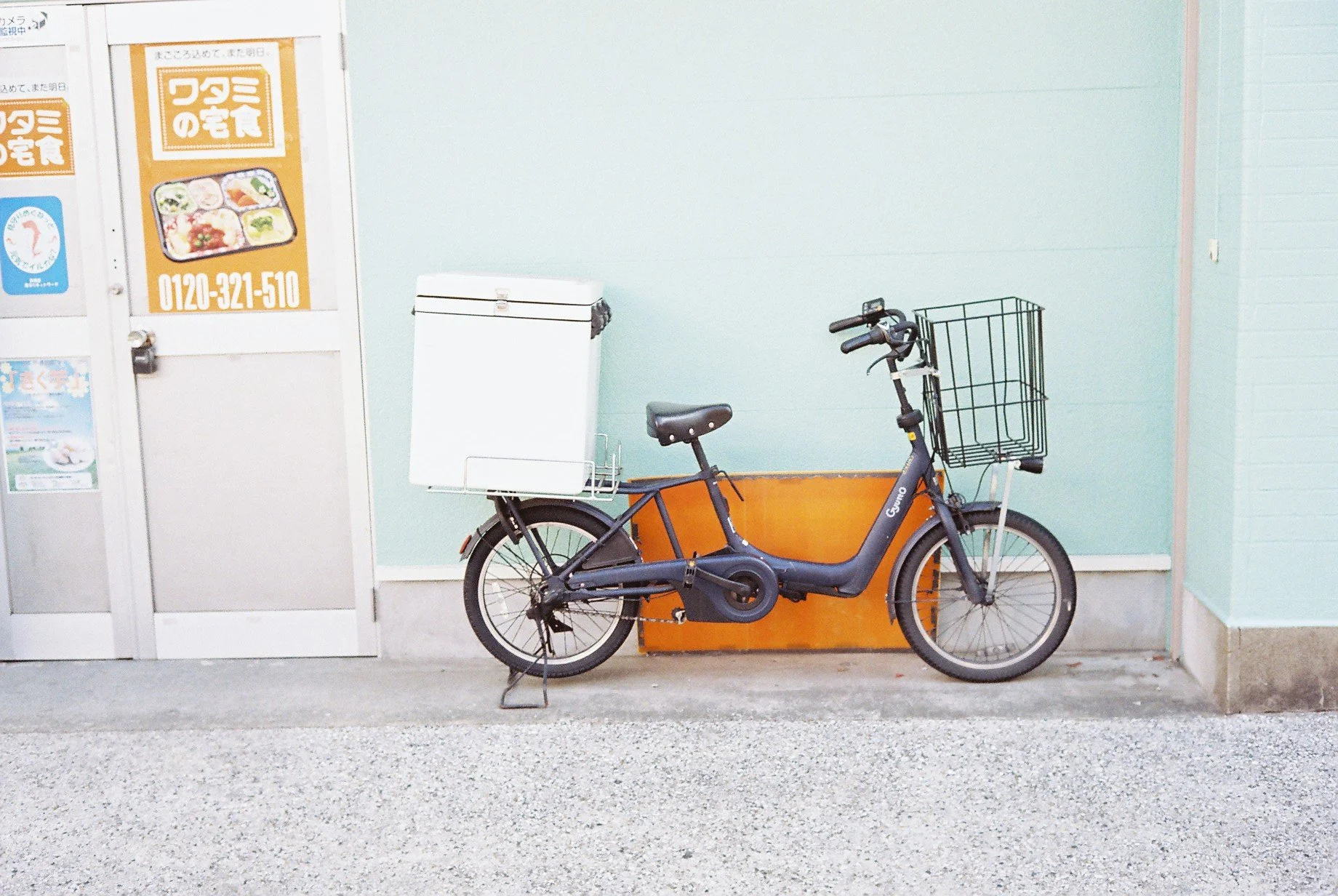
Think 20-inch wheels are too small? Come on! Half the bike world is on small wheels now anyway. Paul already explained it in his article about the Nano, but if you need one bike the whole family can use? Look at what the Nano did One-size geometry, quick saddle adjustment, racks ready for kids or groceries. And just like that, another bike enters your life.
I think that’s why cycling is impossible to quit.