
Inside Korea’s Brakeless Crackdown
July 12th, 2025. A teenager is riding downhill on his fixed-gear bike. As he gains speed, he can't stop himself, and not being able to slow down enough, he slams into an AC condenser. While in intense treatment at the hospital, he unfortunately doesn't make it.
This incident was the spark that caused Korean society to take notice of the increase of teenagers riding brakeless fixed-gear bikes in the streets all over the country. With news channels, TV shows, YouTubers all discussing the dangers of these dangerous bikes, the government had to do something, so here's a quick summary of the police press release following the July incident:
Up until then, the police couldn’t really crack down on brakeless bikes. The law was too vague, and it wasn’t clearly defined whether they posed a direct threat to pedestrians. However, due to increasing danger posed to not only riders themselves but also pedestrians and even disruptions to traffic, it was assessed that a rule change was needed. Therefore, a new rule was implemented where it states what is required to legally be a bike, as well as punishments against bikes that do not meet that criteria.
"A bike must consist of a proper man-powered drivetrain, steering, and braking system with two or more wheels."
According to this, brakeless fixed-gear bikes are now outlawed, as the government does not see skid-stopping as a sufficient method of braking and is now able to charge a fine of 30,000KRW (20 USD) against first-time offenders and up to 200,000KRW (135 USD) for repeat offenses. If the rider is underage, their legal guardian is notified the first time, and repeated violations can escalate into child neglect charges.
Starting in September 2025, police presence became much more visible. Officers began monitoring major cycling hotspots around Seoul and patrolling key districts, actively looking out for brakeless riders.
So what's changed?
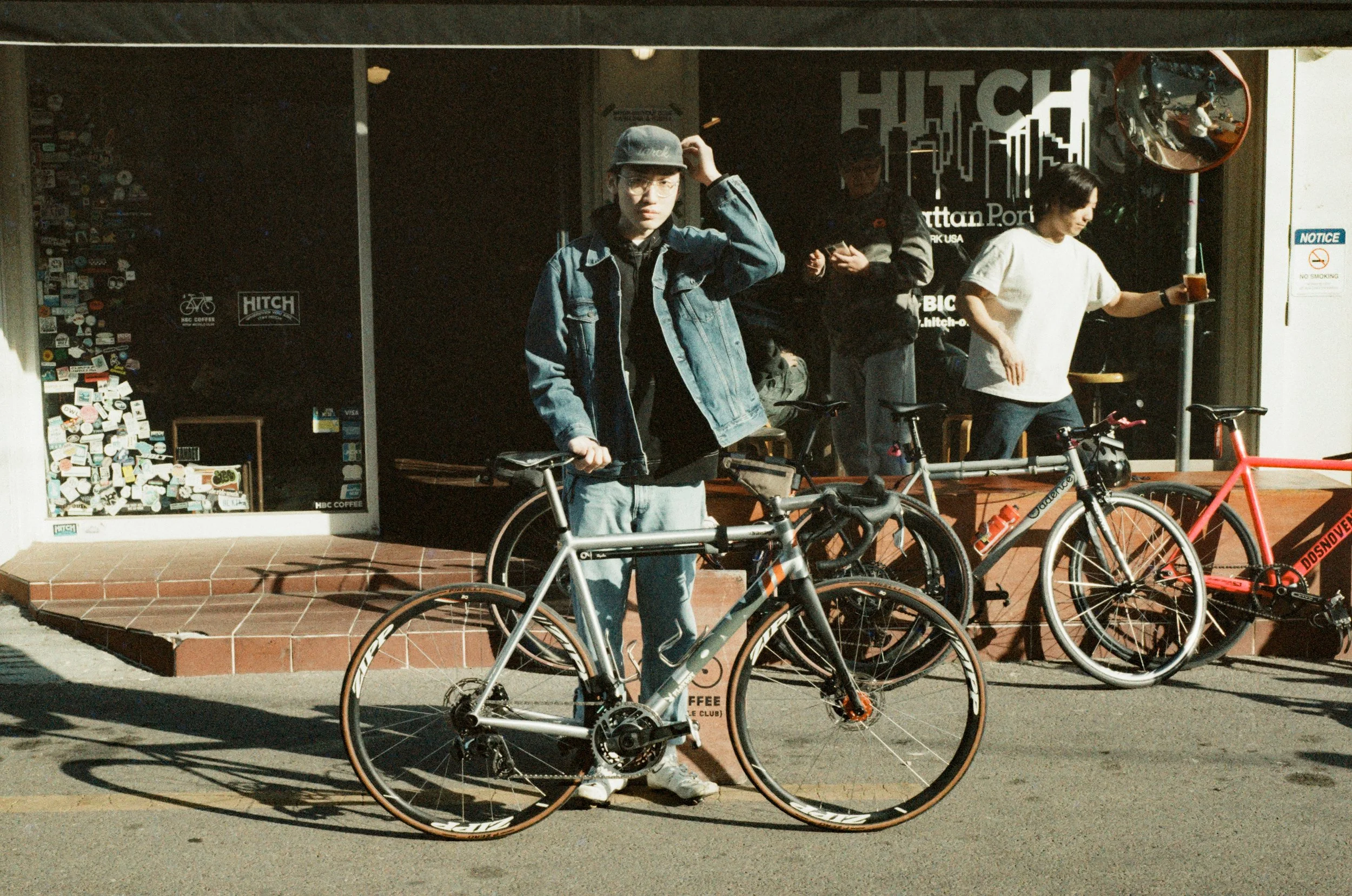
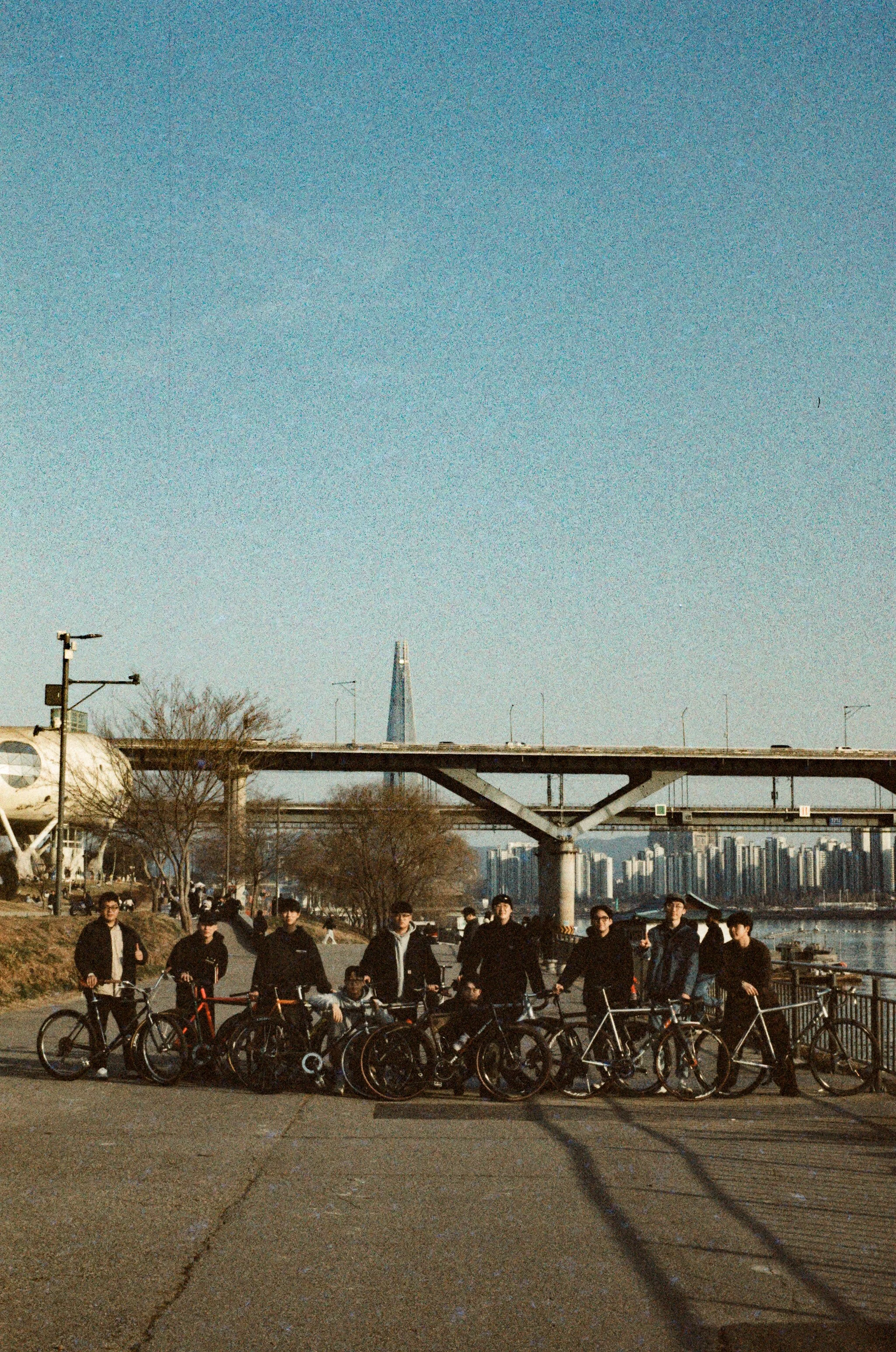
Even though brakeless fixed-gear bikes haven’t disappeared entirely, the shift is noticeable. More riders are adding brakes, and others are moving away from fixed gear altogether. These bikes are easy to identify (mostly due to the lack of a rear derailleur), and that alone has made some riders reconsider. And I felt that change myself when I organized a group ride in late February. The shift was prominent.
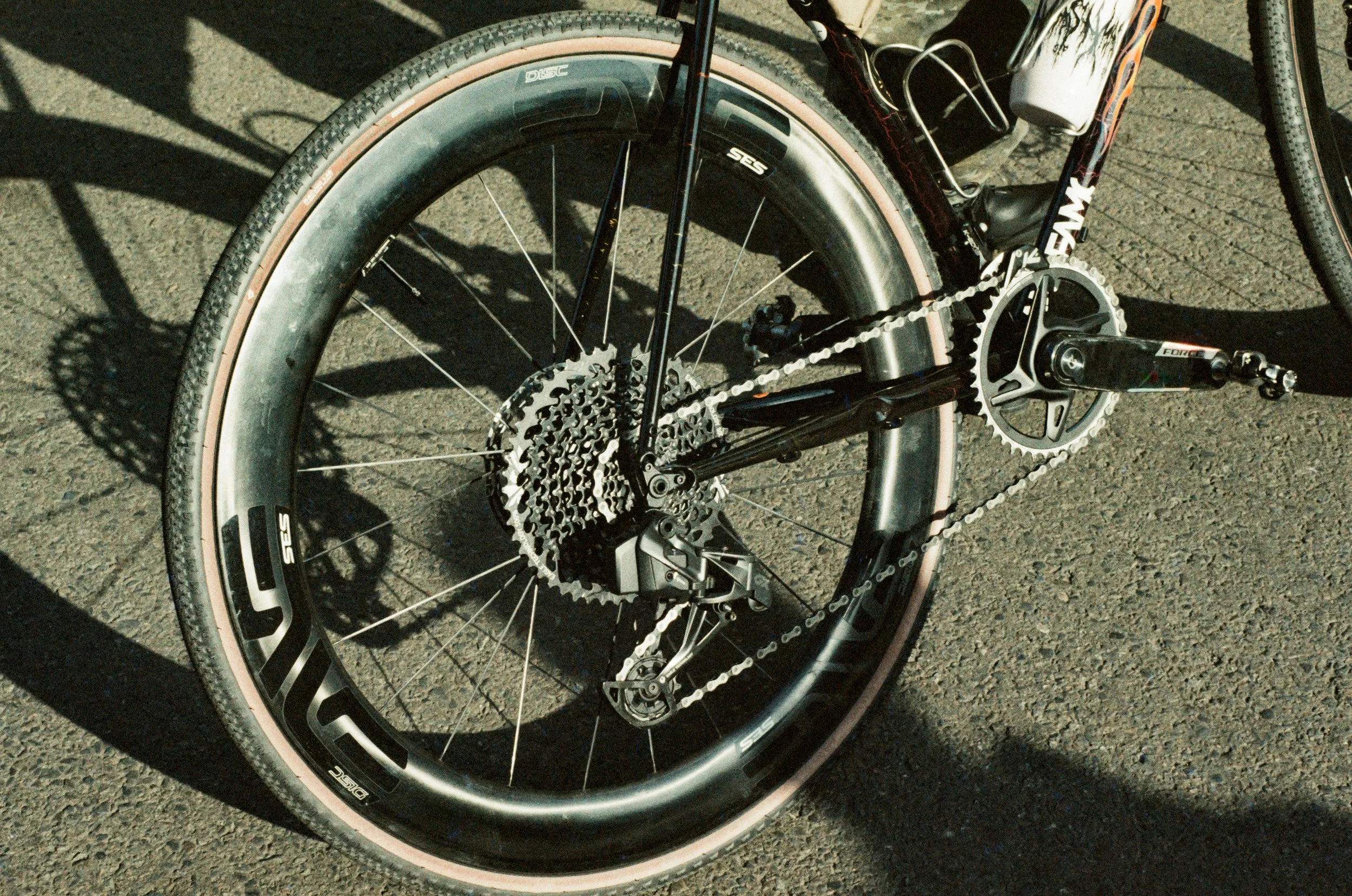
Out of our fixed-gear group, the majority that showed up were now on road bikes or gravel bikes, and only a handful were riding fixed-gear.
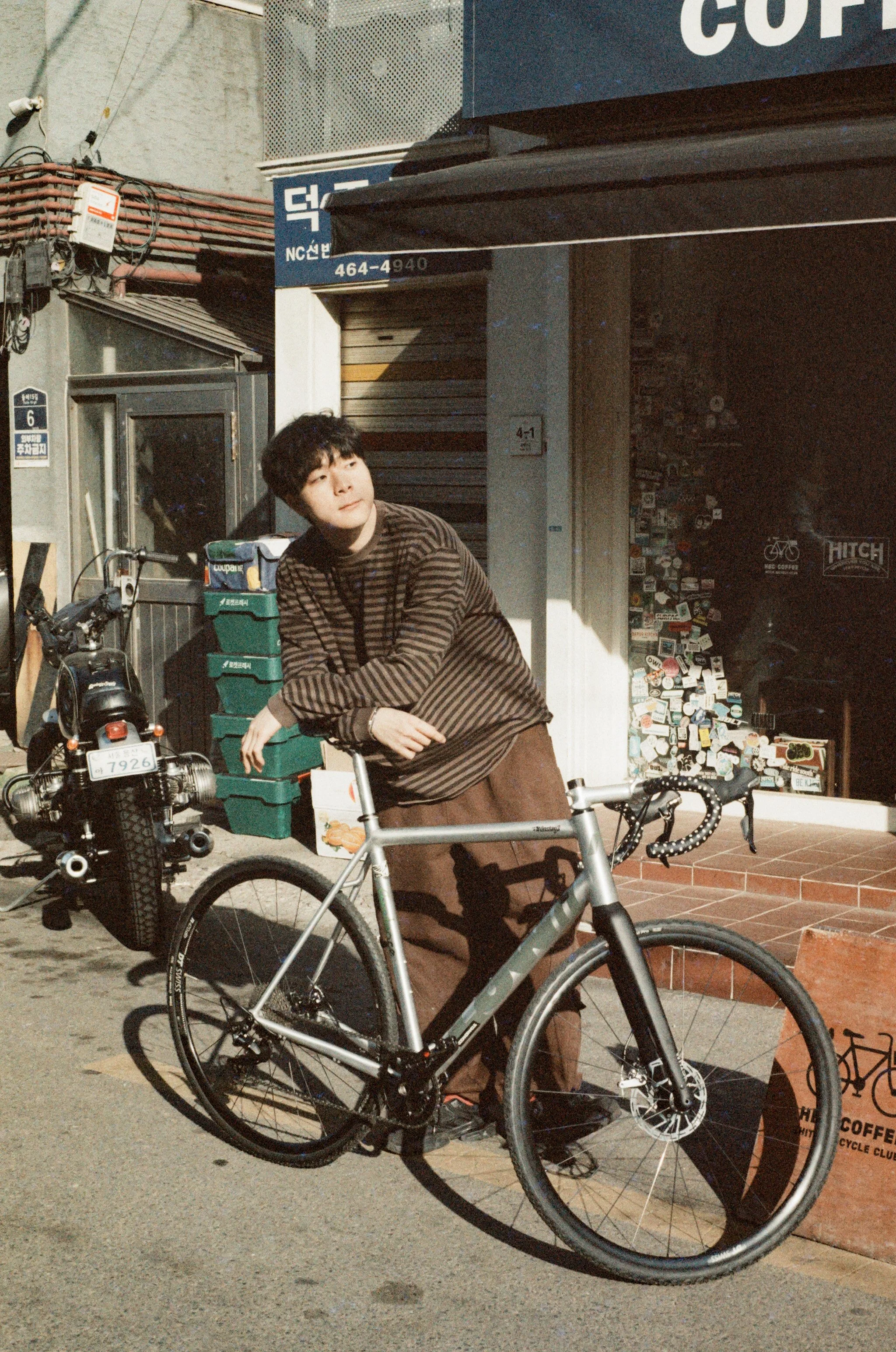
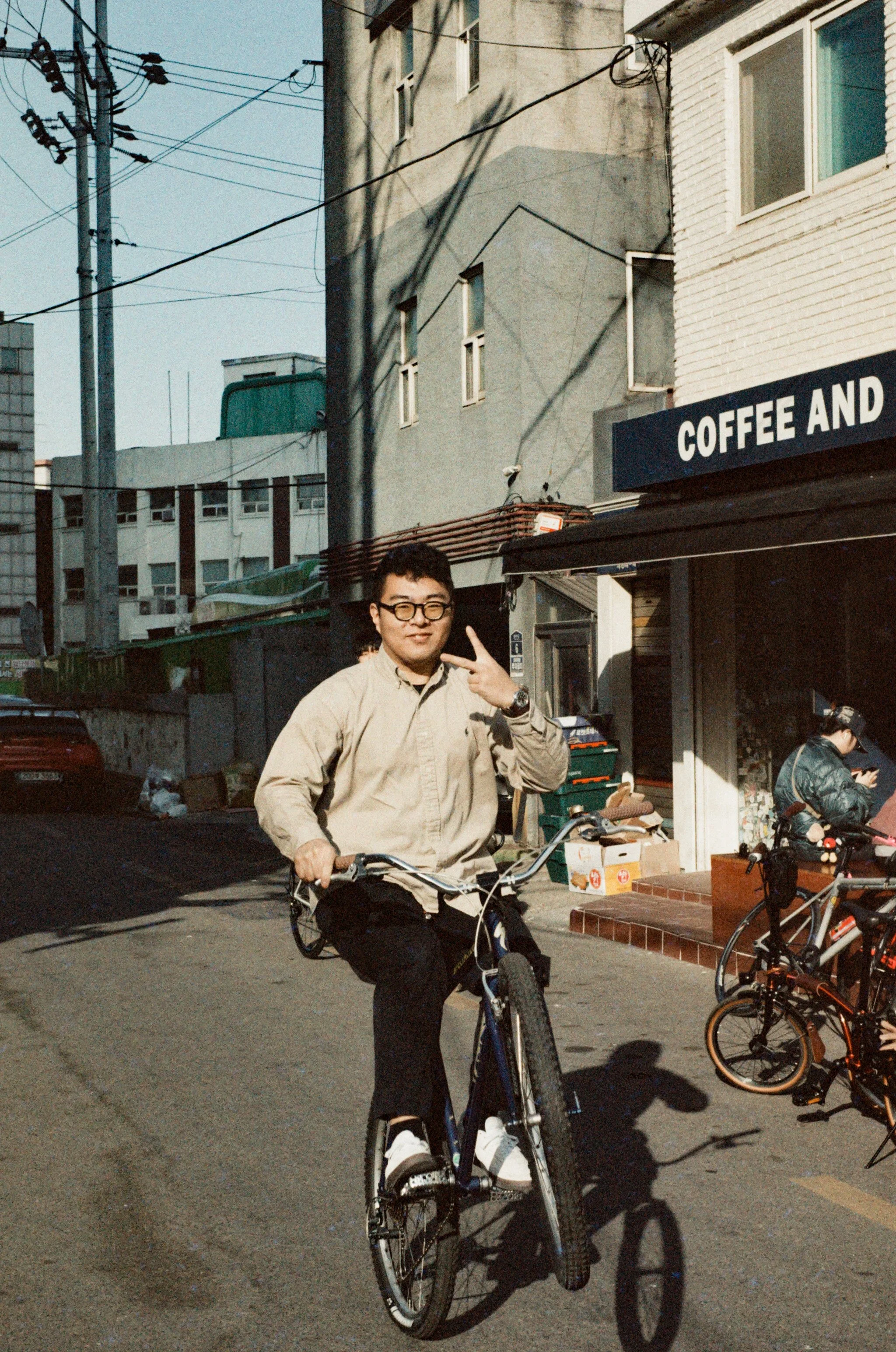
Despite the change in the niche cycling culture, the nature of us bike nerds still remains. All of the guys are riding something unique, with customized parts, keeping the soul alive. I have been noticing this shift towards bikes other than fixed-gear even prior to this crackdown, as seen with David’s collection. But we can expect a larger overall shift towards other geared bikes if the situation persists.
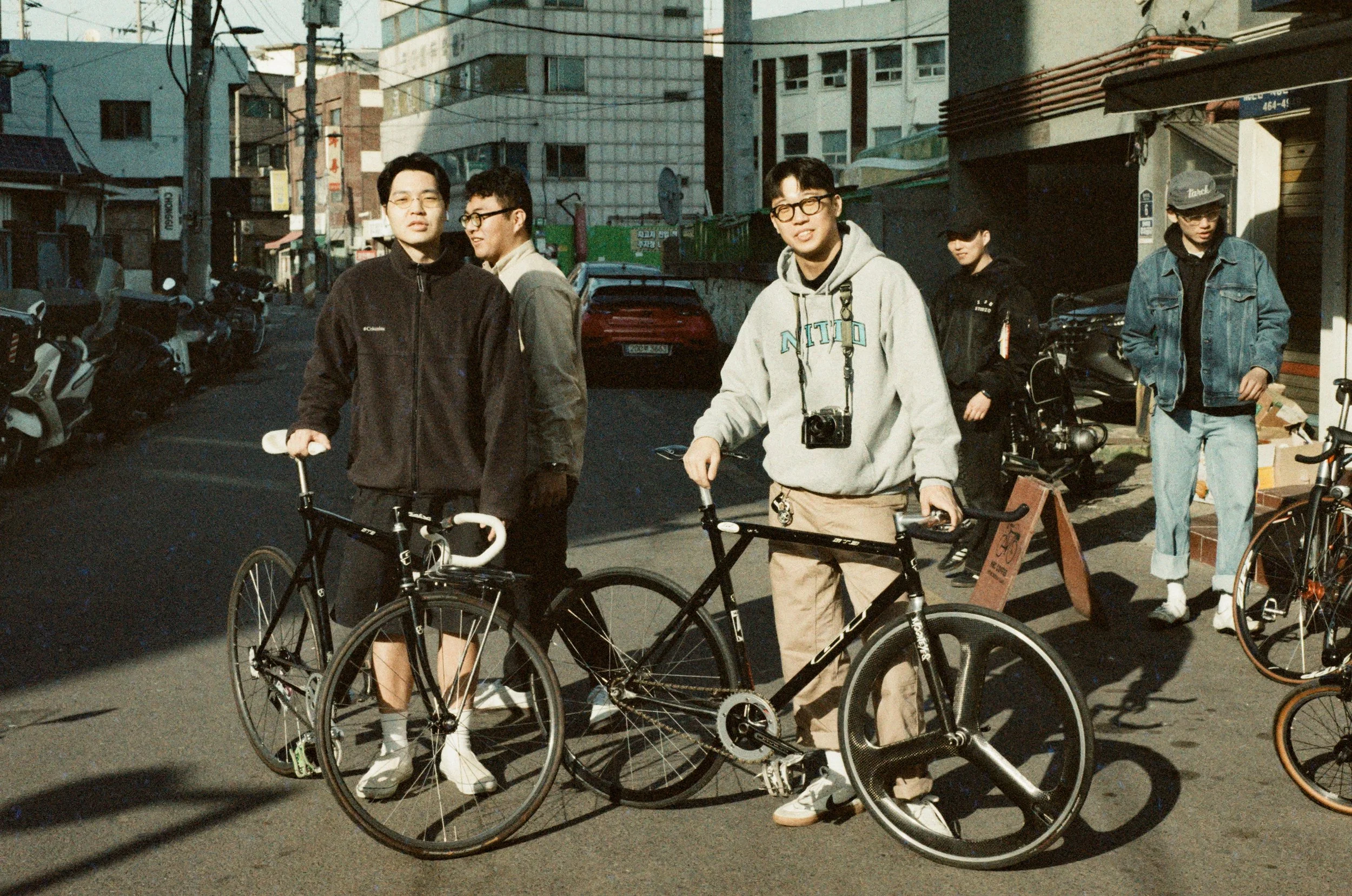
I don’t think fixed gear culture in Korea will disappear entirely. There have already been efforts from shops and influencers to promote safer riding, encouraging people to add brakes. Some even organized events to install them for free.
When I went out for a ride this past weekend on my Allez, I counted at least a couple dozen fixed-gear riders, the majority of them with brakes. Since the beginning of this crackdown, the number of fixed-gear riders with brakes has increased by a surprising amount.
Passing by one of the hotspots, I saw some policemen in fluorescent vests, actively patrolling the area. I also did notice that I haven't seen a crash recently on the Han River bike trails involving a fixed-gear bike, which definitely was a recurring problem. Perhaps the change does have a net positive effect in Seoul? That is something we’ll find out in the coming years…
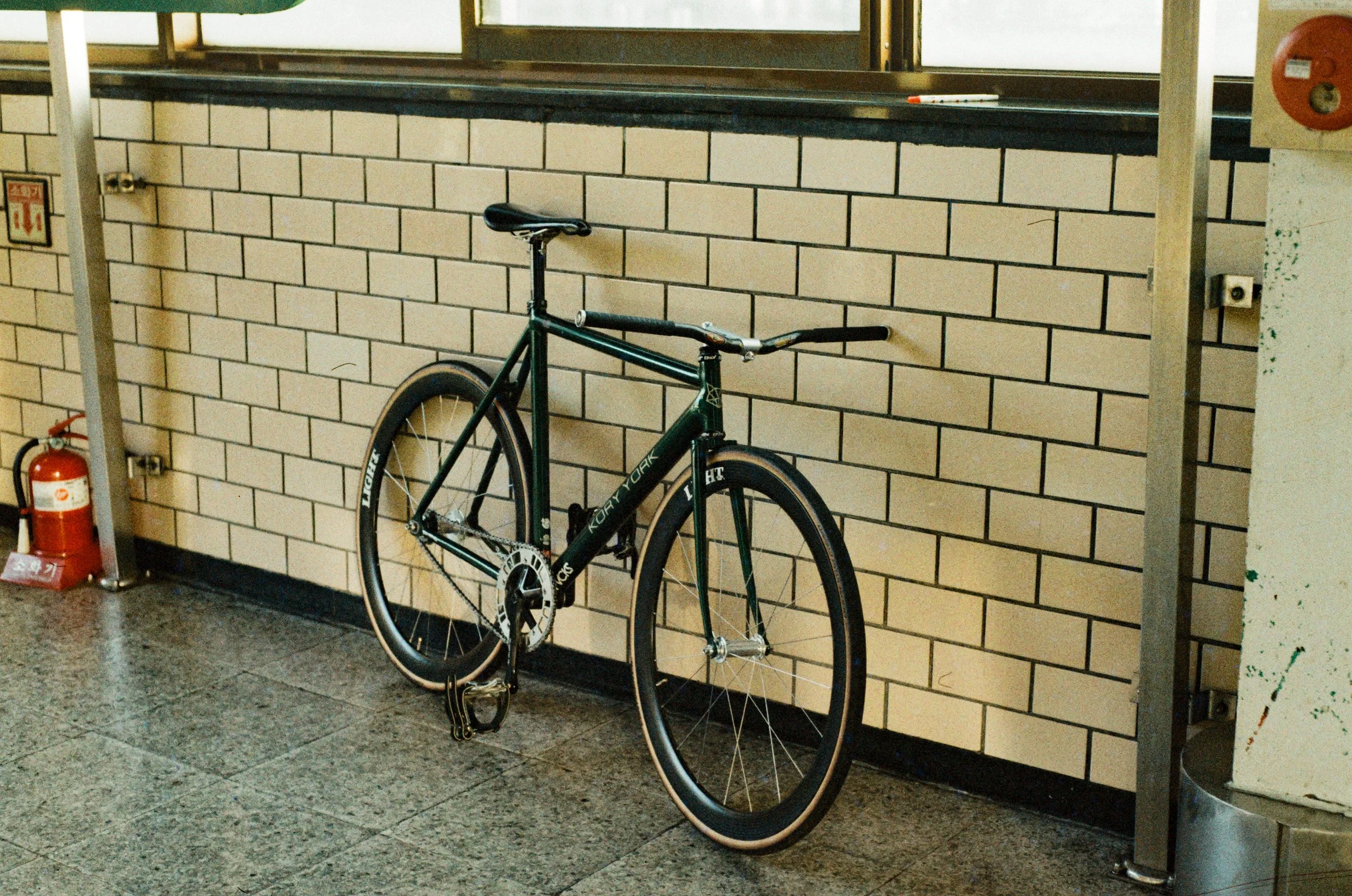
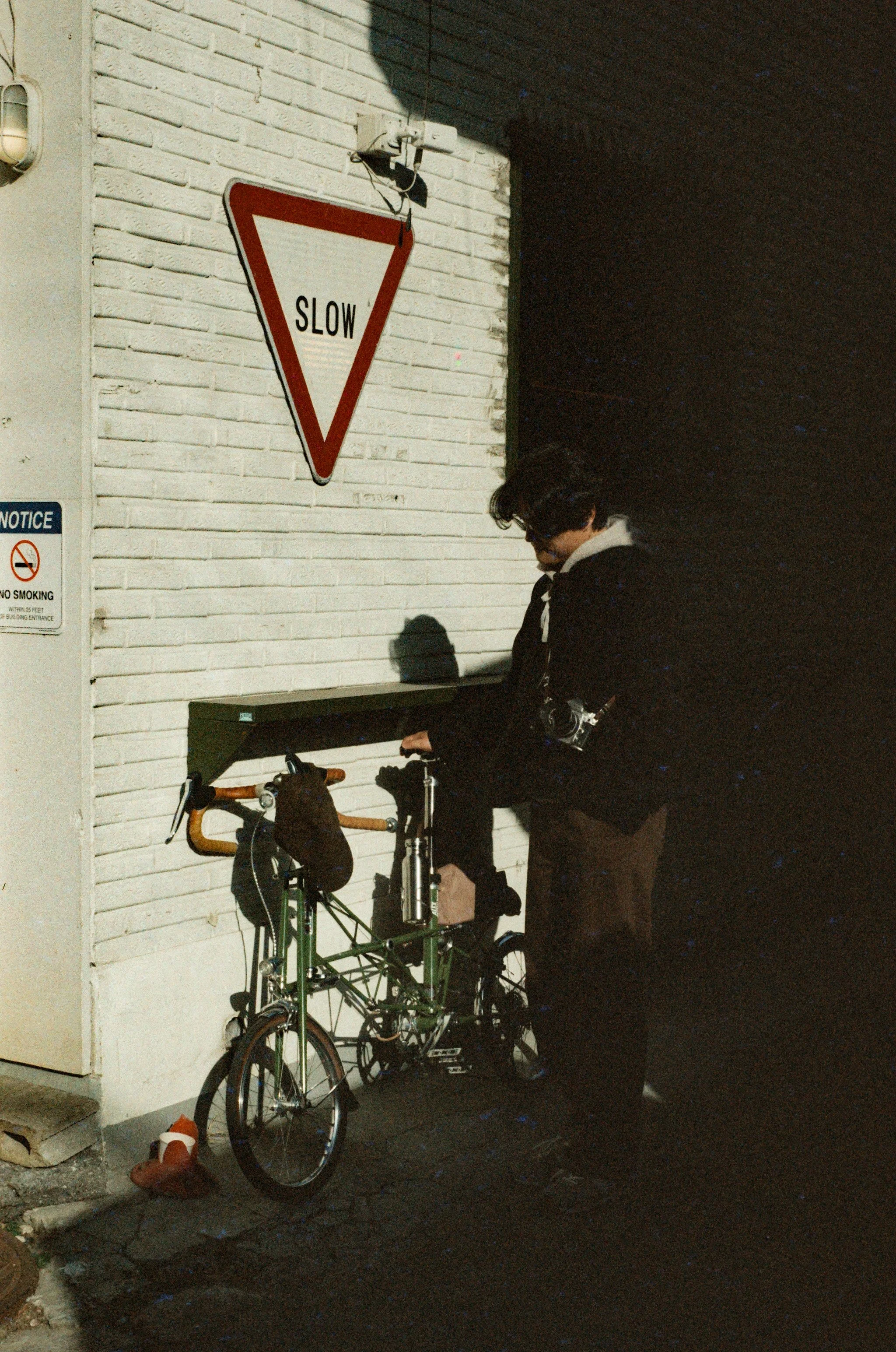
Since the crackdown, I personally got two other bikes recently, one being a Specialized Allez Sprint for longer rides and a single-speed minivelo for quick grocery runs. Not wanting to take my chances with the police, these two bikes make a lot of sense for me since my Kory York doesn’t have any holes drilled to mount brakes. I have added some tasteful parts to these two bikes and am planning on doing some more mods. While I miss riding my Kory, these suffice for now until I go back to California.
While fixed-gear culture was bigger in Korea back in the early to mid-2010s, riders kept some decency and manners and rode bikes for bikes themselves. Nowadays, the "flexing" culture has taken over excessively: deep-dish wheels, carbon parts, Olympic-level frames out in the street etc. People don't ride bikes to enjoy themselves but just to show off. At some of the main spots, you’ll see teenagers openly pushing back against law enforcement, not really caring about the consequences.
So why don't we all go back to being a more inclusive community where we focus on simply riding? Sharing our unique characters through the way we build our bikes, but in a safe manner?
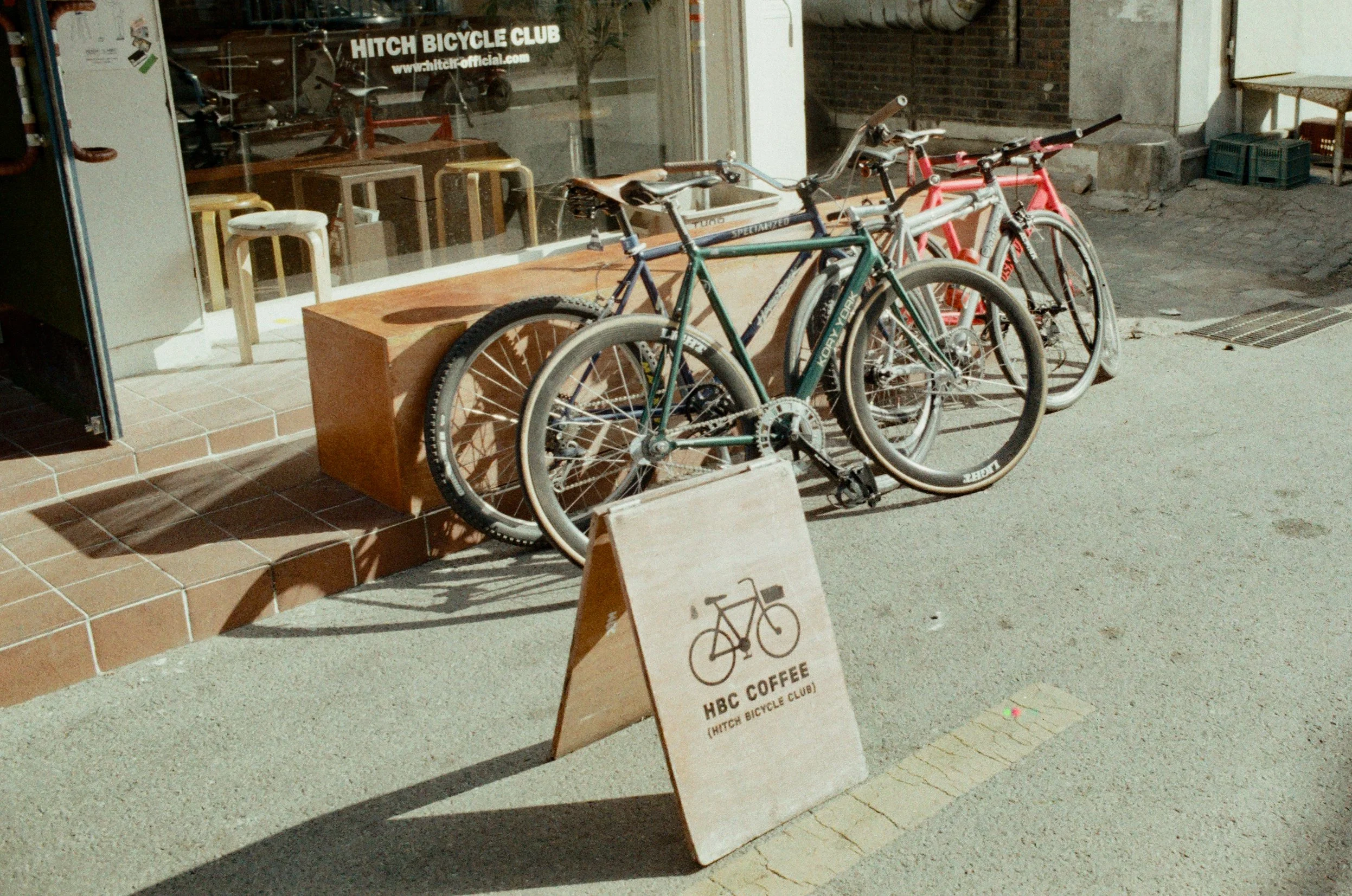
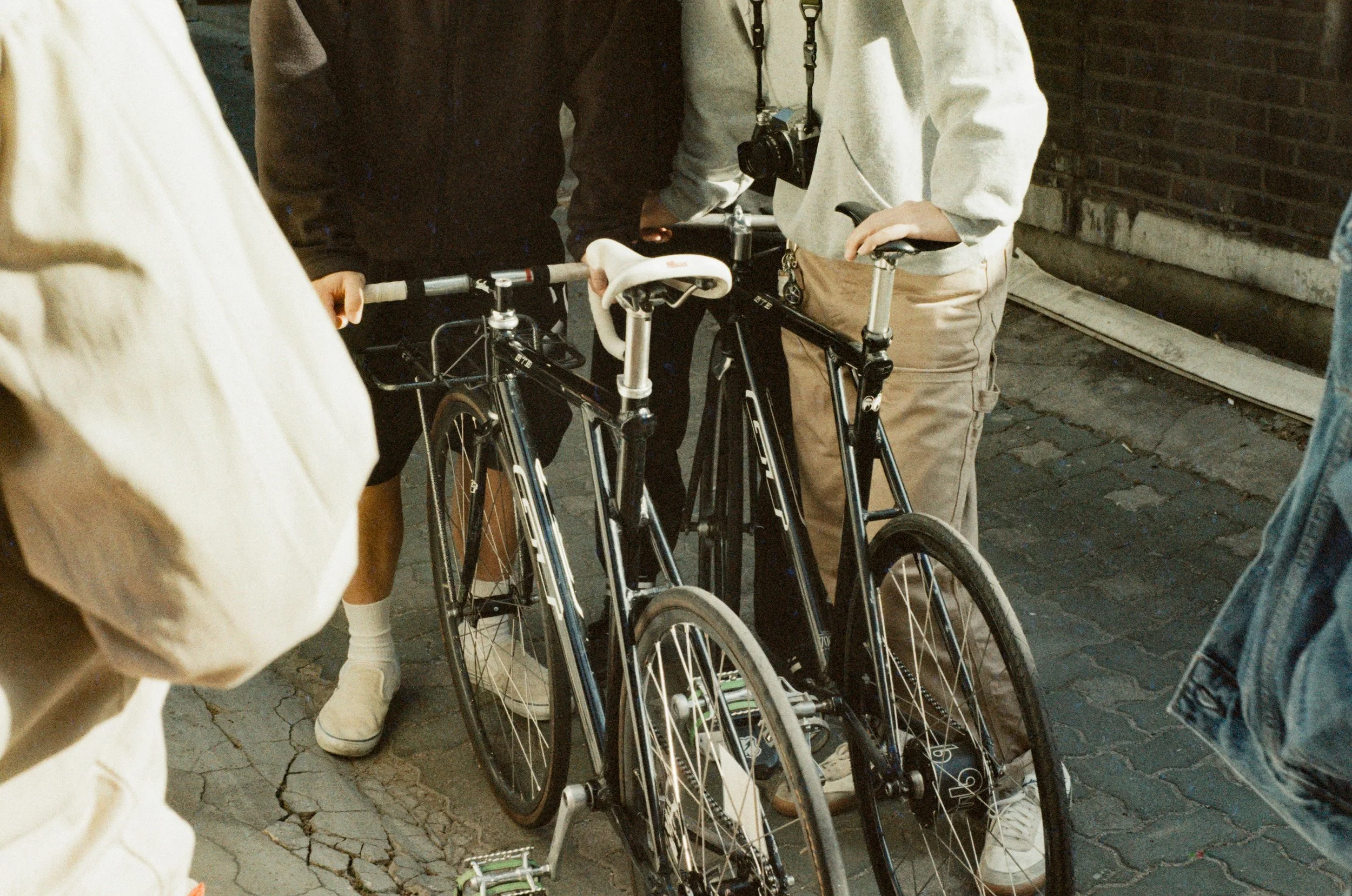
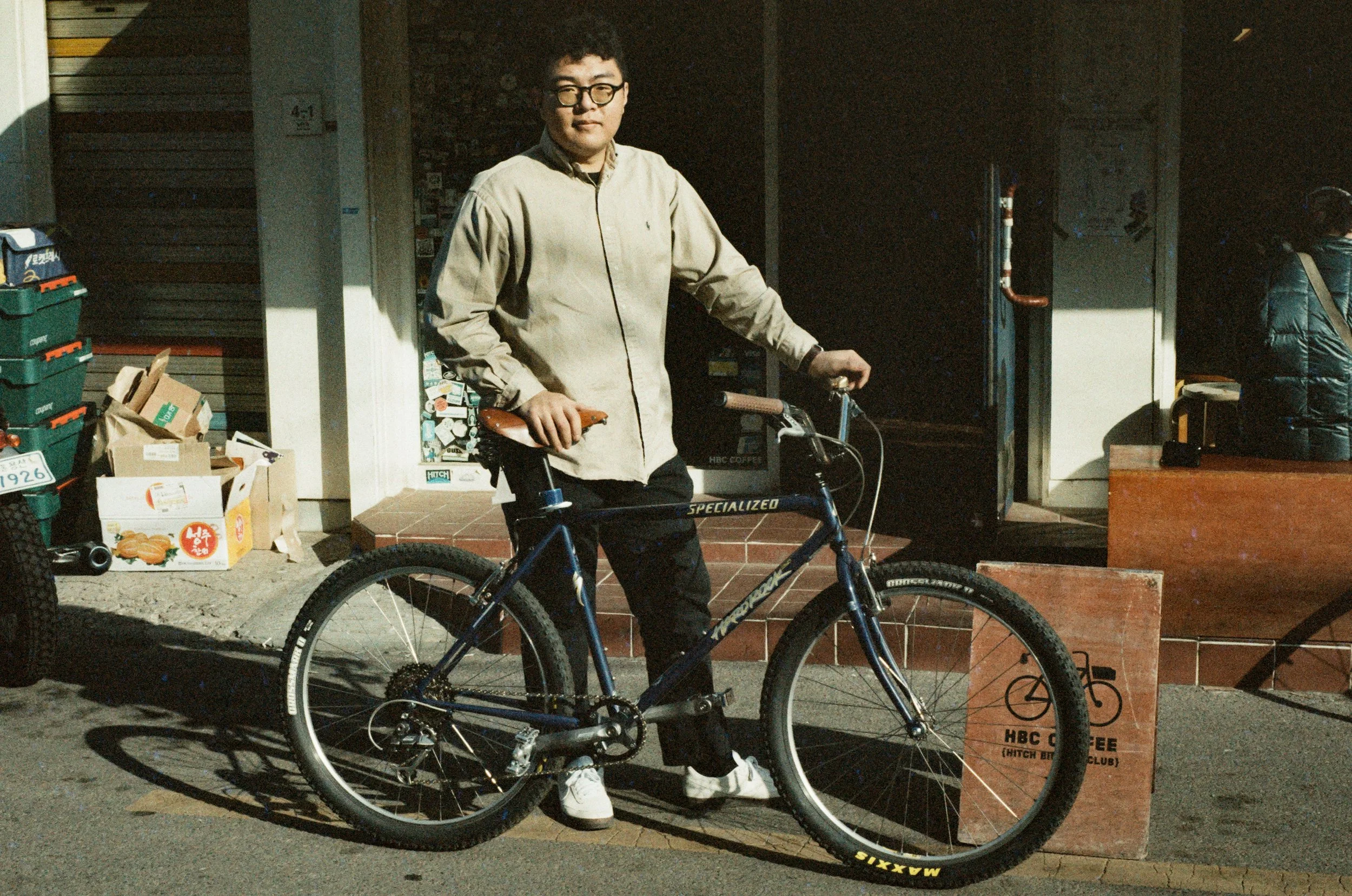
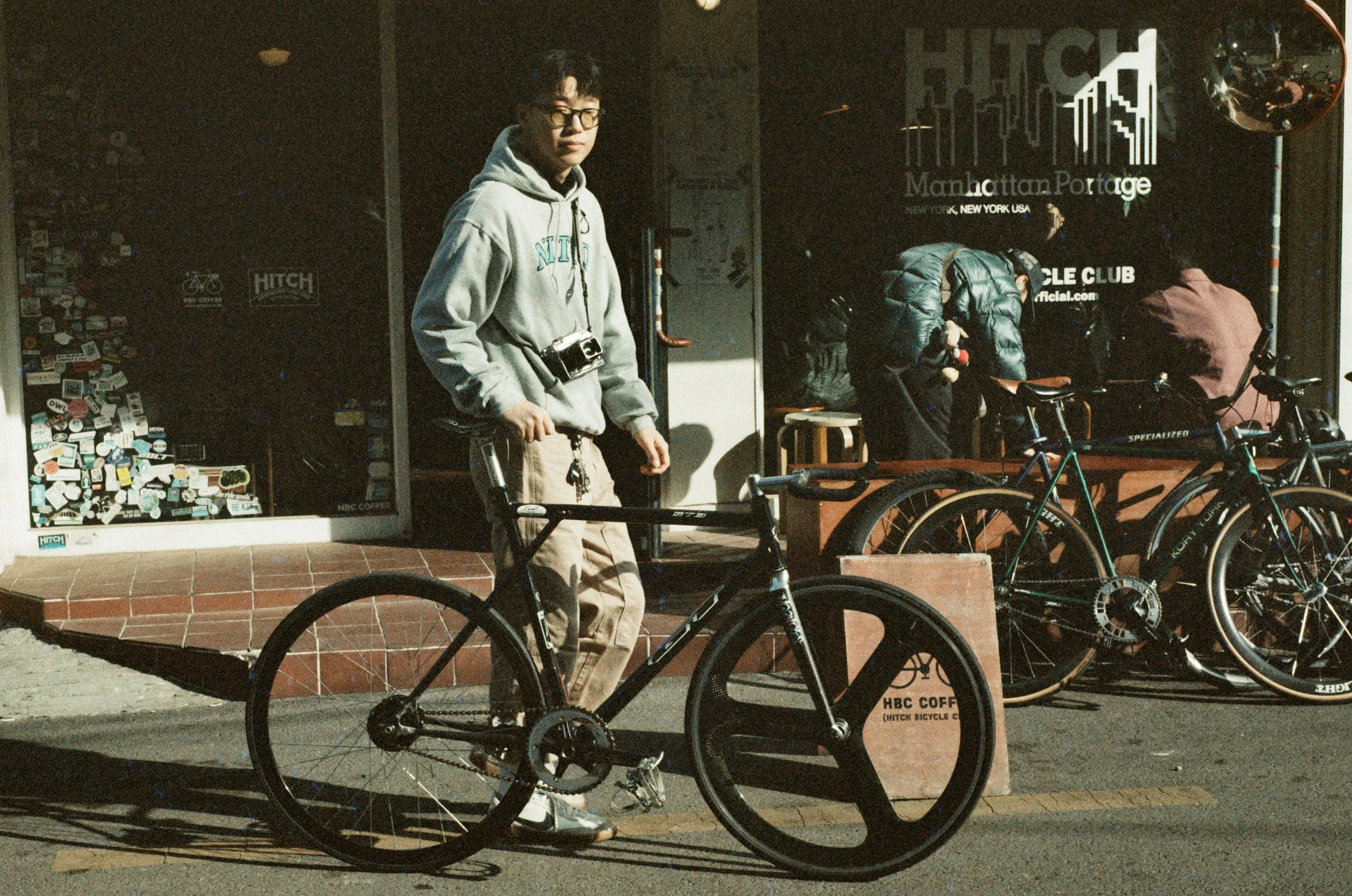
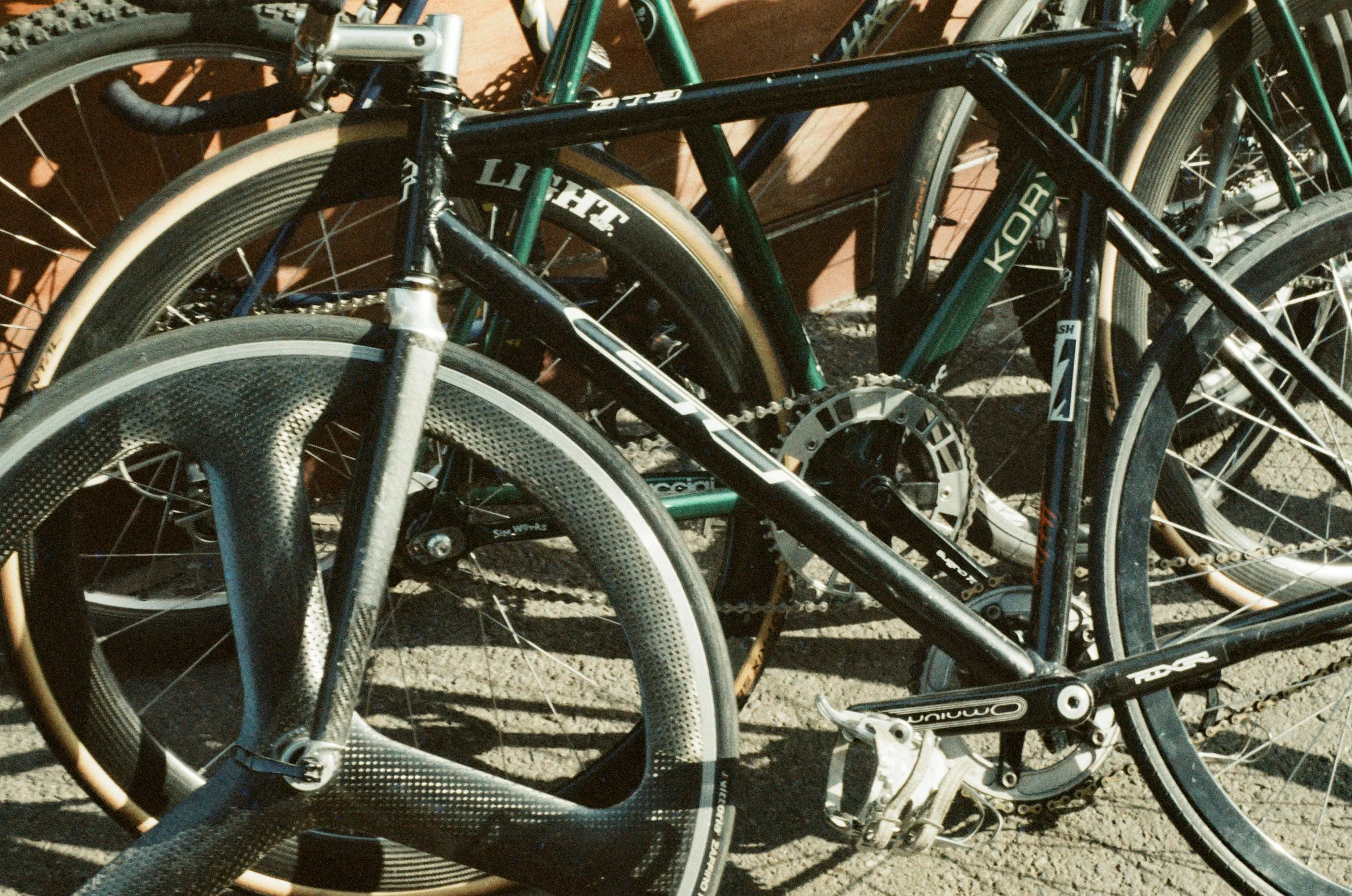
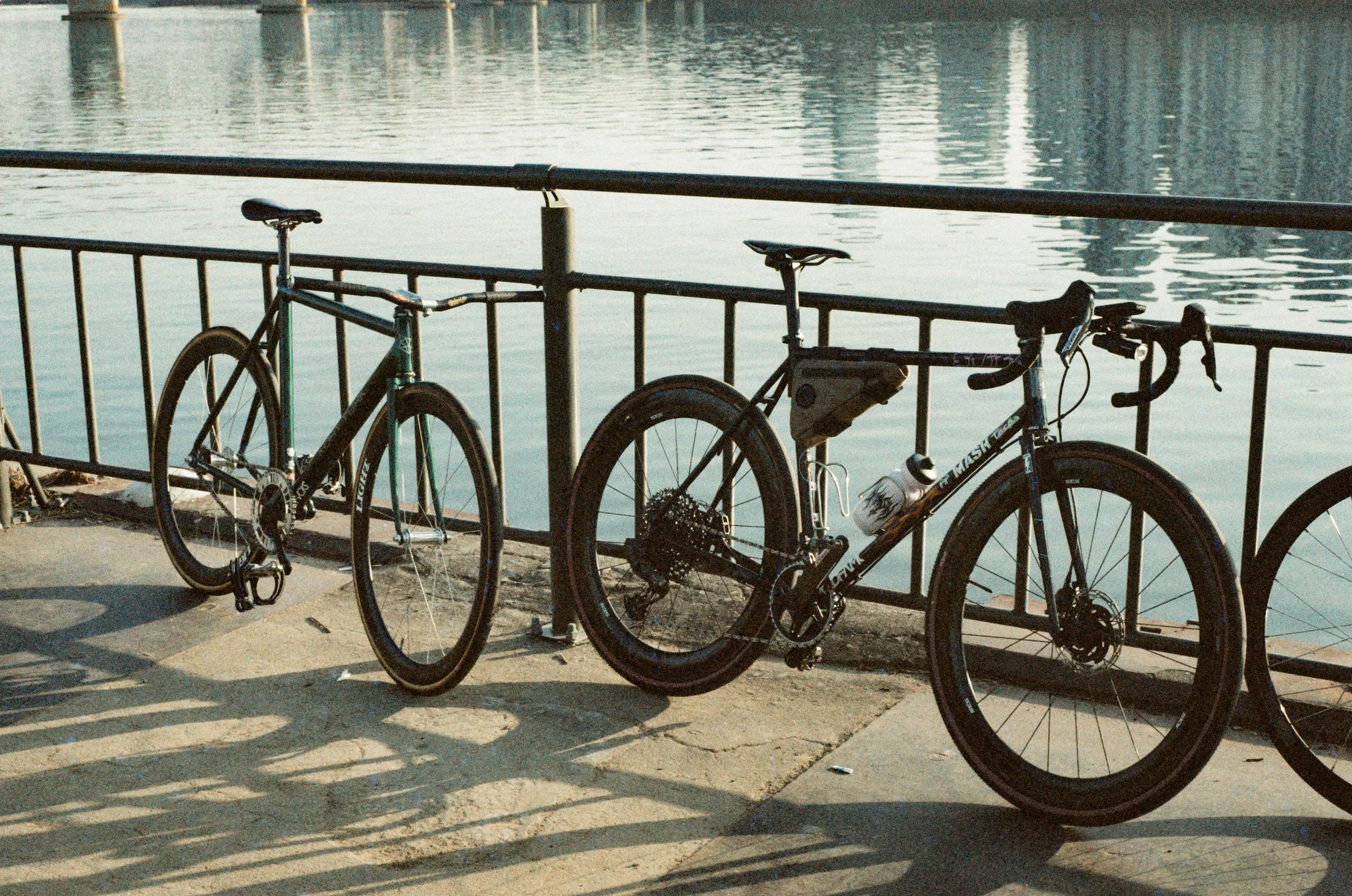
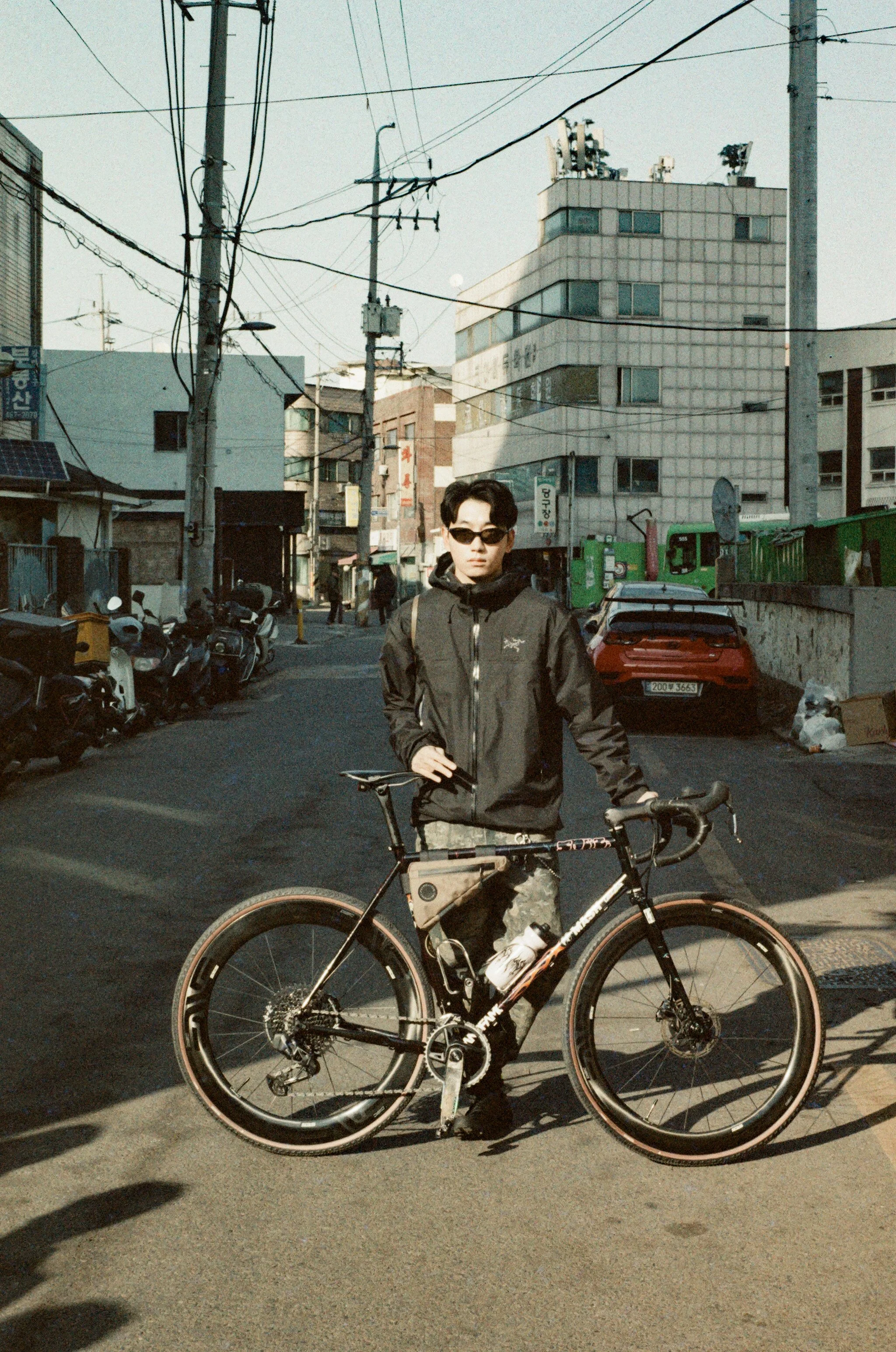
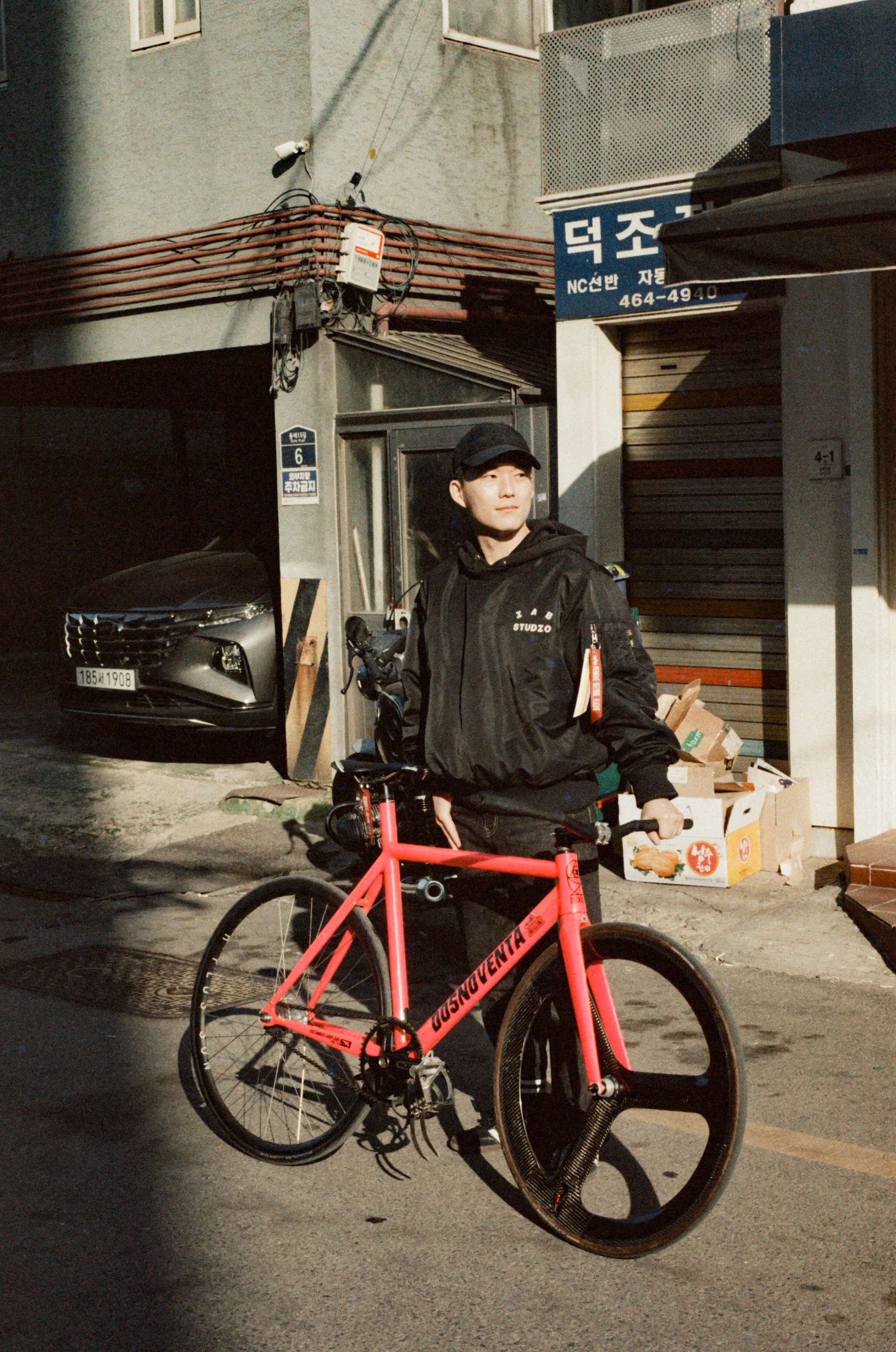
Zombie 400 — FilmNeverDie x Mr. Negative Collaboration
A local film shop had a few rolls of this in stock, and the clerk was pretty insistent that I give it a try. After sitting in storage for a couple of months, I finally brought it along for this shoot, mainly for its supposed unique color profile.
Results:
As you can see, the images come out fairly grainy overall, with muted colors and a cooler tone. In lower light, that “Zombie” look really starts to show, which I personally enjoyed. The film gives off a cold yet nostalgic atmosphere that worked well for this shoot. Riding along the river in Seoul, no stops, felt like something from another time, and the rendering matched that mood perfectly.
My only real issue was how easy it was to underexpose, especially in high-contrast lighting. Shadows tend to shift toward a greenish hue, with quite pronounced grain.
Overall I’d recommend it for brighter, overcast conditions, definitely more for the vibe than for sharp detail. A solid 8/10. The only thing holding it back from a higher score is the price.
✍️: @ryanleokim
📸: @ryanleokim
🎞: Never Die ZOMBIE 400
📷: Nikon F3
📍: Seoul