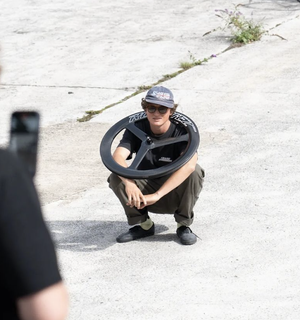
BSBC x Stratos Vol.1: When NJS Bikes Leaves the Velodrome
Japan and track cycling share a unique history. When the fixed-gear movement took over the streets of Tokyo in the early 2000s, with events like alleycat races and trick contests happening almost on a weekly basis, Japanese riders also had a major advantage over the rest of the world when it came to finding track frames to ride on the street:
Japan has something that the rest of the world doesn’t: Japan has Keirin.
Because Keirin is so popular, it wasn’t uncommon for racers to go through several frames in a single season. As a result, used NJS bikes were flooding the second-hand market, technically unridable on the street due to their brakeless setup and so available for incredibly cheap. You can imagine it quickly became a natural gateway for fixed-gear culture to grow in Japan at an impressive rate.
Now, even if times have changed quite a bit, there’s still something deeply anchored in the mentality of many riders and builders, all across the country.
NJS framebuilders, the craftsmen who have mastered the art of welding some of the finest lugged frames on the planet, aren’t always thrilled to see their creations leave the velodrome. Some builders will make dedicated “training frames,” fitted with cable guides, bottle mounts, a drilled fork, and a rear bridge. But you can easily imagine how someone so tied to tradition, who respects to the letter the rigid rulebook of the Nihon Jitensha Shinkōkai (Japan Bicycle Association), better known as NJS, might feel about seeing one of their bikes thrown into the chaos of an alleycat in New York City. These machines were never really intended for that world, but we took them anyway.
Things, of course, only got worse with the rise of social media and the endless stream of content showing riders taking these frames straight to the streets.
Now, do all framebuilders think that way? That’s only for them to tell. Is it a good thing or a bad thing to give a second life to a frame that might otherwise have ended up forgotten in a dusty corner of a velodrome, or worse, in a scrap pile? You decide… but you probably know where I stand.
With that background in mind, you have to respect the dedication of Nickolas (we talked about his shop and the events he organizes a couple of times on SSS), who has been selling used NJS frames in his shop for the past 15 years. He’s found a rare balance on that fine line, keeping everyone happy: riders, builders, and officials alike.
Acting as a constant bridge between two worlds, Nickolas was probably the only person who could have pulled off the project we’re introducing today. Because serving as a middleman is one thing, but merging official Keirin racing culture with street track cycling is a whole other can of beans.
Nickolas’s shop is also the home base of the Black Socks Bicycle Club (BSBC), a Tokyo crew that has taken part in numerous events, more or less official, from King of Track in Korea to MonsterTrack in New York.
After almost fifteen years of existence and countless collaborations that helped shape BSBC through brand partnerships and different projects along the way, it felt like the right moment to return to the basics.
A Tokyo crew deserves bikes handmade in Tokyo.
And among all the possibilities, one choice felt obvious: it was time to go see the good folks at Stratos.
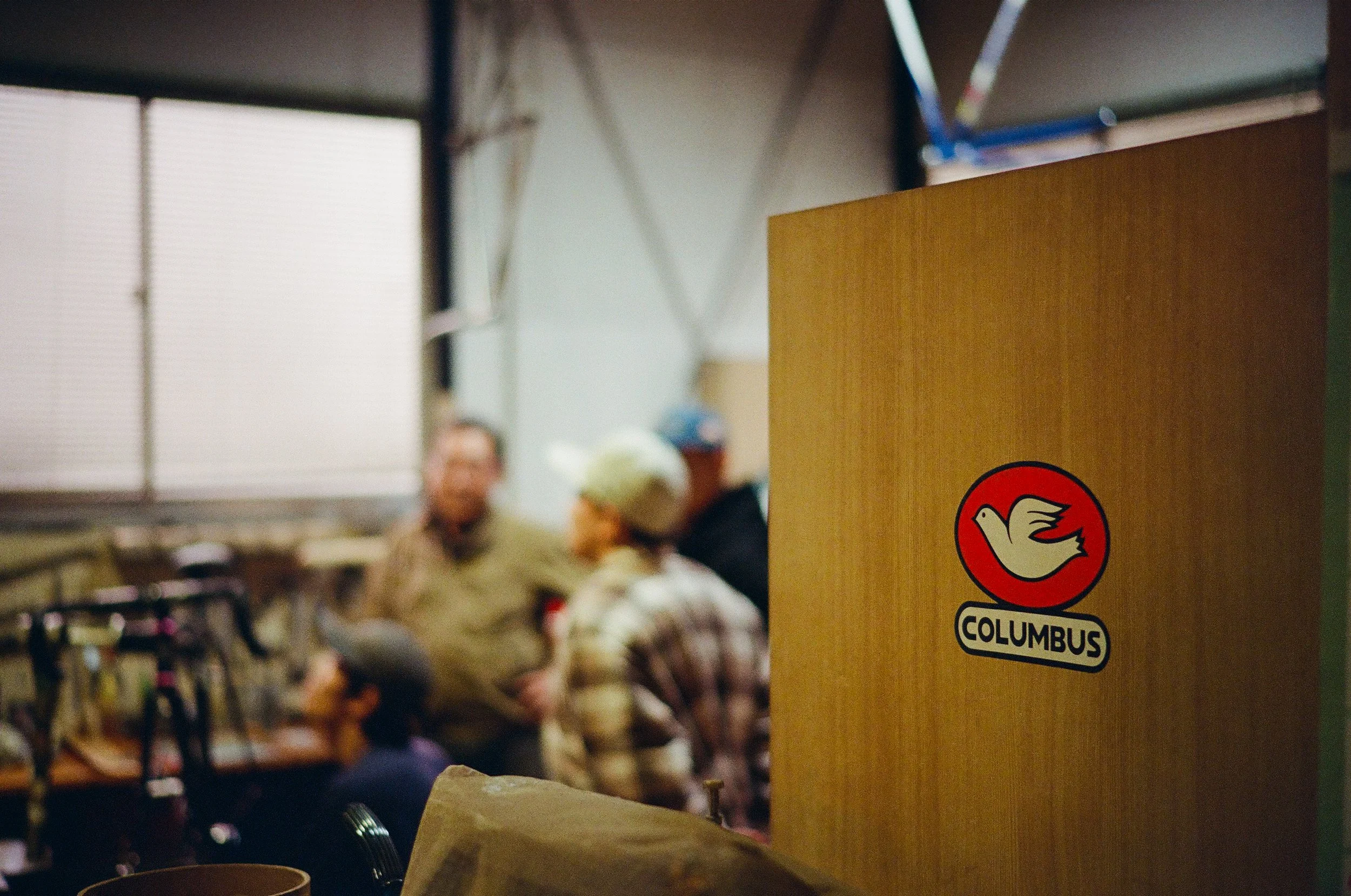
You’ve probably seen the Stratos workshop before, as it served as the backdrop for a previous article: Sharp Frames, Sharper Looks. The Future of Stratos. Kaito and Murayama-san welcomed this project with real enthusiasm, even though their order book is already full for the next three years.
So, on a Friday morning, with only a few days to spare before Christmas, Yuki and Hayato (both members of BSBC) and I went to pay a visit to Kaito and Murayama-san. The goal was simple: to see what could be done for a first prototype of what might become the team’s future frame.
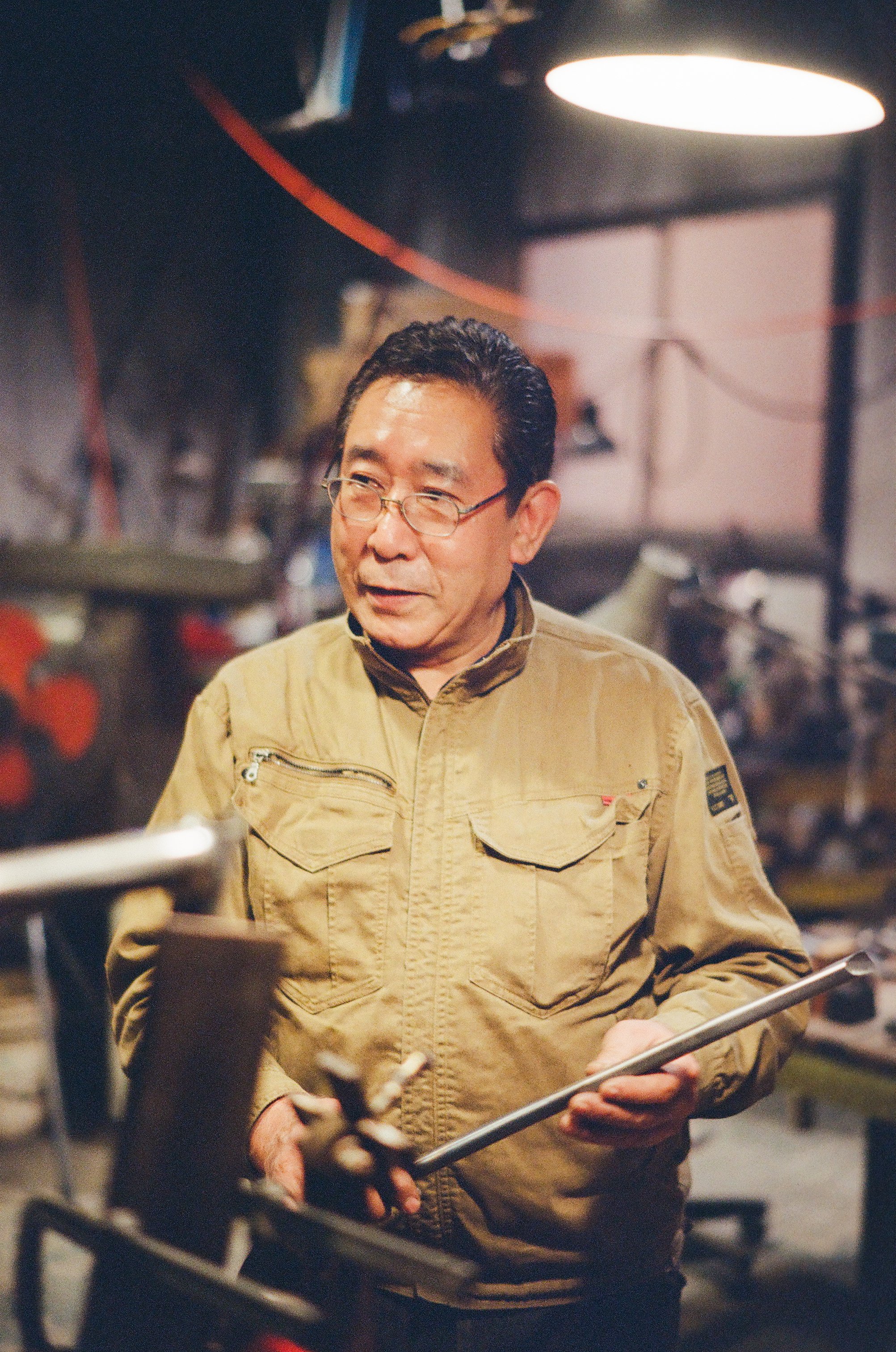
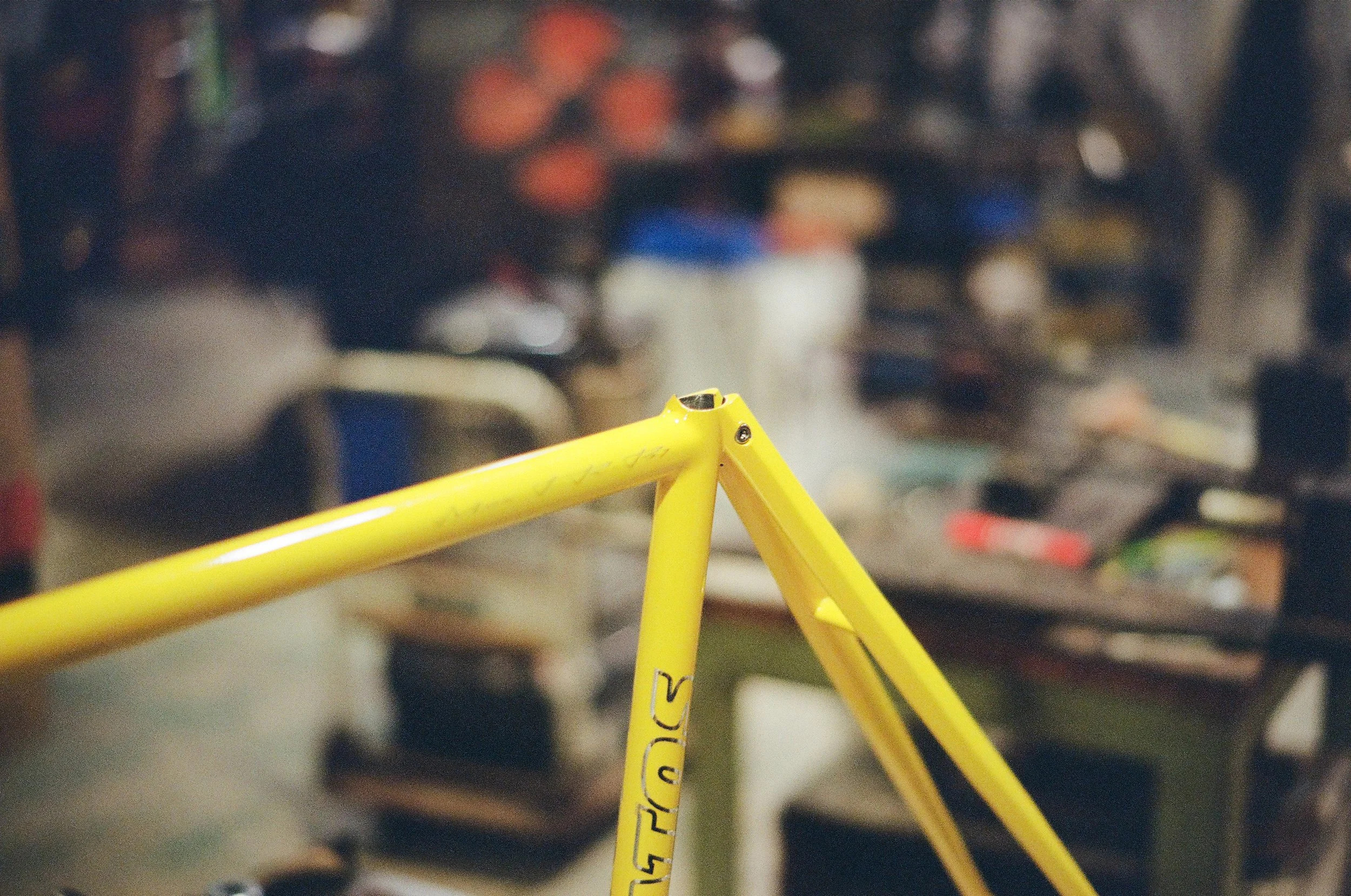
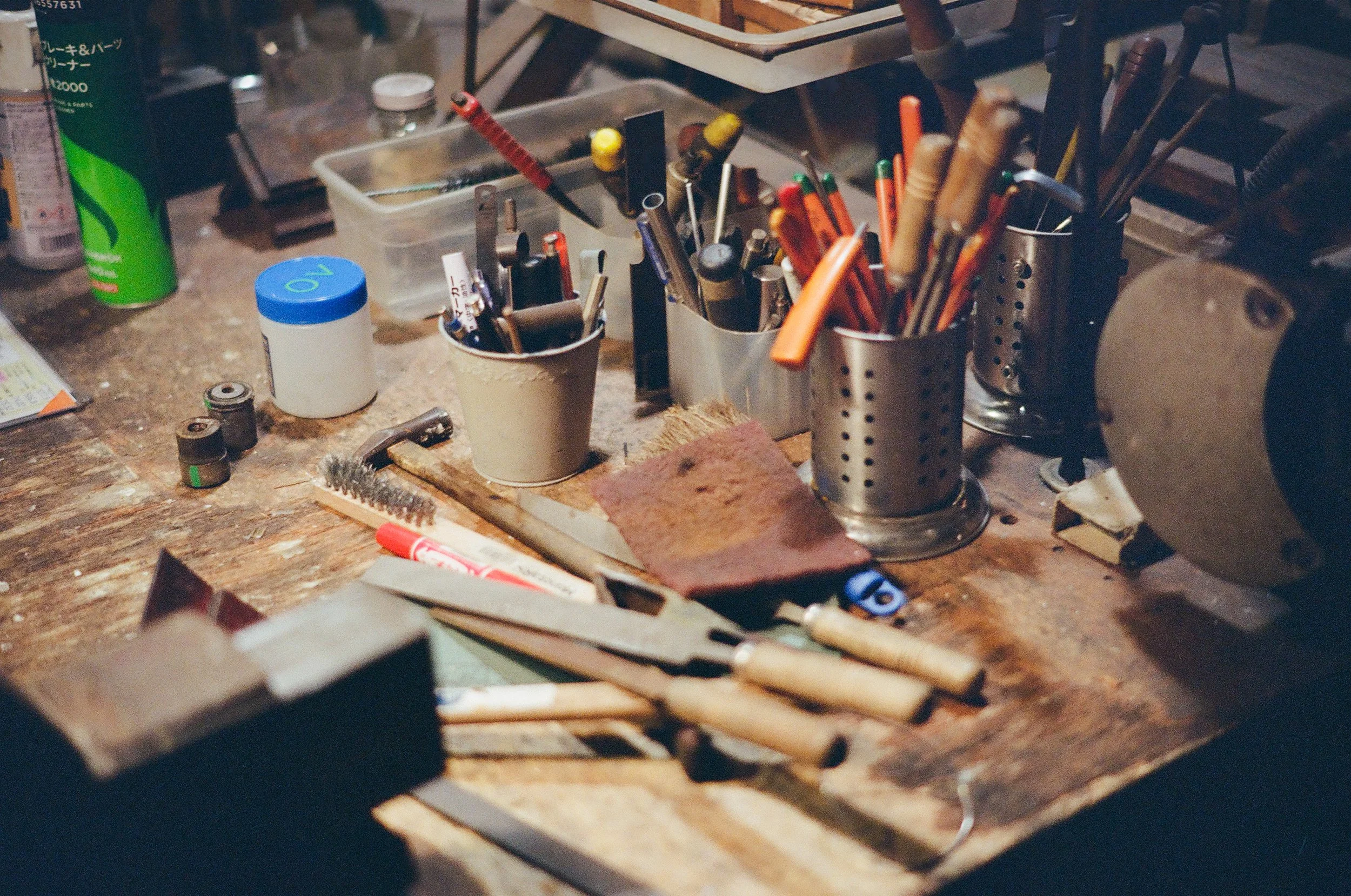
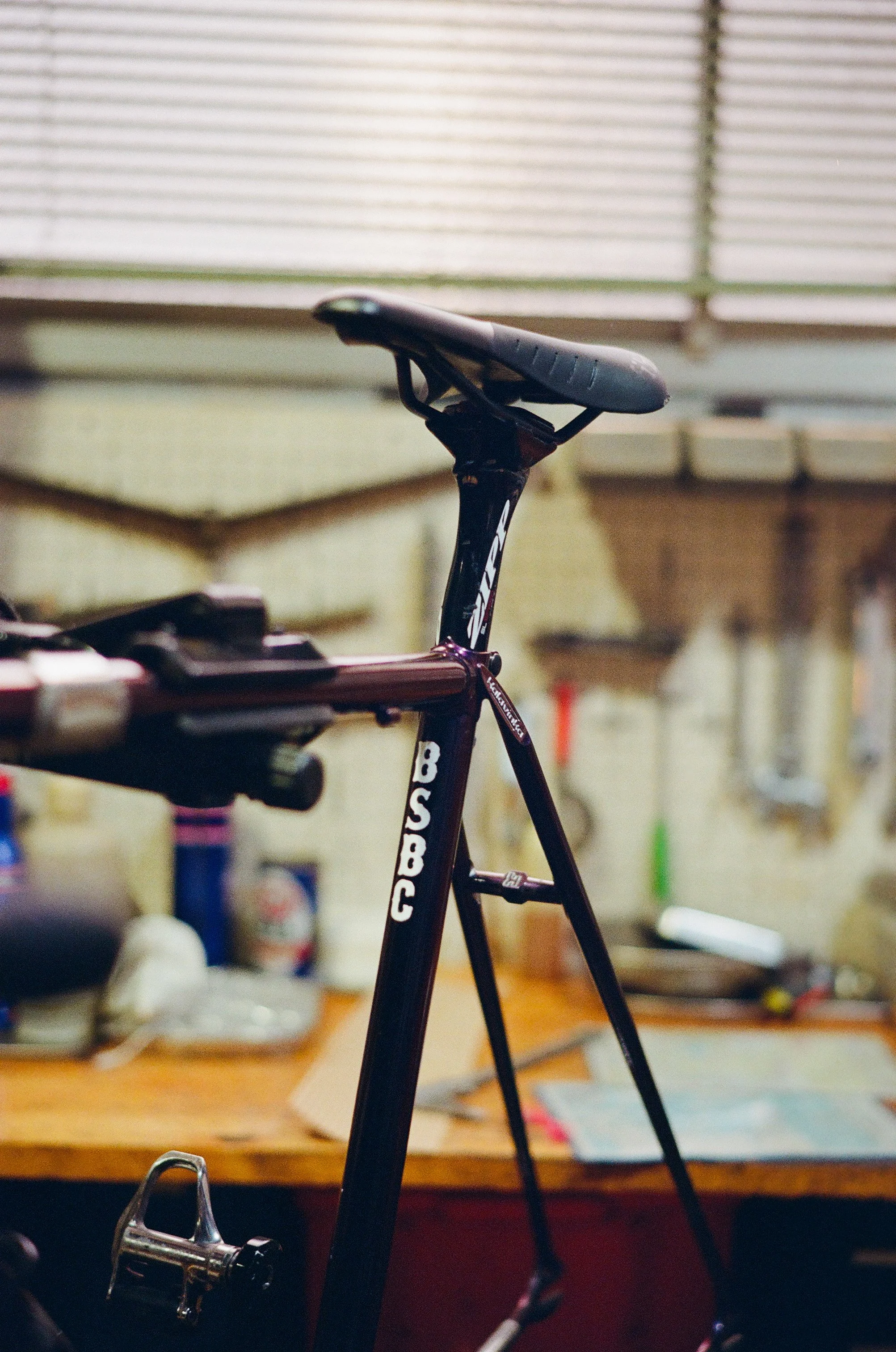
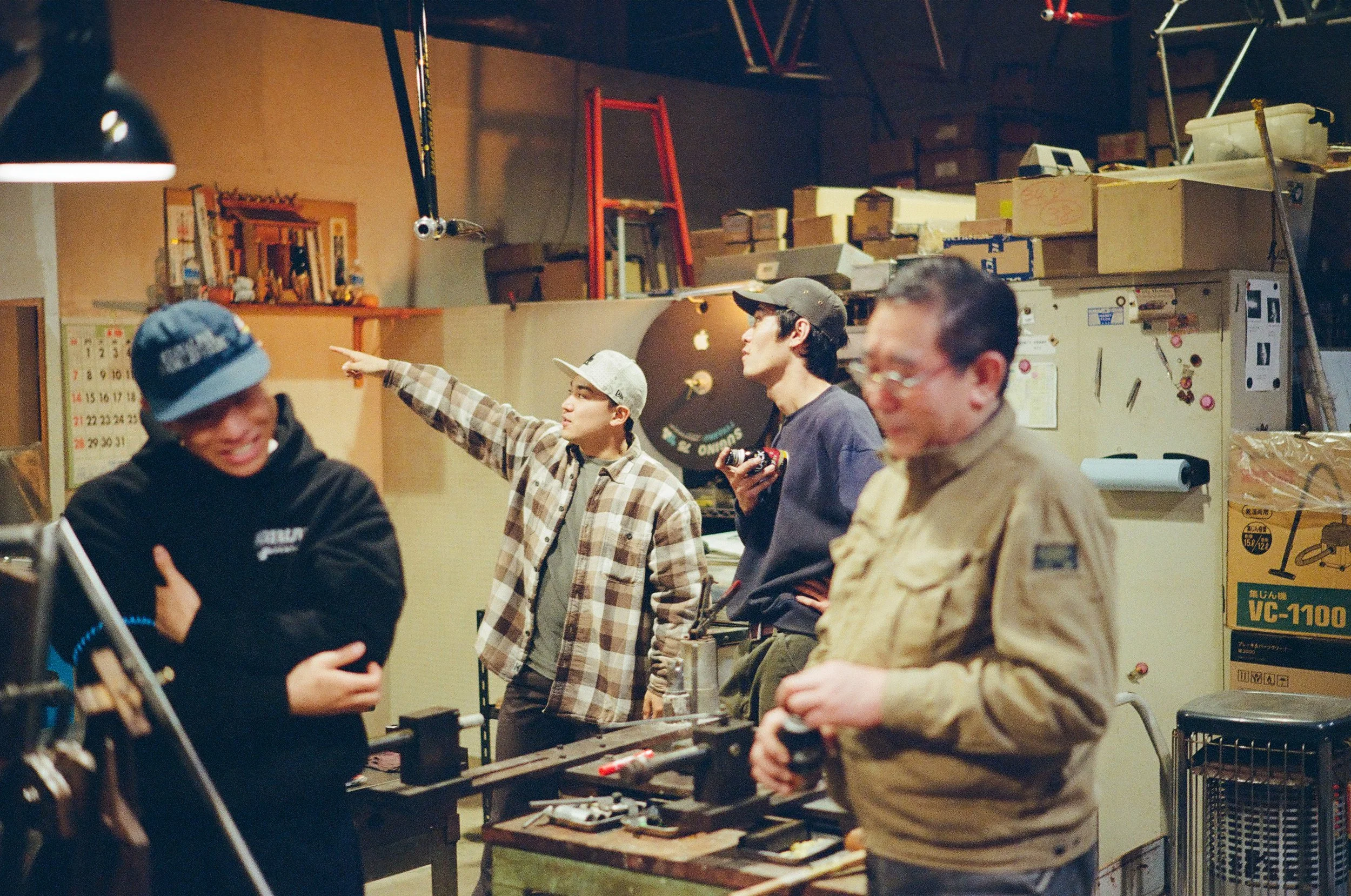
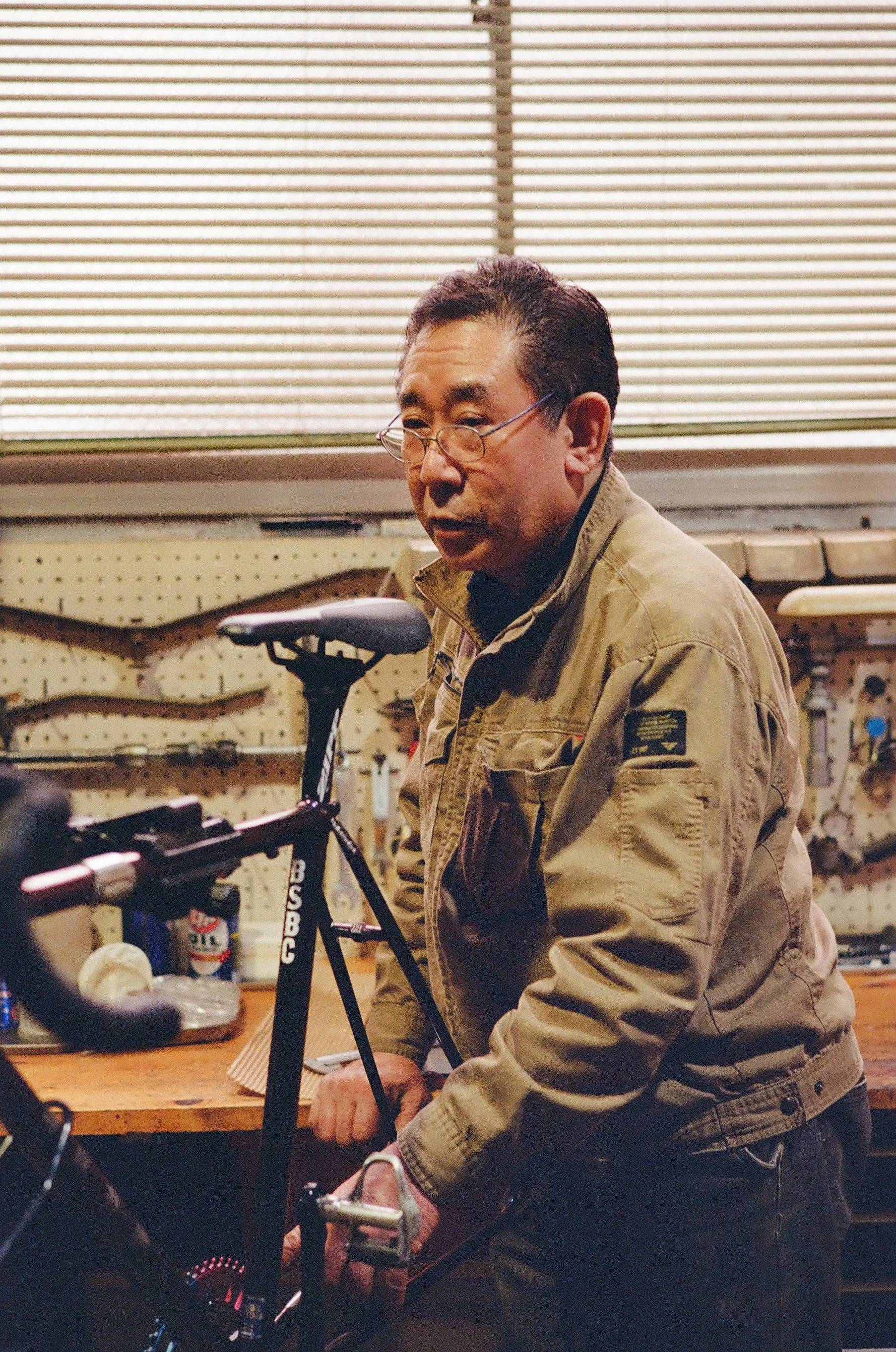
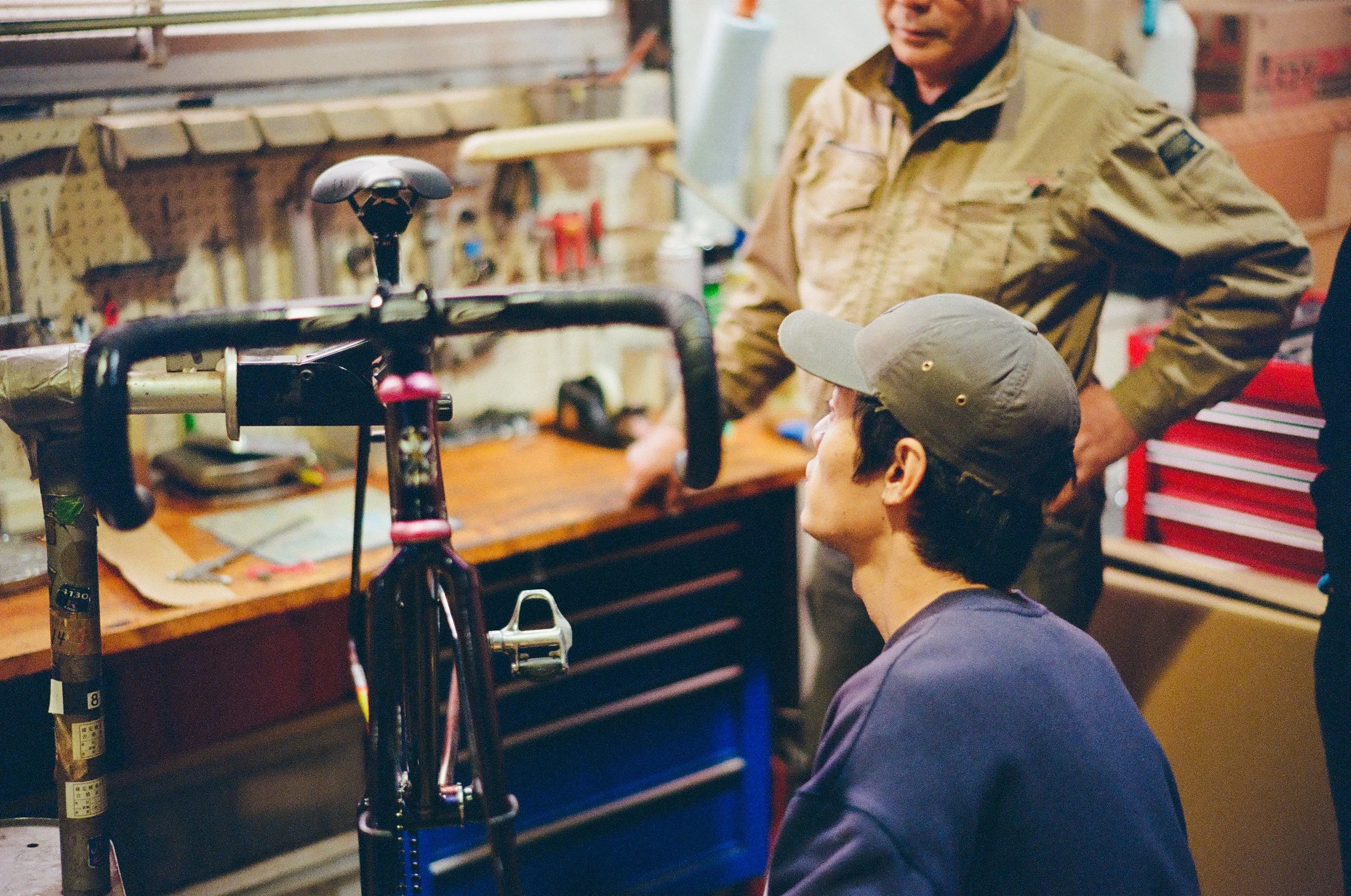
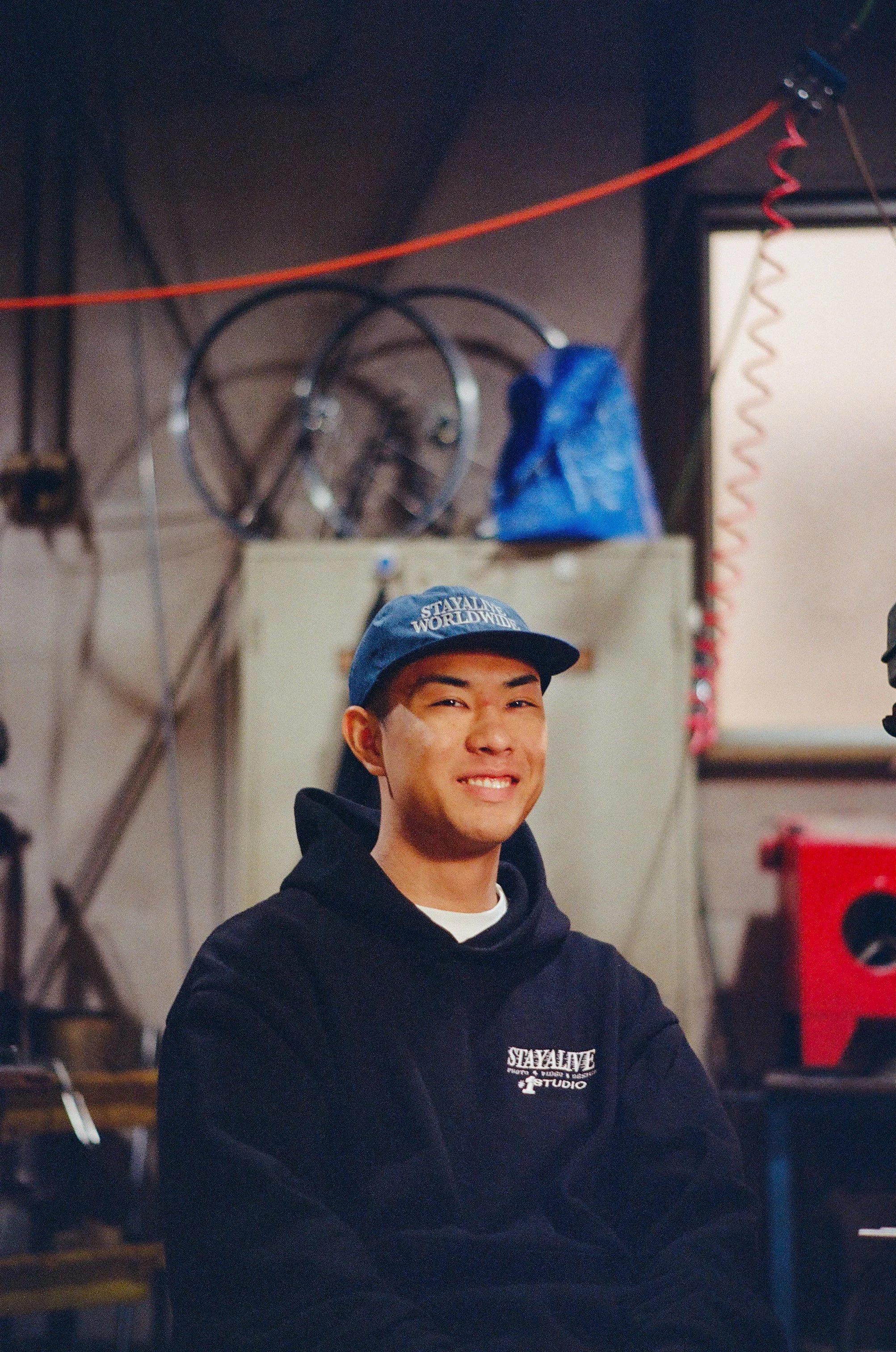
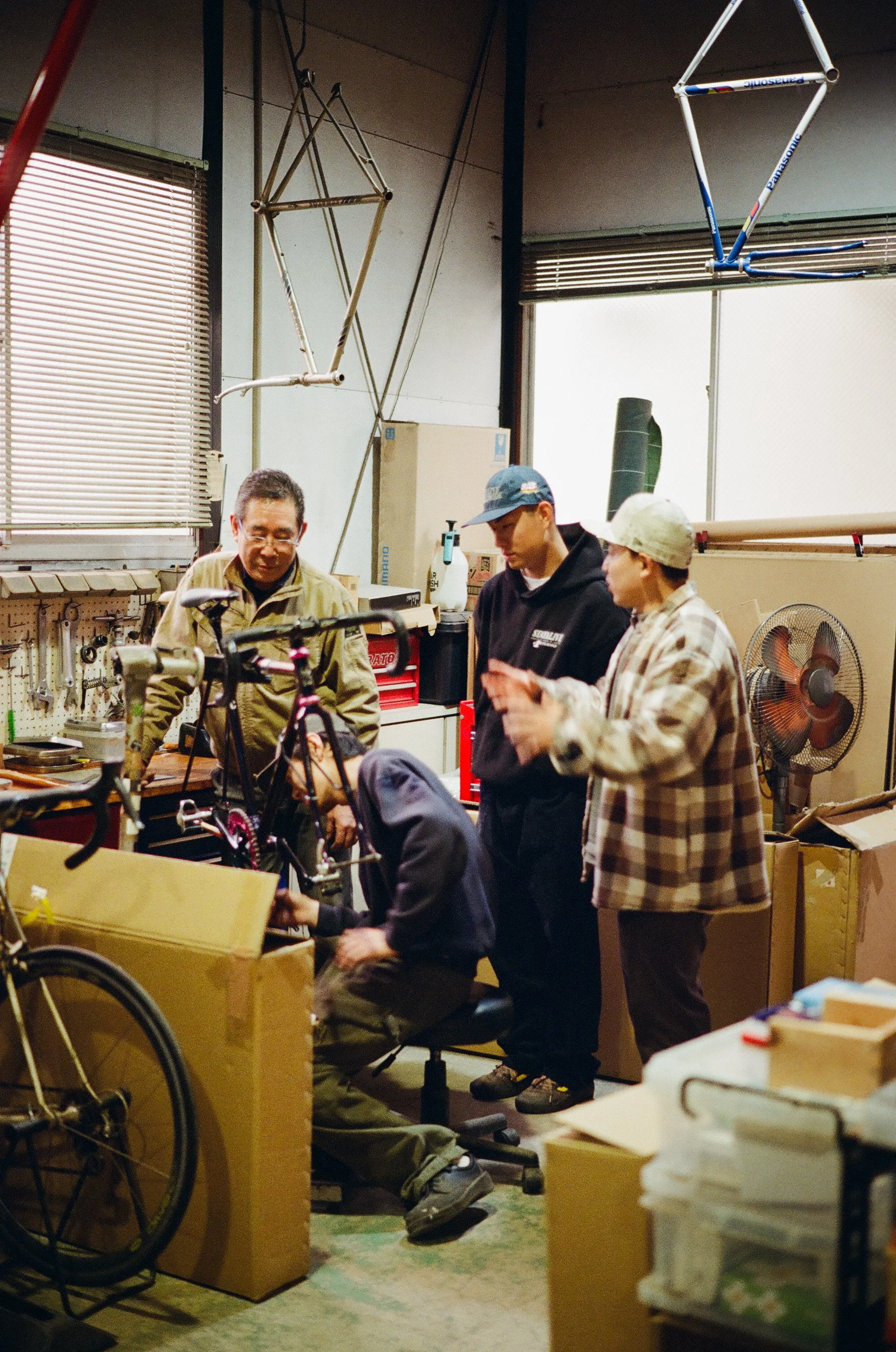
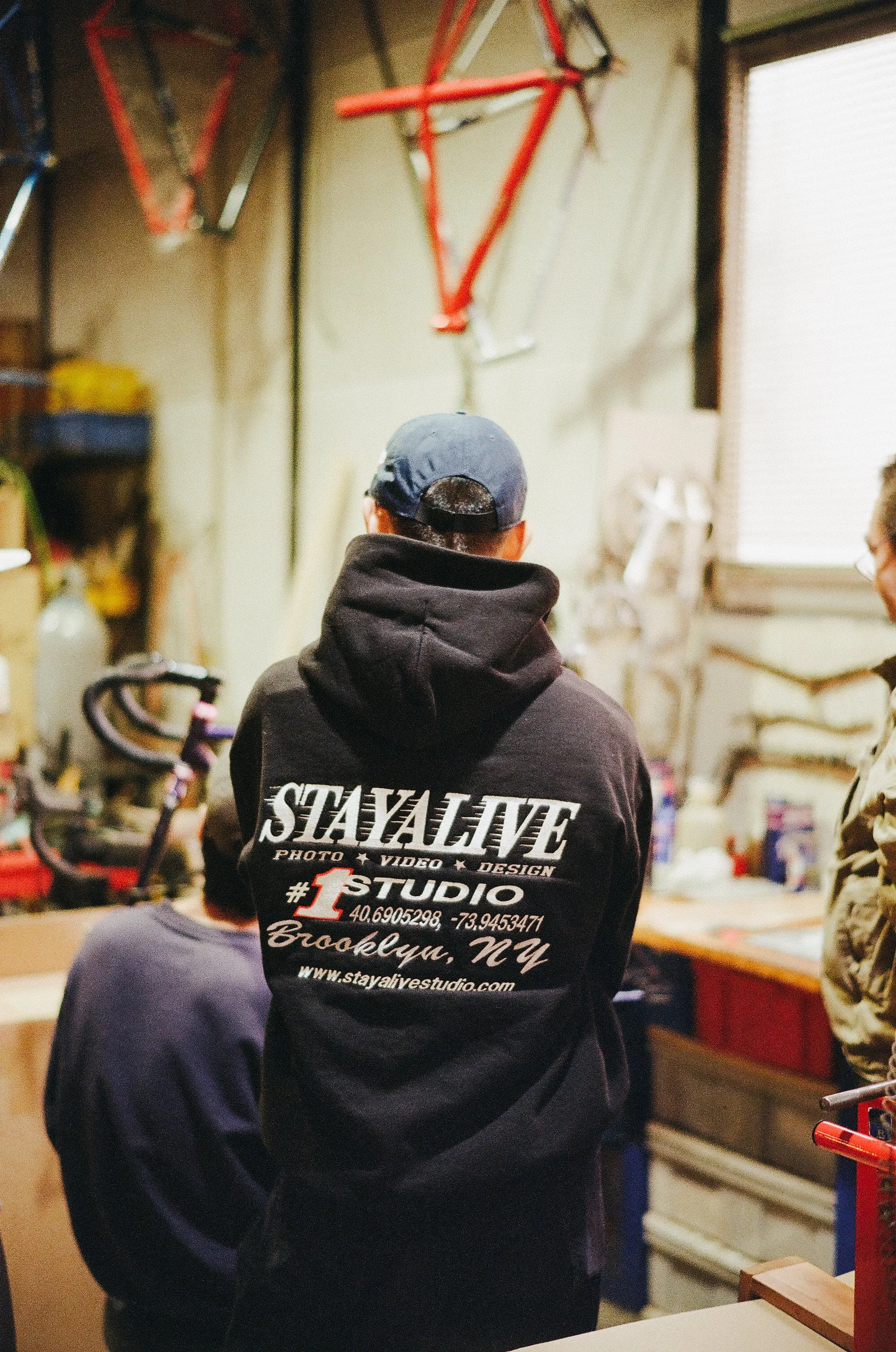
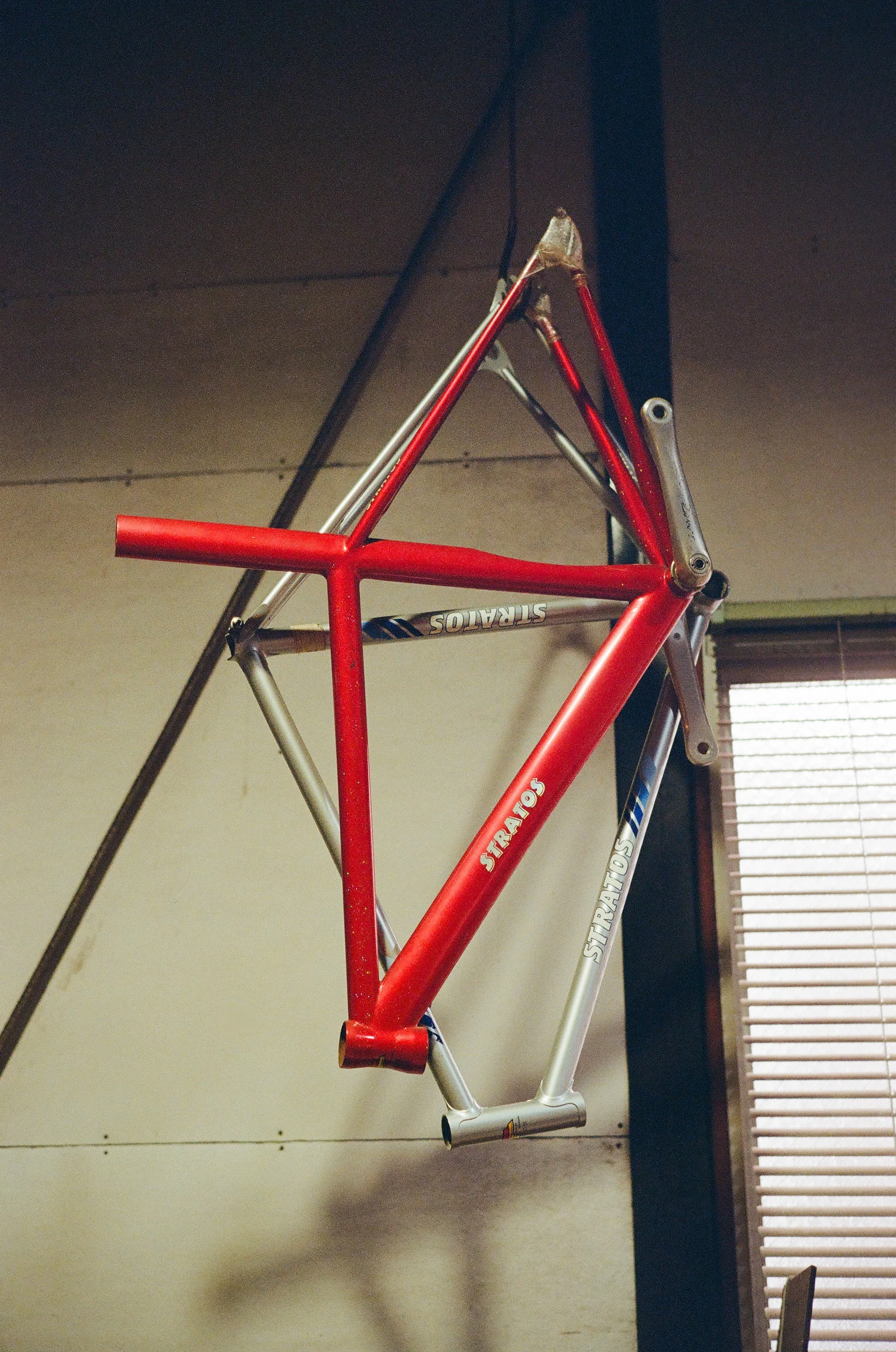
The objective here is to create three to four frames, one for each team member, built with the traditional NJS framebuilding techniques, because that’s where Stratos truly excels, but with a twist.
Criterium racing doesn’t really align with the forces and constraints found in Keirin. On top of that, each rider brings their own preferences when it comes to stiffness, geometry, and overall feel. After about half an hour of talking back and forth, Murayama-san suddenly reached up toward the ceiling and pulled down a yellow frame; that was pretty much what we were looking for.
It had been built for a Keirin rider who needed the stiffest frame possible, capable of handling the incredible amount of watts he could put out. Thick chainstays, an uncompromising construction, and a bike made for a rider focused purely on explosive power.
Yuki also brought his Kalavinka to use as a reference point for the kind of geometry he prefers to race on. From there, we arrived at a tubing selection, a rough geometry, and a clear direction for what we wanted this first prototype to be.
If this project sparks your interest, part two of the story, along with the first prototype, should be ready in a few months. It’s incredibly exciting, though perhaps not entirely surprising once we realized that Murayama-san, who has been crafting some of the finest NJS frames for half a century, was just as invested in the project as we were.
It feels like, after all, the new generation may once again rely on the strength of tradition and craftsmanship.
First Crit team with handmade Japanese frames?
🎞: Kodak Gold 200
📷: Leica M6
📍: Tokyo