BSBC x Stratos Vol.2: Built Right the First Time
If you haven’t read it yet, this is the second part of the BSBC x Stratos series — you can find the first one here. ➡️ BSBC x Stratos Vol.1: When NJS Bikes Leaves the Velodrome
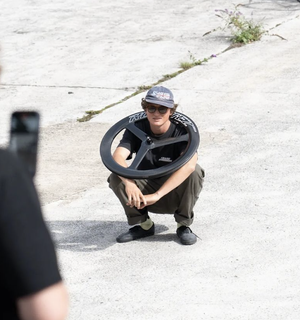
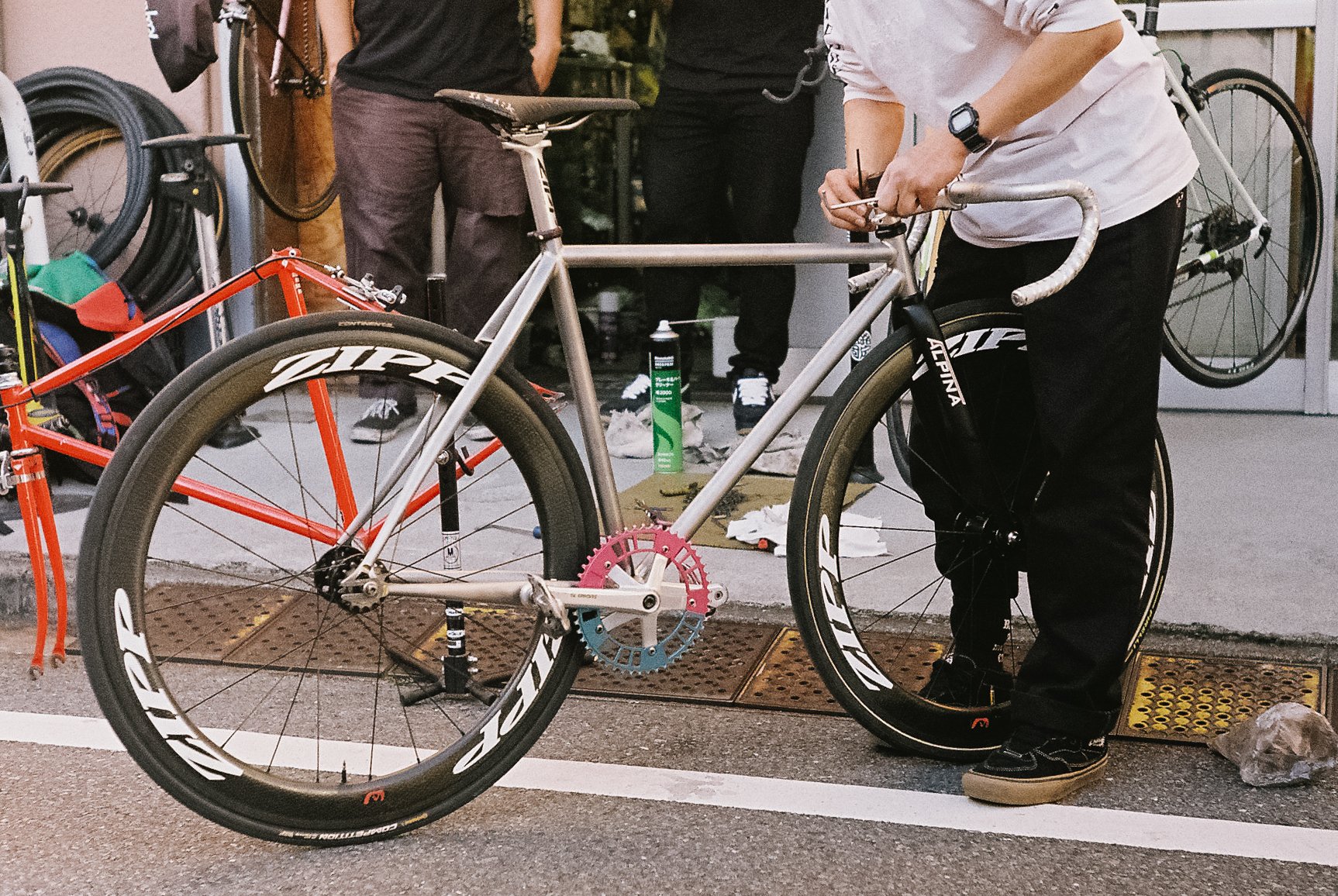
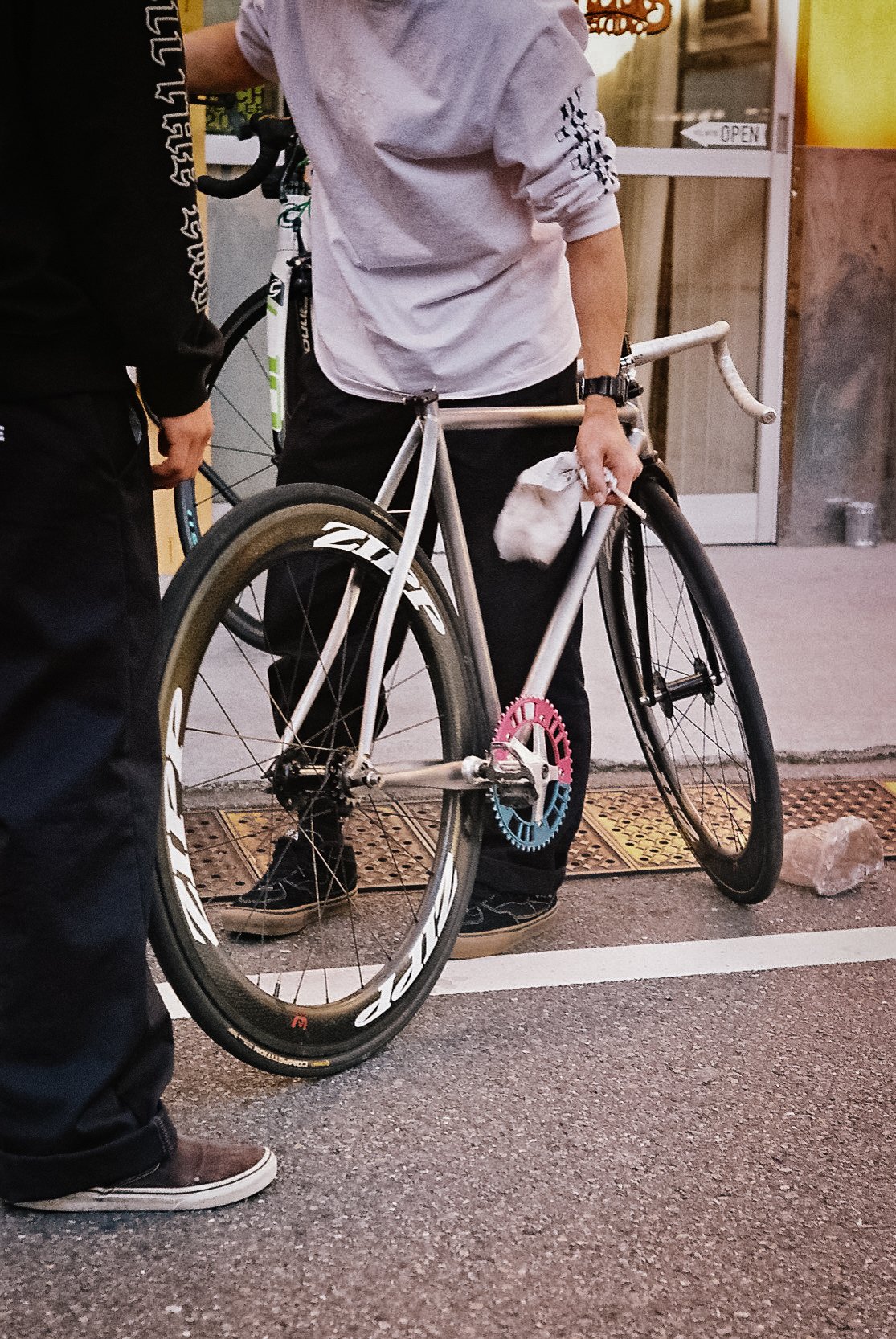
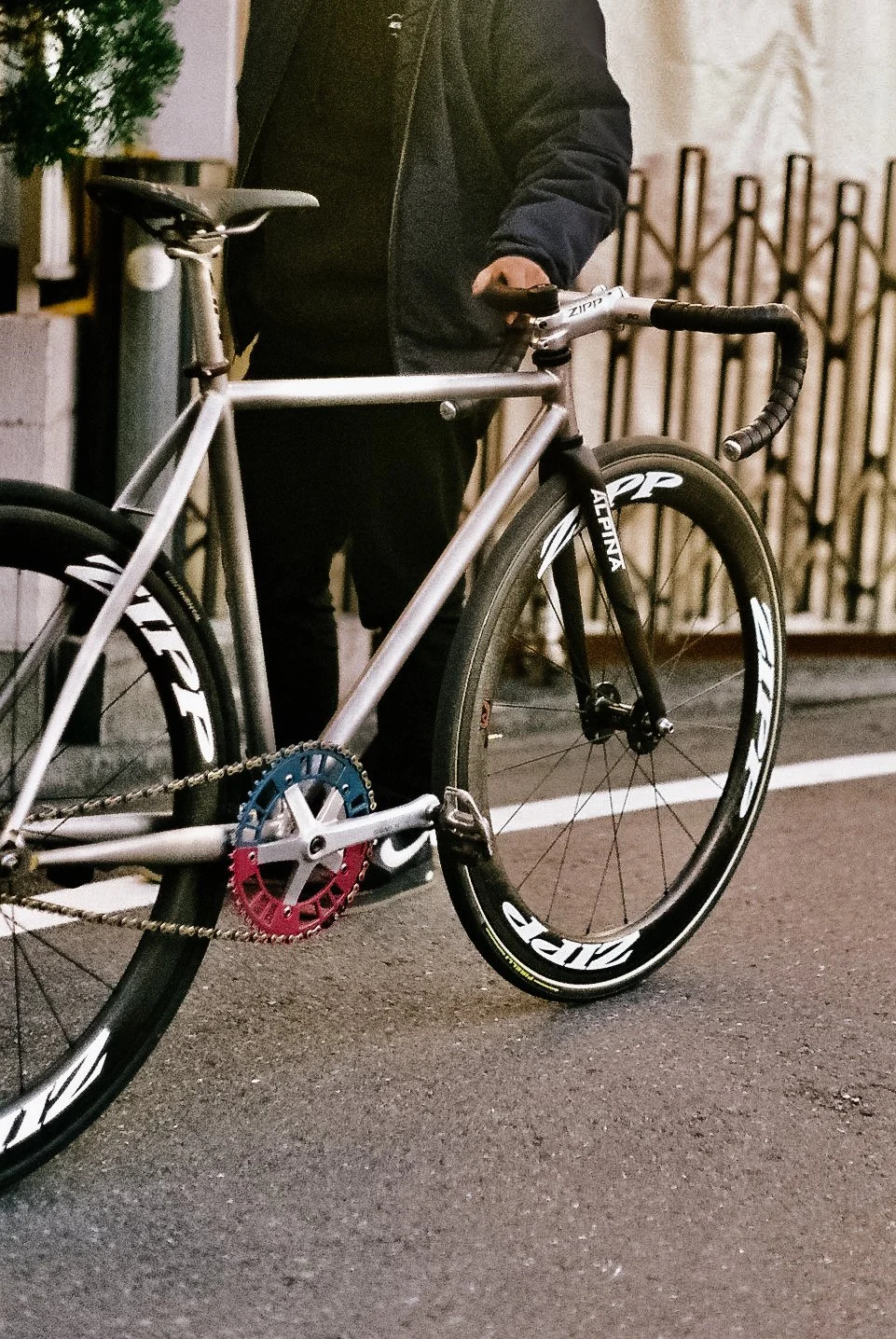
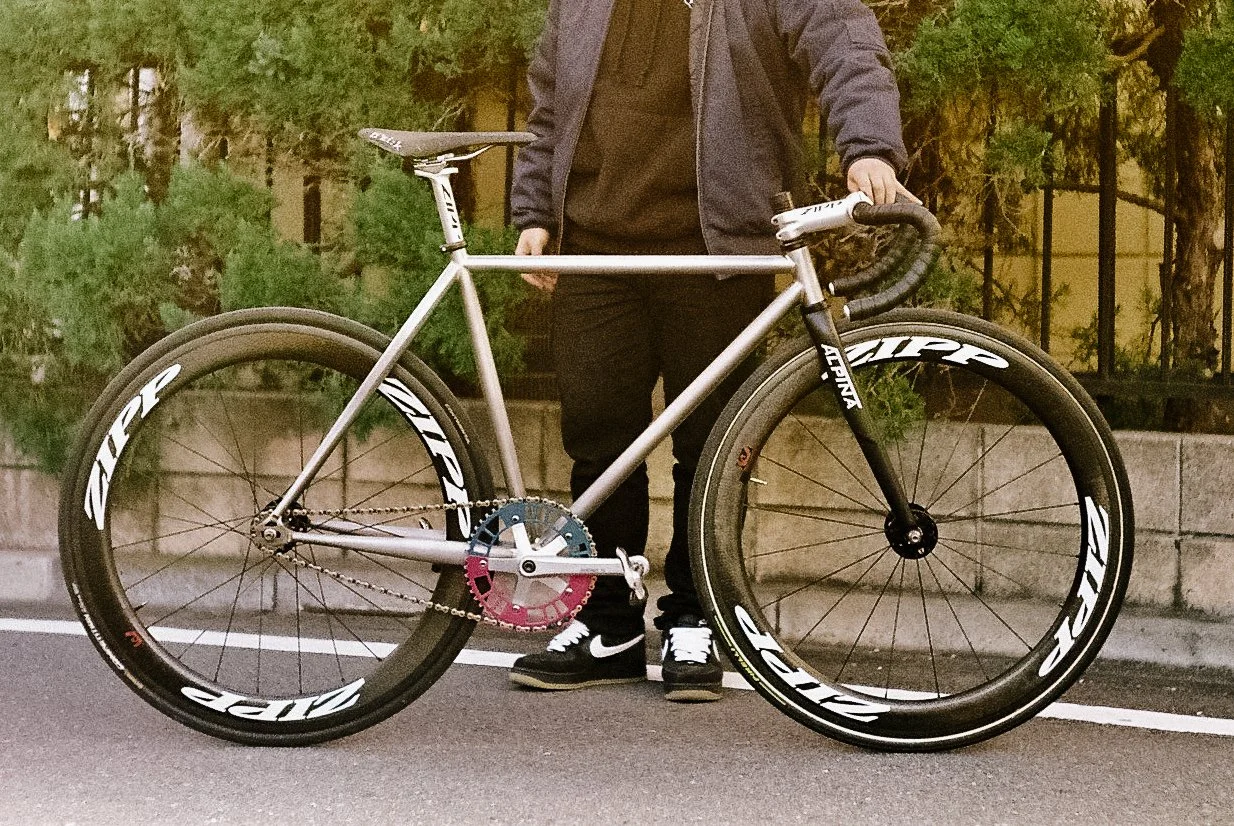
After exploring their options with Kaito and Murayama-san at the Stratos workshop, the BSBC crew finally got their first look at the prototype, which might as well be the final version, as we’ll see later. It’s Yuki who took delivery of the frame, replacing his Bridgestone (pictured below). I had a quick chat with him to get his first impressions of the new setup, so big thanks to him for taking the time to walk me through it, and to Melo as well, who shot most of the photos for this piece on his Nikon S4. (Because I can’t always be in Tokyo)
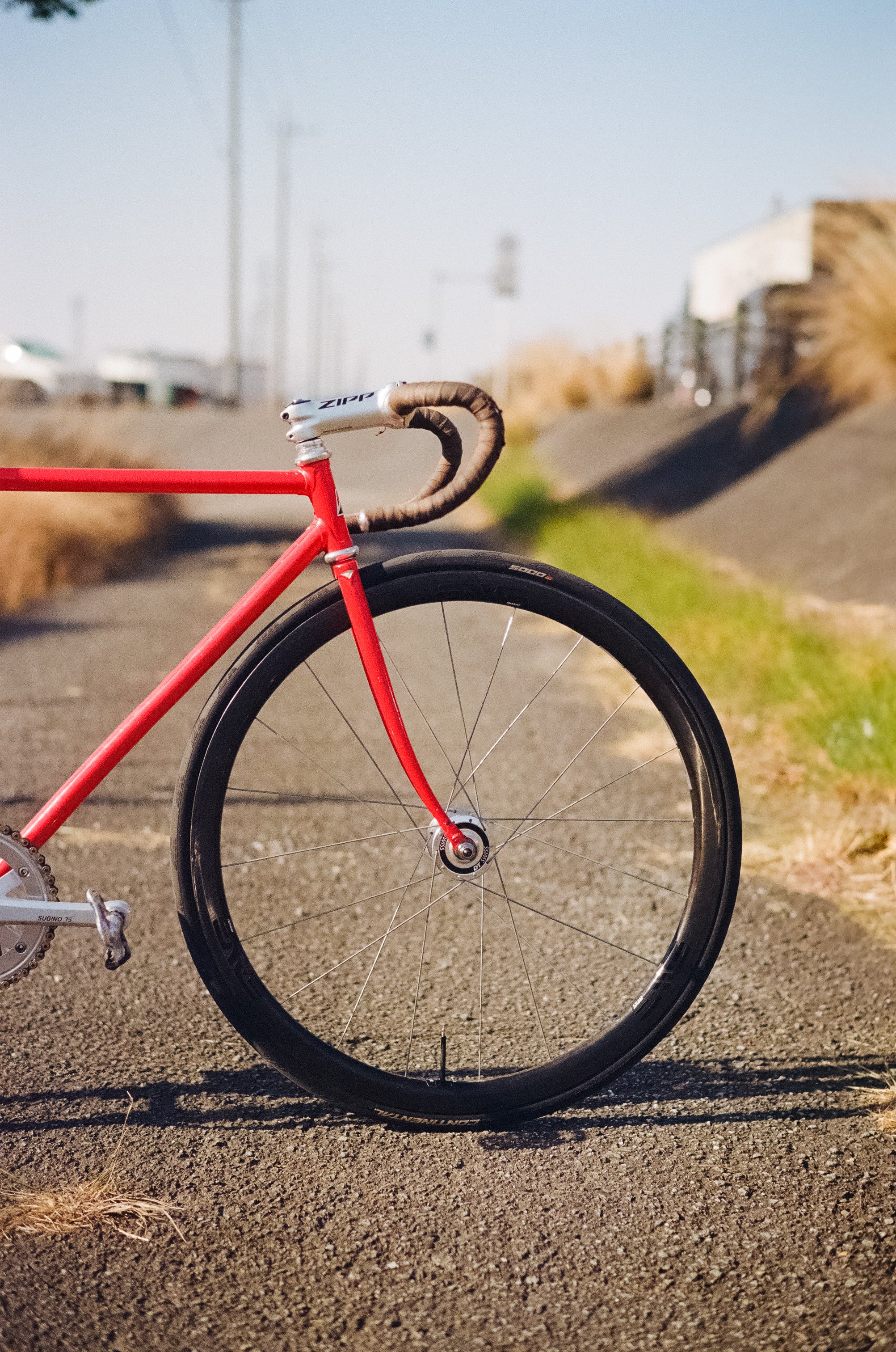
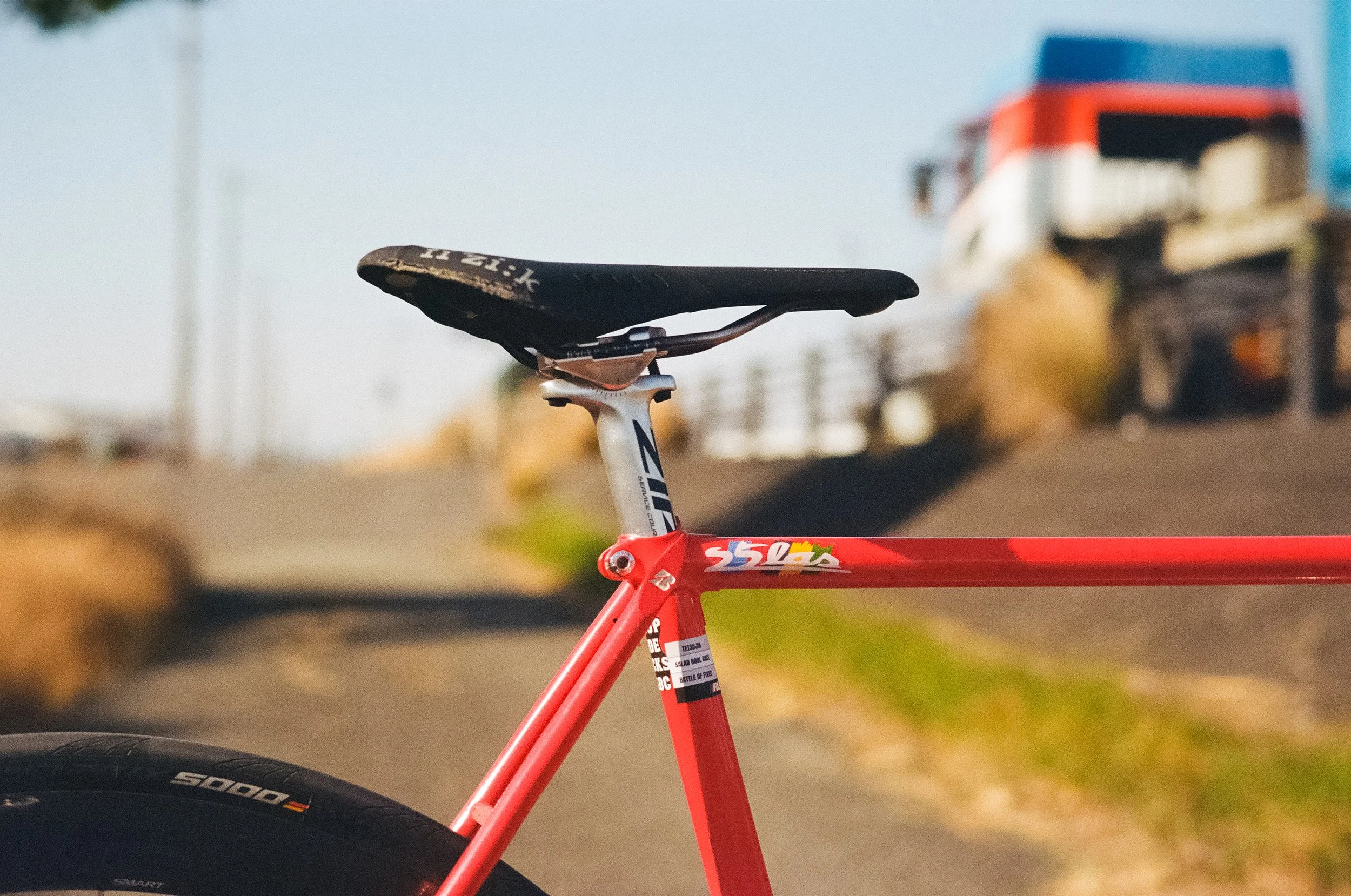
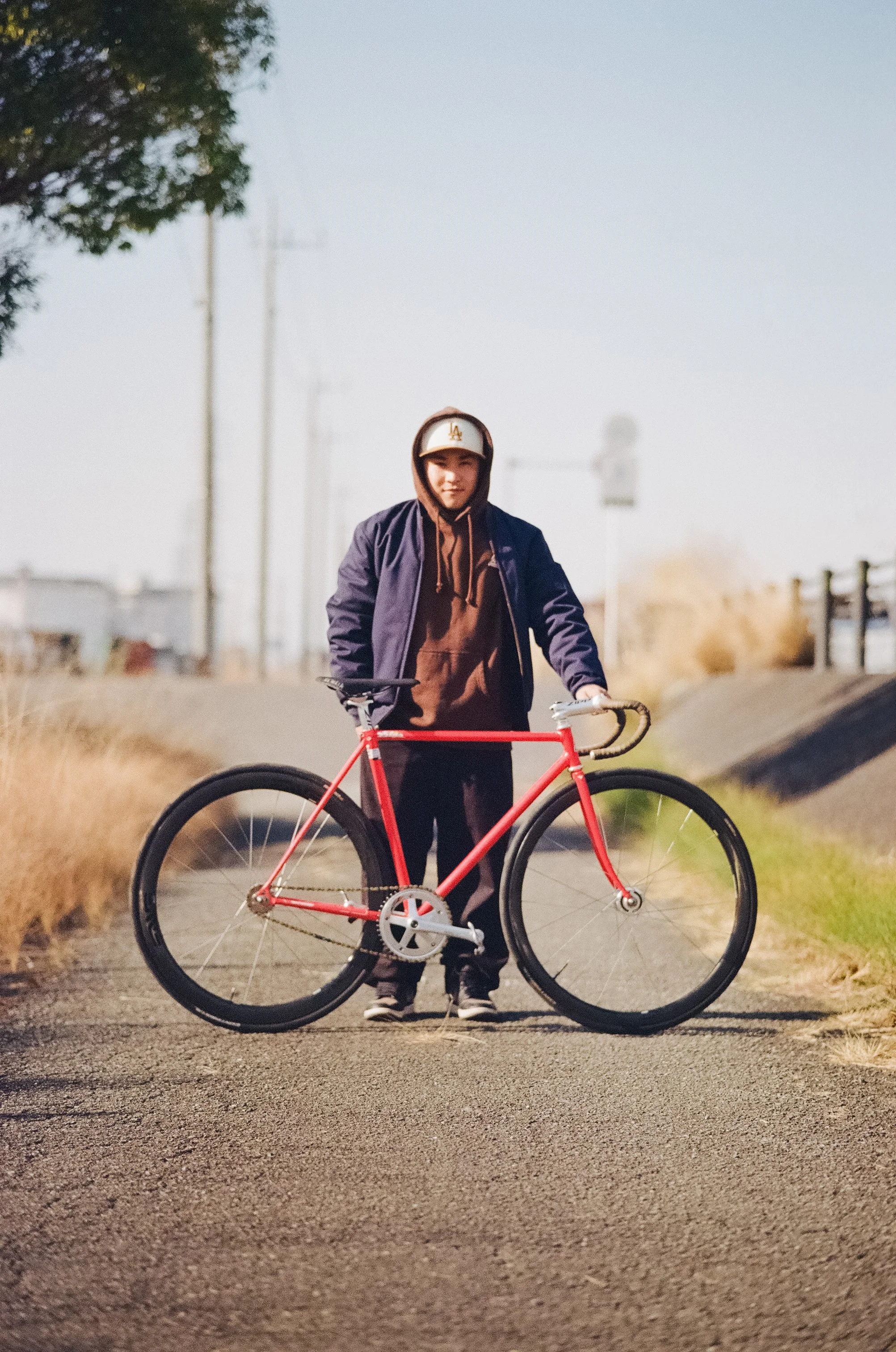
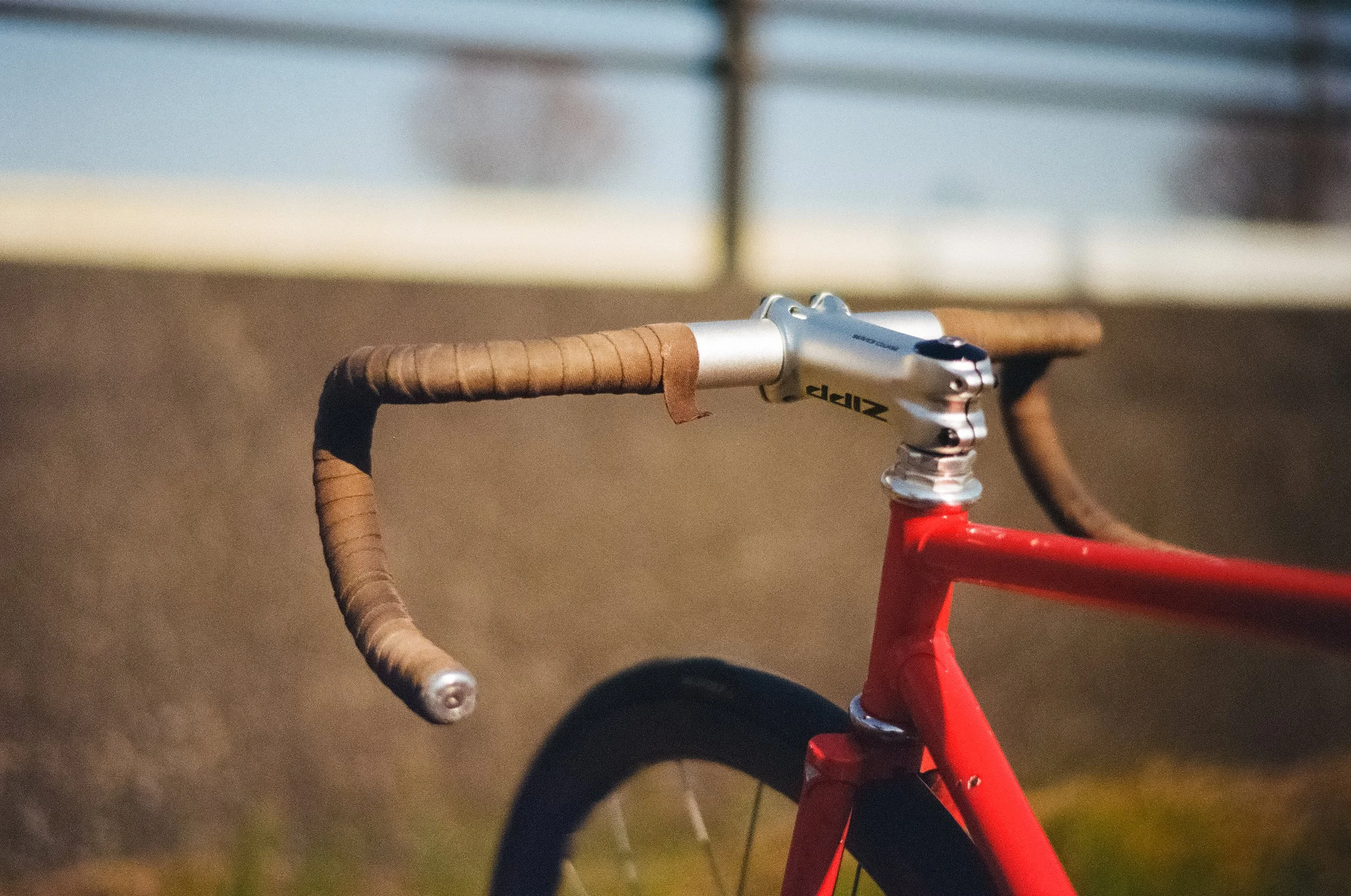
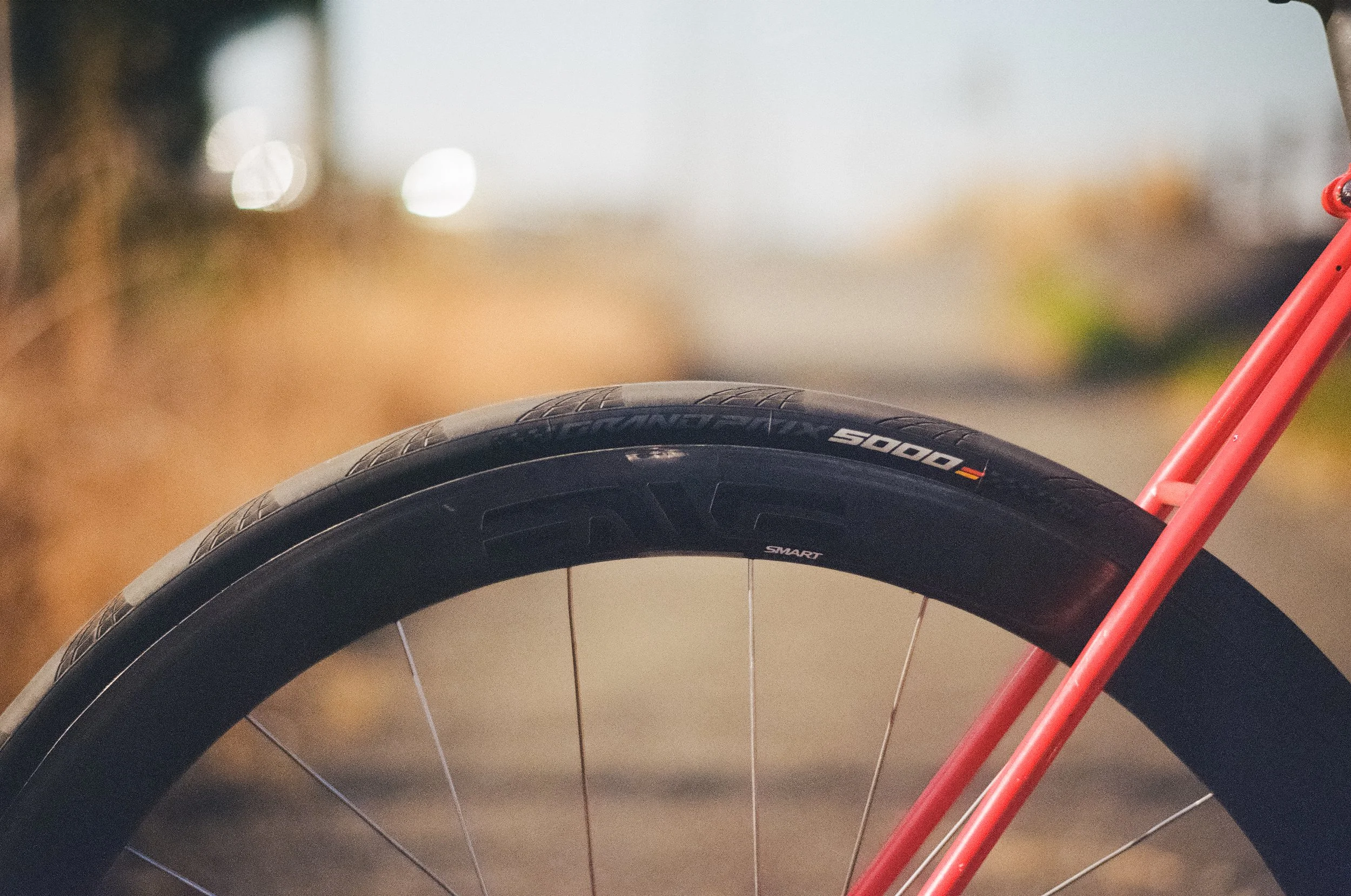
🎞: Kodak Gold 200 📷: Leica M6 by Paul
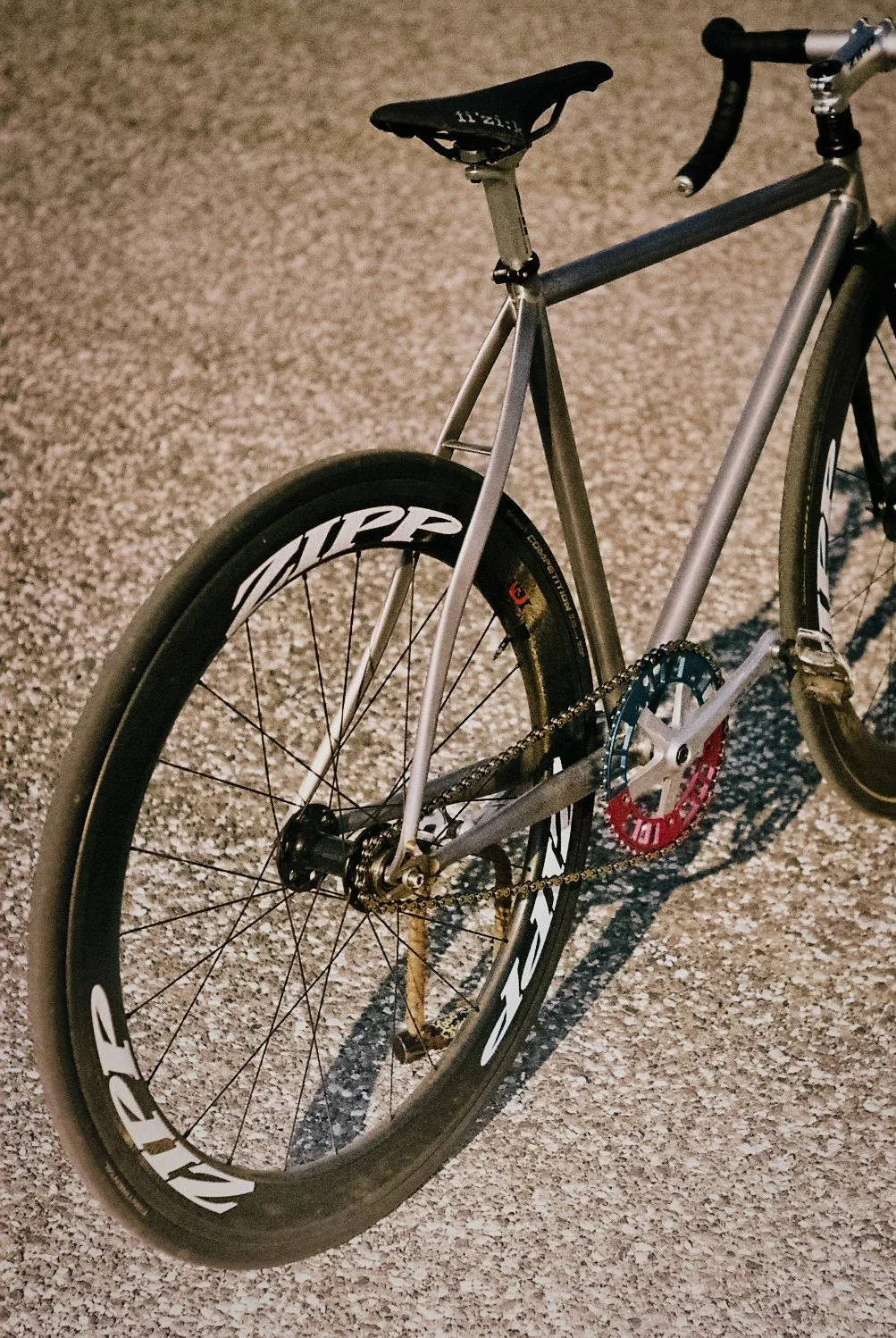
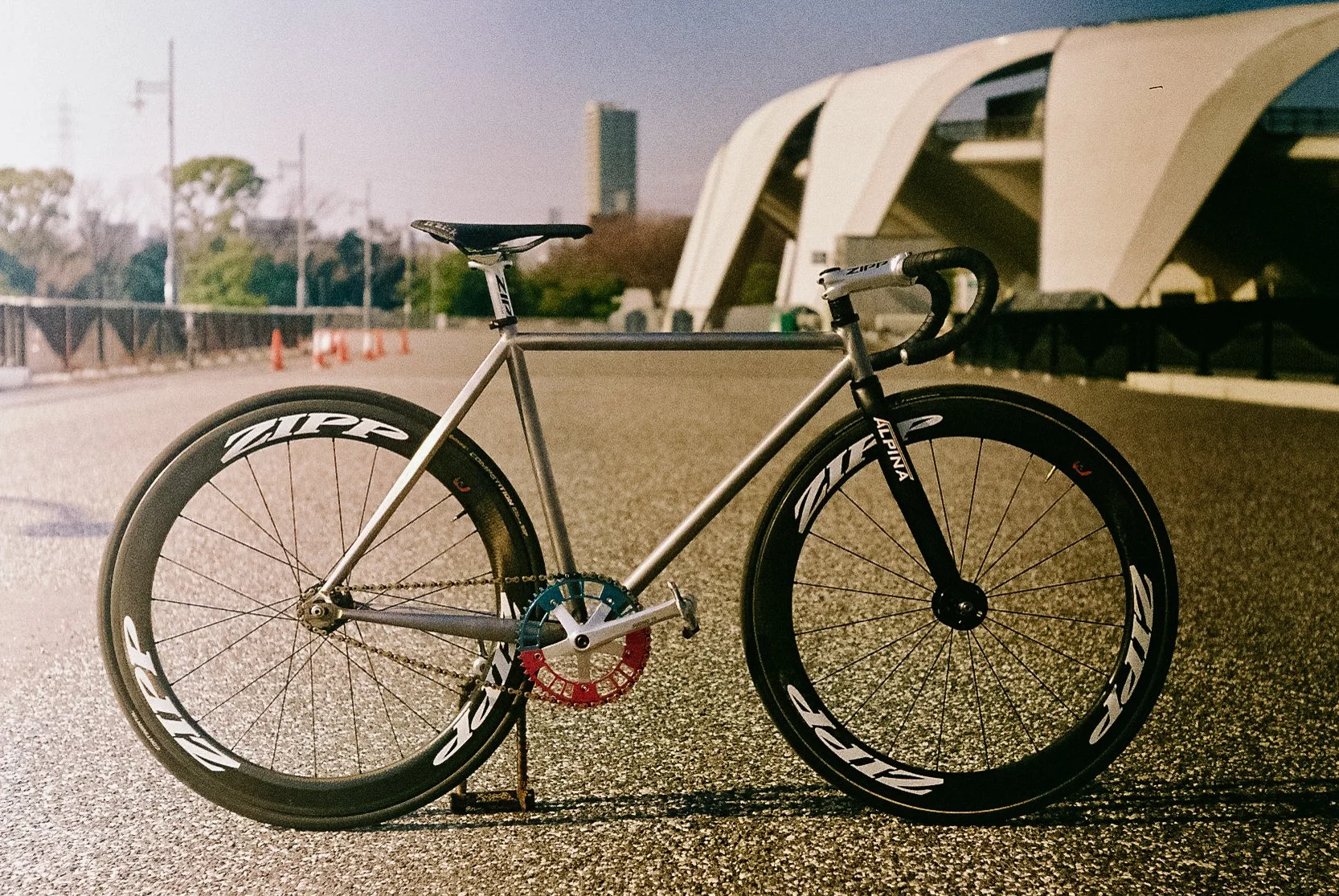
My first question was, "What could Murayama-san and Kaito have possibly thought after the completion of this initial prototype?” Yuki told me that they both felt that the bike had a real aura to it from the very beginning. It simply looked fast, purposeful, and sharp, so naturally, they were curious to see how that would translate on the road. The initial plan was to develop a second iteration of the prototype, potentially refining the tubing selection or introducing a bit more compliance in certain areas. But after the first rides, that idea apparently quickly faded.
Once fully built, everyone who got on the bike came back with the same conclusion: This was it!
Everything Yuki had asked for was already there. Nothing felt missing, and nothing felt off. Murayama-san briefly considered pushing things further by developing an internal headset version of the head tube to increase front-end rigidity, but Kaito pointed out that a well-executed 1-1/8” head tube, paired with the precise tolerances required for a Chris King headset, already delivers more than enough stiffness. At that point, it became clear that any further changes would be more about preference than necessity.
As a result, this prototype effectively became the foundation for future builds. The core of the bike will remain unchanged, while details like the head tube configuration and handling characteristics will be left open, allowing each rider to fine-tune the bike to their needs.
On the road, the experience speaks for itself. Yuki described it as the kind of ride that genuinely moves you, the kind that makes you pause and realize what you’re actually feeling beneath you. As mentioned before, everyone who tried the bike was blown away, and even when attempting to point out minor things he might tweak, it was clear that this was something else entirely. This wasn’t a case of “yes, this works.” It was closer to "This is exactly it, nothing more, nothing less.”
There was, at one point, a hint of concern from Murayama-san. As we know, ultra-rigid frames like this are rare in Keirin, even in Stratos’s own history. Only a handful have been produced, including one for the athlete Koji Murofushi, Olympic gold medalist and world champion in the hammer throw, who later experimented with keirin racing. Even a powerhouse like himself found that level of stiffness excessive.
And yet, within the context of this project, that extreme rigidity makes perfect sense. For keirin, it might be overbuilt, but for the kind of criterium-focused riding the BSBC team had in mind, it’s exactly what they were after. Paired with the custom heat-treated tubing, a blend of Kaisei Ultima 019 and Ultima R, the frame manages to be both lighter and thinner than more conventional steel setups while retaining amazing stiffness characteristics. It’s the kind of build that challenges long-held assumptions about what a steel bike can be.
In the end, it’s a bike that seems to leave a strong impression, and Yuki even suggested I should ride one myself, despite the size difference, and that I should even consider placing an order for one…
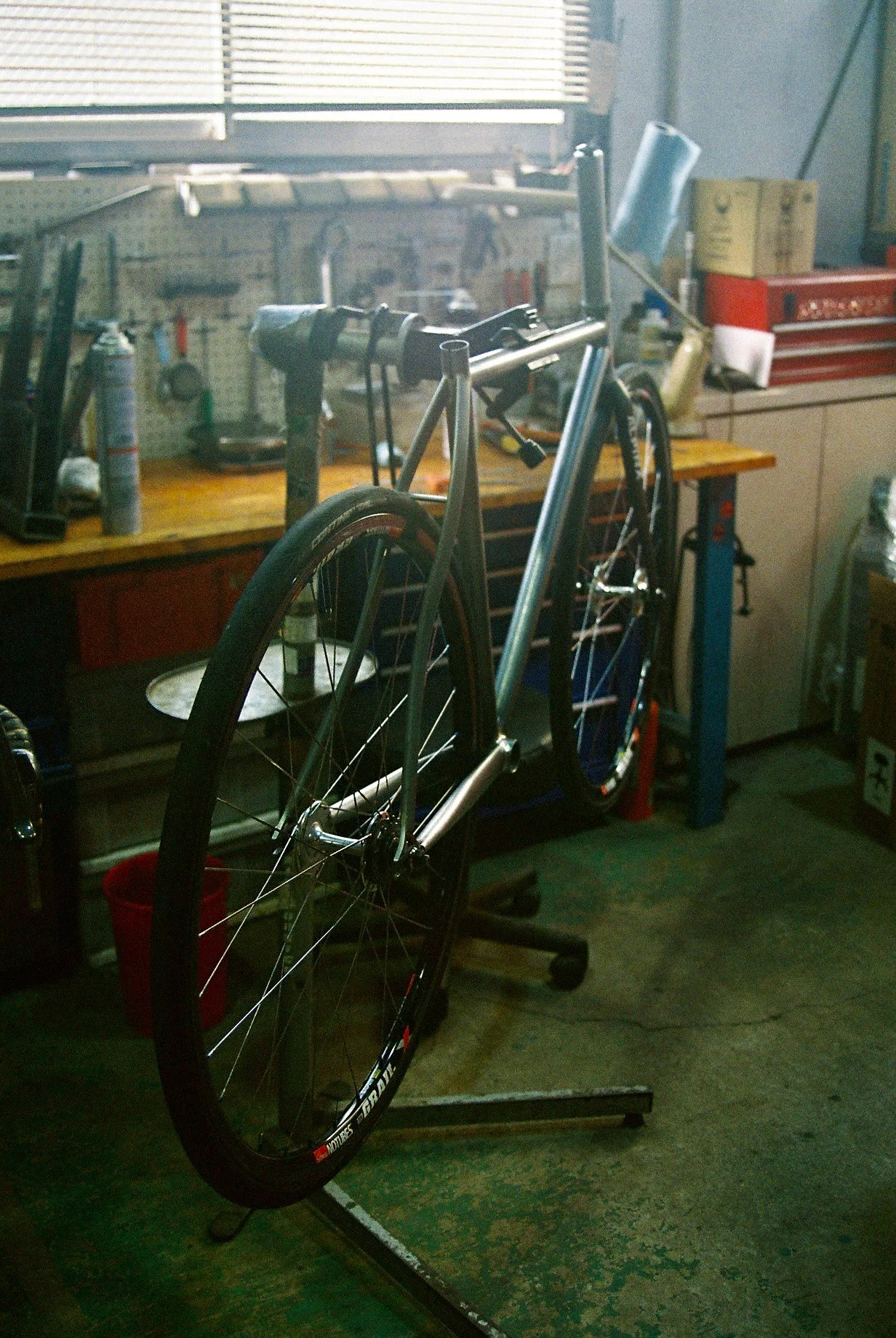
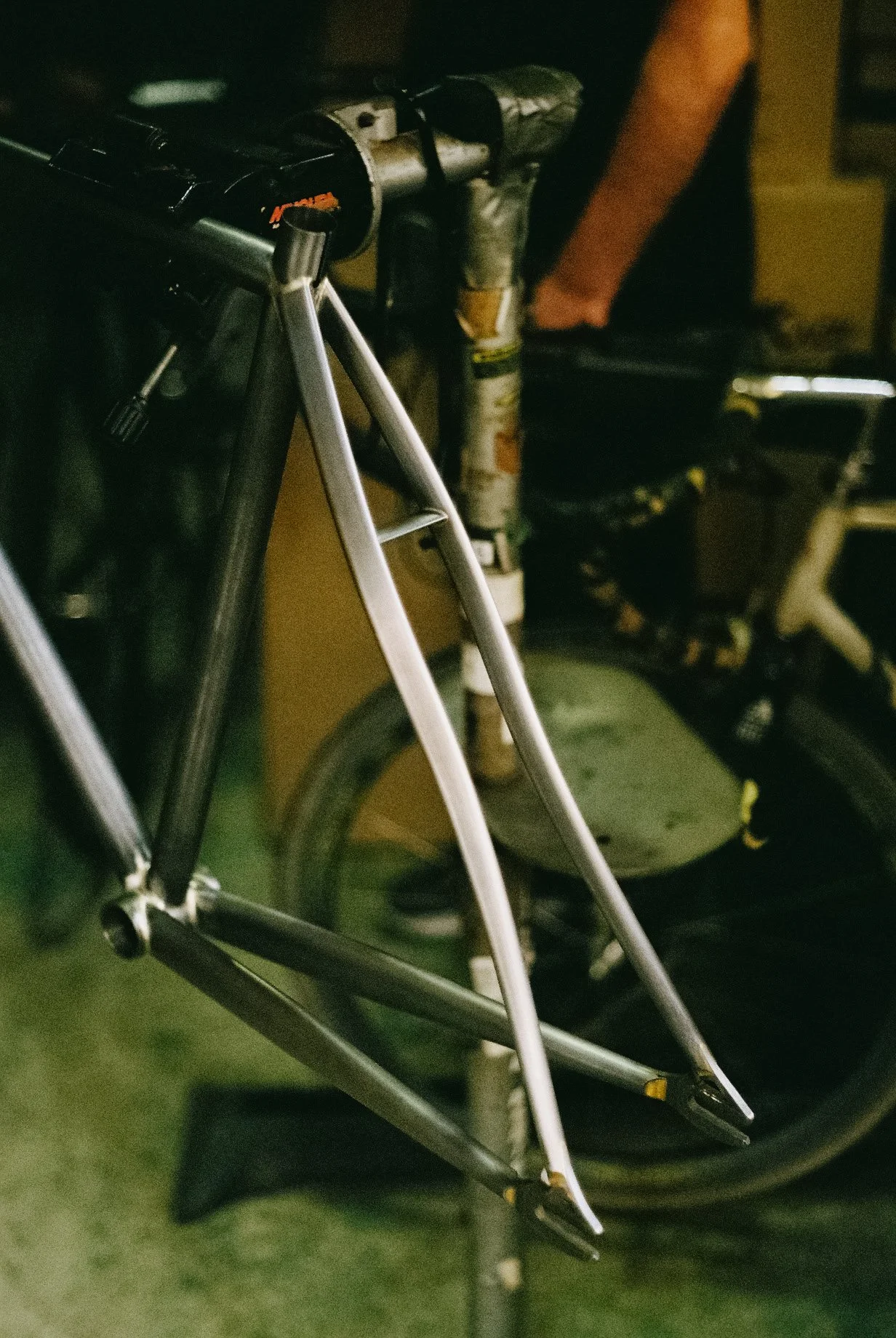
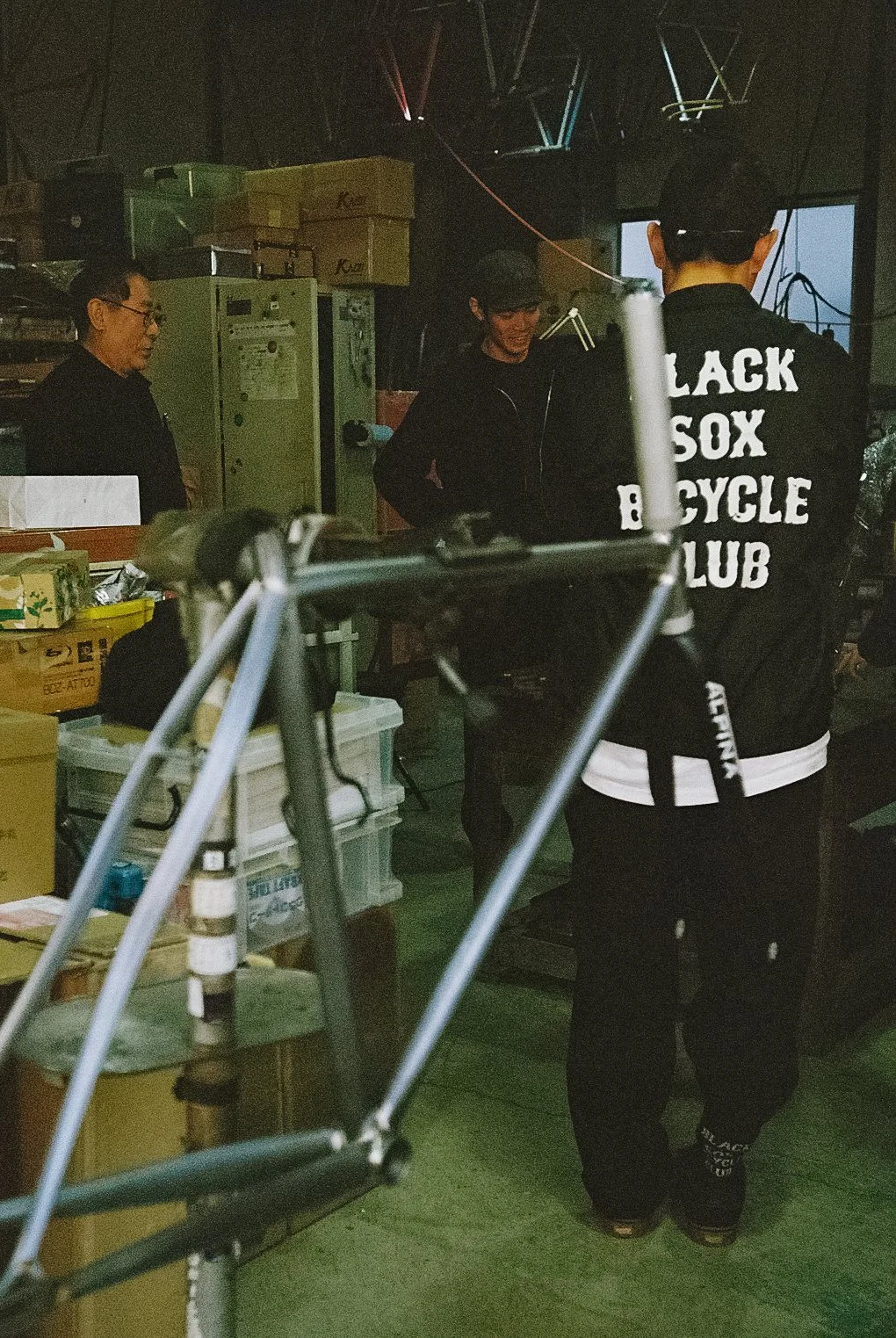
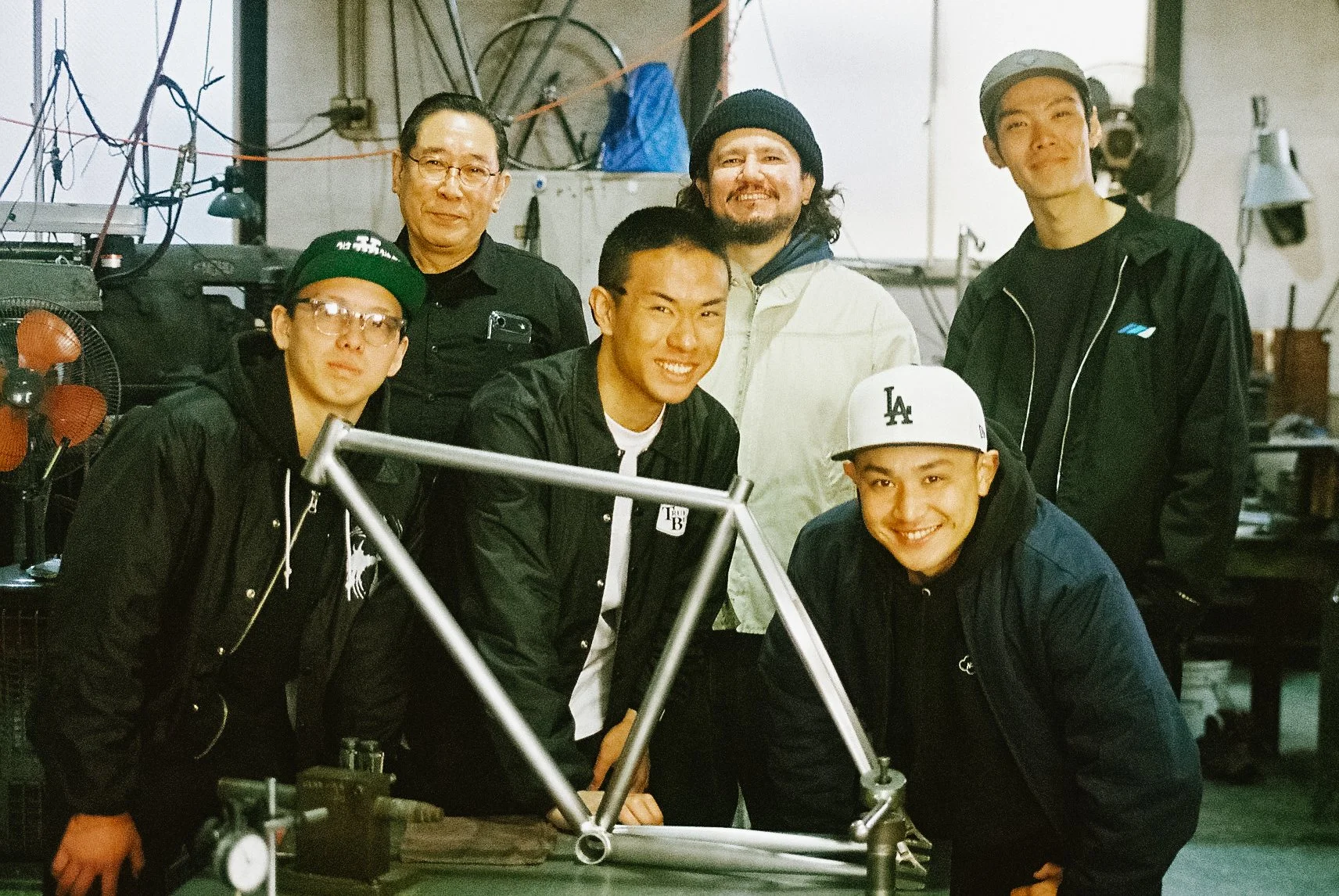
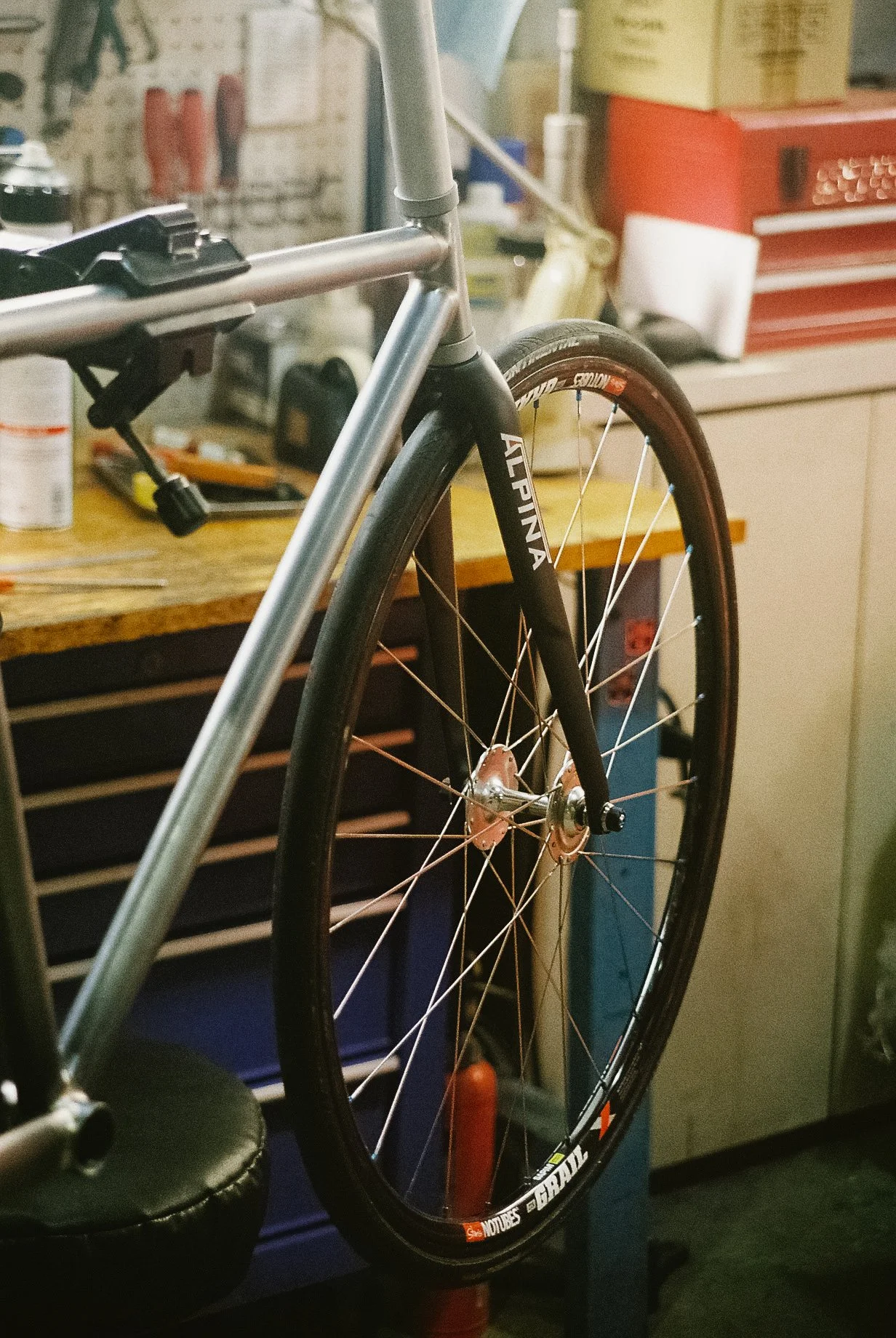
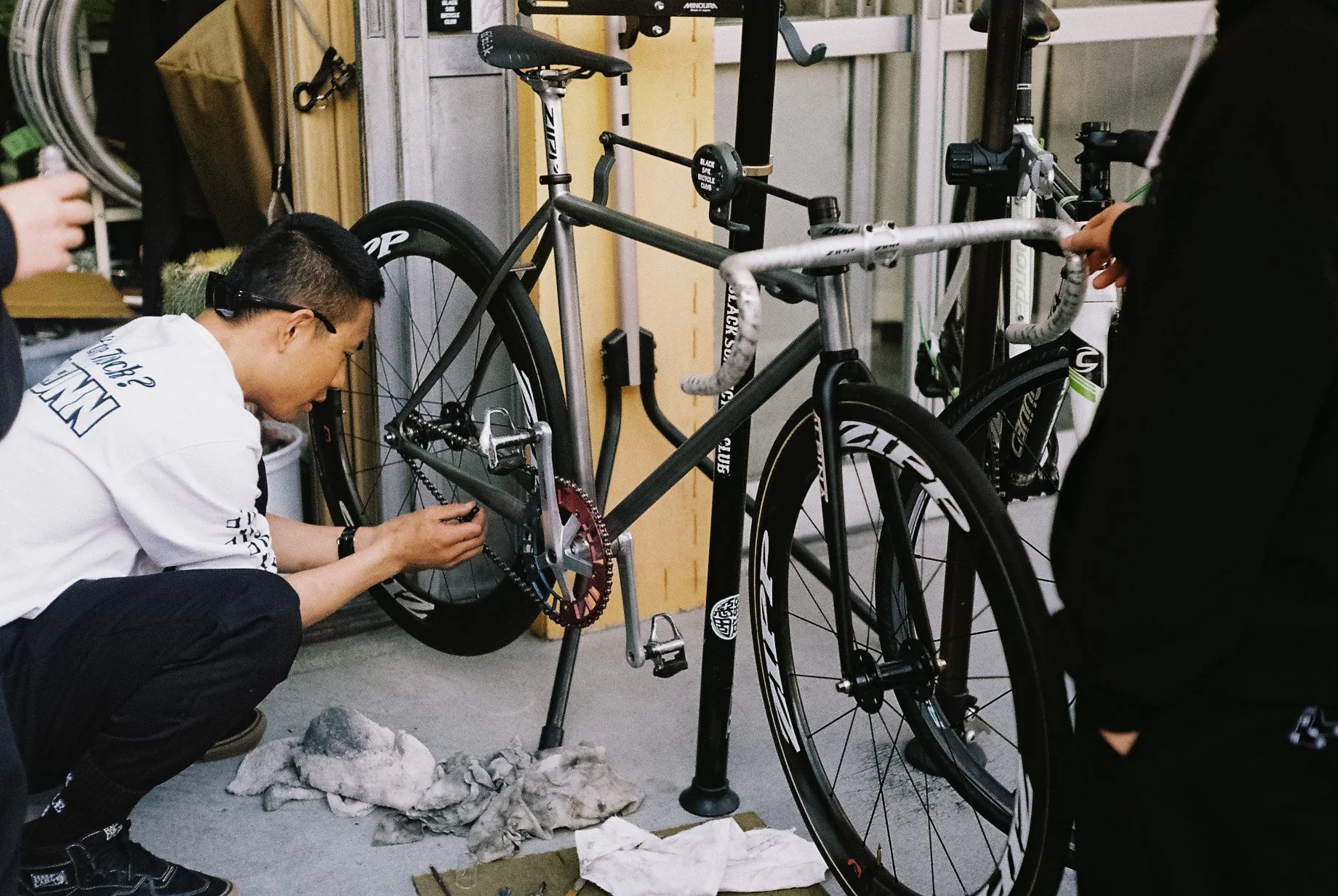
So while putting this article together, a couple of thoughts kept coming back to me.
The first is seeing a traditional keirin frame builder like Stratos take the time to step outside of its usual scope and engage in projects like this one or the Flow Lab Sunny, which I mentioned in a previous piece. Watching someone with half a century of experience willingly move beyond their comfort zone is something special. It’s rare, and honestly, I wish more builders approached their craft with that same openness.
The second is this idea of a “macro-community” operating on a very local scale. A tight group of people, riders, friends, and builders, are coming together to create something meaningful. As much as I appreciate large, international collaborations, there’s something far more compelling about working with your local scene. Yes, your local team and your local frame builder have the potential to create something deeper and more intentional than a generic team project built around whatever brand happens to offer support. Projects like this carry a different kind of weight, as there’s a true mutual investment.
I happened to be close to Stratos and BSBC, which is why I was able to document this story. But the reality is, this kind of project isn’t unique to Japan. It could just as easily happen within the European or American cycling scenes. The ingredients are already there; it’s just up to you and your close circle to make it happen.
And maybe that’s the final point worth making. Even if Slow Spin Society might appear global or outward-looking, it’s actually built on stories like this. Small, local initiatives that quietly shape our culture from the ground up. That’s what made fixed gear what it is today: rich, layered, and full of history. And documenting these grassroots projects is still easily one of the most meaningful parts of doing this.
Now we wait for paint…
📸: @ray_aka_m3lo
🎞: Kodak Gold 200
📷: Nikon S4 / Canon AE-1 / Yashica Electro 35CC
📍: Tokyo