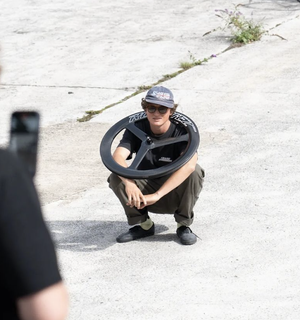
Cutting-Edge Cycling Tech, Built by Hand: Inside GOOSYNN
A few weeks ago, we shared some footage from the factory tour we did with GOOSYNN in Xiamen, China. Even though that short video gave you a bit of context, there’s still a lot more to say if you want to dive a little deeper. So take this article as a closer look at the manufacturing of a very niche product, but also as my personal impression of GOOSYNN as a brand and of their rope spoke technology.
Let’s dive into one of the main questions I had, something simple yet kind of important in my opinion: why GOOSYNN? When it comes to Chinese brands, names can sometimes sound a little unusual, and even if GOOSYNN doesn’t feel completely out of place, I was still curious about where it came from. As you probably saw in the video, GOOSYNN has been in business for almost two decades, first and mainly manufacturing hubs for other brands. The name GOOSYNN comes from “Gu Shen” in Mandarin. “Gu” refers to the hub, and “Sheng” refers to the sound. Simply put, it means “the sound of the hub.” It’s a pretty straightforward explanation, and… Yes I’m satisfied with that!
The founder of the company used to work as a machinist and later moved into engineering carbon spokes for other brands. One day, he got his hands on a BERD spoke and was so impressed by the technology that he decided to see whether he could replicate it himself. What he did not expect was that calculating the correct spoke length and tension would be so difficult that it would take more than two years of testing before the product became viable.
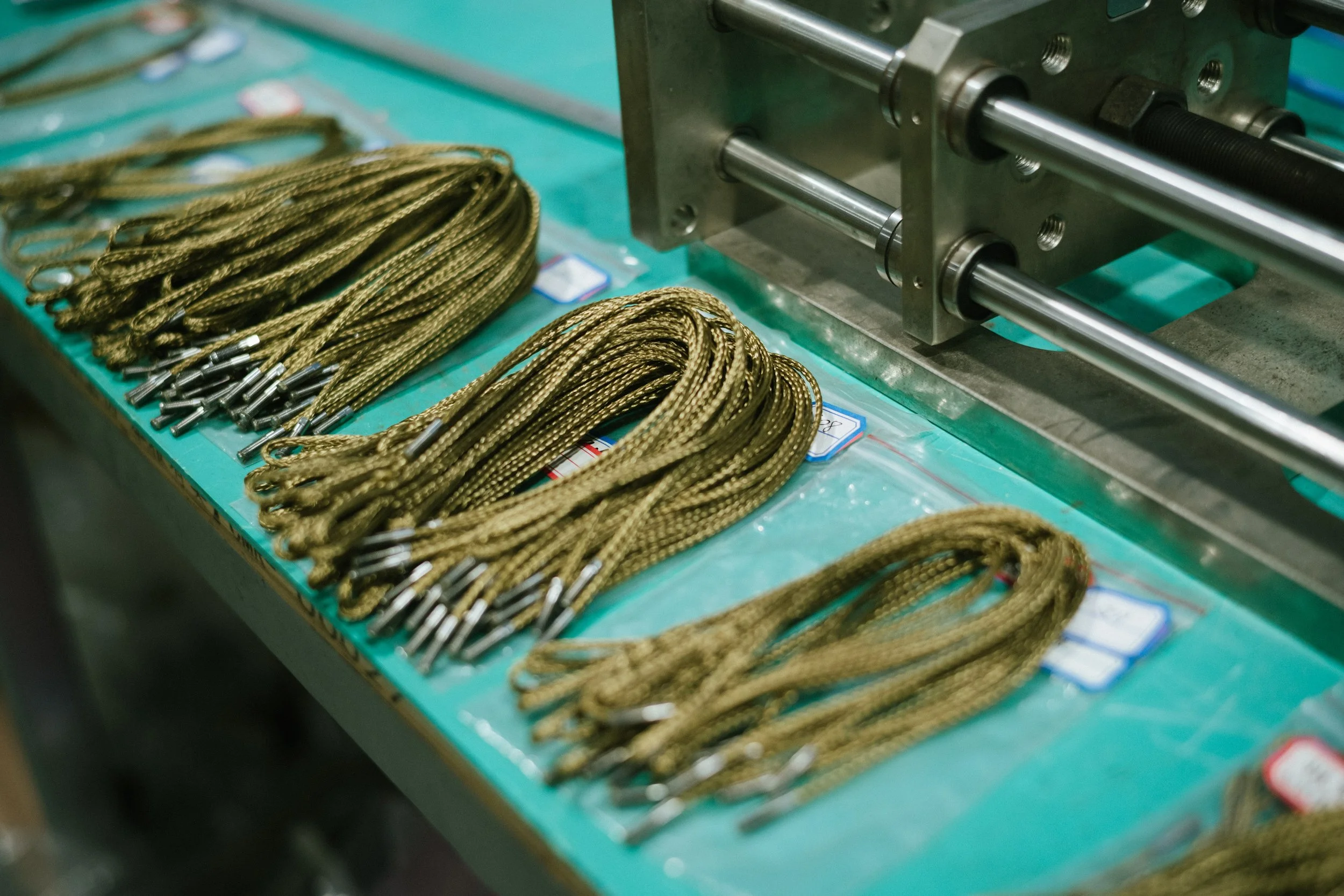
One of the other major challenges he faced was the connection between the fiber spoke and the titanium nipple. For that, GOOSYNN developed its own mortise-and-tenon technique, inspired by traditional Chinese craftsmanship. Removing in the process any need for glue or epoxy to bond the fiber and titanium parts. Just pure design, engineering, and well-thought-out design. The process is so complex that it requires nearly one ton of pressure to assemble a single spoke. And with 12 strands per spoke, 2000 fibers per strand, and a total of 24,000 fibers per spoke, it’s clear this is a highly intricate process that, even we, only got a small glimpse of since the company was understandably very protective of their technology.
Another question I had was about the golden tint of the spokes. And as I expected, it is not a cosmetic choice. That golden shade comes from the aramid fiber woven into the spoke structure. This material is used to help control stretch, improve dimensional stability, and maintain consistent performance under load. GOOSYNN also tested other high-performance fibers, including Dyneema and PBO, but aramid proved to be the best overall fit for this application because it offered the right balance of strength, stability, and ride behavior. Durability was also an obvious concern, and their testing showed that they could maintain stable spoke tension for 18 months, compared with only 3 months for a Dyneema spoke. In short, you won’t need to retension your wheels four times a year. Fun fact: a single spoke can hold up to 600 kg, which is pretty impressive.
If black spokes are more your style, that can be done too. But first, why hide all that beautiful fiber? And second, they would need to dye each spoke individually after the wheels are built and trued. Because if they did it beforehand, the result would look messy, with patches of yellow-gold showing through the black. since the spoke settles and stretches a little during the building process.
What about the rims? As I mentioned in my video, the GOOSYNN rims are specifically reinforced because each spoke carries more than 150 kg of tension. Both the hub and rim factory, as well as the office and the spoke production facility, are all in the same city, and GOOSYNN is very proud that everything is made under the same “roof”. With a total of 40 people working there, including 10 in the office alone, the company gave me much more of a family feeling than the image of a giant, impersonal corporation.
Finally, what about my experience with the wheels overall? Well, pretty good! And the slight tradeoff in performance and rigidity that comes with added comfort has been more than worth it in my case. I could go on about testing the wheels, riding them in different conditions, and sharing more technical numbers, but in the end it comes down to this: What GOOSYNN is doing is pretty much cutting-edge cycling technology. They were not afraid to say that Ti-Fi system is a challenge to manufacture, and that they are constantly working to improve it, especially the lateral stiffness, which still has some catching up to do compared with wheels built with classic steel or carbon spokes. Still, the goal is clear: to keep innovating and create a product you won’t find anywhere else.
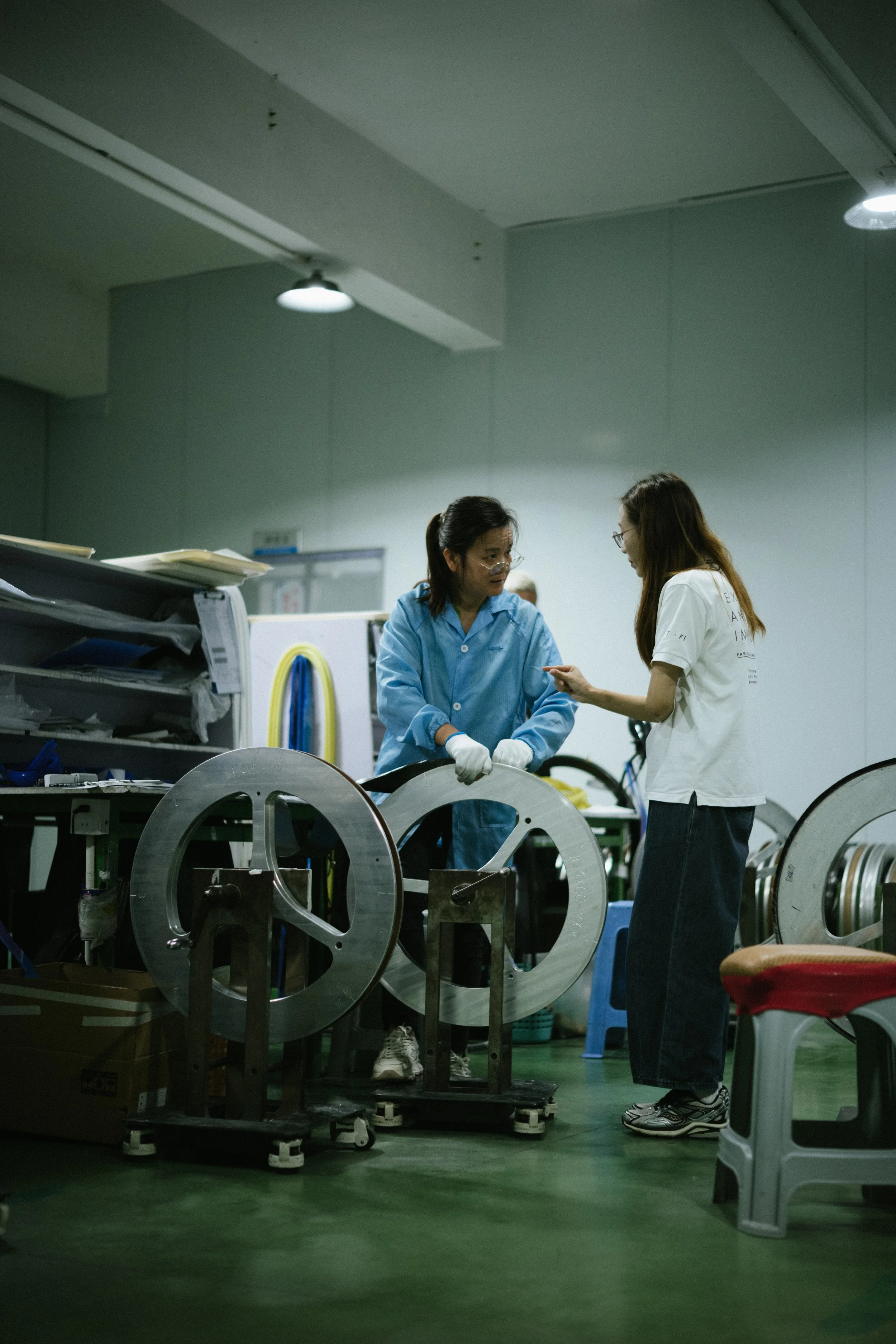
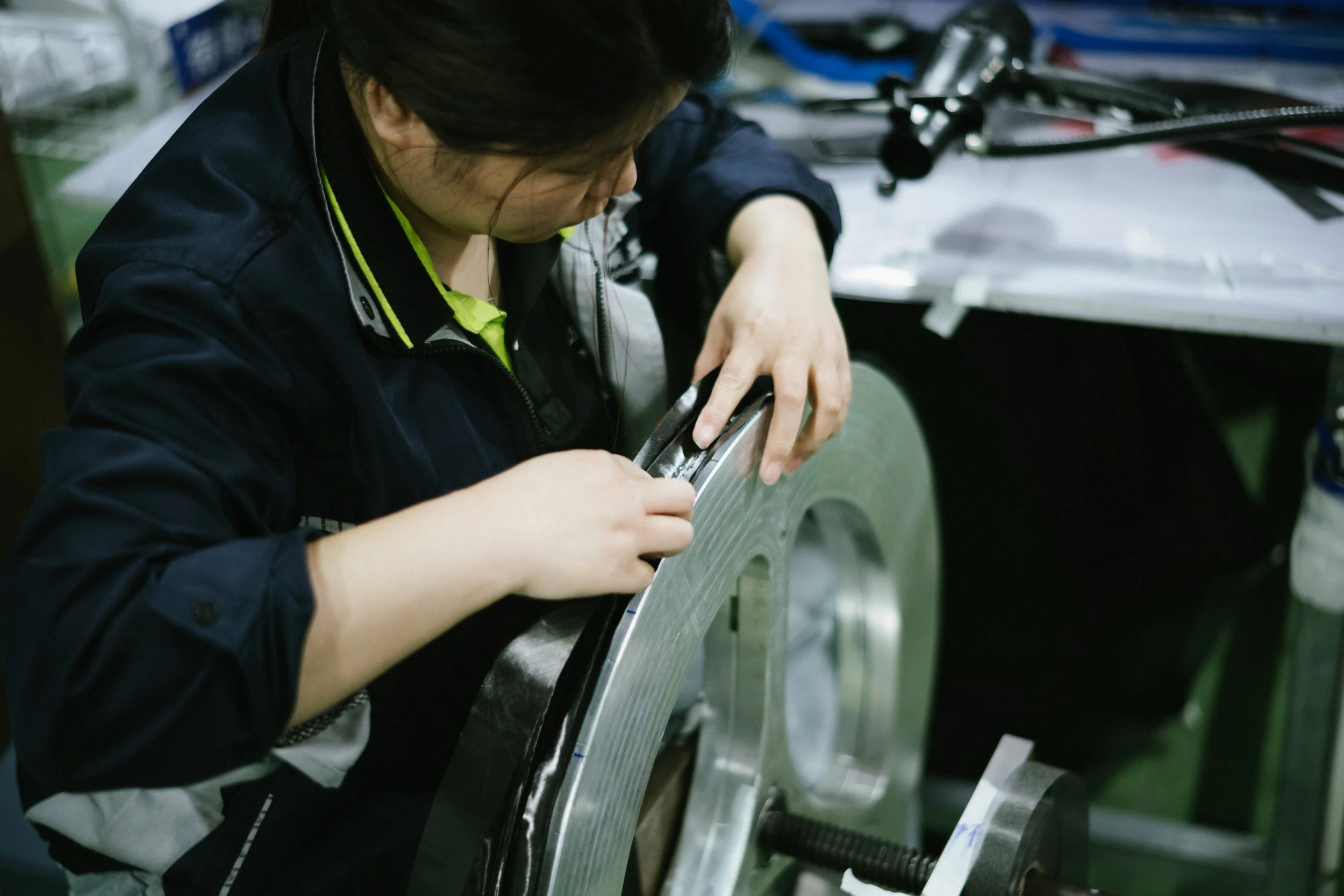
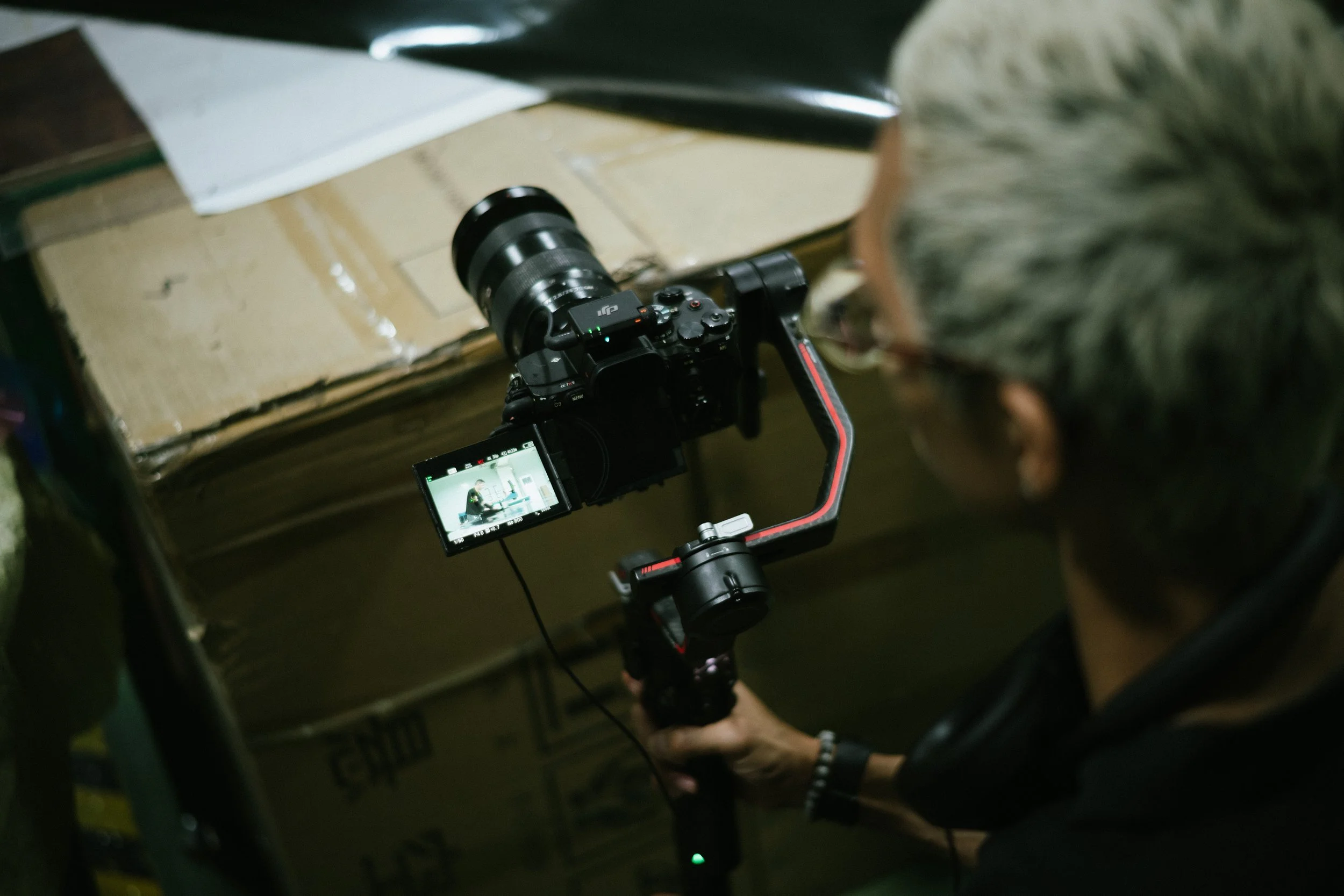
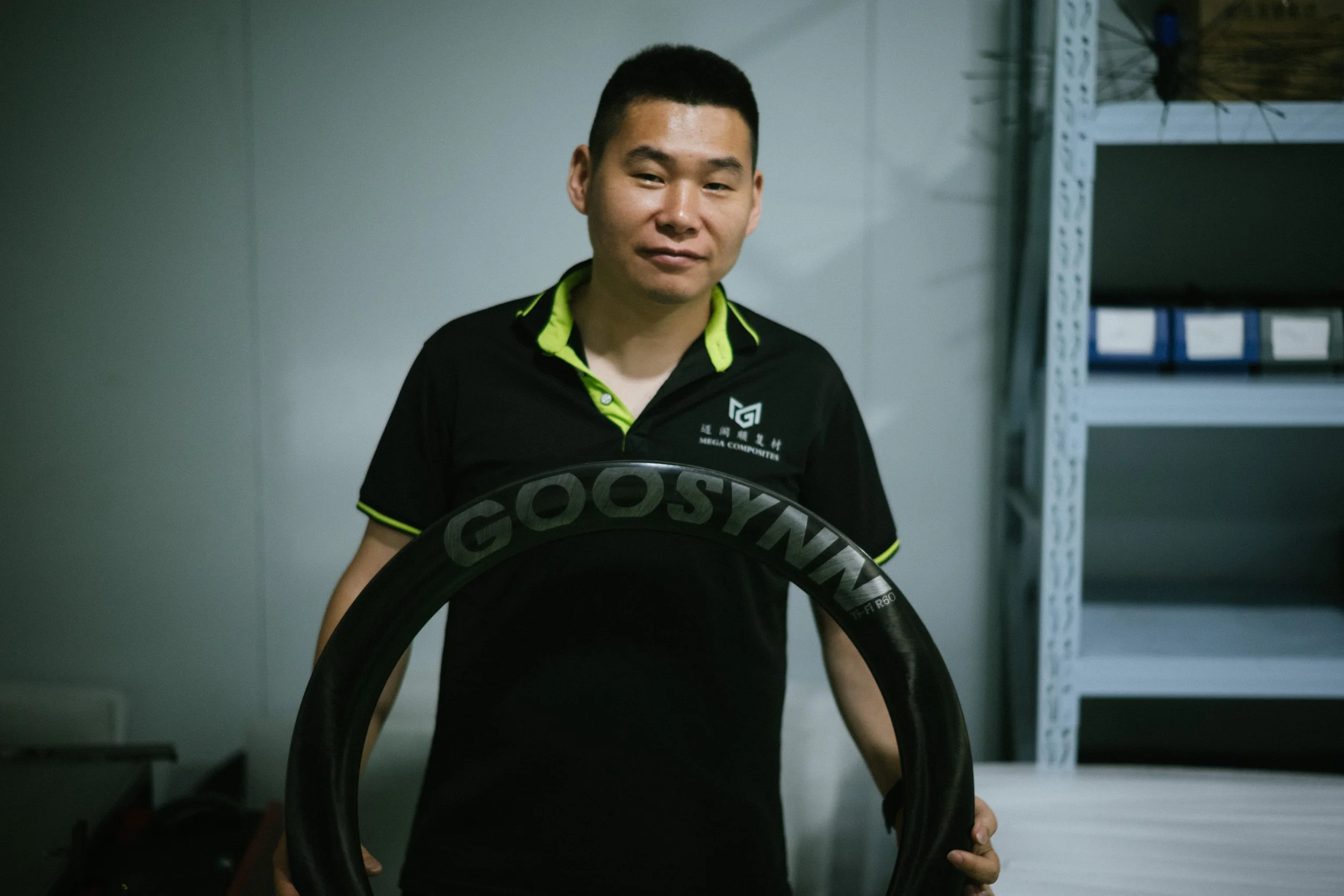
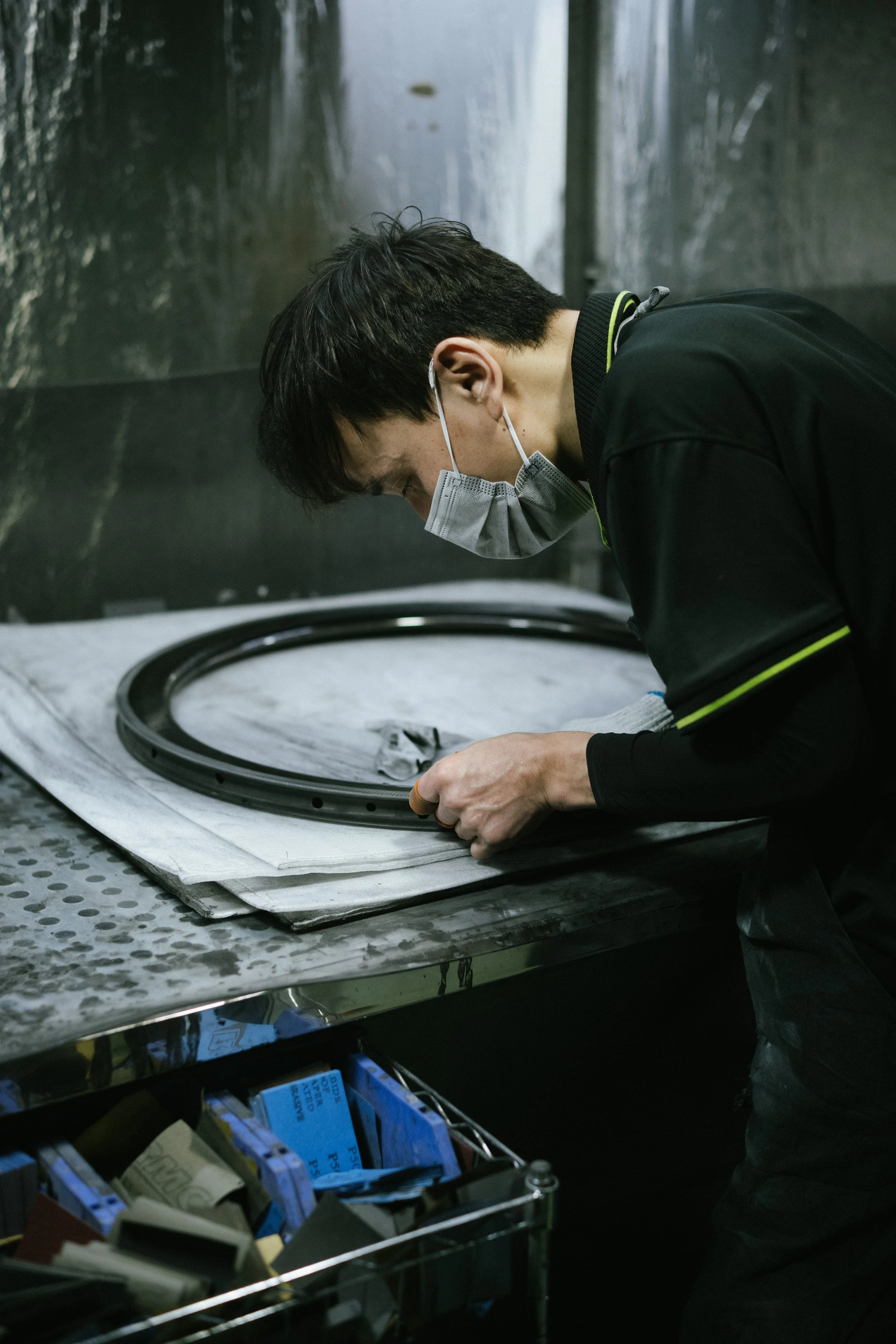
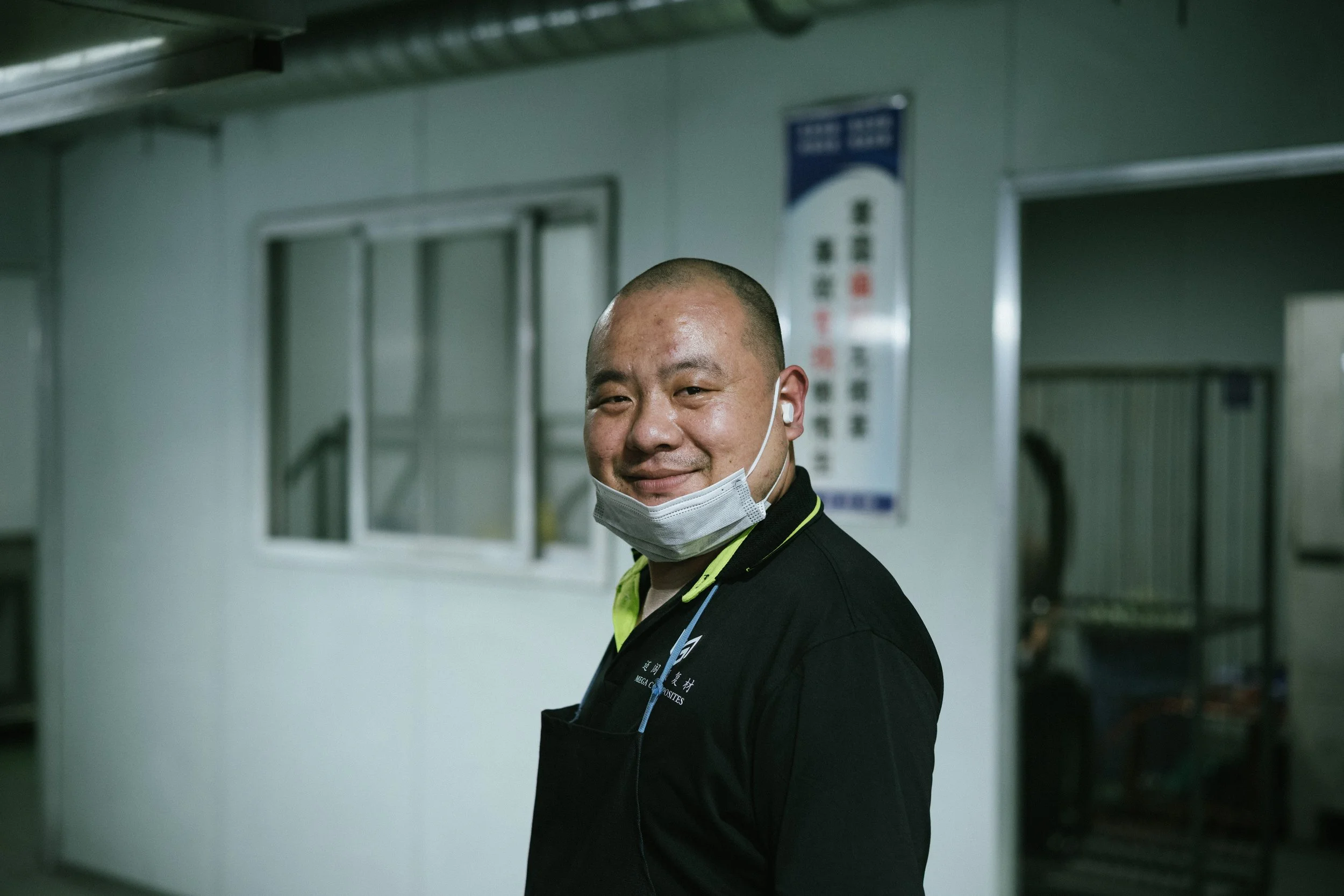
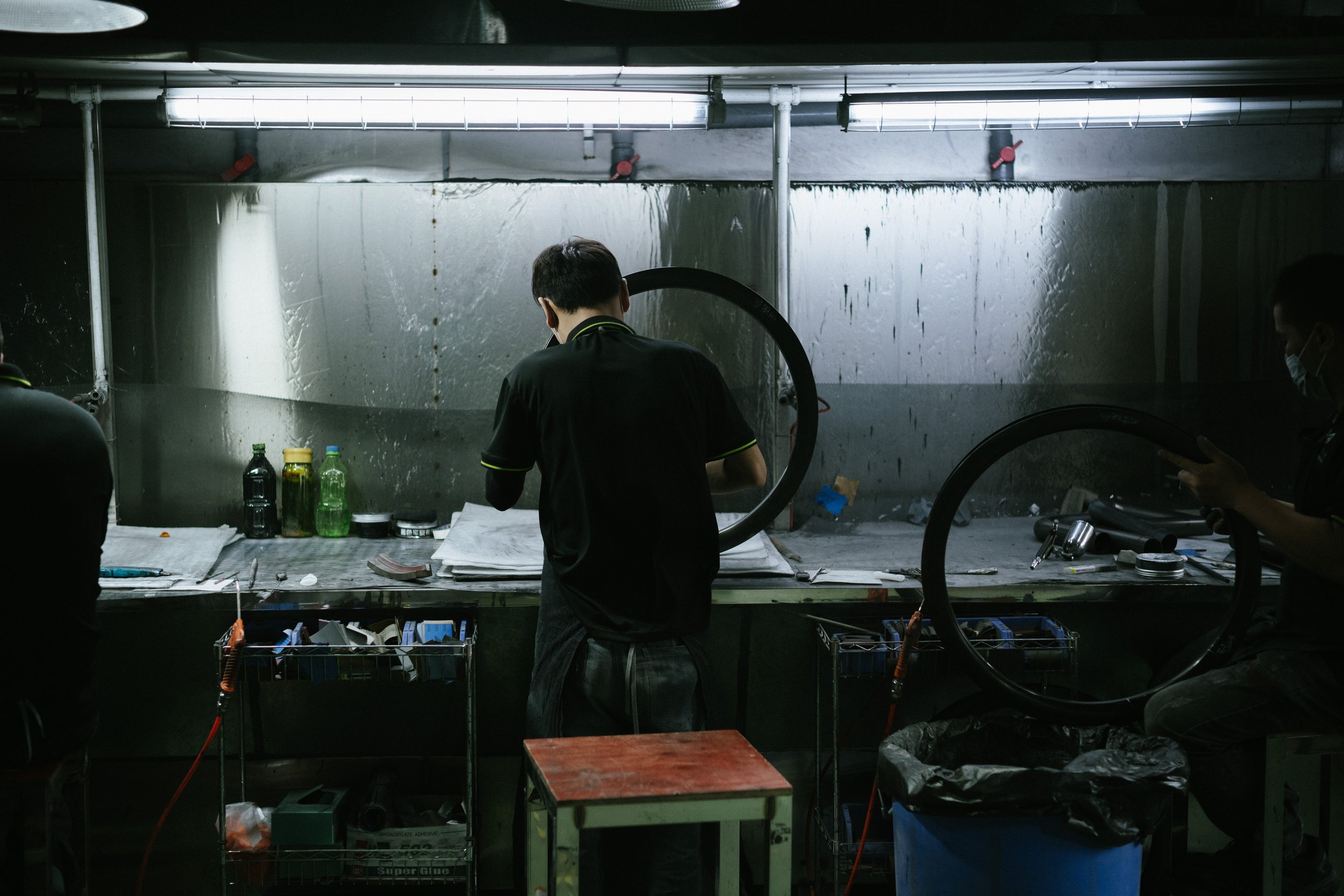
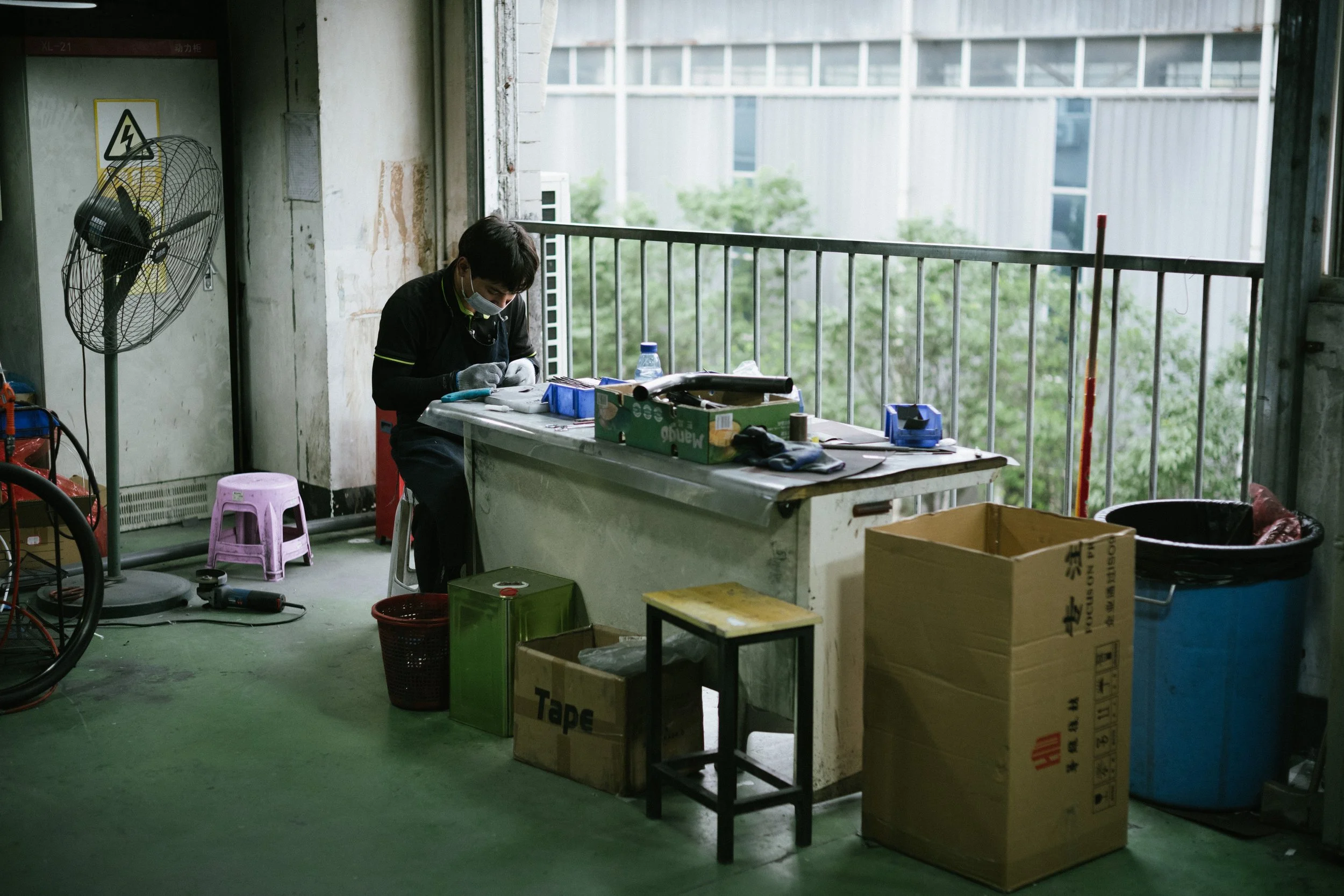
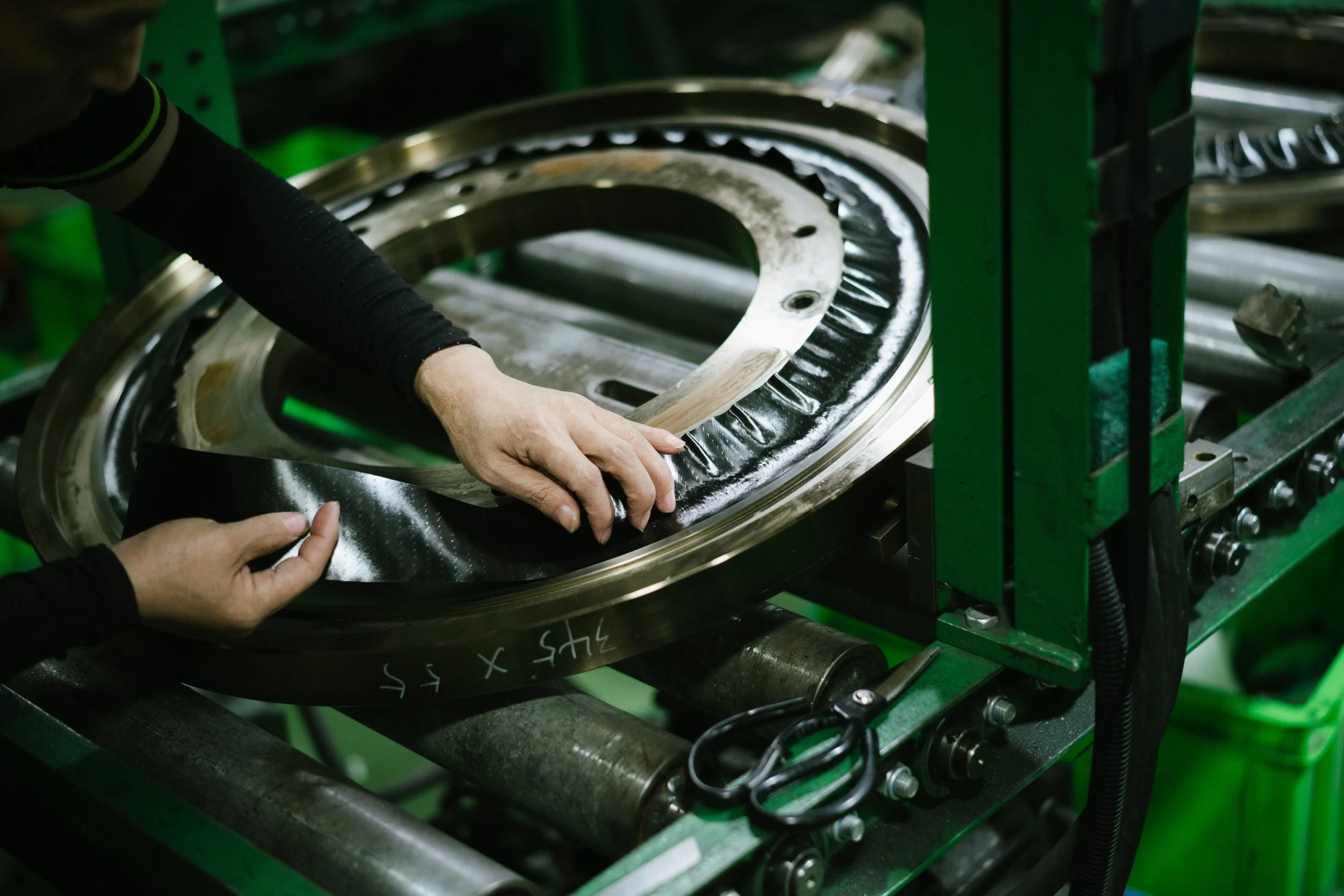
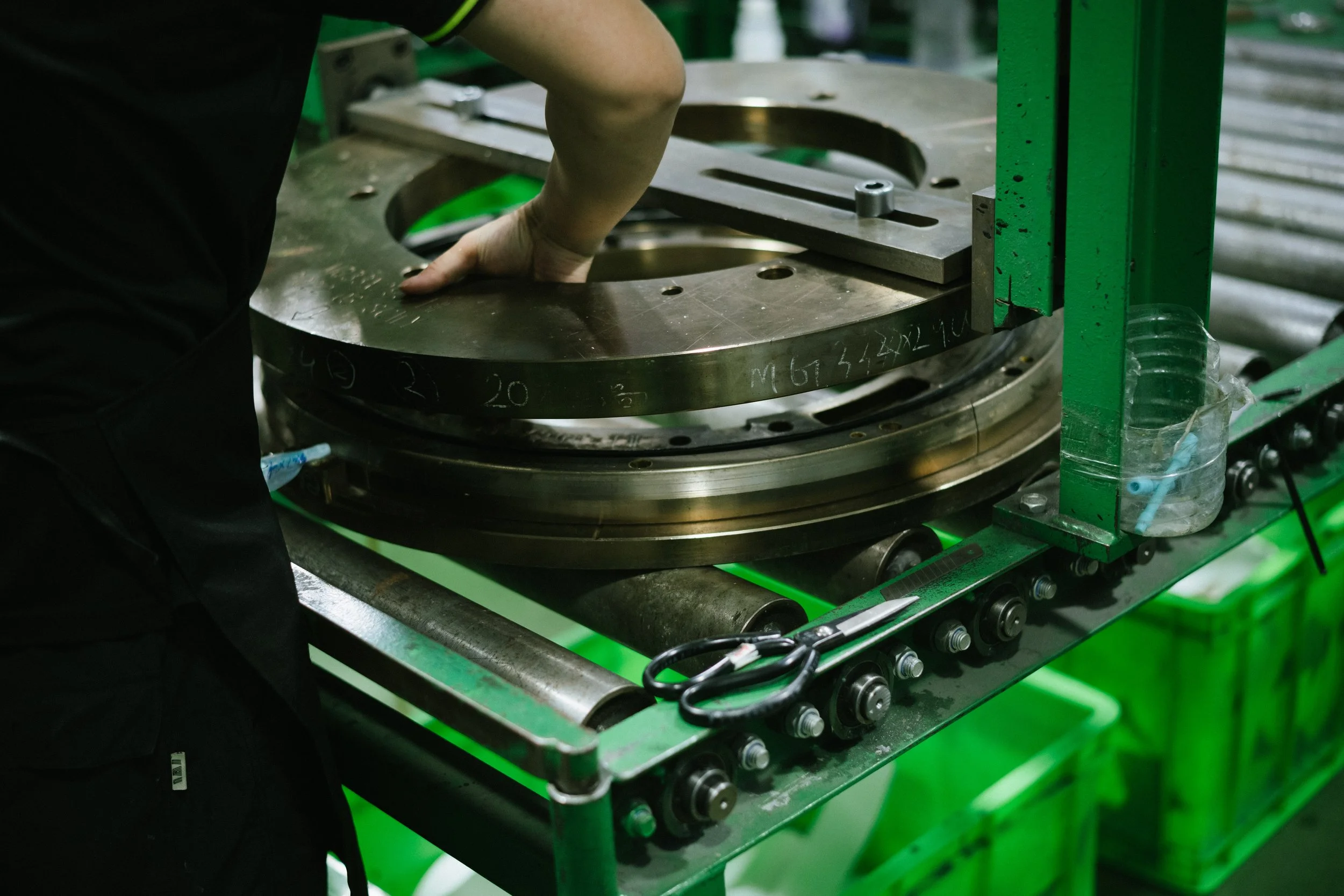
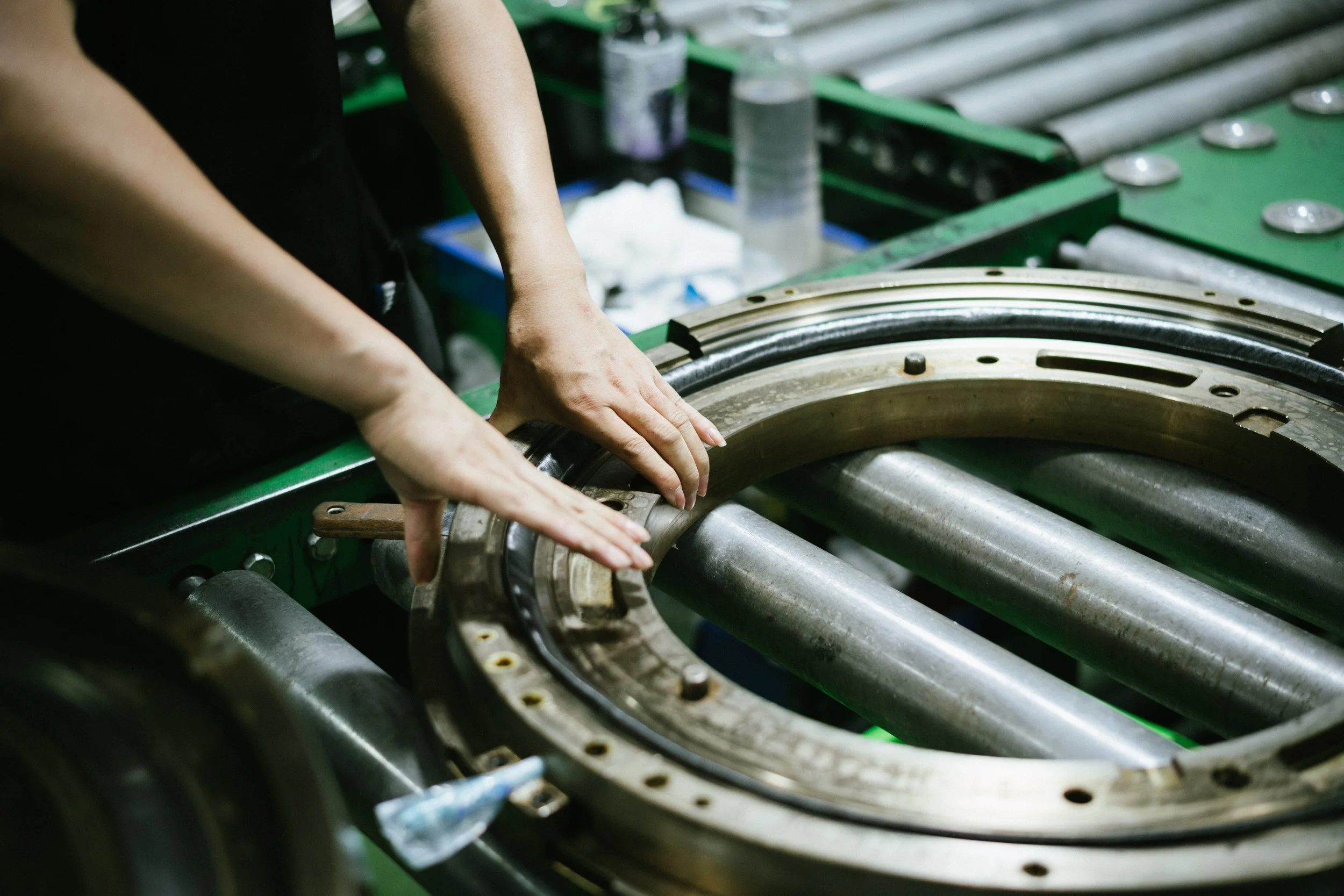
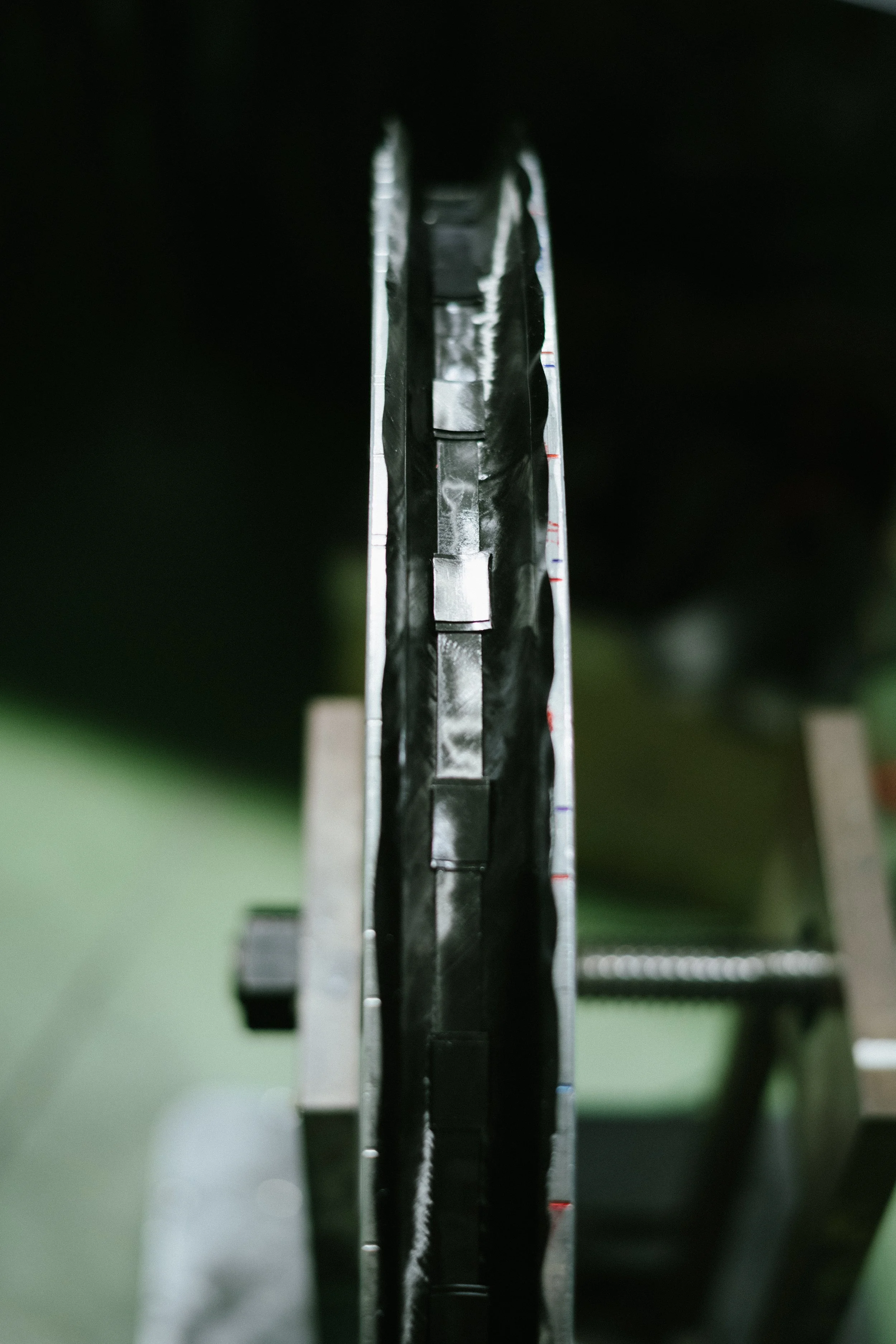
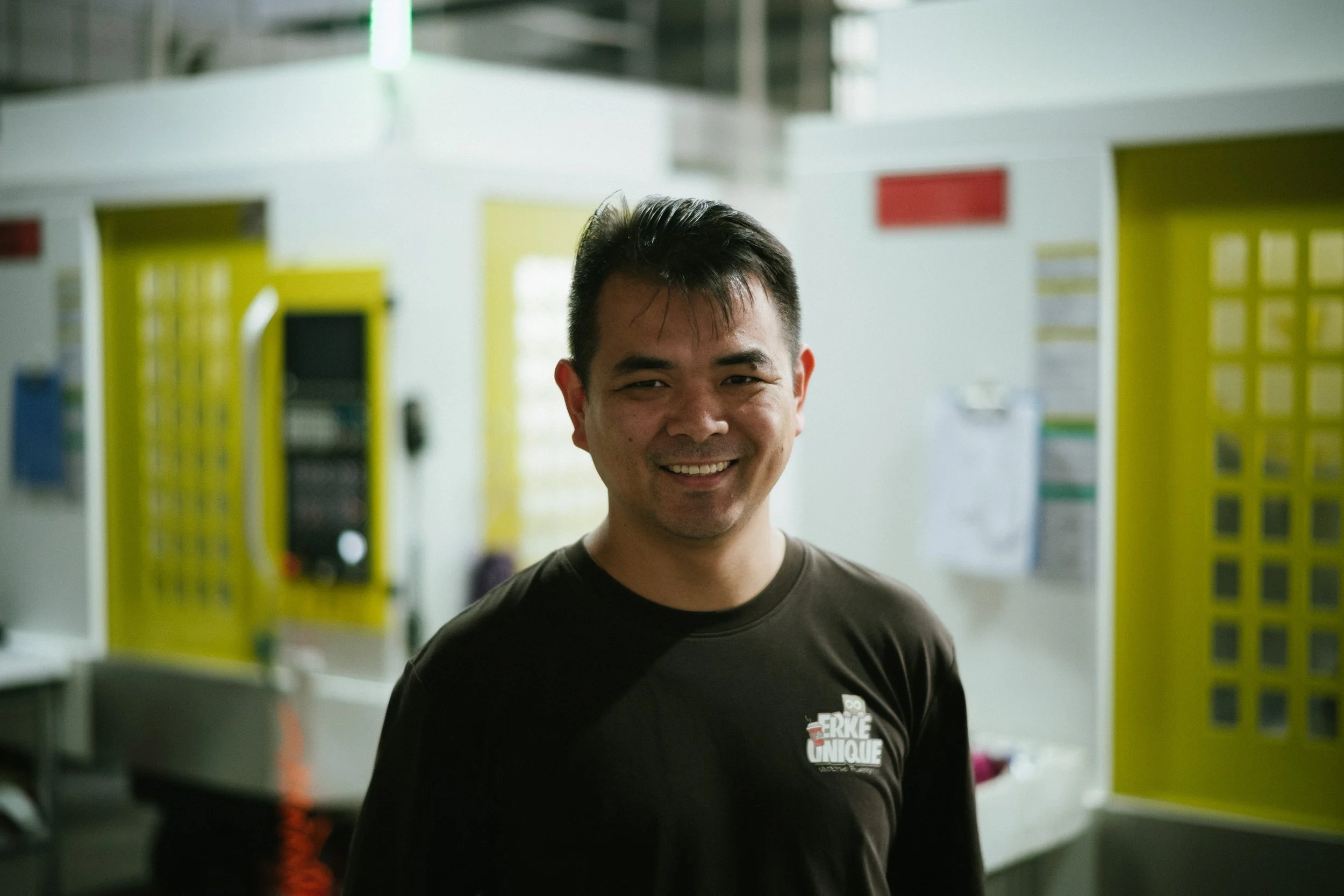
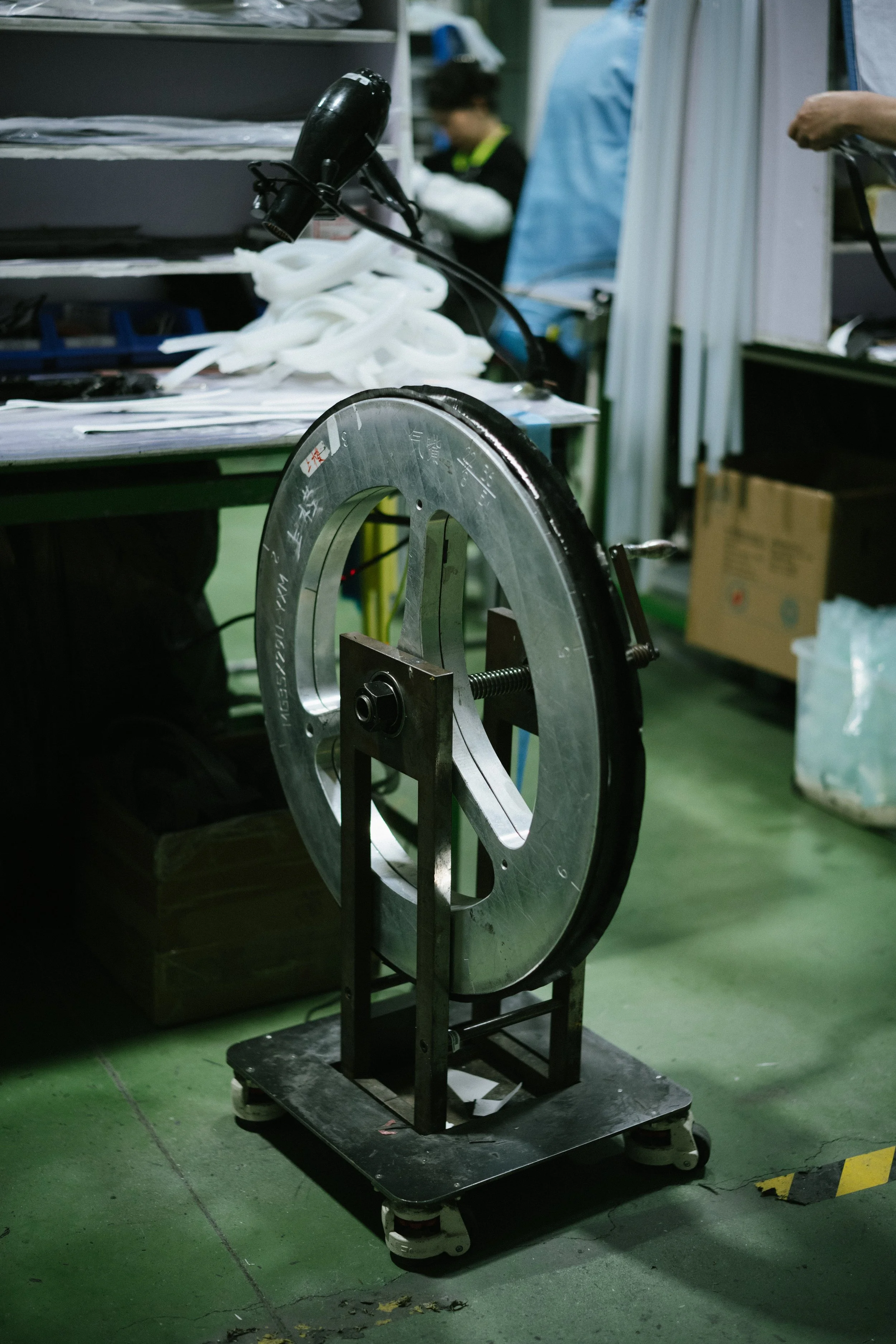
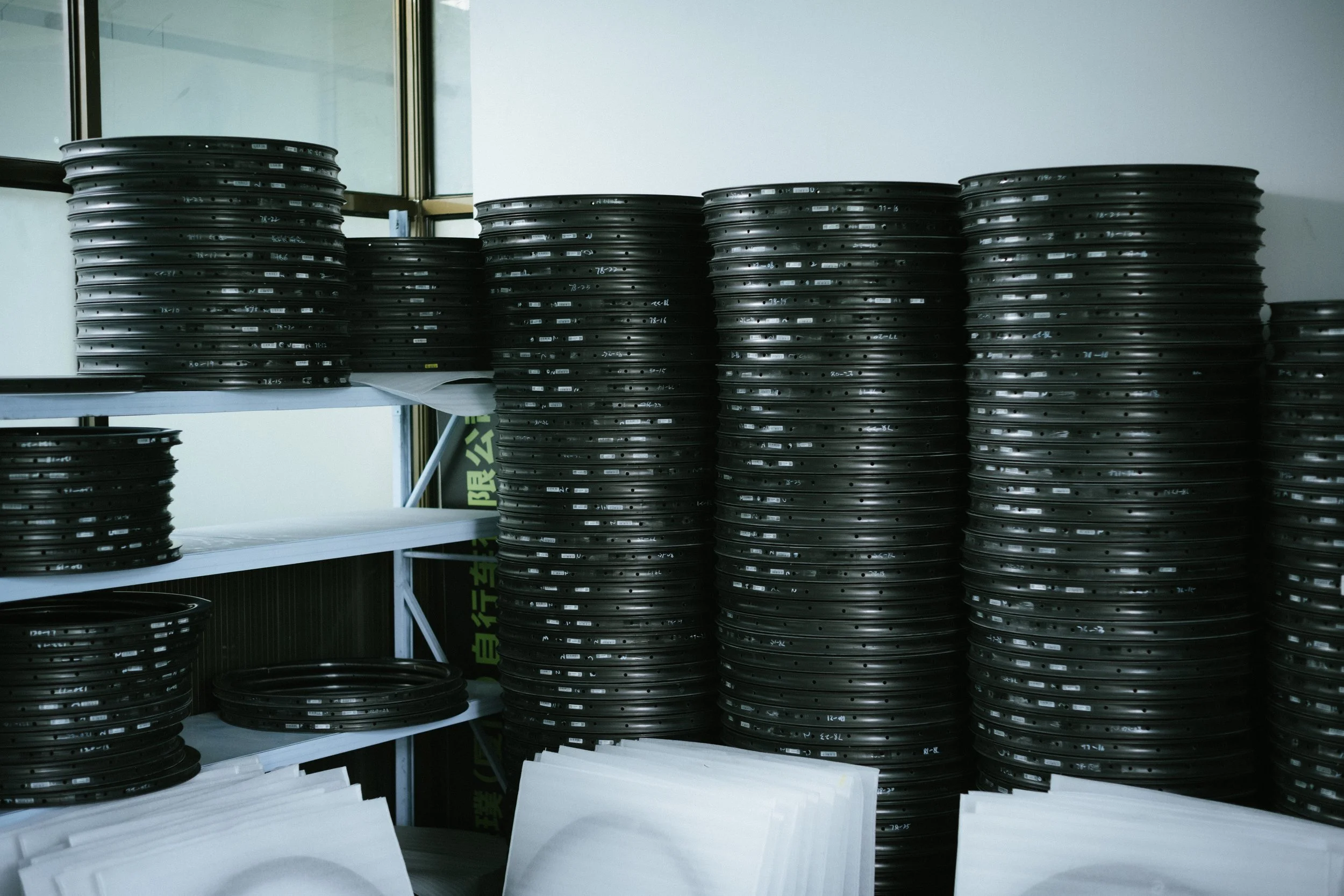
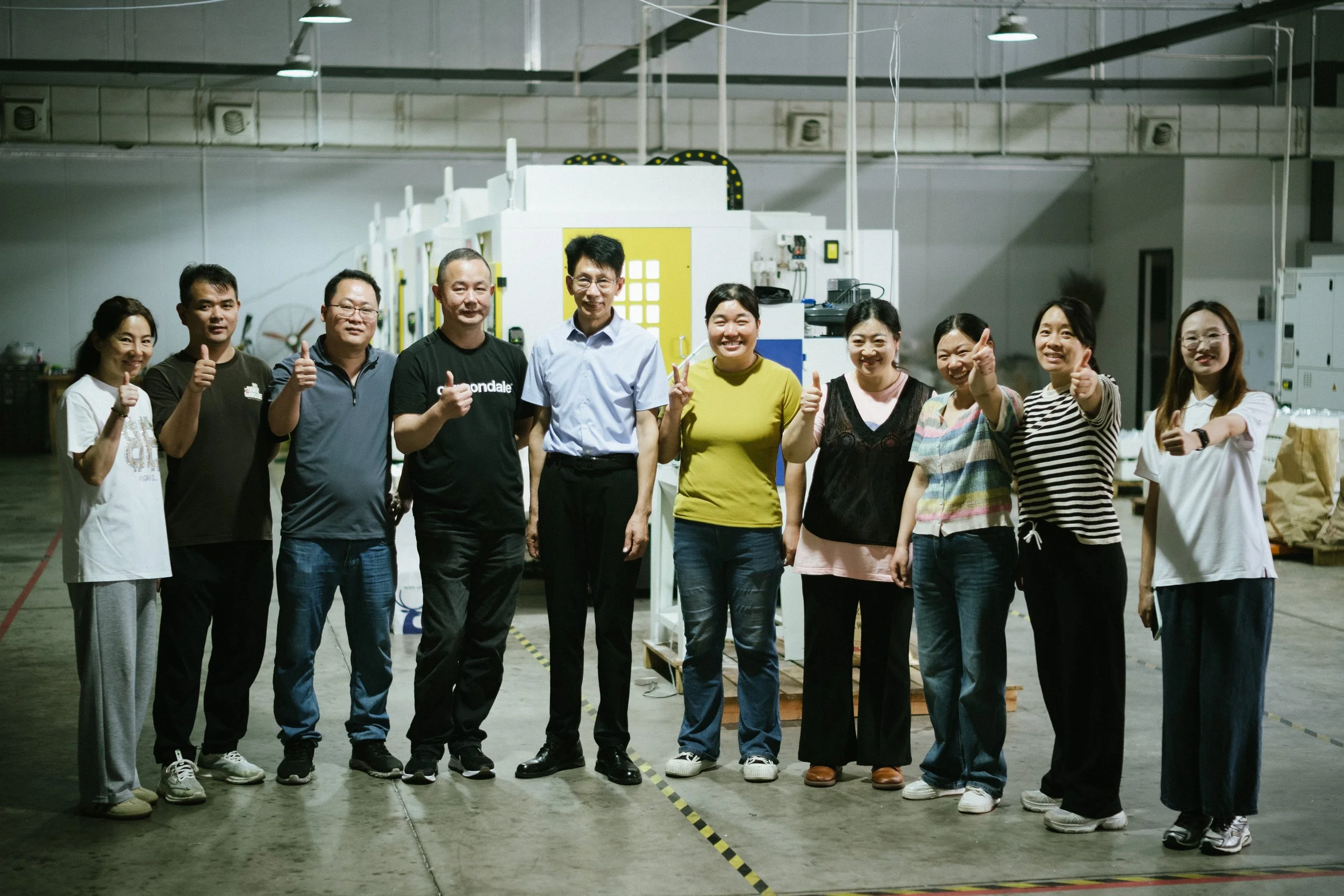
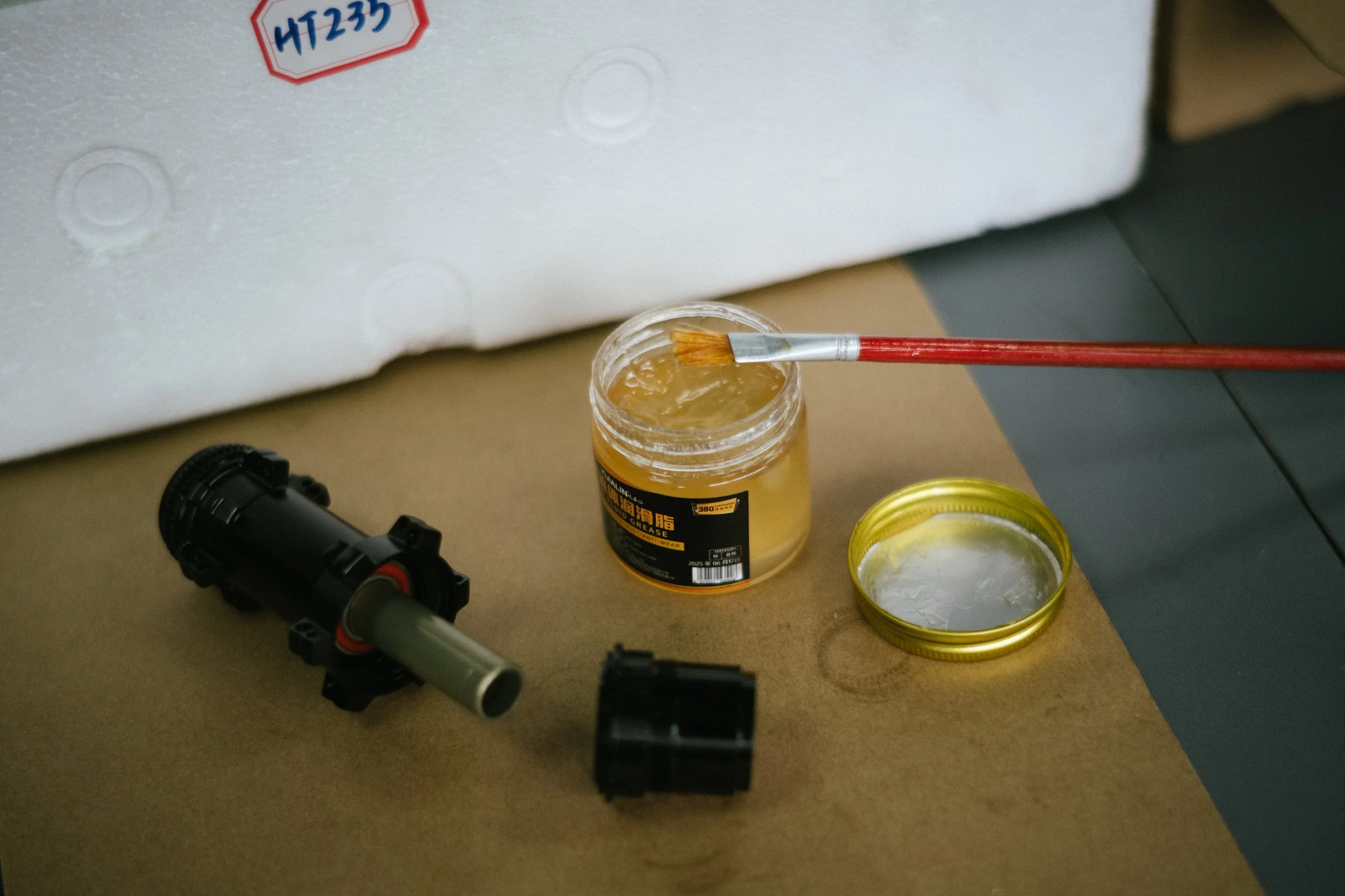
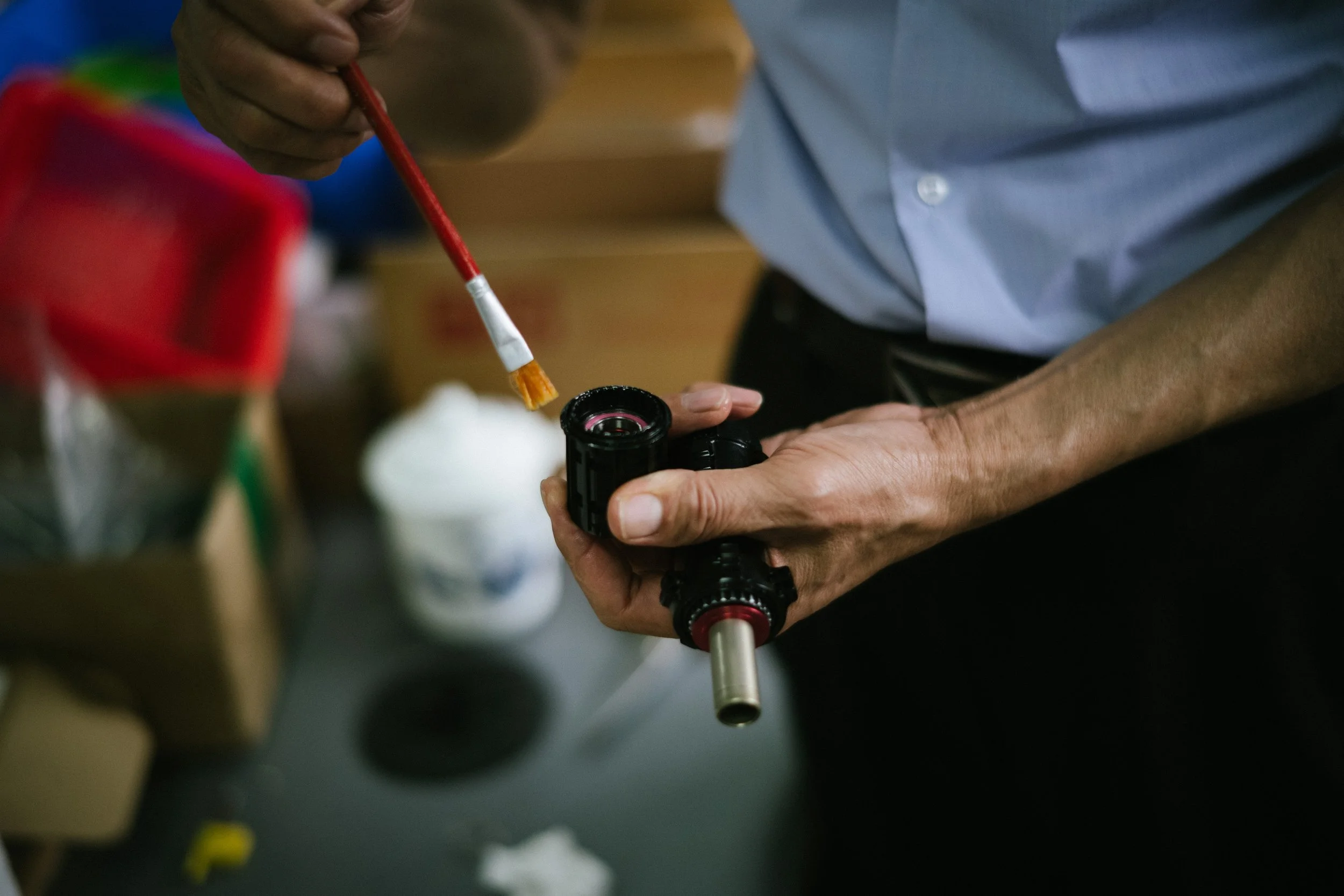
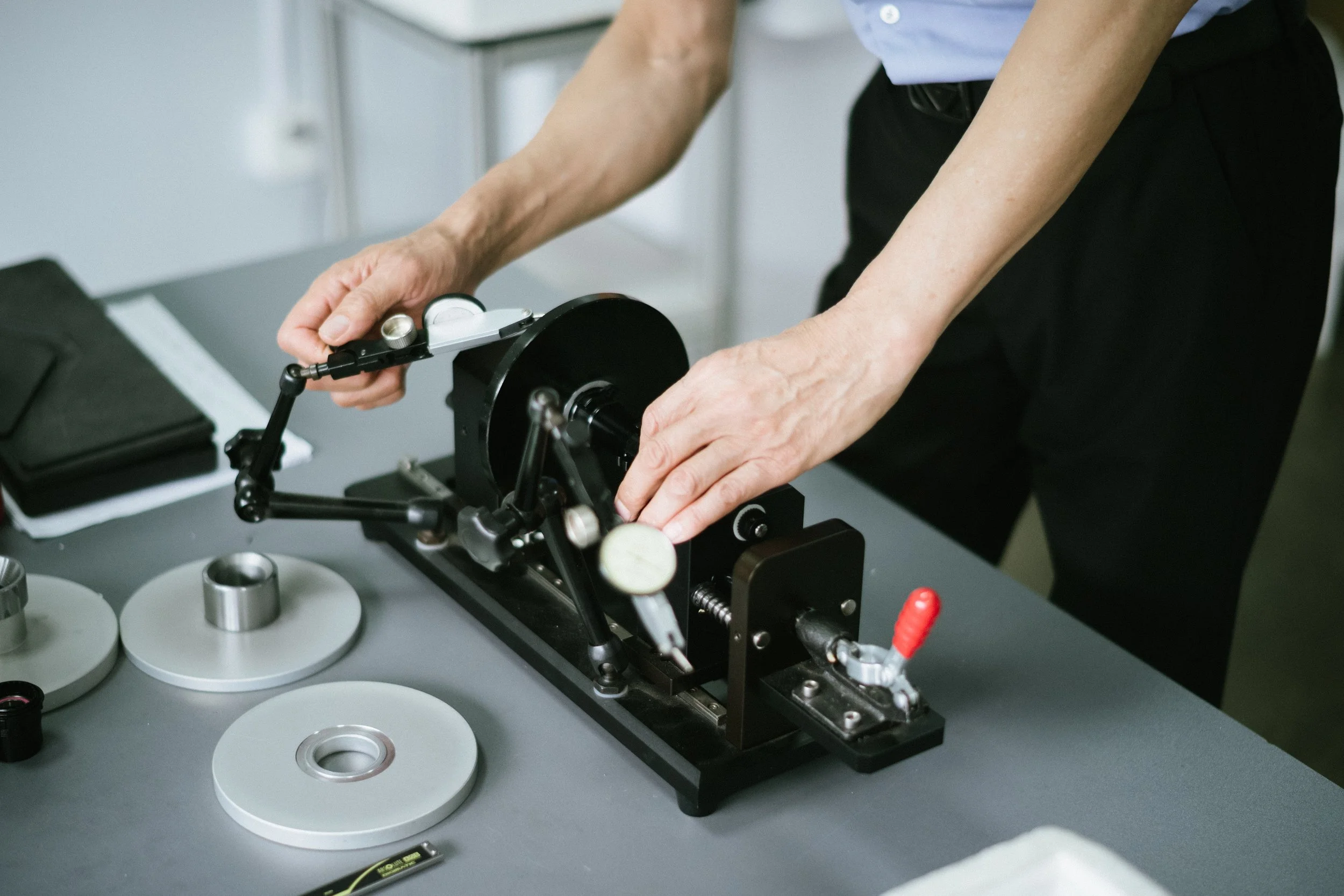
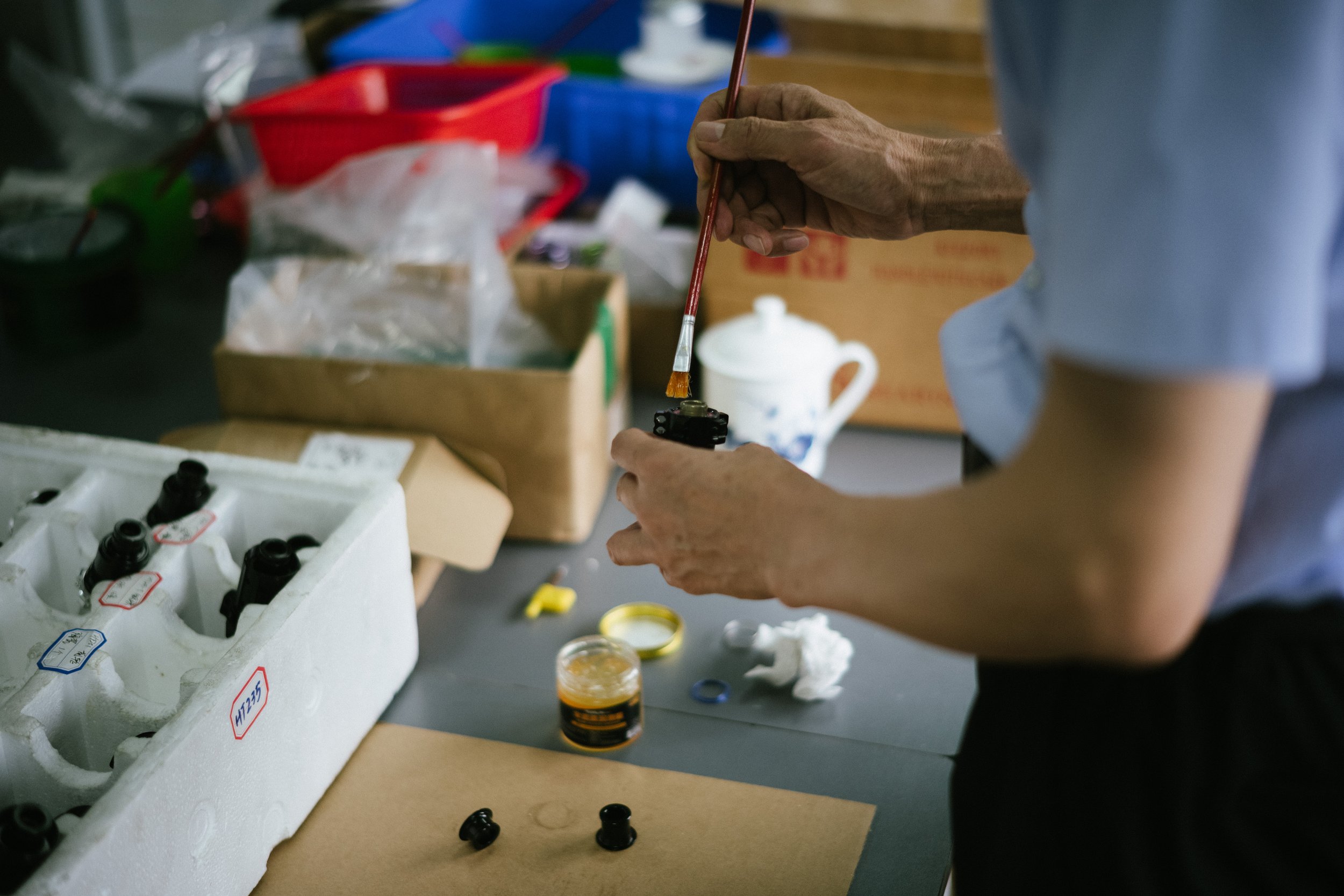
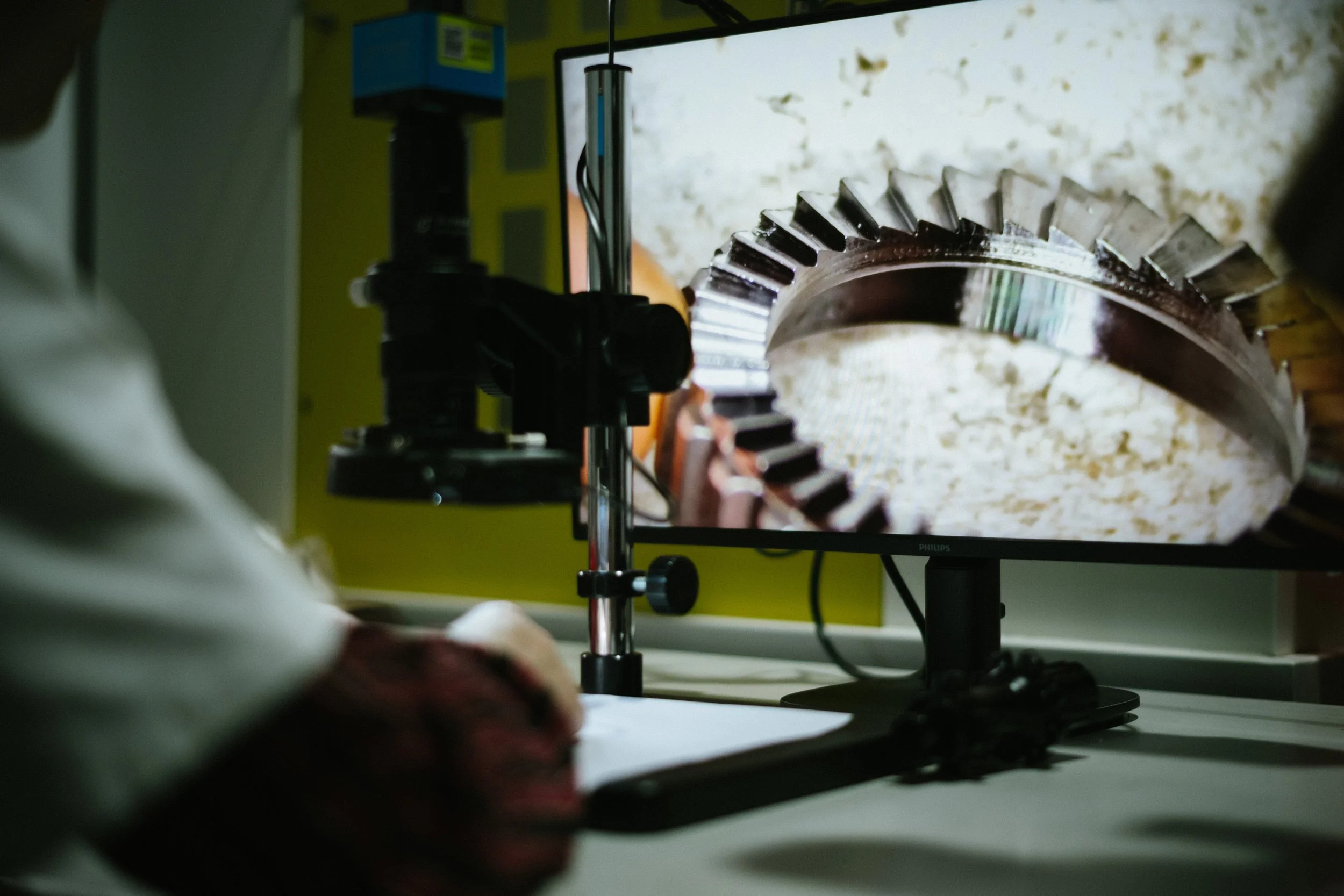
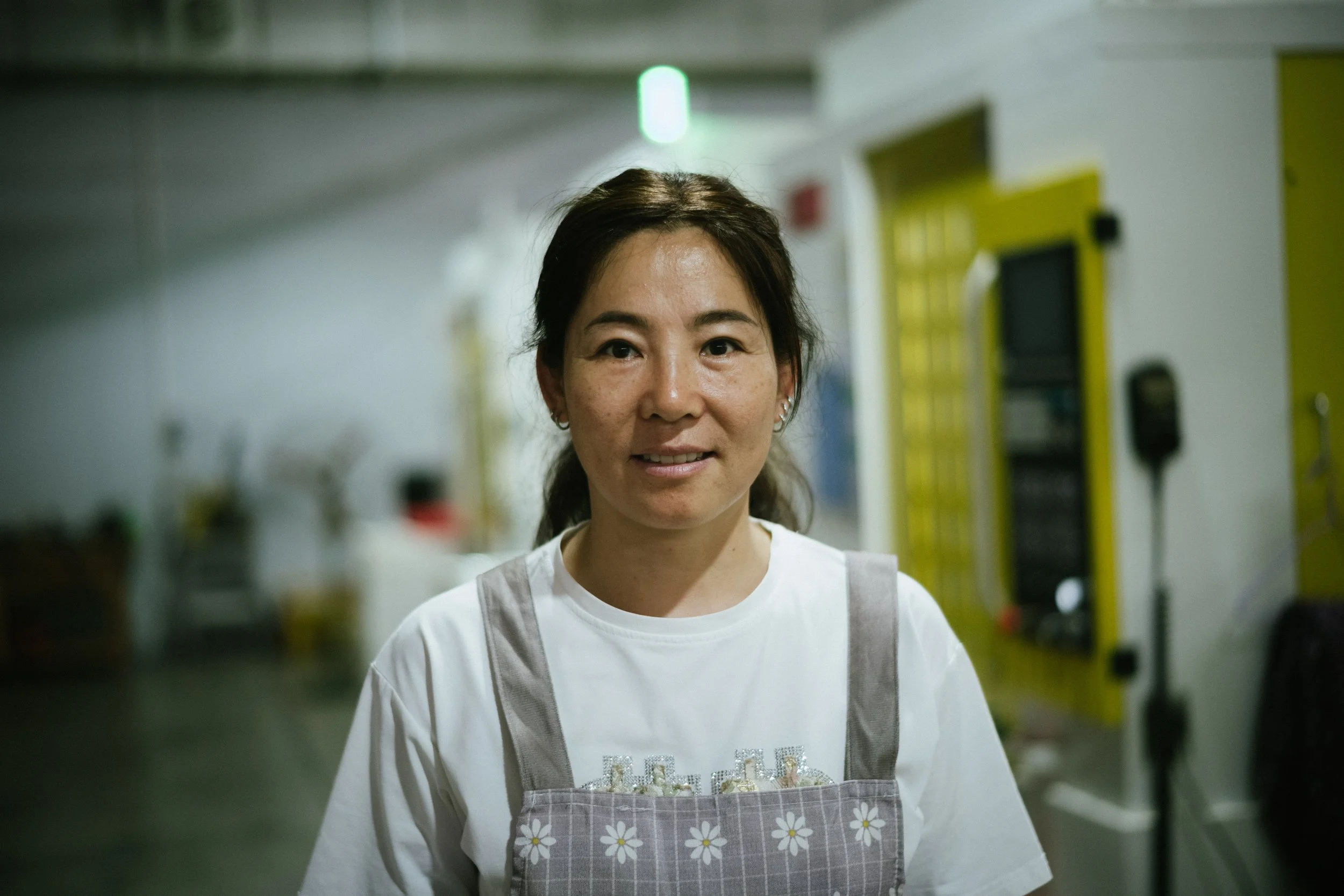

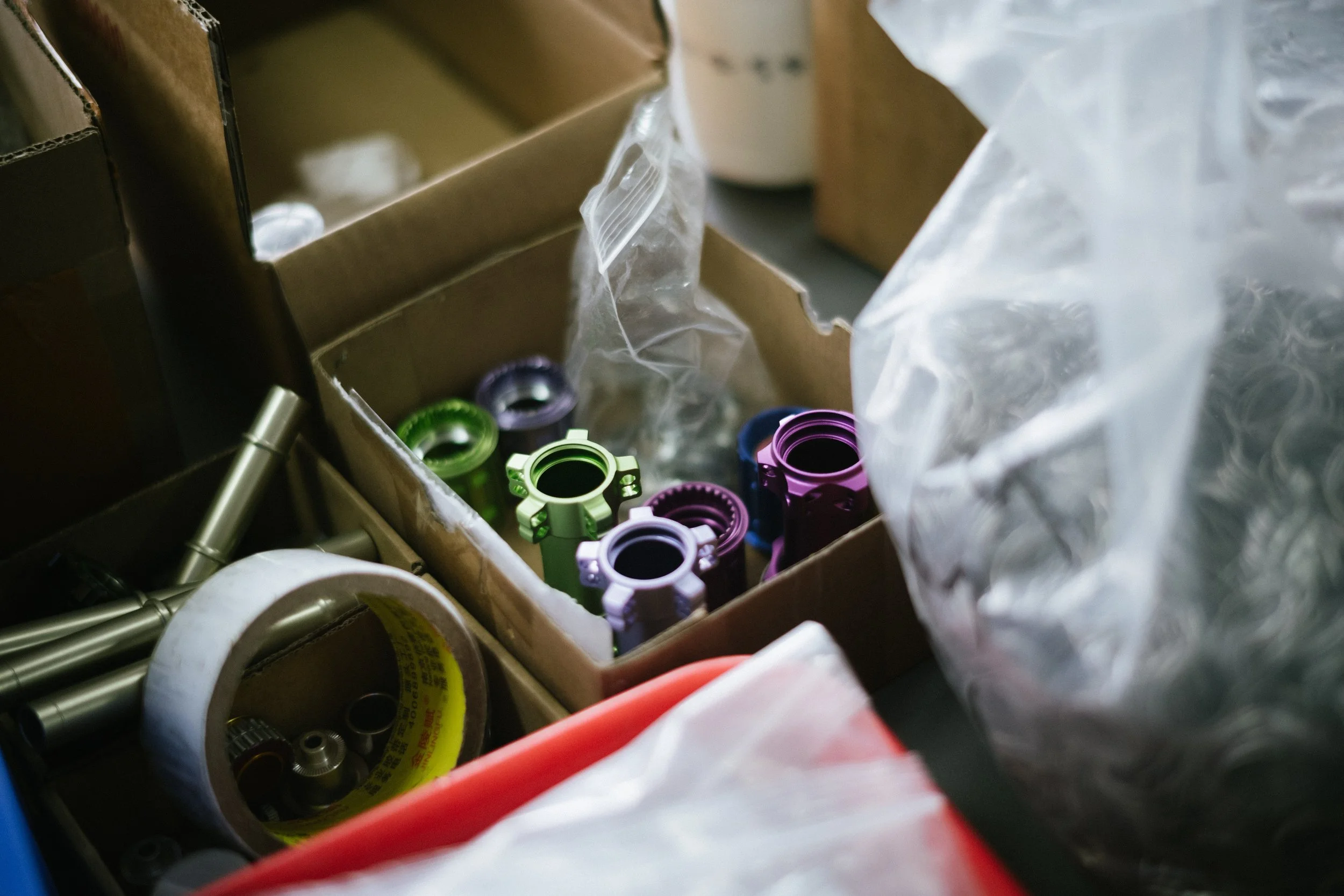
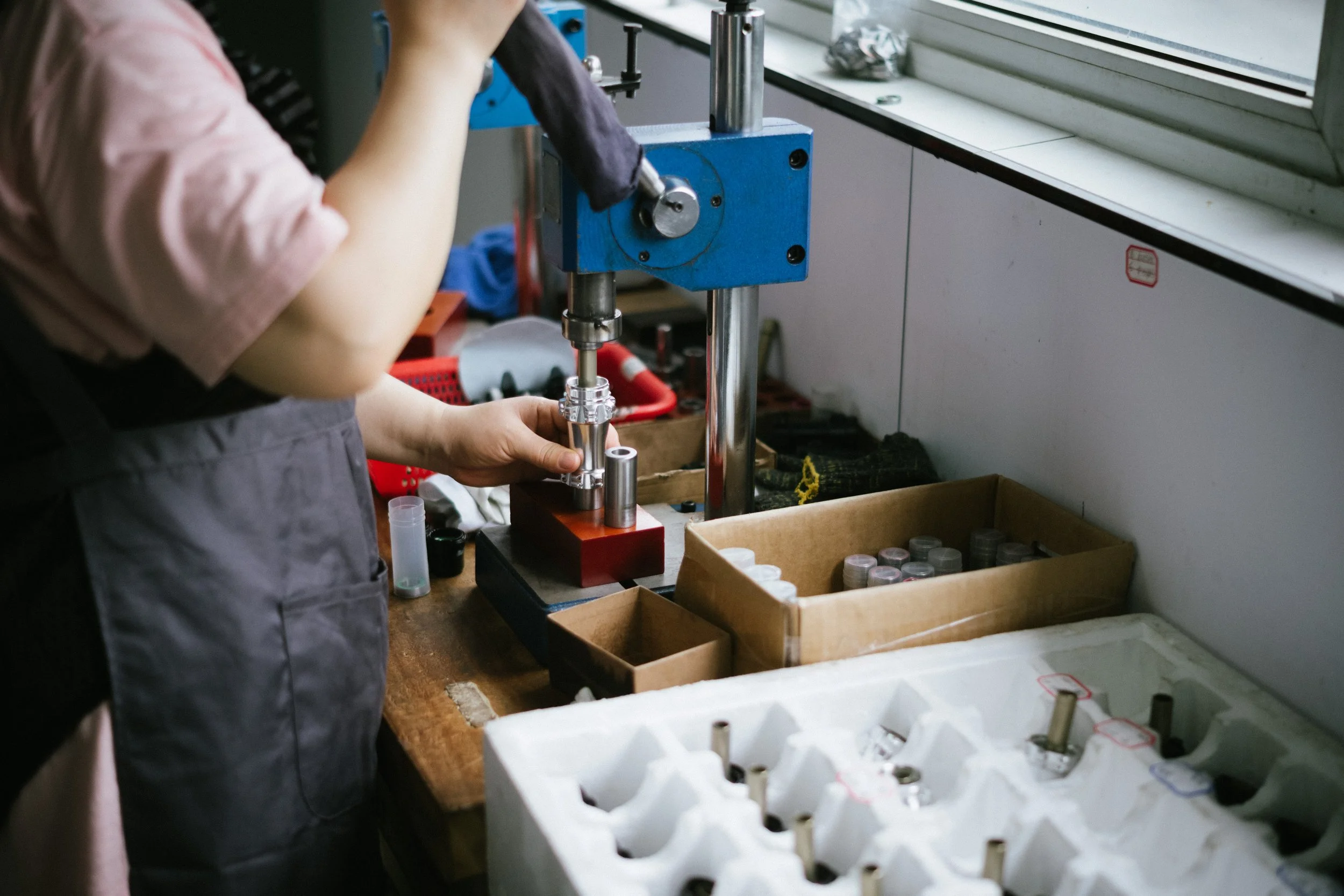
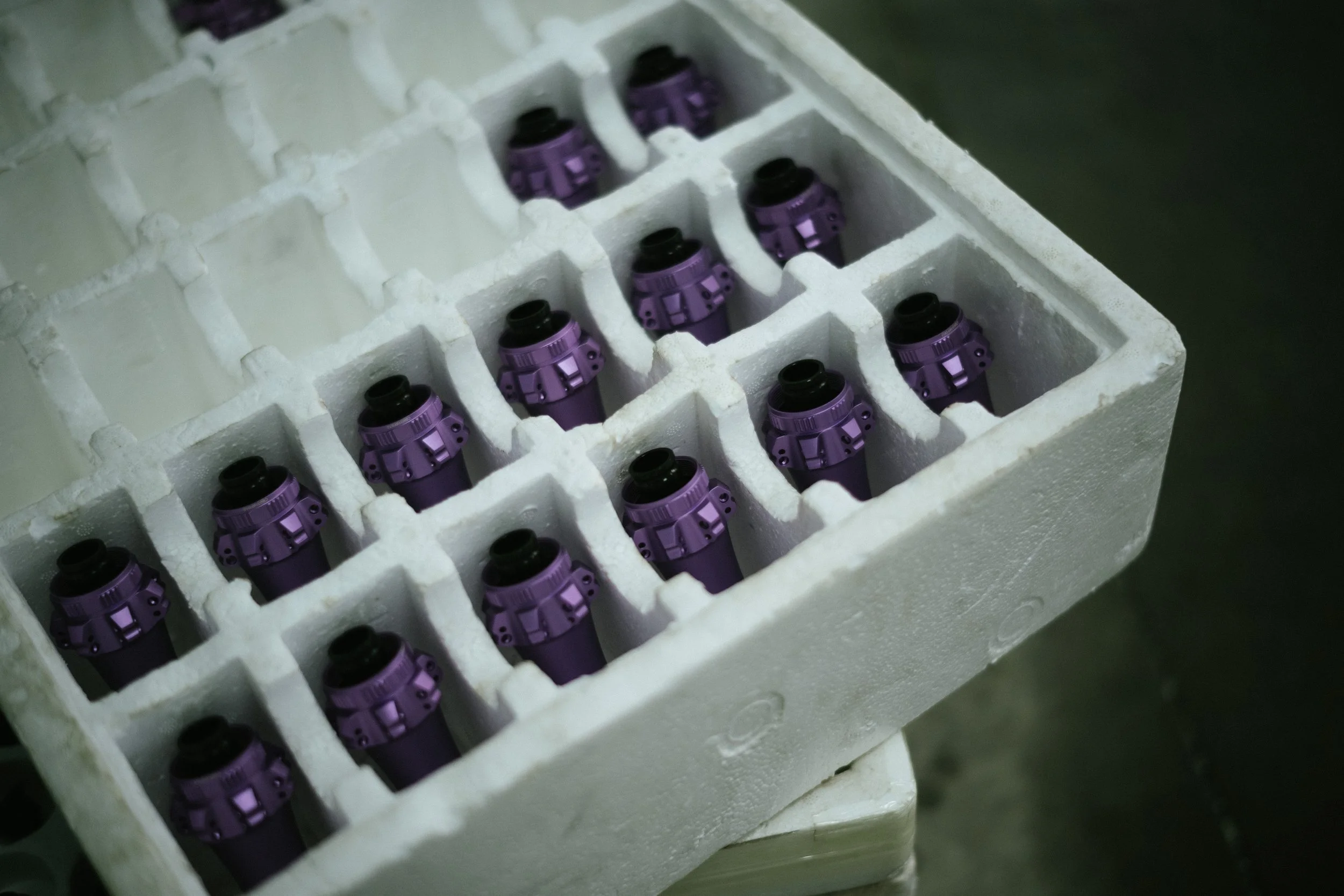
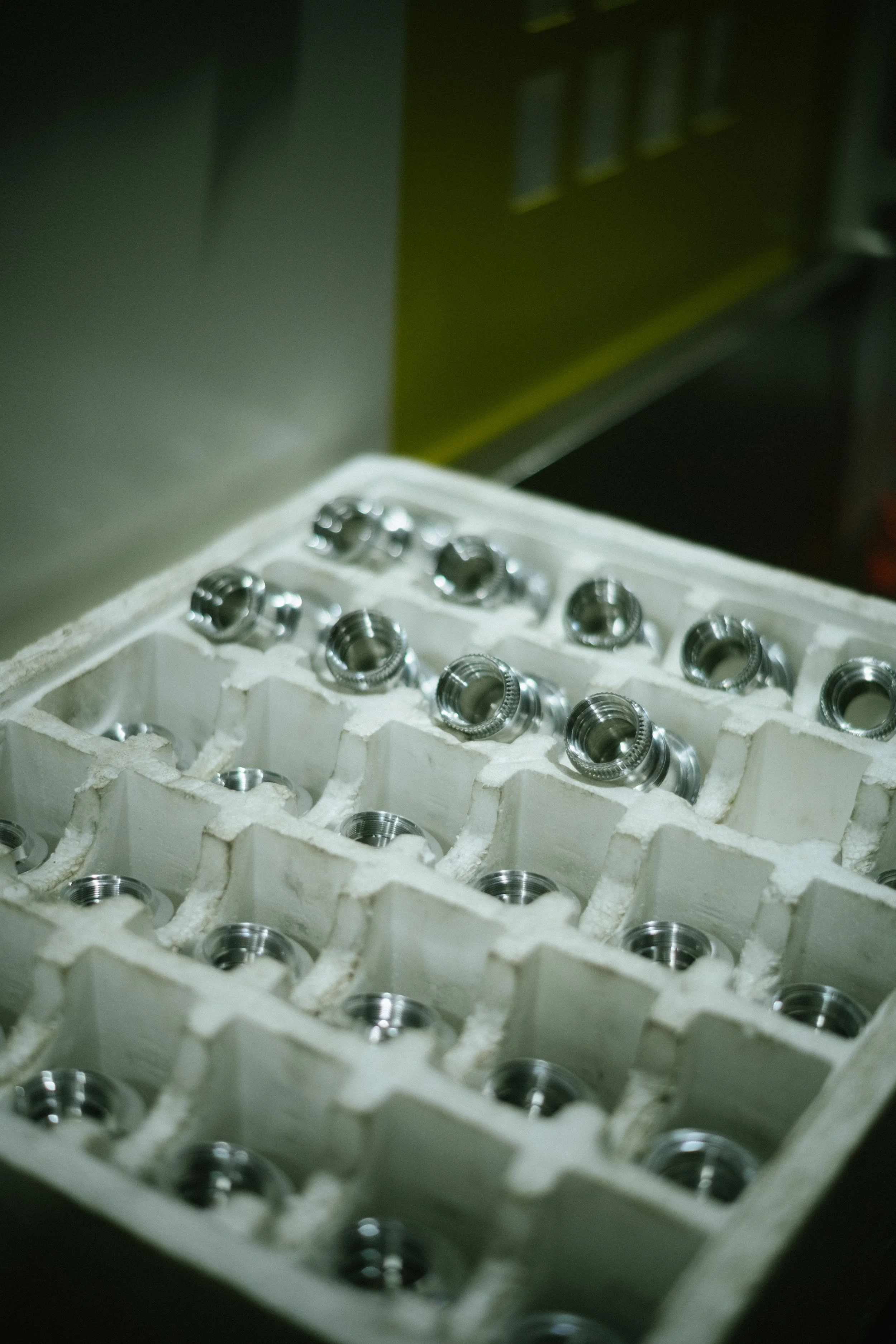
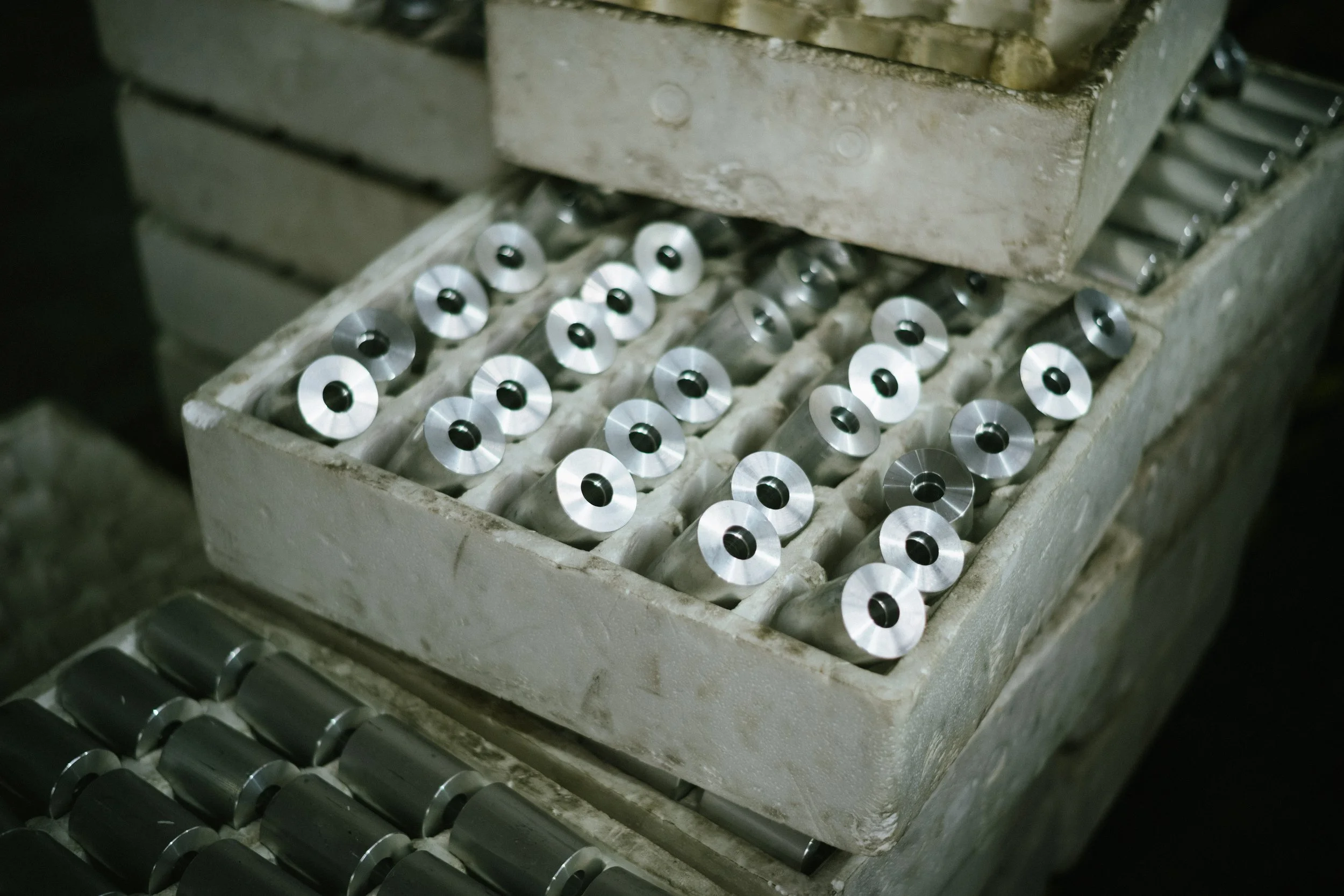
I know many people have reservations when it comes to “Chinese manufacturing,” but what I saw over those two short days was far more hands-on than I expected. Automation was minimal, and the whole experience felt much more human than I had imagined.
The pair of G45 wheels I’ve been riding, aside from being exceptionally light at (1190 g), have been a very pleasant surprise. They’re comfortable, reliable, and still true after many rides and a full year of use. Honestly, I have no complaints, and I’d be curious to see how they perform on a road bike. Yet I’m pretty sure I wouldn’t feel especially comfortable throwing massive side skids on a track bike. But who knows, I’ll have to test that and see.
I feel we need to dig deeper into Chinese manufacturing…
💾: Leica SL
📍: Xiamen